Source Polished Outboard Shim for Boat Engines, Repairs, and Replacements
Compare 30 listings for Polished Outboard Shim components designed for boat engines, repairs, and replacements. Buyers can evaluate specifications like material, gear type, and package details to find suitable parts for 2-stroke engines.
Key considerations
Products List
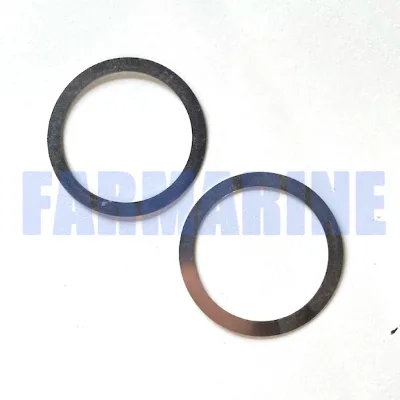
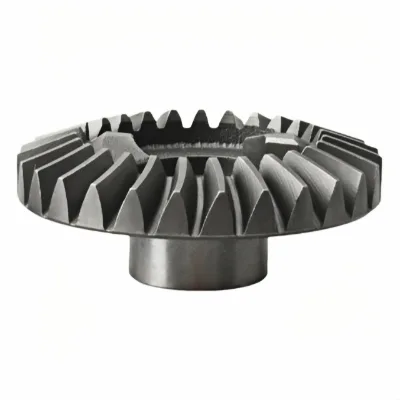
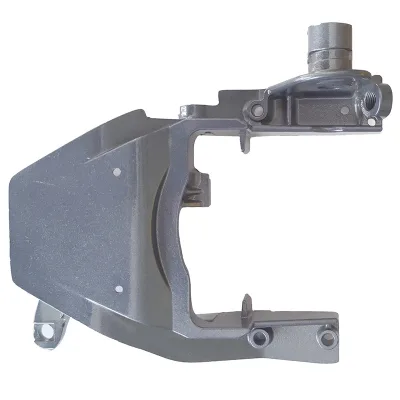


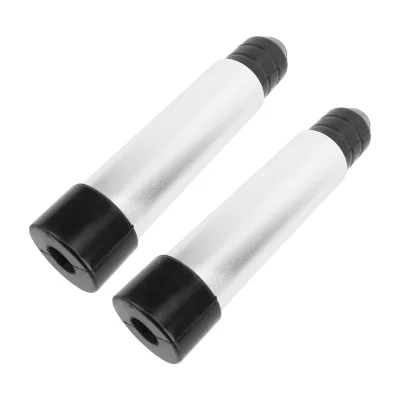
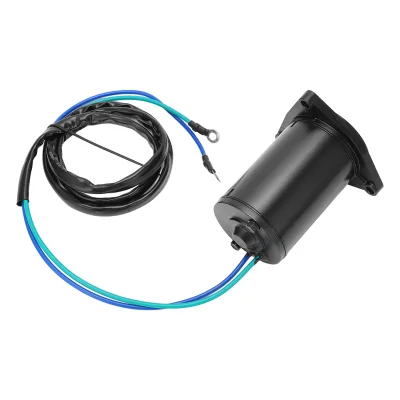
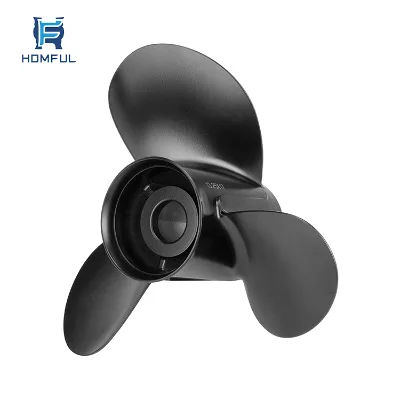
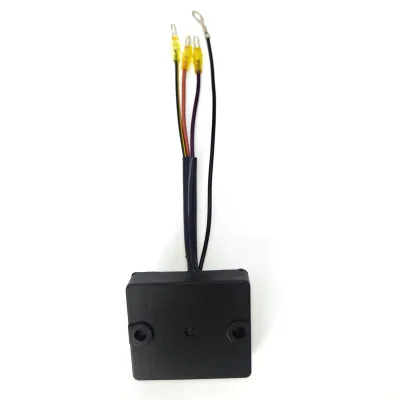
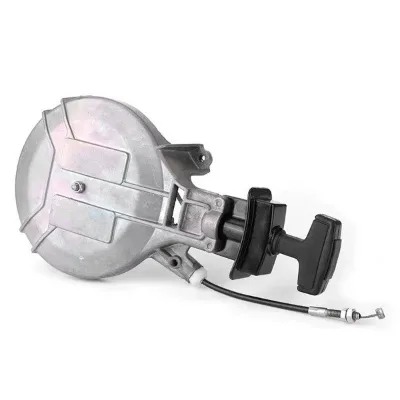



Comprehensive Sourcing Guide
Strategic Sourcing Guide for Polished Outboard Shims
The procurement of polished outboard shims represents a critical intersection of precision engineering and marine durability. These components, often designated by specific part codes such as 664-45567-01-50 or 676-45533-00, serve as essential spacers and alignment tools within the gear train of outboard motors. In the context of 2-stroke and 4-stroke engines, particularly those with 15HP ratings, the shim ensures the correct axial positioning of gears, preventing premature wear and maintaining optimal power transmission. For buyers in the B2B sector, sourcing these components requires a disciplined approach that prioritizes material integrity, surface finish quality, and strict adherence to the specific mechanical requirements of the target engine models, such as those compatible with Yamaha or other major manufacturers.
Technical Specifications and Material Integrity
The foundation of a reliable outboard shim lies in its material composition and dimensional precision. Market observations indicate that shims are frequently manufactured from high-grade stainless steel or aluminum, depending on the specific application and the corrosive environment of the marine setting. Stainless steel variants are often preferred for their superior resistance to saltwater corrosion, while aluminum options may be utilized for weight-sensitive applications or specific gear sets. The surface treatment is equally critical; a polished finish is not merely aesthetic but functional, reducing friction between mating surfaces and ensuring smooth operation within the gear housing.
Buyers must verify the specific material grade and surface treatment against the engine manufacturer's requirements. The supplied data highlights that some products undergo anti-rust coating processes or polishing treatments to enhance longevity. The standard specification for these components often includes a single package size ranging from 15x15x10 cm to 30x30x20 cm, reflecting the variability in shim sets. Furthermore, the weight of individual packages can vary significantly, from 0.500 kg to 4.000 kg, indicating differences in the quantity of shims per pack or the density of the material used. When evaluating technical specifications, attention must be paid to the "Type" designation, such as "Splicing spike" or standard flat shims, as this dictates the installation method and the specific gear configuration it supports.
Compliance, Certification, and Standard Verification
In the global supply chain for marine components, compliance with international standards is a non-negotiable requirement for ensuring safety and reliability. While specific test results for individual batches are not universally published, reputable suppliers often align their manufacturing processes with recognized standards such as ISO, ASTM, CE, RoHS, SGS, and GMP. These certifications serve as indicators that the supplier adheres to rigorous quality management systems and environmental regulations.
Buyers should explicitly request documentation verifying that the polished outboard shims meet the relevant ISO and ASTM standards for steel and aluminum alloys. The presence of CE and RoHS marks suggests compliance with European safety and hazardous substance restrictions, which is vital for exporters targeting those markets. Additionally, SGS and GMP certifications provide assurance regarding product safety and Good Manufacturing Practices. It is important to note that not every listed product will automatically satisfy all these standards; therefore, procurement teams must treat these certifications as verification points rather than inherent attributes. The "Standard" field in product listings should be cross-referenced with the specific regulatory requirements of the buyer's destination country to avoid customs delays or liability issues.
Cost Drivers and Pricing Dynamics
The pricing of polished outboard shims is influenced by a complex matrix of factors, including material costs, manufacturing complexity, and order volume. The observed price range in the market spans from $0.21 to $41,975, a disparity that reflects the difference between individual shim units and complete engine assembly kits or bulk industrial orders. For a single shim or a small repair kit, the unit cost is typically low, but the total cost escalates when purchasing full sets or specialized components for high-horsepower engines.
Minimum Order Quantity (MOQ) is a significant driver of cost efficiency. Data indicates that MOQs can range from as low as 20 pieces to 1,000 pieces. Suppliers offering an MOQ of 20 pieces are generally more accessible for small repair shops or individual contractors, whereas larger MOQs of 100 or 1,000 pieces are often required to achieve economies of scale for bulk distributors. Buyers should calculate the total landed cost, which includes the unit price, shipping fees from major ports like Ningbo or Shanghai, and any applicable tariffs. The "Selling Units" field, often listed as "Single item," suggests that pricing may be tiered based on the number of items purchased, with significant discounts available for bulk orders that meet the higher MOQ thresholds.
Typical Applications and Engine Compatibility
Polished outboard shims are primarily designed for the repair and replacement of gear train components in marine propulsion systems. Their application is specific to engines where precise gear alignment is critical for performance. The supplied facts highlight compatibility with 2-stroke engines, specifically those with 15HP output and single-cylinder configurations. These shims are frequently associated with models like the Yamaha 15HP, where the gear type includes pinion, forward, and reverse gears.
The versatility of these components is evident in their use for various engine capacities, typically ranging from 1 to 2 liters. However, buyers must exercise caution regarding compatibility. While some listings suggest broad applicability, the specific part numbers, such as 6E7-45571-00 or 664-45567-01-50, indicate that shims are often model-specific. Using a shim with incorrect dimensions or material properties can lead to gear misalignment, increased noise, and catastrophic engine failure. Therefore, the "Use For" and "Application" fields in product descriptions must be meticulously matched against the engine's service manual. The "Purpose" is consistently listed as "for replace/repair," confirming that these are maintenance components rather than factory-installed parts for new engine production.
Supplier Evaluation and Geographic Considerations
When evaluating potential suppliers for polished outboard shims, geographic origin plays a pivotal role in logistics and supply chain stability. The majority of observed products originate from China, with specific manufacturing hubs in Chongqing, Shandong, and ports in Ningbo and Shanghai. These regions have established ecosystems for marine parts manufacturing, offering a balance of cost efficiency and production capacity.
Buyers should assess suppliers based on their ability to provide consistent quality across batches and their transparency regarding the "Place of Origin." A supplier located in Chongqing may have different logistical advantages compared to one in Shandong, particularly regarding inland transportation to coastal ports. Additionally, the "Customization" attribute is a key differentiator. While some suppliers offer non-customized, standard inventory, others provide customization services to meet specific OEM requirements. For buyers with unique engineering needs, selecting a supplier that offers customization can be crucial. However, this often comes with higher MOQs and longer lead times. The "Brand" names, such as FARMARINE or QIYI, should be verified for reputation and market presence, though buyers should avoid relying solely on brand recognition without verifying the underlying manufacturing capabilities.
Quality Control and Long-Term Procurement Strategy
Implementing a robust quality control (QC) protocol is essential for mitigating the risks associated with sourcing marine components. Given the critical nature of shims in engine performance, buyers should mandate pre-shipment inspections that verify dimensional accuracy, surface finish, and material hardness. The "Condition" of the product is typically listed as "New," but this does not guarantee the absence of manufacturing defects. A comprehensive QC plan should include checks for surface treatments like anti-rust coating and polishing, ensuring that the finish is uniform and free from pitting or scratches that could compromise performance.
Long-term procurement considerations involve building a relationship with suppliers who can provide consistent supply and technical support. The "Single gross weight" and "Single package size" data are useful for planning logistics and storage, but buyers should also consider the "Lead Time" and "Loading Port" details. Shipping from Ningbo or Shanghai is standard, but delays can occur due to port congestion or seasonal weather patterns. Establishing a contract that includes clear terms for quality disputes, return policies, and delivery schedules is advisable. Furthermore, buyers should monitor the "Standard" compliance of each shipment, ensuring that the ISO, ASTM, and other certifications remain valid and up-to-date. By focusing on these strategic elements, buyers can secure a reliable supply of polished outboard shims that meet the rigorous demands of the marine industry.
Comparative Analysis of Product Attributes
To facilitate decision-making, the following table summarizes key attributes observed in the market for polished outboard shims. This comparison highlights the variability in specifications that buyers must navigate during the sourcing process.
| Attribute | Observation A | Observation B | Observation C |
|---|---|---|---|
| Material | Shim (Generic) | Aluminum | Stainless Steel |
| Surface Treatment | Polished | Anti-rust Coating | Polished |
| Engine Type | 2 Stroke 15HP | 2 Stroke | 1-2L Capacity |
| MOQ | 100 pcs | 20 Pcs | 1000 pcs |
| Package Size | 30x30x20 cm | 15x15x10 cm | 17x2x14 cm |
| Weight | 1.000 kg | 4.000 kg | 0.500 kg |
| Origin | China (General) | Chongqing, China | Shandong, China |
| Certifications | CE, RoHS, SGS | ISO, ASTM | GMP |
This table underscores the importance of detailed specification matching. A buyer seeking a lightweight, high-corrosion-resistant shim might prioritize the stainless steel option with anti-rust coating, while another focused on cost and volume might opt for the aluminum variant with a lower MOQ. The variability in package dimensions and weights also impacts shipping costs and storage requirements, making a thorough review of these attributes essential before placing an order.
Final Procurement Considerations
In conclusion, sourcing polished outboard shims requires a meticulous approach that balances technical requirements with commercial realities. Buyers must verify material grades, surface treatments, and compatibility with specific engine models to ensure optimal performance. Compliance with international standards and certifications provides a necessary layer of assurance regarding product safety and quality. By carefully evaluating suppliers based on their geographic location, customization capabilities, and quality control processes, buyers can build a resilient supply chain. The wide range of prices and MOQs observed in the market offers flexibility, but it also demands careful financial planning and risk management. Ultimately, the success of the procurement process depends on the buyer's ability to translate technical specifications into actionable purchasing decisions, ensuring that every shim sourced contributes to the reliability and longevity of marine propulsion systems.
FAQs
What materials are used for polished outboard shims?
Polished outboard shims are typically manufactured from stainless steel or aluminum to ensure durability in marine environments. Stainless steel offers superior corrosion resistance, while aluminum is used for weight-sensitive applications. Buyers must verify the specific material grade against engine requirements.
Which certifications should I look for in outboard shim suppliers?
Reputable suppliers often align with ISO, ASTM, CE, RoHS, SGS, and GMP standards. These certifications indicate adherence to quality management and environmental regulations. Buyers should request documentation to verify that the specific batch meets these international standards before purchasing.
How does the MOQ affect the cost of outboard shims?
Minimum Order Quantities range from 20 pieces to 1000 pieces, significantly impacting unit pricing. Lower MOQs suit small repair shops, while higher volumes achieve economies of scale. Buyers should calculate total landed costs including shipping from ports like Ningbo or Shanghai.
Can I find shims compatible with Yamaha 15HP engines?
Yes, specific part codes like 664-45567-01-50 are designed for Yamaha 15HP 2-stroke engines. These shims ensure correct axial positioning of gears in single-cylinder configurations. Always match the part number to the engine service manual to prevent gear misalignment.
What is the typical packaging size for outboard shims?
Single package sizes vary from 15x15x10 cm to 30x30x20 cm depending on the product. Gross weights range from 0.500 kg to 4.000 kg, reflecting differences in shim quantity and material density. This variability impacts storage requirements and shipping logistics for bulk orders.
How are surface treatments applied to outboard shims?
Shims undergo processes like polishing or anti-rust coating to reduce friction and prevent corrosion. A polished finish ensures smooth operation within the gear housing. Buyers should verify that the surface treatment is uniform and free from pitting or scratches that could compromise performance.