Source Polo Door Lock Barrel Cylinder for Home, Office, and Gate
Find and compare 30 Polo Door Lock Barrel Cylinder options for residential, commercial, and industrial applications. These brass and alloy locks feature En1303 standards, customizable keyways, and anti-drilling protection for secure door and gate installations; compare the available evidence and request quotations based on your requirements.
Key considerations
Products List


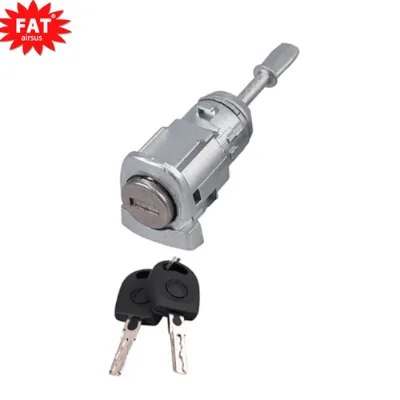


Sliding Door European Standard Durable Functional Knob Brass Lock Cylinder
$1.50 - $3.00
MOQ: 100 Pieces


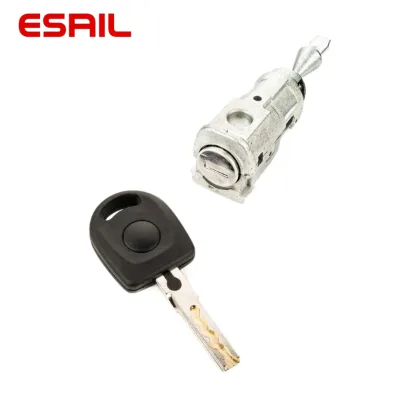
Comprehensive Sourcing Guide
Polo Door Lock Barrel Cylinder Sourcing Guide
Sourcing a reliable Polo Door Lock Barrel Cylinder requires a clear understanding of the distinct product categories available in the global market. Buyers must first distinguish between residential mortise locks and automotive-specific components, as these serve entirely different mechanical and security functions. The term "barrel cylinder" often refers to the core mechanism within a lock, but in automotive contexts, it may refer to the entire lock assembly or cylinder unit for specific vehicle models. Clarifying this distinction is the first critical step in defining procurement requirements and avoiding miscommunication with suppliers who may specialize in only one sector.
Procurement teams should also evaluate the intended application environment, whether it is for a residential building, a commercial facility, or a specific vehicle model like the Volkswagen Golf or Polo. The supplied data indicates that products range from household door locks with European styling to auto parts designed for specific car models. This divergence means that a single sourcing strategy cannot cover all needs. Buyers must segment their requirements to ensure they are engaging with suppliers who have the appropriate manufacturing expertise, whether that involves precision metalworking for automotive alloys or complex mechanical assembly for residential security hardware.
Product Scope and Observed Listing Signals
The observed market signals reveal a wide variance in product attributes, with prices ranging from $0.1 to $9 USD and minimum order quantities (MOQs) spanning from 1 to 1000 pieces. This broad range suggests a mix of sample-ready automotive components and bulk residential hardware. For instance, some listings offer auto parts for Volkswagen models with an MOQ of just one piece, indicating a focus on replacement or low-volume repair markets. In contrast, residential locks often appear with higher MOQs, reflecting the economies of scale typical in building material supply chains. Understanding these signals helps buyers align their order volume with supplier capabilities and pricing structures.
Product specifications also vary significantly, with materials including brass and alloy, and finishes such as satin nickel or satin chrome. Some products are identified by specific model numbers like CL003, CL005, or UBX2, while others are linked to OEM numbers such as 6048371677. Buyers should note that customization is available for keyways and pin configurations, with options for 5, 6, 7, 10, or 12 pins. This flexibility allows for tailored security solutions but requires precise communication of technical requirements. The presence of different packing methods, from simple white boxes to plastic bag and carton combinations, further indicates the need to verify logistics preferences early in the sourcing process.
Technical Specifications to Verify
Technical verification must begin with the physical dimensions and fitment requirements of the lock cylinder. For residential applications, the door thickness compatibility is a critical parameter, with observed specifications indicating a fit for doors between 35-50mm thick. Buyers must ensure that the selected lock matches their existing door infrastructure to avoid costly modifications. Additionally, the backset measurement, observed at 60mm in some listings, must be confirmed to ensure proper alignment with the strike plate. For automotive applications, the specific car model compatibility, such as for Volkswagen Golf, Polo, or Bora, is paramount, as these components are often model-specific and non-interchangeable.
The internal mechanism and security features require equally rigorous verification. Keyway customization is a common feature, allowing buyers to standardize keys across multiple doors or vehicles. However, the pin configuration, which can range from 5 to 12 pins, directly impacts the lock's resistance to picking and drilling. Buyers should also verify the cam degree options, such as 0 or 30-degree cams, which affect the operation of the latch and deadbolt. For automotive locks, the warranty period, observed as one year for some parts, provides insight into the manufacturer's confidence in their product's durability. Confirming these technical details prevents functional mismatches and ensures the lock operates smoothly in its intended environment.
Compliance and Safety Documentation
Compliance with international standards is essential for both residential and automotive lock components. In the residential sector, locks are often evaluated against standards such as BS EN 1303, which defines performance requirements for locks and lock bodies. Buyers should request documentation proving that the supplied locks meet these specific standards, particularly regarding durability, security, and operational life. The grade of the lock, also referenced as EN 1303 in some contexts, indicates its resistance to forced entry and mechanical stress. Verifying this compliance ensures that the locks provide the expected level of security for residential or commercial buildings.
For automotive components, compliance may involve adherence to original equipment manufacturer (OEM) specifications rather than general building standards. Buyers should verify that the auto parts, such as the front left door lock cylinder for Volkswagen models, meet the quality and safety requirements set by the vehicle manufacturer. This includes checking for proper material composition, such as the use of alloy or brass, and ensuring that the finish is resistant to corrosion and wear. Additionally, buyers should inquire about any specific certifications related to manufacturing processes, such as ISO 27001 for information security, although this is less common for physical hardware. Ensuring compliance protects buyers from liability and ensures product reliability.
Cost Drivers and Commercial Terms
Cost drivers for door lock barrel cylinders include material quality, manufacturing complexity, and customization levels. Brass and alloy materials offer different price points based on market fluctuations and purity levels. Customization of keyways and pin configurations adds to the production cost, as it requires additional tooling and setup time. Buyers should also consider the impact of packaging choices on the final cost, as more elaborate packing methods, such as plastic bag plus white box plus carton, may incur higher material and labor expenses. Understanding these drivers allows buyers to negotiate more effectively and allocate their budget efficiently.
Commercial terms, including MOQs and lead times, significantly influence the total cost of ownership. Low MOQs, such as one piece for automotive parts, are convenient for small orders but may come with higher unit prices. Higher MOQs, up to 1000 pieces, often result in better pricing due to economies of scale. Buyers should also clarify warranty terms, such as the one-year guarantee for workmanship and material found in some listings, and understand the process for claims or replacements. Payment terms and shipping costs should be negotiated based on the order volume and delivery location. Clear commercial terms prevent unexpected expenses and ensure a smooth transaction process.
Supplier Qualification and Quality Control
Supplier qualification begins with verifying the manufacturer's location and production capabilities. Many suppliers are located in regions like Guangdong or Zhejiang in China, which are known for their manufacturing expertise in hardware and automotive parts. Buyers should assess the supplier's ability to meet specific quality standards and their experience in producing the required lock types. Requesting samples is a crucial step to evaluate the physical quality, finish, and functionality of the product. This hands-on inspection helps identify any defects or deviations from the specified technical requirements before committing to a larger order.
Quality control processes should be clearly defined and agreed upon with the supplier. This includes inspections for material consistency, dimensional accuracy, and operational smoothness. Buyers should inquire about the supplier's internal quality control measures, such as random sampling during production or final inspection before shipment. For automotive parts, verifying the OE number match is essential to ensure compatibility. Additionally, buyers should establish a clear protocol for handling defective products, including return policies and replacement procedures. A robust quality control framework minimizes the risk of receiving substandard products and ensures long-term satisfaction with the procurement.
Long-Term Procurement Checks
Long-term procurement success depends on establishing a reliable supply chain and maintaining consistent product quality over time. Buyers should conduct periodic audits or reviews of their suppliers to ensure they continue to meet quality and delivery standards. This includes monitoring any changes in materials, manufacturing processes, or compliance certifications that could affect the product's performance. Building a strong relationship with the supplier can also facilitate better communication and faster resolution of any issues that arise. Regular feedback and performance evaluations help identify areas for improvement and strengthen the partnership.
Sustainability and ethical sourcing practices are increasingly important in long-term procurement strategies. Buyers should verify that their suppliers adhere to ethical labor practices and environmental regulations. This includes checking for certifications related to sustainable manufacturing and responsible sourcing of materials. Additionally, buyers should consider the lifecycle of the product, including its durability and recyclability. By focusing on long-term value rather than just initial cost, buyers can build a resilient supply chain that supports their business goals and contributes to positive social and environmental outcomes.
FAQs
What customization options exist for the keyway?
The keyway can be customized to meet specific buyer requirements. This flexibility allows purchasers to align the lock with existing security systems or unique access needs without compromising the standard En1303 compliance of the product.
Which pin configurations are available for this lock?
Buyers can select from 5, 6, 7, 10, or 12 pin options depending on their security level needs. These variations provide different levels of protection against picking while maintaining compatibility with the standard brass material construction.
Can this lock fit doors of varying thicknesses?
Yes, the lock is designed to fit door thicknesses ranging from 35 to 50 millimeters. This specification ensures broad compatibility with standard residential and commercial door frames found in most building applications.
What standards does the lock cylinder meet?
The product complies with the BS En1303 and En1303 standards for security and durability. These certifications verify that the lock cylinder meets rigorous international requirements for performance and resistance against forced entry attempts.
How is the product packed for shipment?
Packaging options include white boxes, plastic bags, or cartons depending on the specific model ordered. This ensures safe transport and allows for bulk shipping configurations suitable for both small and large commercial orders.
What is the warranty period for the lock?
A one-year warranty covers workmanship and material defects for the lock cylinder. This guarantee provides buyers with assurance regarding the quality of the alloy construction and the reliability of the locking mechanism.
Which vehicle models are compatible with this cylinder?
This cylinder is specifically designed for Volkswagen Golf, Polo IV, and Bora models. It fits the front left door lock assembly and matches the original equipment numbers for seamless replacement in these vehicles.