Source Polo Shirt and Long Pants Set for Industry, Home, Garment
Explore 30 verified options for the Polo Shirt and Long Pants Set suitable for industry, home textile, and garment applications. Buyers can compare features like breathability, stretch levels, and customization availability across suppliers in China; compare the available evidence and request quotations based on your requirements.
Key considerations
Products List


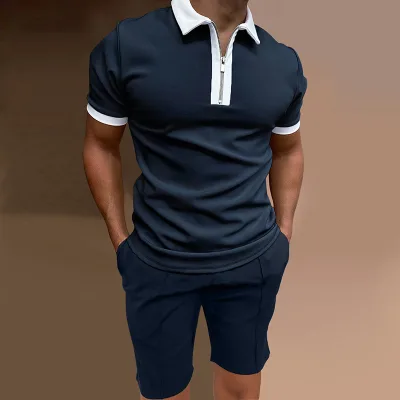

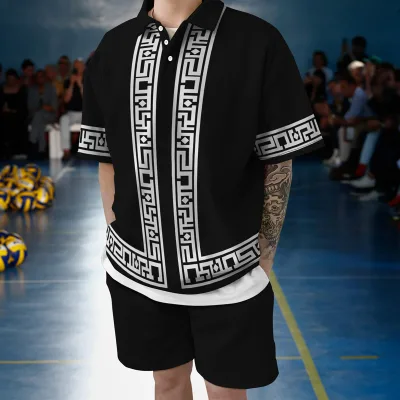
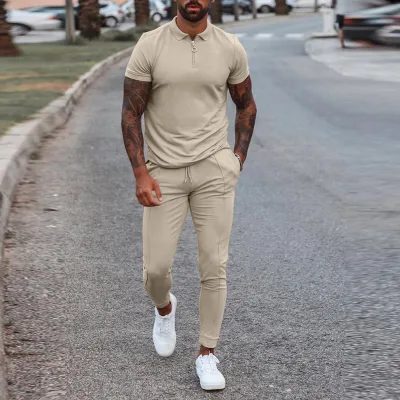
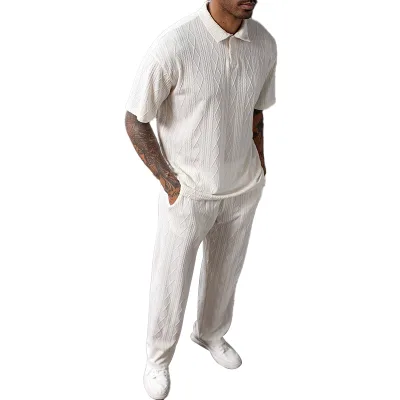
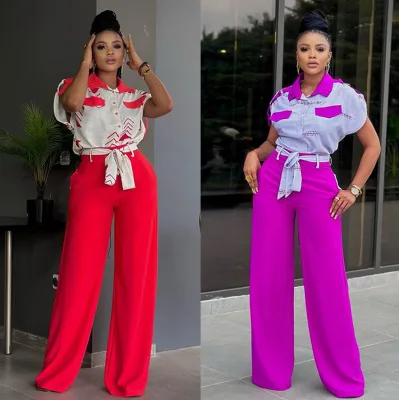
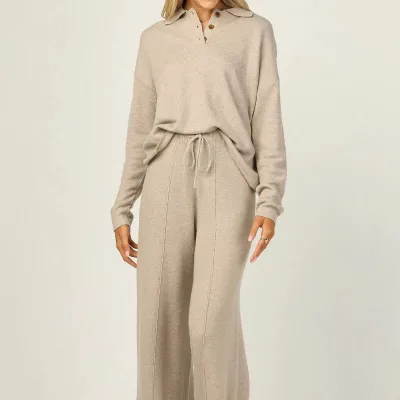


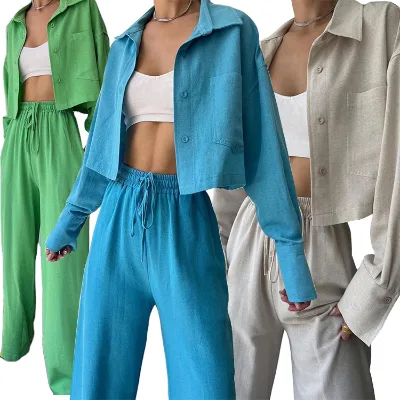


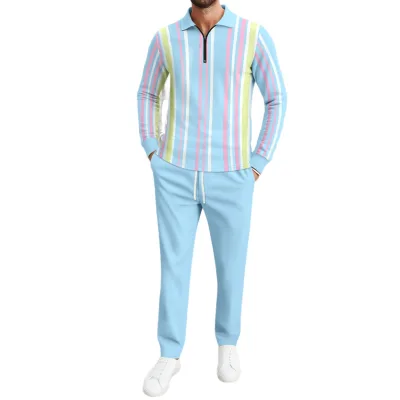
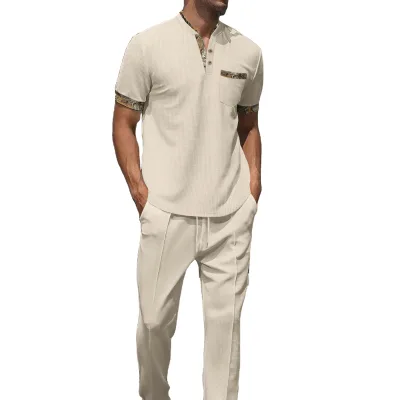


Breathable Polyester Top Black Pants Sportswear Set Casual Training Suit
$10.39 - $15.39
MOQ: 100 Sets
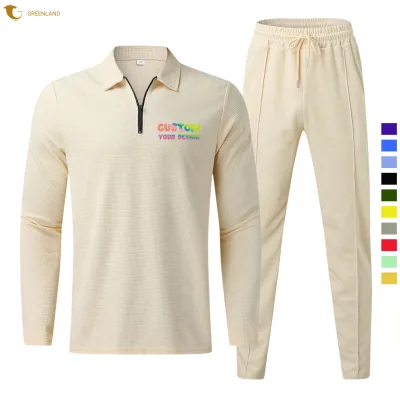




Autumn Winter School Sports Uniform Long Sleeve Polo Shirt and Track Pants
$10.89 - $12.99
MOQ: 100 Pieces

Comprehensive Sourcing Guide
Polo Shirt and Long Pants Set Sourcing Guide
Sourcing a coordinated Polo Shirt and Long Pants Set requires balancing aesthetic consistency with functional performance, particularly for corporate uniforms, sports teams, or casual lifestyle brands. Buyers must first define the primary use case, as this dictates material selection, stretch requirements, and durability standards. The observed market signals indicate a strong presence of knitted fabrics with medium stretch levels, which offer comfort and ease of movement essential for active wear. Understanding whether the end-user prioritizes breathability, thermal retention, or formal appearance will narrow the supplier pool significantly.
Procurement teams should also evaluate the customization capabilities of potential suppliers, as branded apparel often demands specific logo placements and color matching. The availability of custom designs and digital printing methods suggests that many manufacturers can accommodate unique brand identities without excessive minimum order quantities. However, buyers must verify if the supplier’s customization process affects lead times or unit costs. Aligning the design complexity with the production capacity ensures that the final product meets both visual expectations and delivery schedules without compromising quality.
Product Scope and Observed Listing Signals
The current market landscape for polo shirt and long pants sets reveals a diverse range of product attributes, from casual summer styles to more structured autumn collections. Observed listings highlight materials such as cotton-polyester blends and pure polyester, each offering distinct advantages in terms of moisture management and wrinkle resistance. Some products feature eco-friendly and anti-bacterial treatments, appealing to health-conscious consumers and corporate clients seeking sustainable office wear. These signals indicate that buyers have access to versatile options that can be tailored to specific seasonal demands and functional requirements.
Price points and minimum order quantities vary widely, with some suppliers offering low MOQs for sample testing and others requiring larger commitments for bulk production. The presence of in-stock items provides an opportunity for rapid deployment, while custom manufacturing options allow for greater control over the final aesthetic. Buyers should note that features like quick-dry technology and thermal properties are commonly advertised, suggesting a market trend toward performance-oriented casual wear. Evaluating these signals helps in identifying suppliers who can meet both immediate needs and long-term strategic goals.
Technical Specifications to Verify
When evaluating technical specifications, buyers must prioritize fabric weight and GSM to ensure the set meets durability and comfort expectations. Medium weight fabrics, such as those around 185 GSM, offer a balance between structure and breathability, suitable for year-round wear in moderate climates. Conversely, lighter options may be preferred for summer collections. It is crucial to verify the stretch level, as medium stretch provides flexibility without losing shape, which is vital for active use. Confirming these physical properties through sample testing prevents discrepancies between the ordered product and the final deliverable.
Additional technical details, such as surface finish and pattern type, also play a significant role in the product’s appeal and functionality. A silky surface finish can enhance comfort and perceived value, while plain or contrast color patterns offer different stylistic choices. Buyers should also check the packaging standards, as plastic bag packaging is common but may need to be upgraded for premium branding. Verifying these specifications ensures that the product aligns with the brand’s quality standards and customer expectations, reducing the risk of returns or dissatisfaction.
Compliance and Safety Documentation
Compliance with safety and environmental standards is non-negotiable for global apparel procurement, especially when products are marketed as eco-friendly or anti-bacterial. Buyers must request documentation that verifies these claims, such as test reports from accredited laboratories, to ensure that chemical treatments do not pose health risks. While specific certifications like ISO 27001 are mentioned in some contexts, they primarily relate to information security rather than product safety. Therefore, it is essential to focus on textile-specific standards that govern flammability, colorfastness, and chemical residues.
Documentation should also cover labor practices and supply chain transparency, which are increasingly important to consumers and regulatory bodies. Buyers should inquire about the supplier’s adherence to local labor laws and international labor standards to mitigate reputational risks. Requesting a detailed bill of materials and sourcing information helps in tracing the origin of raw materials, ensuring that no restricted substances are used. This due diligence not only protects the brand but also builds trust with end-users who are increasingly conscious of ethical sourcing practices.
Cost Drivers and Commercial Terms
Understanding the cost drivers behind polo shirt and long pants sets is critical for accurate budgeting and negotiation. Material costs, particularly the type and quality of polyester or cotton blends, significantly influence the final price. Customization options, such as digital printing and logo embroidery, add to the unit cost but can enhance brand value. Buyers should also consider the impact of order volume on pricing, as larger quantities often result in lower unit costs due to economies of scale. Negotiating favorable terms based on volume commitments can lead to substantial savings over time.
Commercial terms, including payment methods, shipping responsibilities, and return policies, must be clearly defined to avoid disputes. The observed shipment periods of 15-20 days suggest that lead times can vary, so buyers should plan accordingly to avoid stockouts. It is advisable to include clauses for quality inspections and penalties for non-compliance in the contract. Clear communication regarding these terms ensures a smooth transaction process and protects both parties from potential financial losses or operational disruptions.
Supplier Qualification and Quality Control
Supplier qualification is a multi-step process that begins with verifying the manufacturer’s production capabilities and quality management systems. Buyers should conduct on-site audits or request virtual tours to assess the facility’s equipment, workforce, and hygiene standards. Checking the supplier’s history of producing similar products, such as men’s suit sets or casual wear, provides insight into their expertise and reliability. A supplier with a proven track record in the specific niche is more likely to deliver consistent quality and meet deadlines.
Quality control measures should be integrated into the procurement process from the initial sample stage to final shipment. Implementing a rigorous inspection protocol, including pre-production, during-production, and pre-shipment checks, helps identify and rectify defects early. Buyers should define clear acceptance criteria for color matching, stitching quality, and fabric integrity. Establishing a feedback loop with the supplier ensures continuous improvement and fosters a collaborative relationship that benefits both parties in the long run.
Long-Term Procurement Checks
Long-term procurement success depends on establishing a robust supplier relationship management strategy that goes beyond transactional interactions. Regular performance reviews, based on metrics such as on-time delivery, quality consistency, and responsiveness, help identify areas for improvement. Buyers should also monitor market trends and technological advancements to ensure that their product offerings remain competitive. Engaging in open dialogue with suppliers about future needs and challenges can lead to innovative solutions and cost-saving opportunities.
Sustainability and ethical sourcing should remain central to the procurement strategy, as consumer preferences and regulatory requirements evolve. Buyers should periodically reassess their supplier base to ensure alignment with their corporate social responsibility goals. Building a diversified supplier network reduces dependency on single sources and mitigates risks associated with supply chain disruptions. By maintaining a proactive and strategic approach, buyers can secure a reliable supply of high-quality polo shirt and long pants sets that meet their business objectives.
FAQs
Can I customize the logo on the polo shirt set?
Yes, customized logo printing is available for this product. You can request specific designs to be printed on the fabric. This option supports branding needs for businesses looking to create unique apparel collections with distinct visual identities.
What is the minimum order quantity for this set?
The minimum order quantity is two sets for in-stock items. Some variations may require different quantities, so please verify specific model requirements before placing an order. This ensures flexibility for small business buyers testing the market.
How long does it take to ship the order?
The estimated shipment period is 15 to 20 days after order confirmation. Sample orders can be supported within seven days for quick evaluation. This timeline helps buyers plan their inventory replenishment and seasonal launch schedules effectively.
What materials are used in the polo shirt set?
Materials include polyester, cotton, and spandex blends depending on the specific model. These fabrics offer breathability, stretch, and durability for active wear. The selection ensures comfort and performance suitable for summer and autumn seasons in various climates.
Is the fabric machine washable and durable?
Yes, the fabric is machine washable and designed for wash and wear convenience. It features anti-crease and anti-bacterial properties to maintain hygiene and appearance. This makes the product ideal for frequent use in both home and industry settings.
Where are these products manufactured?
Products originate from Zhejiang and Guangdong provinces in China. These regions are known for textile manufacturing capabilities and supply chain efficiency. Buyers can expect consistent quality standards and reliable production capacity for bulk orders.
What customization options are available for designs?
Custom designs and digital printing methods are supported for this product line. Buyers can choose from various colors and patterns to match their brand identity. This flexibility allows for tailored solutions that meet specific market demands and aesthetic preferences.