Source Polycarbonate Granule for packaging, automotive, and electronics
Compare 30 listings of Polycarbonate Granule from verified suppliers. Buyers can evaluate grades, processing methods, and certifications for engineering and specialty plastic applications.
Key considerations
Products List


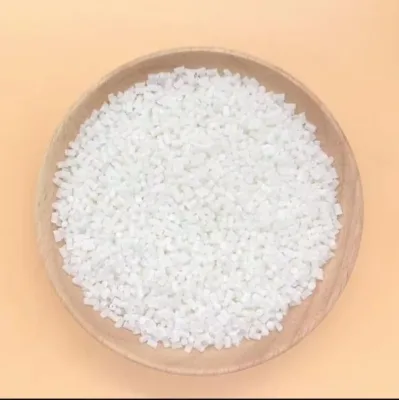


High-Quality Transparent PC Polycarbonate Granules for Plastic Production
$1850.00 - $2500.00
MOQ: 1 Tons


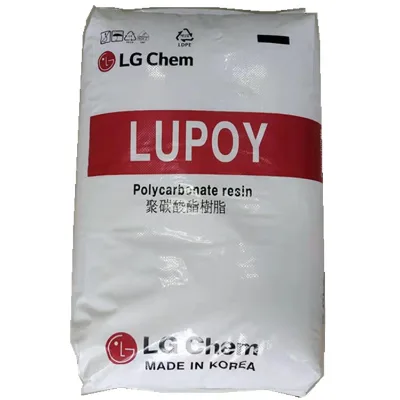
Comprehensive Sourcing Guide
Strategic Sourcing Guide for Polycarbonate Granule Procurement
The global demand for high-performance engineering plastics continues to drive the need for precise sourcing strategies, particularly for polycarbonate (PC) granules. As a material renowned for its exceptional impact resistance, optical clarity, and thermal stability, PC serves as a critical component in industries ranging from automotive and electronics to medical devices and construction. For procurement professionals, navigating the market of polycarbonate granules requires a disciplined approach that balances technical specifications, supply chain reliability, and cost efficiency. This guide outlines the essential factors buyers must evaluate to secure high-quality raw materials while mitigating supply chain risks.
Technical Specifications and Material Grades
Understanding the technical landscape of polycarbonate granules is the foundational step in any sourcing initiative. The market offers a diverse array of grades tailored to specific processing methods and end-use requirements. Based on observed market data, polycarbonate granules are available in various forms, including virgin and recycled options, with densities typically around 1.04 g/cm³. The physical form is generally presented as granules, often described as having a soybean size, which facilitates consistent feeding into extrusion and injection molding equipment.
Buyers must carefully distinguish between different processing grades, as the material behavior varies significantly depending on the intended manufacturing process. Common grades include injection molding, extrusion, blow molding, and rotational molding variants. For instance, injection molding grades are optimized for high flow and rapid cooling, while extrusion grades prioritize uniformity and surface finish. Some suppliers offer specialized formulations such as hollow grades, hot melt grades, and foaming grades, each designed to meet distinct mechanical and thermal demands.
The chemical and physical properties of the granules are equally critical. Polycarbonate is inherently a thermoplastic, meaning it softens upon heating and hardens upon cooling, allowing for repeated processing. However, specific formulations may include additives to enhance performance. Observed features in the market include hydrolytic degradability, photodegradability, high impact resistance, chemical resistance, and flame retardancy. Color options are also a key specification, with black and white being common standard offerings, though customized colors are often available upon request. Buyers should verify the specific grade code, such as PC LXTY1609 or PC HFD1810, to ensure compatibility with their existing production lines.
Compliance, Certification, and Quality Assurance
In the B2B procurement of engineering plastics, compliance with international standards and certifications is non-negotiable. The integrity of the supply chain is often validated through third-party documentation. Common certification documents observed in the market include Technical Data Sheets (TDS), Certificates of Analysis (COA), and Material Safety Data Sheets (MSDS). These documents provide essential information regarding the chemical composition, physical properties, and safety handling procedures of the granules.
When evaluating suppliers, buyers should verify that the product standards align with recognized industry benchmarks. While specific standard numbers may vary by region, the presence of a COA is a strong indicator of quality control. Additionally, some suppliers may provide SGS certification, which further validates the material's compliance with safety and performance metrics. It is crucial to note that while some products are marketed as "hydrolytic degradable" or "photodegradable," these are specific features that must be verified against the actual TDS for the specific batch being purchased.
Quality assurance extends beyond documentation to the physical inspection of the material. Buyers should look for evidence of consistent granule size and color uniformity. The presence of contaminants, such as foreign particles or inconsistent moisture content, can severely impact the final product's quality. Therefore, requesting samples and conducting internal testing is a prudent step before committing to a large order. The availability of samples is a positive signal, indicating a supplier's confidence in their product quality and willingness to support the buyer's evaluation process.
Cost Drivers and Pricing Dynamics
The pricing of polycarbonate granules is influenced by a complex interplay of factors, including raw material costs, processing complexity, and market demand. The observed price range in the market is broad, spanning from approximately $0.60 to $4,000 per unit, reflecting the diversity of grades and quantities available. This wide variance underscores the importance of defining precise requirements before seeking quotes. High-performance grades with specialized additives, such as flame retardancy or UV resistance, will naturally command a higher price point compared to standard general-purpose grades.
Volume is another significant cost driver. The Minimum Order Quantity (MOQ) varies widely, with some suppliers offering as little as 1 kg for sample orders, while others require bulk purchases of up to 10,000 units. Larger orders often benefit from economies of scale, resulting in a lower unit price. However, buyers must balance cost savings against inventory holding costs and storage requirements. The standard packaging for these granules is typically 25 kg per bag, which influences logistics and handling costs.
Additionally, the origin of the material plays a role in pricing. Products originating from China Mainland, specifically regions like Hebei, are common in the global market. While these regions offer competitive pricing due to established manufacturing infrastructure, buyers should also consider the total landed cost, which includes shipping, insurance, and potential tariffs. The "Factory Price" model is frequently cited, suggesting that direct engagement with manufacturers can reduce intermediary markups. However, buyers must ensure that the factory price includes all necessary documentation and quality guarantees to avoid hidden costs later in the supply chain.
Typical Applications and Industry Use Cases
Polycarbonate granules are versatile materials utilized across a wide spectrum of industries. Their unique combination of mechanical strength, thermal stability, and optical clarity makes them suitable for demanding applications. In the automotive sector, PC granules are used for interior components, headlamp lenses, and under-the-hood parts that require heat resistance and impact durability. The electronics industry relies on PC for housing components, connectors, and insulators due to the material's electrical insulation properties and flame retardancy.
The medical and healthcare sectors also benefit from the biocompatibility and sterilizability of certain PC grades. Applications include surgical instruments, medical device housings, and transparent barriers. In the construction industry, PC is used for glazing, roofing, and safety barriers, leveraging its high impact resistance and weatherability. The "General Plastics" and "Engineering Plastics" classifications highlight the material's adaptability to both everyday consumer goods and high-performance industrial components.
Specific applications may dictate the choice of grade. For example, injection molding is the preferred process for complex, high-precision parts, while extrusion is ideal for producing sheets, films, and profiles. The "Plastic Forming Method" observed in the market includes film pressure, injection, and extrusion, each requiring specific granule characteristics. Buyers should align their material selection with their intended processing method to ensure optimal performance and minimize production defects.
Supplier Evaluation and Risk Management
Selecting the right supplier is as critical as selecting the right material. A robust supplier evaluation process should encompass financial stability, production capacity, and logistical capabilities. Buyers should verify the supplier's location, with China Mainland being a primary source of polycarbonate granules. Specific regions like Hebei are known for their manufacturing clusters, but buyers should confirm the exact place of origin to assess logistics efficiency.
Lead time and delivery reliability are key performance indicators for supplier evaluation. Observed delivery times range from 5 to 10 days for transport, with production lead times often cited as within 15 days after receiving a deposit. However, these figures can vary based on order volume and current market conditions. Buyers should establish clear expectations regarding delivery schedules and include penalties for delays in their contracts.
Risk management also involves assessing the supplier's ability to handle customization. The availability of customization options, such as color, grade, and packaging, indicates a flexible supply chain. However, buyers must ensure that customizations do not compromise the material's core properties. Requesting a Certificate of Origin and verifying the supplier's track record in similar industries can further mitigate risks. Finally, maintaining open communication channels and establishing a long-term partnership can enhance supply chain resilience and foster continuous improvement.
Quality Control and Long-Term Procurement Strategy
Implementing a rigorous quality control (QC) protocol is essential for maintaining product consistency. Buyers should establish clear acceptance criteria based on the supplier's TDS and COA. Regular audits of incoming materials, including visual inspection and laboratory testing for properties like density, melt flow index, and impact strength, are recommended. The "Appearance" of the granules should be customized to meet specific aesthetic requirements, but the underlying physical properties must remain consistent.
Long-term procurement strategy involves building a resilient supply chain that can adapt to market fluctuations. Diversifying suppliers, maintaining safety stock, and investing in supplier relationships are effective strategies. Buyers should also stay informed about industry trends, such as the increasing demand for recycled PC and sustainable manufacturing practices. The availability of recycled PC grades offers an opportunity to align procurement with corporate sustainability goals.
Furthermore, buyers should consider the total cost of ownership, not just the unit price. Factors such as processing efficiency, waste reduction, and product longevity contribute to the overall value of the material. By focusing on quality and reliability, buyers can minimize production downtime and ensure the consistent delivery of high-quality end products. Continuous improvement in procurement processes, driven by data and feedback, will ultimately lead to a more competitive and sustainable supply chain.
FAQs
What certifications are available for polycarbonate granules?
Products typically include TDS, COA, and MSDS documents. Some suppliers also provide SGS certification to validate material compliance and safety metrics for engineering applications.
Can I find recycled polycarbonate granules with specific models?
Yes, recycled PC grades are available with model codes like PC LXTY1609 or PC HFD1810. These options support sustainability goals while maintaining performance for injection molding or extrusion.
How long is the delivery time for orders?
Delivery typically occurs within 15 days after receiving the deposit. Transport times may range from 5 to 10 days depending on the specific logistics arrangement and destination.
What is the minimum order quantity for samples?
Suppliers often accept a minimum order of 1 kg for sample requests. This allows buyers to verify material properties like density and color before committing to bulk purchases.
Which processing methods are supported by these granules?
The material supports injection molding, extrusion, and film pressure forming. Various grades exist for hollow, blow molding, and rotational molding to suit diverse manufacturing needs.
Where are these polycarbonate granules manufactured?
Products originate from China Mainland, specifically regions like Hebei. This location offers competitive factory pricing and established manufacturing infrastructure for global distribution.