Source Polycarbonate Granules for Engineering, General, and Specialty Plastics
Find 30 listings for Polycarbonate Granules suitable for injection molding and extrusion. Buyers can compare grades like virgin and recycled options, along with pricing and MOQs from suppliers in China and Korea.
Key considerations
Products List


High Light Transmission Virgin Plastic Granules Polycarbonate PC Granules
$3550.00 - $3600.00
MOQ: 15 Tons


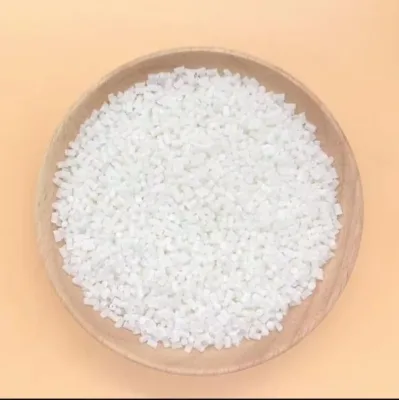


High-Quality Transparent PC Polycarbonate Granules for Plastic Production
$1850.00 - $2500.00
MOQ: 1 Tons


Comprehensive Sourcing Guide
Strategic Sourcing Guide for Polycarbonate Granules
Navigating the global market for polycarbonate (PC) granules requires a disciplined approach that balances technical performance with supply chain reliability. For procurement professionals, the distinction between virgin and recycled materials, along with specific processing grades, defines the viability of a supplier partnership. The current market landscape presents a diverse array of options, ranging from standard engineering plastics to specialty formulations designed for specific degradation profiles. Buyers must rigorously evaluate product attributes against their manufacturing requirements, as the granule form factor dictates handling, storage, and downstream processing efficiency. This guide outlines the critical dimensions of sourcing Polycarbonate Granules, grounded in observed market data and technical realities.
Technical Specifications and Material Variants
The foundation of any successful procurement strategy lies in understanding the precise technical specifications of the granules. Polycarbonate is renowned for its high impact resistance and optical clarity, but these properties vary significantly based on the material's origin and processing history. The market offers both virgin and recycled options, each serving distinct application needs. Virgin granules typically provide consistent mechanical properties, while recycled variants, often labeled as "recycled PC," offer a cost-effective solution for applications where optical clarity is secondary to structural integrity.
Processing methods are a primary differentiator among available grades. Injection molding is a dominant processing method for PC granules, suitable for complex geometries and high-volume production. However, extrusion is also a critical forming method, particularly for profiles, sheets, and films. Buyers must verify the "Plastic Forming Method" attribute of the specific lot, as a granule optimized for injection molding may not flow correctly in an extrusion line. Furthermore, the physical appearance of the granules is a key identifier. Standard offerings include black and white colorations, with some suppliers providing customized appearances to match specific branding or functional requirements.
Density is another critical parameter. Observed data indicates a density of approximately 1.04 g/cm³ for certain PC grades, a figure that influences the weight-to-volume ratio of the final product and the calculation of material costs per unit. The granule size itself is often standardized, with some specifications describing a "granule of soybean size," which ensures uniform feeding into automated machinery. Additionally, the material's response to heat is paramount; PC is a thermoplastic, meaning it softens upon heating and hardens upon cooling, a cycle that can be repeated. This property allows for recycling but also necessitates precise temperature control during processing to prevent thermal degradation.
Compliance, Certification, and Documentation
In the B2B procurement of engineering plastics, documentation serves as the primary evidence of quality and compliance. Suppliers must provide a comprehensive set of documents to validate the material's suitability for regulated industries. The Certificate of Analysis (COA) is a standard requirement, offering a snapshot of the material's chemical and physical properties against the supplier's specifications. Beyond the COA, the Technical Data Sheet (TDS) provides detailed processing guidelines, while the Material Safety Data Sheet (MSDS) outlines handling and safety protocols.
Certification status varies by supplier and region. Some granules are verified by third-party agencies such as SGS, which provides an independent assessment of the material's composition and safety. Other suppliers may reference internal standards or specific product codes like "LXTY1609" or "HFD1810" to denote specific formulations. It is crucial for buyers to verify that the certification documents match the specific product model being ordered, as a single supplier may offer multiple grades with different compliance profiles.
Environmental compliance is increasingly important. Certain PC granules are marketed with features such as "Hydrolytic Degradable" or "Photodegradable," indicating specific breakdown characteristics under environmental stress. While these features are valuable for sustainability initiatives, they require careful verification to ensure they do not compromise the material's performance during its intended service life. Buyers should also be aware of regional standards, such as those originating from China Mainland or Korea, as the place of origin can influence the regulatory framework under which the product was manufactured.
Cost Drivers and Pricing Dynamics
The pricing of Polycarbonate Granules is influenced by a complex interplay of raw material costs, processing complexity, and supply chain logistics. The observed price range in the market is extensive, spanning from $1.45 to $4,000 per unit, reflecting the vast difference between commodity grades and high-performance specialty resins. Several factors drive these costs. First, the distinction between virgin and recycled material is a primary cost determinant. Virgin PC generally commands a higher price due to the purity and consistency of the polymer chains, whereas recycled PC offers a lower entry point for cost-sensitive applications.
Minimum Order Quantity (MOQ) is another significant cost driver. The market exhibits a wide MOQ range, from 1 kg for small-batch testing or prototyping to 10,000 kg or even 15 tons for industrial-scale contracts. Suppliers offering low MOQs, such as 1 kg, often charge a premium per kilogram to cover handling and administrative overhead. Conversely, bulk buyers can leverage economies of scale, often negotiating "Factory Price" terms that significantly reduce the unit cost. However, large orders require careful inventory management, as the standard packaging is typically 25 kg per bag, with palletization often set at 40 bags per pallet.
Lead times also impact the total cost of ownership. While some suppliers offer delivery within 15 days after receiving a deposit, others may have longer cycles depending on production schedules and raw material availability. Buyers must factor in these lead times when planning production schedules to avoid stockouts. Additionally, the specific grade of the granule, such as "PC extrusion grade" or "Injection Molding Grade," affects pricing, as specialized formulations require more rigorous quality control and potentially more expensive additives.
Typical Applications and Performance Requirements
Polycarbonate Granules are utilized across a broad spectrum of industries due to their unique combination of strength, transparency, and thermal stability. In the realm of general plastics, PC is used for consumer goods, packaging, and automotive components where impact resistance is critical. Engineering plastics applications often demand higher performance, such as in electrical enclosures, medical devices, and automotive lighting, where the material must withstand harsh environments and maintain dimensional stability.
The specific application dictates the required grade. For injection molding, the granule must exhibit excellent flow properties to fill complex molds without defects. This is common in the production of automotive parts, electronic housings, and medical components. Extrusion applications, on the other hand, require granules that can be processed into continuous profiles, such as sheets for glazing or films for protective coverings. The "Plastic Forming Method" attribute is essential here; a mismatch between the granule's design and the intended process can lead to production failures.
Specialty applications may require granules with specific features, such as hydrolytic or photodegradability. These materials are often used in agricultural films or packaging designed to break down under specific environmental conditions. However, buyers must ensure that these features do not inadvertently compromise the material's performance during its intended use. The "Usage" attribute, which categorizes the material as General, Engineering, or Specialty Plastics, provides a high-level guide to its intended application domain.
Supplier Evaluation and Quality Assurance
Selecting the right supplier is as critical as selecting the right material. Buyers should evaluate suppliers based on their ability to provide consistent quality, reliable documentation, and responsive customer service. The place of origin, whether China Mainland, Hebei, or Korea, can offer insights into the supplier's manufacturing capabilities and regulatory environment. However, geographic location should not be the sole determinant; the supplier's track record and quality control processes are paramount.
Quality assurance begins with the verification of the product model and specifications. Buyers should cross-reference the ordered model, such as "A1227" or "LUPOY GP1006FM," with the provided COA and TDS to ensure the material matches the required technical parameters. The presence of a "COA" standard or "SGS" certification is a positive indicator, but buyers must verify that these certifications are current and applicable to the specific batch.
Packaging is another area of focus. Standard packaging involves 25 kg bags, often palletized at 40 bags per pallet. Buyers should inspect the packaging for signs of damage or moisture ingress, as PC is sensitive to hydrolysis. The "Appearance" attribute, which may be listed as "Customised," should be verified against the physical sample to ensure the color and texture meet expectations. Finally, the supplier's ability to meet delivery timelines, such as the "Within 15 days" lead time, is a key performance indicator of their operational efficiency.
Long-Term Procurement Considerations
Sourcing Polycarbonate Granules is not a one-time transaction but a long-term strategic partnership. Buyers must consider the stability of the supply chain, the potential for price fluctuations, and the availability of alternative grades. The market for PC is dynamic, with raw material prices and regulatory requirements constantly evolving. Establishing a relationship with a supplier who can provide consistent quality and flexible terms is essential for mitigating these risks.
Sustainability is a growing consideration in long-term procurement. The availability of recycled PC and granules with degradable features offers opportunities for companies to meet their environmental goals. However, buyers must balance these sustainability initiatives with performance requirements. A material that degrades too quickly may fail in its application, while one that is too durable may not meet end-of-life recycling targets.
Finally, buyers should maintain a robust inventory management strategy. Given the wide range of MOQs and the potential for long lead times, maintaining a safety stock of critical grades is prudent. The standard 25 kg bag packaging facilitates storage, but buyers must ensure proper environmental conditions to prevent moisture absorption, which can degrade the material before processing. By focusing on these long-term factors, buyers can build a resilient supply chain that supports their manufacturing needs while adapting to market changes.
Summary of Key Procurement Parameters
To facilitate quick decision-making, the following table summarizes the critical parameters observed in the polycarbonate granule market. This data serves as a reference for buyers to compare potential suppliers and validate their procurement strategies.
| Parameter | Observed Range / Standard | Notes for Verification |
|---|---|---|
| Material Type | Virgin / Recycled | Verify purity and mechanical properties. |
| Processing Method | Injection Molding / Extrusion | Match to production line capabilities. |
| Density | ~1.04 g/cm³ | Confirm for weight calculations. |
| MOQ | 1 kg to 15 Tons | Negotiate based on volume needs. |
| Packaging | 25 kg/Bag (40 bags/pallet) | Check for moisture protection. |
| Lead Time | Within 15 days (after deposit) | Confirm current production schedule. |
| Certifications | COA, SGS, TDS, MSDS | Ensure documents match specific batch. |
| Origin | China Mainland, Korea | Verify regulatory compliance for region. |
| Color | Black, White, Customised | Inspect physical sample for accuracy. |
| Price Range | $1.45 - $4,000 | Correlate with grade and volume. |
By adhering to these guidelines and rigorously verifying the provided data, procurement professionals can navigate the complexities of the polycarbonate granule market with confidence. The key lies in aligning technical specifications with operational needs while maintaining a vigilant approach to quality and compliance.
FAQs
What processing methods are available for Polycarbonate Granules?
Polycarbonate Granules are available for injection molding and extrusion processes. Some specific grades are optimized for film pressure forming. Buyers must verify the forming method matches their production line requirements before ordering.
Can I find recycled Polycarbonate Granules with specific certifications?
Yes, recycled PC granules are available with certifications such as COA and SGS. These documents validate the material properties and safety standards. Ensure the certification matches the specific product model like A1227 or LUPOY GP1006FM.
What is the minimum order quantity for Polycarbonate Granules?
Minimum order quantities range from 1 kg for small batches to 15 tons for industrial contracts. Suppliers often offer factory pricing for larger volumes. Packaging is typically 25 kg per bag, with 40 bags per pallet.
How long is the delivery time for Polycarbonate Granules?
Delivery time is typically within 15 days after receiving the deposit. This lead time applies to standard orders from suppliers in China Mainland. Customized appearances or specific grades may require additional verification before shipment.
Which colors are available for Polycarbonate Granules?
Standard colors include black and white, with customized appearances also available. The material density is approximately 1.04 g/cm³ regardless of color. Buyers should request samples to confirm the specific shade matches their branding needs.
What are the key features of degradable Polycarbonate Granules?
Some Polycarbonate Granules feature hydrolytic or photodegradable properties for specific environmental applications. These features allow the material to break down under certain conditions. Verify that these features do not compromise performance during the intended service life.