Source Poplin Cadet Hat for Outdoor, Work, and Casual Use
Compare 30 Poplin Cadet Hat options from Chinese manufacturers featuring adjustable sizes, polyester or cotton materials, and customizable logos. Buyers can evaluate specs like waterproofing, brim styles, and packing details for outdoor, work, and casual applications.
Key considerations
Products List


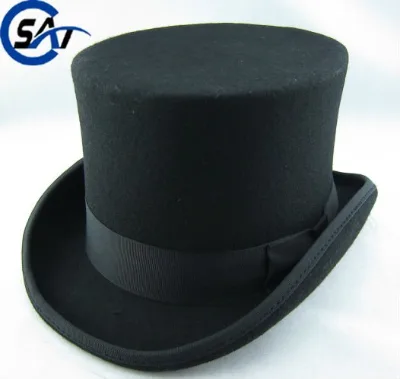
Factory Polyester Cotton Outdoor Security Training Flat Top Cadet Hat Cap
$2.59 - $2.99
MOQ: 100 Pieces




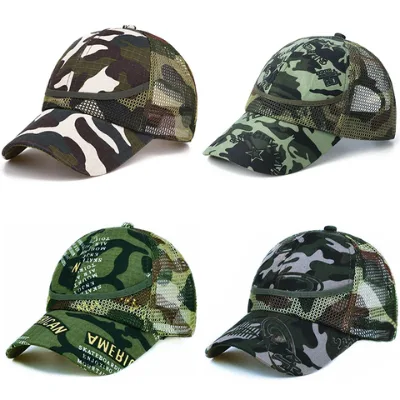
6 Pieces Style Hat Cadet Cap Fitted Basic Hat Vintage Cap Adjustable Hat
$4.90 - $6.90
MOQ: 100 Pieces



Comprehensive Sourcing Guide
Strategic Sourcing Guide for Poplin Cadet Hats
Understanding Product Specifications and Material Variations
When sourcing poplin cadet hats, buyers must first navigate a landscape of diverse technical specifications that often vary between individual supplier listings rather than adhering to a single universal standard. The core product category encompasses headwear designed for adults, typically featuring a structured brim and a rounded crown. In the current market data, the material composition is a primary differentiator. While poplin is a specific weave often associated with cotton, the observed product attributes reveal a significant mix of materials. Listings indicate the use of 100% Cotton, Polyester, and Polyester/Cotton blends. This variation is critical for procurement decisions, as the material dictates the hat's breathability, durability, and suitability for specific environments.
The sizing specifications further complicate the sourcing process. Data points show a range of head circumference measurements, with specific listings citing sizes between 51-55cm and others extending to 56-60cm. Some suppliers offer "OEM" sizing, allowing for custom dimensions, while others adhere to standard ranges like 50, 52, and 54. The brim size is also noted as an OEM variable, suggesting that the visual profile and sun protection capabilities can be customized. Buyers should verify the exact head circumference requirements for their target demographic before finalizing orders, as a mismatch in the 51-55cm versus 56-60cm range can lead to fit issues.
Construction details are equally varied. The adjuster mechanism is a key functional component, with observed options including plastic buckles or Velcro tape. This choice impacts the ease of use and the aesthetic finish of the garment. Additionally, the fabric weight and thickness are described as "Normal" in most listings, though specific thickness dimensions such as 20205 or 25255 appear in some technical sheets. These numerical values likely refer to fabric density or specific packaging dimensions rather than fabric thickness, requiring clarification with the supplier. The "Poplin" designation in the keyword suggests a plain weave fabric, but the actual material listed as "Polyester" or "Cotton" must be confirmed to ensure the fabric matches the intended performance profile, such as wear resistance or comfort.
Compliance, Certification, and Standard Verification
Navigating the compliance landscape for poplin cadet hats requires a rigorous approach to verifying standards, as the supply chain data presents a fragmented view of certifications. The provided information includes references to specific product standards, such as "50, 52, 54" and dimensional standards like "20205" or "563739". These are likely internal or regional sizing standards rather than international safety certifications. A critical observation is the mention of "EN1384" in the low-confidence background data. This standard typically relates to protective equipment, but due to its classification as low-confidence and the lack of explicit confirmation in the high-confidence product facts, buyers cannot assume that any listed product automatically meets EN1384 requirements.
Buyers must treat all certification claims as observations to be verified rather than guaranteed attributes. The product origin is consistently listed as China, which necessitates a thorough due diligence process regarding import regulations, labor standards, and environmental compliance in the destination market. While some listings mention "Antistatic" or "Dust-Proof" attributes, these are functional claims that require independent testing to validate against industry norms. There is no explicit mention of ISO certifications, Oeko-Tex standards, or specific fire-retardant ratings in the high-confidence data. Consequently, procurement teams should not rely on the absence of negative claims to infer safety; instead, they must request specific test reports from the supplier.
The customization aspect is a significant factor in compliance. Many listings indicate that logos and patterns are "Customized" or "Embroidered." This introduces a layer of complexity regarding intellectual property and trademark compliance. If a buyer intends to place a specific logo on the hat, they must ensure the supplier has the legal right to reproduce that design and that the production process does not violate any local or international IP laws. Furthermore, the "Disposable" attribute appears in some listings, while others specify "Non-Disposable." This distinction is vital for compliance with waste management regulations in the buyer's region. If the product is marketed as durable or reusable, the "Disposable" label in a supplier's catalog would be a red flag indicating a mismatch in product lifecycle expectations.
Cost Drivers and Pricing Structure Analysis
The pricing structure for poplin cadet hats is influenced by a complex interplay of material costs, customization levels, and order volume. The observed price range in the market spans from $0.30 to $9.96 USD. This wide disparity suggests that the unit cost is not solely determined by the base product but is heavily dependent on the specific configuration selected by the buyer. The lower end of the price spectrum likely corresponds to standard, non-customized items with basic materials like polyester or cotton blends, produced at high volumes. Conversely, the higher price points are likely driven by premium materials, such as 100% cotton with specific finishes, or extensive customization involving complex embroidery, custom brim sizes, and unique colorways like the observed "Brown" or "Striped" patterns.
Order Volume (MOQ) is a primary driver of unit cost. The observed MOQ range is between 50 and 1000 units. Suppliers with lower MOQs, such as 50 units, often charge a premium per unit to cover the setup costs of small production runs. In contrast, buyers ordering at the 1000-unit threshold can typically negotiate lower per-unit prices, aligning with the lower end of the observed price range. The packaging method also impacts cost. Listings mention "J Hook" packing, "Carton" packing, and specific counts like "200PCS" per carton or "1 Poly Bag 20 Carton." The complexity of the packaging, including the use of individual poly bags versus bulk cartons, adds to the overall logistics cost.
Material composition is another significant cost factor. While 100% cotton is often perceived as a premium material, the market data shows it alongside polyester. The choice between a pure cotton poplin and a polyester blend will affect the final price, as cotton generally commands a higher raw material cost. Additionally, the "Feature" attributes such as "Waterproof," "Rip-Stop," and "Cold-proof" imply additional processing or coating steps, which increase the manufacturing cost. Buyers should be aware that a product claiming "Waterproof" capabilities will likely be priced higher than a standard "Comfortable" hat. The "Function" attributes, including "Wearproof" and "Camouflage," also suggest specialized dyeing or printing processes that contribute to the final price point.
Typical Applications and Functional Performance
Poplin cadet hats serve a versatile range of applications, driven by their functional attributes and seasonal adaptability. The observed usage categories include "Outdoor" and "Outdoor Usage," indicating suitability for activities ranging from casual wear to field operations. The "Season" attributes list Winter, Summer, and Spring/Autumn, suggesting that the product is designed for year-round use. This versatility is supported by functional claims such as "Cold-proof" and "Comfortable," which are essential for hats intended for varying weather conditions. The "Camouflage" pattern theme and "Striped" style options further expand the application scope to include tactical, military, or recreational outdoor activities where blending into the environment or adhering to specific uniform codes is required.
The material properties play a crucial role in determining the hat's performance in these applications. The "Rip-Stop" feature is particularly relevant for outdoor and tactical use, as it prevents small tears from spreading, enhancing the durability of the garment. The "Waterproof" attribute, if verified, would make the hat suitable for wet weather conditions, while the "Dust-Proof" claim suggests utility in dusty environments. The "Antistatic" property is another functional aspect that may be critical for specific industrial or electronic handling environments, although this requires verification against the specific needs of the buyer's industry.
The "Adjuster" mechanism, whether plastic or Velcro tape, ensures a secure fit during active use. This is essential for outdoor activities where movement is frequent. The "Brim" size, often customizable, allows for varying degrees of sun protection, which is a key consideration for summer usage. The "Pattern" options, including "Graphical" and "Embroidered," allow for branding or aesthetic customization, making these hats suitable for corporate events, team uniforms, or promotional campaigns. The "Gender" classification as "Unisex" and "Age Group" as "Adults" confirms that the product is designed for a broad demographic, making it a flexible choice for various organizational needs.
Supplier Evaluation and Production Capabilities
Evaluating suppliers for poplin cadet hats requires a focus on their ability to handle customization and maintain consistent quality across varying material specifications. The data indicates that "Customization" is available, with options for "Customized" logos and specific "OEM" sizes. This suggests that many suppliers are equipped to handle bespoke orders, but the extent of this capability varies. Buyers should assess the supplier's technical capacity to manage different material blends, such as 100% Cotton versus Polyester/Cotton, and ensure they can maintain the structural integrity of the "Poplin" weave.
The "Packing" and "Carton Size" specifications provide insight into the supplier's logistics capabilities. With carton sizes like "60X42X38cm" and "563739", suppliers demonstrate an understanding of efficient shipping and storage. However, the variation in packing rates, such as "200PCS" per carton or "1 Poly Bag 20 Carton," indicates that packaging standards are not uniform. Buyers must clarify the packing requirements to avoid discrepancies in shipping costs and inventory management. The "prod_model" identifiers, such as "ee6e114", "g54g", "HT-003", and "HT-004", suggest that suppliers have a structured product catalog, which can be a positive indicator of organizational maturity.
Supplier reliability is further gauged by their adherence to the "Standard" and "Specification" fields. While some listings provide detailed dimensions, others rely on generic terms like "Regular" or "Fit." This inconsistency highlights the need for buyers to request detailed technical drawings or samples before placing an order. The "Origin" being consistently "China" means that buyers must consider the logistics of international shipping, including potential delays and customs clearance. Evaluating the supplier's lead time and communication responsiveness is essential, as the lack of explicit lead time data in the provided facts necessitates direct inquiry to ensure timely delivery.
Quality Control and Long-Term Procurement Considerations
Implementing a robust quality control (QC) strategy is paramount when sourcing poplin cadet hats, given the variability in material and construction observed in the market. The "Thickness" is listed as "Normal," but without specific numerical data, buyers should establish their own thickness tolerances. QC protocols should include visual inspections for defects in the "Embroidered" patterns and "Graphical" themes, as well as checks for the integrity of the "Adjuster" mechanisms. The "Waterproof" and "Rip-Stop" features require specific testing to verify their efficacy, as these are performance claims that cannot be assumed based on the product listing alone.
Long-term procurement considerations involve building a sustainable relationship with suppliers who can consistently meet quality standards. The "Customization" aspect implies a need for ongoing communication to ensure that design changes or branding updates are executed correctly. Buyers should establish clear acceptance criteria for the "Color" (e.g., "Brown") and "Pattern" to minimize the risk of color mismatches or design errors. The "Disposable" versus "Non-Disposable" distinction also requires long-term planning, particularly if the buyer intends to market the product as eco-friendly or durable.
Sustainability and ethical sourcing are increasingly important in the B2B landscape. While the provided data does not explicitly mention sustainability certifications, buyers should inquire about the environmental impact of the "Polyester" and "Cotton" sourcing. The "OEM" nature of the product suggests that the buyer may have significant influence over the supply chain, providing an opportunity to enforce ethical labor practices and environmental standards. Regular audits and third-party testing should be incorporated into the procurement strategy to ensure that the products continue to meet the required standards over time.
Comparative Analysis of Product Attributes
To facilitate informed decision-making, the following table summarizes the key attributes observed in the market data, highlighting the variations that buyers must navigate.
| Attribute Category | Observed Variations | Procurement Implication |
|---|---|---|
| Material | 100% Cotton, Polyester, Polyester/Cotton | Verify material blend for intended use (e.g., breathability vs. durability). |
| Size | 51-55cm, 56-60cm, OEM, 50/52/54 | Confirm head circumference requirements; avoid generic "Regular" sizing. |
| Brim | With Brim, OEM Size | Custom brim size affects sun protection and aesthetic profile. |
| Adjuster | Plastic, Velcro Tape | Select based on ease of use and durability requirements. |
| Function | Wearproof, Comfortable, Cold-proof, Camouflage | Match functions to specific application environments (e.g., outdoor, tactical). |
| Packing | J Hook, Carton, 1 Poly Bag 20 Carton | Clarify packing standards to optimize shipping and storage costs. |
| Customization | Logo, Pattern, Color (Brown, Striped) | Ensure supplier can handle specific branding and design requests. |
| Standard | 50, 52, 54, 20205, 563739 | Verify if these are sizing, fabric, or packaging standards; do not assume safety compliance. |
This comparative analysis underscores the necessity of detailed specification verification. The wide range of attributes indicates that "Poplin Cadet Hat" is a broad category with significant customization potential. Buyers must engage in thorough due diligence to ensure that the selected product aligns with their specific operational needs, quality expectations, and budget constraints. By focusing on these critical variables, procurement teams can mitigate risks and secure a supply chain that delivers consistent value.
FAQs
What materials are used for poplin cadet hats?
Poplin cadet hats are made from 100% Cotton, Polyester, or Polyester/Cotton blends. Buyers must verify the specific material composition in each listing as options vary between suppliers to ensure the desired durability and breathability.
How is the size of a Poplin Cadet Hat determined?
Sizes typically range from 51-55cm and 56-60cm, with some options offering OEM sizing. Buyers should confirm the exact head circumference requirements before ordering to avoid fit issues between standard and custom dimensions.
Can I customize the logo on these hats?
Yes, customization is available for logos and patterns, often through embroidery. Buyers must ensure the supplier has the legal right to reproduce specific designs and verify the customization process before finalizing the order.
What is the typical MOQ for ordering these hats?
The minimum order quantity ranges from 50 to 1000 units depending on the supplier. Lower MOQs often incur higher per-unit costs, while larger orders may qualify for better pricing tiers within the observed market range.
Where are these poplin cadet hats manufactured?
The product origin is consistently listed as China for the observed listings. Buyers should account for international shipping logistics and import regulations when sourcing from this specific geographic location.
Do these hats feature waterproof or rip-stop properties?
Some listings specify features like Waterproof and Rip-Stop for outdoor durability. These claims require independent verification against industry norms as they are functional attributes that vary by specific product model and material treatment.