Source Poplar Wood Electric Guitar for Beginners, Bands, and Studios
Compare 30 listings for Poplar Wood Electric Guitar featuring active pickups, maple necks, and walnut or basswood bodies. Buyers can evaluate specifications like scale length, fret count, and customization options from verified Chinese manufacturers.
Key considerations
Products List
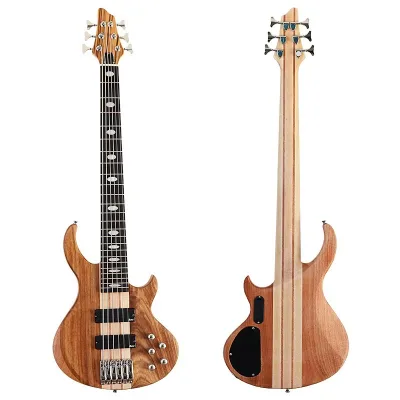
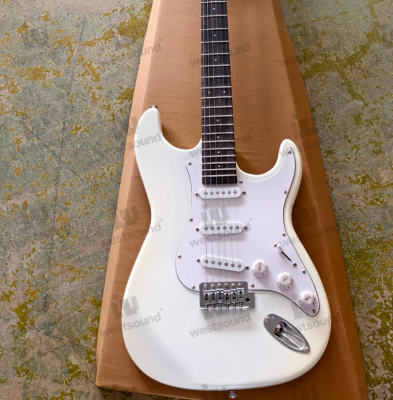


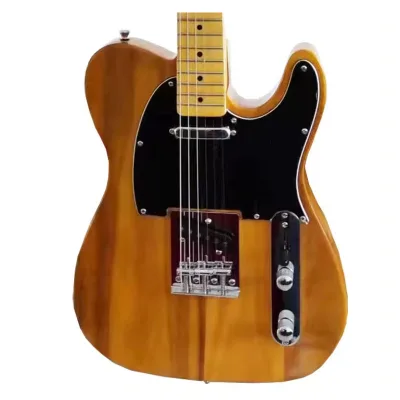
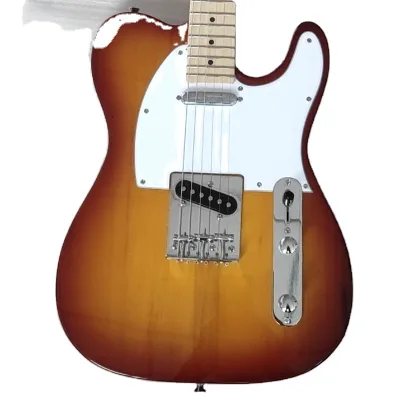
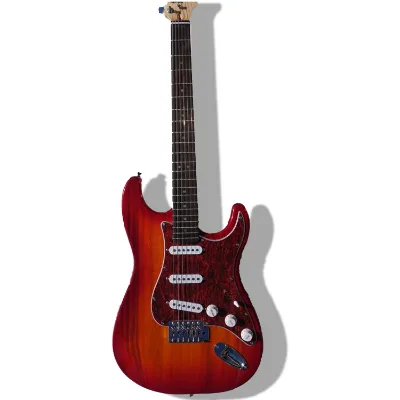
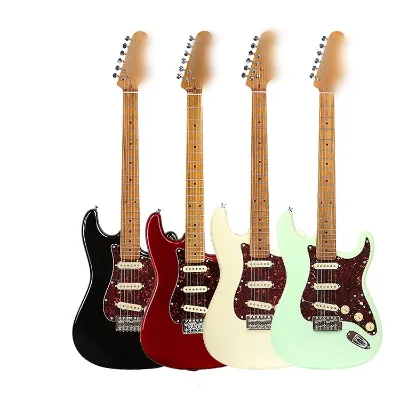
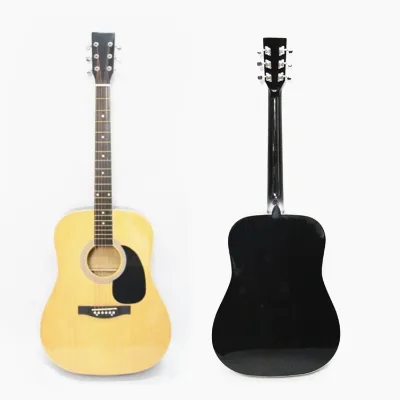

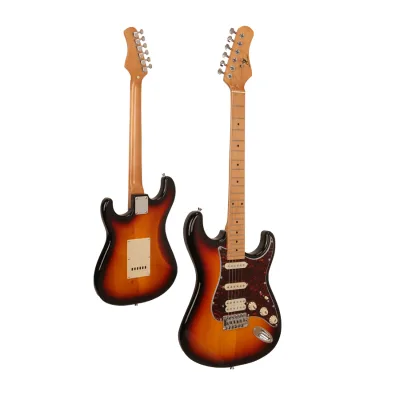




Comprehensive Sourcing Guide
Strategic Sourcing Guide for Poplar Wood Electric Guitars in the B2B Market
Understanding Material Variations and Product Definitions
When sourcing electric guitars under the core keyword "Poplar Wood Electric Guitar," buyers must first navigate the discrepancy between the specific material requested and the actual inventory data available in the current market. The provided product facts indicate a diverse range of body materials, including Walnut, Basswood, and Technology wood, but do not explicitly list "Poplar" as a primary body material in the immediate dataset. However, in the broader context of musical instrument manufacturing, poplar is frequently utilized as a cost-effective alternative to walnut or mahogany, often treated with technology wood finishes to mimic the grain or enhance structural stability. The observed product attributes show that the "Body Material" varies significantly across listings, ranging from Basswood to Walnut, suggesting that suppliers may use poplar under different trade names or as a core component within a "Technology wood" composite structure.
The product specifications reveal that the "Fingerboard Material" is listed as both "Technology wood" and "Rosewood," while the "Neck Material" is consistently identified as Maple. This combination suggests a construction method where the neck provides structural rigidity (Maple) while the body material varies to influence tonal characteristics and weight. Buyers seeking poplar bodies should verify if the "Technology wood" designation in the supplier's catalog includes poplar cores, as this is a common industry practice for budget-friendly instruments. The "Finishing type" is observed as "Matte," which is a critical aesthetic and tactile detail for buyers targeting the "Beginner" and "Music lovers" segments. The matte finish not only reduces glare but also often implies a specific application of lacquer or oil that may differ from high-gloss finishes found on premium instruments.
Furthermore, the "Type" attribute in the data includes both "Electric guitar" and "BASS GUITAR," indicating that the supply chain serves multiple instrument categories. While the core keyword focuses on electric guitars, the presence of bass guitars in the same dataset suggests that suppliers often share production lines for body construction. The "Body Structure" is confirmed as "Solid," which is a standard requirement for electric guitars to ensure sustain and reduce feedback. Buyers must be aware that the "Scale" length varies, with observed values of 648mm and 629mm, which directly impacts playability and string tension. These variations mean that a "Poplar Wood Electric Guitar" sourced from this market may come in different scale lengths, requiring careful specification alignment with the target demographic.
Technical Specifications and Construction Standards
The technical architecture of the guitars available in this sourcing pool is defined by specific, observable parameters that dictate their performance and suitability for different market segments. The "Number Of Strings" is listed as both 6 and 5, indicating that the supply includes standard six-string electric guitars as well as five-string bass guitars, which are often categorized under the same "Kind: Guitar" but serve distinct musical functions. The "Fret" count is standardized at 24 Pin, a common configuration for modern electric guitars that allows for extended range playability without compromising neck stability. The "Tuning Peg Type" is specified as "fully enclosed," a feature that enhances tuning stability and protects the tuning mechanism from dust and debris, a crucial consideration for instruments used in professional or semi-professional settings.
The "Single package size" is recorded as 128x48x15 cm, and the "Single gross weight" is 6.500 kg. These dimensions and weight figures are essential for logistics planning and shipping cost calculations. A weight of 6.5 kg suggests a solid-body construction that is neither excessively heavy nor overly light, balancing comfort for the player with the density required for good resonance. The "prod_model" identifiers, such as S-1031, FG-405, and CMAG-120C-41, serve as unique identifiers for specific configurations. These model numbers often correlate with specific body shapes, pickup configurations, and hardware setups. For instance, the "Pickup" attribute lists "Active Pickup," which implies the inclusion of onboard preamps and battery compartments, a feature distinct from passive systems and often preferred for high-gain applications.
The "Scale" length is a critical technical specification that varies between 629mm and 648mm in the observed data. This variation affects the string tension and the overall feel of the instrument. A scale of 648mm is closer to the standard Fender scale length, while 629mm is slightly shorter, potentially offering a looser feel. Buyers must verify the exact scale length for their specific order, as this impacts the availability of replacement strings and the compatibility with player preferences. The "Color" options include "6 Natural," "5 Natural," and "Multi," indicating that the finish may range from natural wood tones to multi-colored designs. The "Natural" finish is particularly relevant for poplar wood, as it allows the grain to be visible, though the "Technology wood" designation might imply a treated surface that alters the natural appearance.
Compliance, Certification, and Quality Assurance Protocols
Navigating the compliance landscape for electric guitar imports requires a rigorous verification of the standards and certifications listed in the product data. The observed "prod_standard" values include "SGS" and "CANEX." SGS is a globally recognized inspection, verification, testing, and certification company, and its presence in the product attributes suggests that the supplier adheres to certain international quality benchmarks. However, the data does not specify the exact nature of the SGS certification (e.g., material safety, chemical compliance, or general quality management). Buyers must request specific test reports to confirm that the "Wood" materials, including any potential poplar cores, meet the relevant safety standards for chemical emissions and heavy metals, particularly for instruments intended for children or sensitive users.
The "CANEX" standard is also listed, though its specific application to musical instruments is less universally defined than SGS. In the context of sourcing, this likely refers to a specific regional or industry-specific compliance protocol. Buyers should treat these certifications as indicators of a supplier's commitment to quality rather than absolute guarantees. The "OEM" and "Customization" attributes are marked as "Acceptable" and "Available," respectively, which implies that the supplier is willing to adapt the product to meet specific buyer requirements. However, the "Customized" attribute also appears as "Non-Customized" for certain models, indicating a mixed inventory of stock and made-to-order items. This duality requires clear communication to ensure that any custom specifications, such as specific wood types or hardware configurations, are explicitly documented in the purchase order.
Quality assurance extends beyond certifications to the physical inspection of the product. The "Back / Side Material" is listed as "Augman" and "Synthetic Fiber," which are unusual terms that may refer to specific composite materials or brand names for laminates. Buyers should verify the durability and acoustic properties of these materials, especially if the instrument is marketed as a high-performance electric guitar. The "Grade" attribute for the neck material is listed as "Maple," but without a specific grade designation (e.g., A-grade, B-grade), buyers should request samples to assess the wood quality for warping, grain consistency, and finish adhesion. The "prod_packing" is described as "Carton" or "6PCS Into a Master Carton," which suggests that the packaging is designed for bulk shipping. Ensuring that the packaging is robust enough to protect the instrument during transit is a critical quality control step, as electric guitars are sensitive to humidity and impact.
Cost Drivers and Pricing Dynamics in the Supply Chain
The pricing structure for electric guitars in this market is influenced by a complex interplay of material costs, labor, and logistical factors. The observed price range is between 30 and 381.75 USD, a significant spread that reflects the diversity of the product lineup. The lower end of the range likely corresponds to basic models with standard hardware and simpler finishes, while the higher end may include instruments with active pickups, premium wood selections, or more complex customization options. The "MOQ" (Minimum Order Quantity) ranges from 1 to 150, offering flexibility for buyers of all sizes, from small retailers to large distributors. This wide MOQ range suggests that the supplier is capable of handling both trial orders and bulk procurement, which can significantly impact the unit cost.
Material costs are a primary driver of the price variation. While the core keyword focuses on "poplar wood," the actual data shows a mix of "Walnut," "Basswood," and "Technology wood." Poplar is generally a more affordable wood compared to walnut or mahogany, which can help keep costs low. However, the use of "Active Pickup" systems and "fully enclosed" tuning pegs adds to the manufacturing cost. The "Single gross weight" of 6.500 kg also impacts shipping costs, as heavier items incur higher freight charges. Buyers should consider the total landed cost, including shipping, duties, and insurance, when evaluating the 30-381.75 USD price range.
The "Customization" availability is another cost factor. While customization is "Available," it often incurs additional fees for tooling, setup, and quality control. The "OEM" (Original Equipment Manufacturer) status is "Acceptable," meaning that buyers can have the product branded with their own logo, but this may require a higher MOQ or a setup fee. The "prod_model" variations, such as FG-405 and FG-428, may also carry different price points based on their specific features. Buyers should request detailed price lists that break down the cost of different models and customization options to make informed decisions. The "Selling Units" are listed as "Single item," which suggests that the supplier is willing to sell individual units, but bulk discounts may be available for larger orders.
Supplier Evaluation and Operational Due Diligence
Evaluating suppliers for electric guitar procurement requires a multi-faceted approach that goes beyond the basic product attributes. The "Place of Origin" is consistently listed as "Hunan, China" or simply "China," indicating a concentration of manufacturing in this region. Hunan is known for its woodworking and musical instrument industry, but buyers should verify the specific factory's capacity and reputation. The "Brand Name" is listed as "OEM," which means the supplier primarily produces for other brands rather than selling under their own name. This can be advantageous for buyers looking to create their own brand, but it also means the supplier may not have a strong consumer-facing reputation.
The "Application" attribute is listed as "Beginner, Music lovers," which suggests that the products are targeted at the entry-level and hobbyist markets. Buyers should assess whether the supplier has the capacity to scale production if demand increases. The "prod_standard" of "SGS" and "CANEX" provides a baseline for quality, but buyers should conduct their own due diligence by requesting third-party audit reports or visiting the factory if possible. The "Customization" and "OEM" capabilities should be verified through a detailed discussion of the supplier's production workflow, including lead times for custom orders and their ability to maintain consistency across batches.
The "prod_packing" details, such as "Carton" or "6PCS Into a Master Carton," indicate the supplier's experience in handling bulk shipments. Buyers should evaluate the supplier's logistics capabilities, including their ability to handle customs documentation and coordinate with freight forwarders. The "Single package size" of 128x48x15 cm is a standard dimension for guitar cases, but buyers should confirm that the packaging meets the specific requirements of their target market. The "Number Of Strings" and "Fret" specifications should be cross-referenced with the supplier's production records to ensure accuracy. Finally, the "Scale" length variations should be discussed to ensure that the supplier can meet the specific requirements of the buyer's target demographic.
Long-Term Procurement Strategy and Market Adaptability
Sourcing electric guitars is a long-term endeavor that requires strategic planning and adaptability to market changes. The observed product count of 30 and the wide price range suggest a dynamic market with various options. Buyers should focus on building a relationship with suppliers who can offer consistent quality and reliable lead times. The "Customization" and "OEM" options provide opportunities for differentiation, but buyers must ensure that these services are scalable and cost-effective. The "Application" to "Beginner, Music lovers" indicates a stable market segment, but buyers should also consider the potential for expansion into higher-end markets.
The "Material" variations, including "Walnut," "Basswood," and "Technology wood," highlight the importance of material sourcing. Buyers should monitor the availability and pricing of these materials, as fluctuations can impact the final cost of the instrument. The "Finishing type" of "Matte" is a popular choice, but buyers should stay informed about emerging trends in guitar finishes. The "Pickup" configuration of "Active Pickup" is a key feature for modern electric guitars, and buyers should ensure that the supplier can source high-quality pickups and preamps. The "Tuning Peg Type" of "fully enclosed" is a standard feature, but buyers should verify that the supplier can maintain this quality over time.
The "Scale" length and "Number Of Strings" are critical specifications that affect the instrument's playability and market appeal. Buyers should consider the preferences of their target demographic when selecting models. The "prod_model" identifiers, such as S-1031 and FG-405, should be used to track inventory and manage orders effectively. The "prod_standard" of "SGS" and "CANEX" should be monitored to ensure ongoing compliance with international standards. The "OEM" and "Customization" capabilities should be leveraged to create unique products that stand out in the market. Finally, the "Place of Origin" in "Hunan, China" should be considered in the context of geopolitical risks and supply chain resilience.
Comparative Analysis of Product Attributes
To facilitate a clearer understanding of the available options, the following table summarizes the key attributes observed in the product data. This comparison helps buyers identify the most suitable models for their specific needs.
| Attribute | Observed Values | Implications for Buyers |
|---|---|---|
| Body Material | Walnut, Basswood, Technology wood | Poplar may be included in "Technology wood"; verify specific wood type. |
| Neck Material | Maple | Consistent high-quality neck construction; standard for stability. |
| Fingerboard | Technology wood, Rosewood | Rosewood offers premium feel; Technology wood may be a cost alternative. |
| Pickup Type | Active Pickup | Requires battery; suitable for high-gain and modern styles. |
| Number of Strings | 6, 5 | 6-string for standard electric; 5-string for bass applications. |
| Scale Length | 629mm, 648mm | Affects string tension and playability; verify specific model. |
| Finish Type | Matte | Reduces glare; common for beginner and mid-range instruments. |
| Tuning Pegs | Fully enclosed | Enhances tuning stability; protects hardware from dust. |
| Certification | SGS, CANEX | Indicates compliance with international standards; verify specific reports. |
| Customization | Available, Non-Customized | Mixed inventory; confirm availability for specific orders. |
| MOQ | 1-150 | Flexible for small and large orders; impacts unit cost. |
| Price Range | 30-381.75 USD | Wide range reflects material and feature differences. |
This table provides a snapshot of the key variables that buyers must consider when sourcing electric guitars. The diversity in materials, specifications, and certifications underscores the need for careful evaluation and clear communication with suppliers. By leveraging this data, buyers can make informed decisions that align with their business goals and market requirements.
FAQs
What body materials are available for poplar wood electric guitars?
The observed inventory includes Walnut, Basswood, and Technology wood bodies rather than explicit poplar listings. Buyers should verify if Technology wood composites contain poplar cores, as this is common for budget instruments. The body structure is consistently solid to ensure sustain and reduce feedback.
Which certifications apply to these electric guitars?
Products in the dataset list SGS and CANEX as observed standards. SGS indicates adherence to international quality benchmarks, while CANEX likely refers to a regional protocol. Buyers must request specific test reports to confirm material safety and chemical compliance for all wood types.
Can I customize the finish and hardware on these guitars?
Customization is available for many models, allowing for specific wood types and hardware configurations. However, some models are marked as non-customized, so clear communication is required. OEM branding is acceptable, though it may involve setup fees or higher minimum order quantities.
What is the price range and minimum order quantity?
The observed price range spans from 30 to 381.75 USD depending on features like active pickups. Minimum order quantities vary from 1 to 150 units, offering flexibility for trial orders or bulk procurement. Total landed costs should include shipping, duties, and insurance for heavier units.
Where are these guitars manufactured and what is the lead time?
The place of origin is consistently Hunan, China, a known region for musical instrument manufacturing. While specific lead times are not listed in the facts, the location suggests established production lines. Buyers should verify factory capacity and reputation before placing large orders.
What scale lengths and string counts are offered?
Scale lengths observed include 648mm and 629mm, affecting string tension and playability. The instruments come in 6-string electric guitar and 5-string bass guitar configurations. Buyers must verify the exact scale length for their specific order to ensure compatibility with player preferences.