Source Portable Digital PH Meter with Automatic Temperature Compensation for Water Testing, Lab Analysis, and Biochemistry
Compare 30 Portable Digital PH Meter with Automatic Temperature Compensation options from verified suppliers. These devices feature digital displays, automatic calibration, and ranges up to 0-14 pH for applications in water testing, biochemistry, and medical research.
Key considerations
Products List


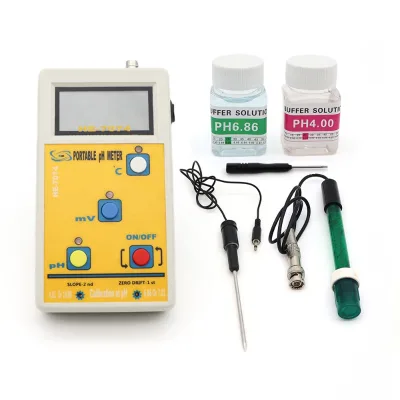


Comprehensive Sourcing Guide
Portable Digital PH Meter with Automatic Temperature Compensation Sourcing Guide
Sourcing portable digital pH meters with automatic temperature compensation (ATC) requires a disciplined approach to balancing measurement precision, environmental durability, and commercial viability. These instruments are critical for ensuring accurate acidity or alkalinity readings in diverse settings, from food analysis to biochemistry and medical research. The presence of ATC is a non-negotiable feature for high-fidelity data, as pH levels are inherently temperature-dependent; without compensation, readings can drift significantly, leading to flawed quality control or research outcomes. Buyers must navigate a market where specifications vary widely, ensuring that the selected device meets the specific resolution, range, and calibration needs of their operational environment.
The procurement process is further complicated by the diversity of product listings, which often mix portable handheld units with non-portable benchtop or industrial probes. While the core keyword emphasizes portability, observed market data indicates a broad spectrum of offerings, including devices with varying degrees of ruggedness, connectivity options, and material compositions. Effective sourcing involves filtering these signals to identify units that truly offer the mobility and ease of use required for field work or mobile laboratory applications. This guide provides a structured framework for evaluating these devices, focusing on technical verification, compliance, cost analysis, and supplier qualification to mitigate procurement risks.
Product Scope and Observed Listing Signals
The current market landscape for portable digital pH meters reveals a wide variance in product attributes, necessitating careful filtering to align with specific procurement needs. Observed listings indicate a price range from approximately $0.56 to $700 USD, reflecting a disparity between basic educational tools and high-precision industrial instruments. Similarly, the minimum order quantity (MOQ) ranges from 1 to 200 units, suggesting that suppliers cater to both individual researchers and large-scale industrial procurement. Buyers must recognize that low-cost options may lack critical features such as robust ATC or high-resolution displays, while premium models often include advanced connectivity and durable housing materials.
A critical observation in the current data is the inconsistency in portability claims. While the core requirement is for portable devices, some listings explicitly describe units as "Non Portable" or feature specifications more suited for fixed installations, such as IP68 protection levels and RS485 interfaces typical of industrial process control. Additionally, material compositions vary significantly, with some units constructed from ABS plastic for lightweight handling, while others utilize 316 stainless steel or POM for enhanced chemical resistance. Buyers must scrutinize product descriptions to ensure that the "portable" designation is not merely a marketing term but is supported by physical attributes like weight, dimensions, and battery-operated functionality.
Technical Specifications to Verify
Verification of technical specifications is paramount to ensuring the pH meter meets the required analytical performance. Key attributes to validate include the measurement range, resolution, and calibration method. Most standard portable units cover a pH range of 0-14, but buyers should confirm the resolution, with 0.01 pH being a common standard for general-purpose applications. Higher precision needs may require meters with finer resolution, although this often comes at a higher cost. The calibration process is another critical factor; three-point automatic calibration is a desirable feature that simplifies setup and ensures accuracy across the entire measurement spectrum, reducing the potential for user error during field operations.
Environmental operating conditions and physical dimensions must also be rigorously checked against the intended use case. The operating temperature range for many portable units is specified between 0ºC and 60ºC, which is suitable for most ambient laboratory and field conditions. However, if the meter is to be used in extreme environments, buyers must verify if the device can withstand higher or lower temperatures. Furthermore, the physical form factor, such as dimensions around 155x31x18 mm or similar compact sizes, impacts usability. Buyers should also consider the interface options; while many portable units rely on direct digital displays, some advanced models may offer RS485 (Modbus/RTU) interfaces for data logging, which is essential for integrated quality management systems.
Compliance and Safety Documentation
Compliance with international standards is essential for ensuring the safety and reliability of the purchased equipment. Certifications such as CE and RoHS are frequently cited in product listings, indicating adherence to European health, safety, and environmental protection standards. The CE mark confirms that the product meets EU safety, health, and environmental requirements, which is crucial for importation into many global markets. RoHS compliance ensures that the device is manufactured without certain hazardous materials, contributing to safer disposal and reduced environmental impact. Buyers should request valid certification documents from suppliers to verify that these marks are legitimate and not merely claimed without substantiation.
ISO standards also play a significant role in the quality assurance of analytical instruments. While specific ISO certifications may vary by manufacturer, the presence of ISO-related documentation suggests a commitment to standardized quality management processes. Buyers should inquire about the specific ISO standards applicable to the device, such as those related to manufacturing quality or calibration procedures. Additionally, material safety is a concern, particularly for devices used in food analysis or medical research. Verifying that materials like 316 stainless steel or POM are used appropriately ensures that the device will not contaminate samples or degrade under chemical exposure, thereby maintaining the integrity of the analytical results.
Cost Drivers and Commercial Terms
Understanding the factors that influence the cost of portable digital pH meters is vital for effective budgeting and negotiation. The primary cost drivers include the resolution of the display, the robustness of the housing material, and the inclusion of advanced features such as automatic temperature compensation and multi-point calibration. Devices with higher resolution and more durable materials, such as stainless steel probes, typically command higher prices. Additionally, the complexity of the calibration process and the availability of customization options can also impact the final cost. Buyers should assess whether these features are necessary for their specific applications to avoid overpaying for capabilities that may not be utilized.
Commercial terms, including MOQ and packaging, significantly affect the total cost of ownership. Low MOQs are advantageous for small-scale procurement but may result in higher per-unit costs. Conversely, bulk purchases can leverage economies of scale but require careful inventory management. Packaging is another consideration; carton packaging is common, but buyers should ensure that the packaging provides adequate protection during transit to prevent damage to sensitive electronic components. Lead times and payment terms should also be negotiated to align with procurement schedules and cash flow requirements. Clear communication regarding these terms can help avoid unexpected costs and delays in the supply chain.
Supplier Qualification and Quality Control
Supplier qualification is a critical step in mitigating procurement risks associated with electronic measurement devices. Buyers should prioritize suppliers with a proven track record in manufacturing or distributing analytical instruments. Verification of the supplier’s origin, such as Henan or Qingdao in China, can provide insights into the regional manufacturing capabilities and supply chain efficiency. However, geographic origin alone is not a guarantee of quality; buyers must conduct thorough due diligence to assess the supplier’s technical expertise, customer support capabilities, and after-sales service. Requesting references or case studies from previous clients can provide valuable insights into the supplier’s reliability and product performance.
Quality control measures implemented by the supplier are equally important to ensure consistent product quality. Buyers should inquire about the supplier’s quality management systems, including inspection protocols for incoming materials, in-process checks, and final product testing. Certifications such as CE and RoHS should be backed by rigorous internal testing procedures to ensure compliance. Additionally, buyers should verify the supplier’s ability to provide calibration certificates and technical documentation for each unit. Establishing a clear quality assurance agreement with the supplier can help ensure that the purchased pH meters meet the specified technical and compliance requirements, reducing the risk of defects or performance issues.
Long-Term Procurement Checks
Long-term procurement success depends on establishing robust checks and balances for ongoing supplier performance and product lifecycle management. Regular audits of supplier quality control processes and product consistency are essential to maintain high standards over time. Buyers should implement a system for tracking product performance in the field, including monitoring for drift, calibration frequency, and durability under actual operating conditions. This data can inform future procurement decisions and help identify potential issues with specific models or suppliers before they become widespread problems.
Furthermore, buyers should stay informed about advancements in pH meter technology and changes in regulatory requirements. The market for analytical instruments is dynamic, with new features and standards emerging regularly. Maintaining a relationship with suppliers who are committed to innovation and compliance can ensure access to the latest and most reliable products. Additionally, buyers should plan for the long-term availability of consumables, such as pH electrodes and calibration buffers, to ensure uninterrupted operation. By proactively managing these aspects, organizations can optimize their procurement strategy and ensure the continued accuracy and reliability of their pH measurement processes.
FAQs
What is the measuring range of the portable digital pH meter?
The measuring range covers 0 to 14 pH with a resolution of 0.01 pH. This device supports three-point automatic calibration to ensure accuracy across the full scale for various applications.
Can the portable digital pH meter operate in extreme temperatures?
Yes, the device functions within an operating temperature range of 0 to 60 degrees Celsius. This range ensures reliable performance in most standard laboratory and field environments without external cooling.
Which certifications do these portable digital pH meters hold?
Many models carry CE and RoHS certifications, while some also include ISO standards. These certifications indicate compliance with international safety and environmental requirements for electronic measuring instruments.
How is the portable digital pH meter packaged for shipping?
The units are typically packed in cartons or boxes designed for protection during transit. This packaging ensures the device arrives safely and is ready for immediate use upon delivery.
What is the resolution accuracy for pH measurements on this device?
The resolution is 0.01 pH, allowing for precise detection of small changes in acidity or alkalinity. This level of detail is essential for biochemistry and medical research applications requiring high precision.
Are customization options available for the portable digital pH meter?
Customization is available to meet specific buyer requirements for features or branding. Buyers can request tailored specifications to align the instrument with their unique operational needs or regulatory standards.