Source Portable Inflatable Bathtub for Bathe, Family Sports, and Home
Compare 30 Portable Inflatable Bathtub options from Chinese manufacturers. Buyers can evaluate PVC materials, heating rates, and smart pump features for adult and children use. These units offer easy installation, customized logos, and various sizes including round and free-standing designs suitable for home bathing and spa applications.
Updated
Key considerations
Products List
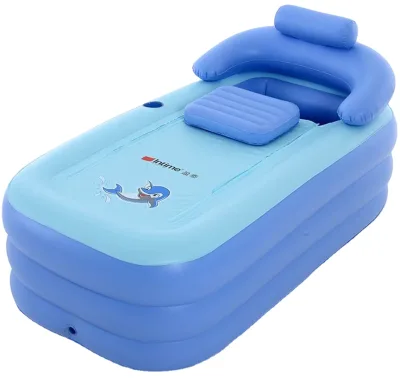
Portable Folding Inflatable Bathtub Massage Warm Travel Inflatable Bathtub
$16.90 - $17.50
MOQ: 300 pieces
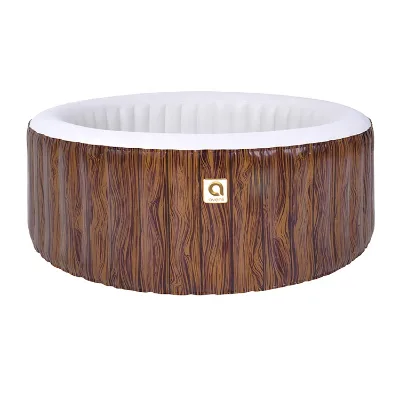
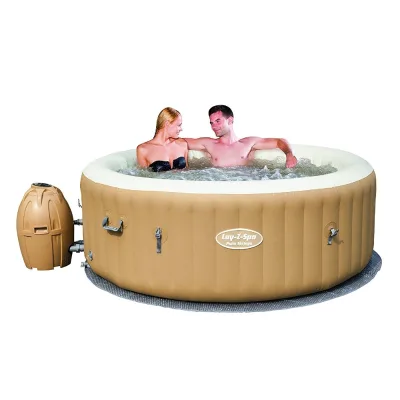
2019 Popular Wholesale High Quality Popular Round Bathtub Portable Bathtub for Adults
$342.70 - $399.80
MOQ: 10 Minimum
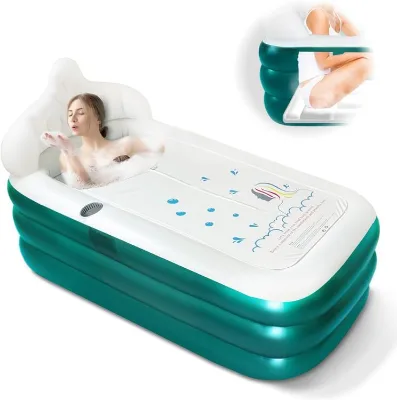

Portable Inflatable Bathtub for Adults Foldable Ice Bath Tub Adults Inflatable Tub
$20.43 - $22.29
MOQ: 500 Pieces

Inflatable Folding Portable Ice Bath for Adults SPA Bathtub Tube Inflatable Bathtub
$20.43 - $22.29
MOQ: 500 Pieces

Inflatable Bath Tub for Adults Portable Inflatable Bathtub SPA Blow up Bathtub
$20.43 - $22.29
MOQ: 500 Pieces

Portable Adults Tub with Cover Portable Inflatable Ice Bath Adults Inflatable Tub
$20.43 - $22.29
MOQ: 500 Pieces

Portable Folding Bathtub for Adults Foldable Blow up Bathtub Portable Inflatable Tub
$20.43 - $22.29
MOQ: 500 Pieces

Portable Blow up Tub Folding SPA Inflatable Tub for Adults Inflatable Bathtub
$20.43 - $22.29
MOQ: 500 Pieces
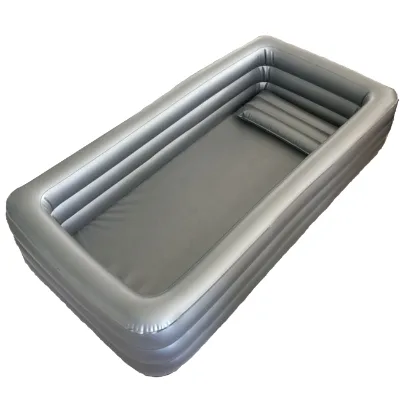
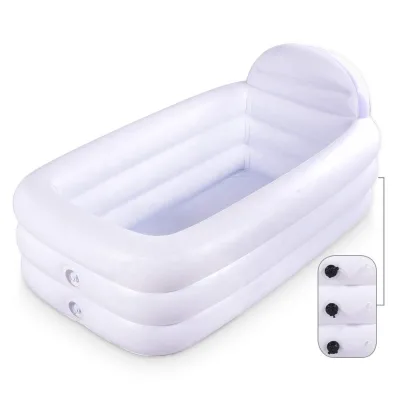
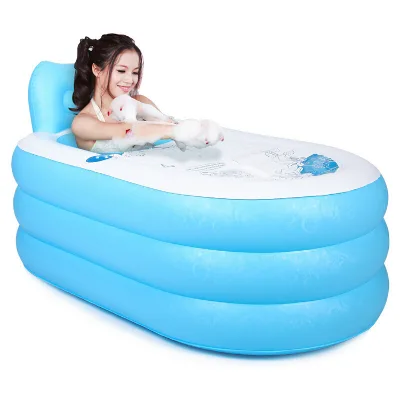
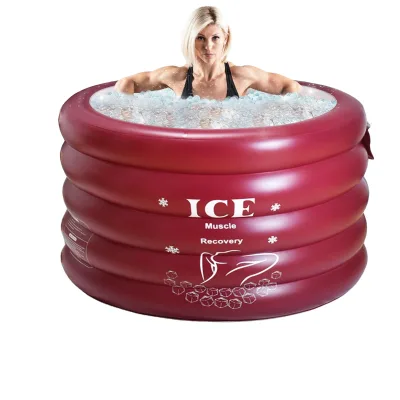
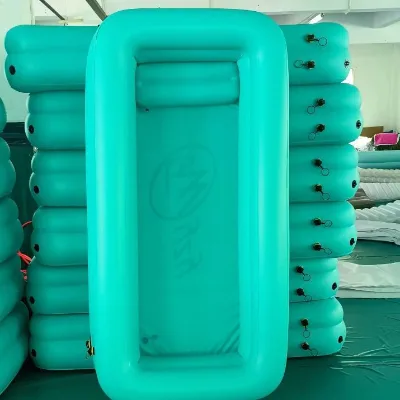


Inflatable Hot Tub Portable Outdoor SPA Bubble Massage Bathtub 3-4 Persons
$255.00 - $295.00
MOQ: 300 pc


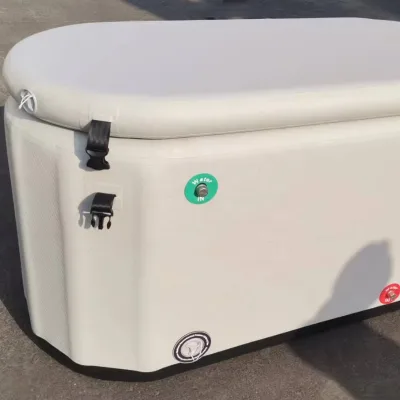
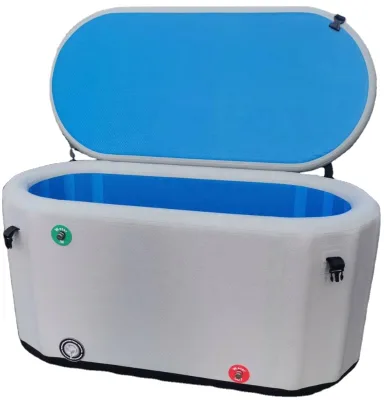
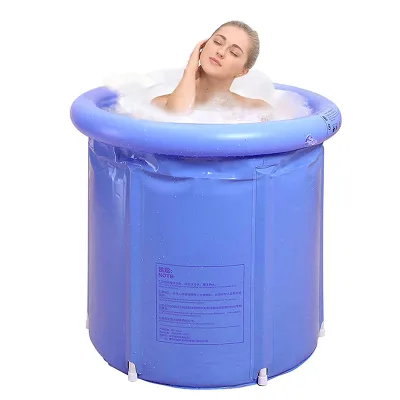
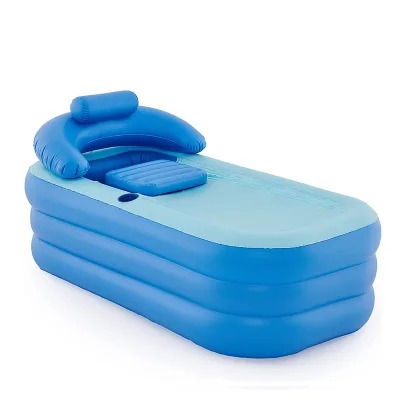


Comprehensive Sourcing Guide
Portable Inflatable Bathtub Sourcing Guide
Sourcing portable inflatable bathtubs requires a clear understanding of the diverse product landscape available from manufacturers, primarily located in China. Buyers must distinguish between basic bathing solutions and advanced spa systems, as the technical requirements and commercial terms vary significantly. The market offers products ranging from simple PVC tubs to complex units with integrated heating and smart pumps. Understanding these distinctions is the first step in defining a precise procurement specification that aligns with your target market’s expectations and regulatory environment.
This guide focuses on evidence-based verification steps for buyers evaluating suppliers of inflatable bathing solutions. We examine the observed product attributes, such as material composition, power ratings, and dimensional specifications, to help you assess supplier claims. By focusing on verifiable data points like heating rates, flow rates, and certification marks, you can mitigate the risk of receiving products that do not meet your functional or safety requirements. This disciplined approach ensures that your sourcing decisions are grounded in factual product capabilities rather than marketing assertions.
Product Scope and Observed Listing Signals
The observed product scope for portable inflatable bathtubs includes applications for both adults and children, with some units marketed as universal or family sports items. Materials are predominantly listed as PVC, with some suppliers emphasizing eco-friendly variants. The shape is typically inflated or round, and the type is categorized under inflatable pools or free-standing bathtubs. These signals indicate a broad market segment that caters to home use, washing, and bath spa activities. Buyers should verify if the specific unit meets the intended user demographic, as features like heating rates and pump types vary by model.
Listing signals also reveal significant variation in product names and features, such as "high quality spa bathtub" or "inflatable ice bath tub." Some units feature customized logos and easy installation, while others highlight smart pumps and specific color options like blue or as pictured. The observed outer and inner diameters, such as D175cm70cm or D135cm70cm, provide critical spatial data for logistics and usage planning. Buyers must cross-reference these physical dimensions with the stated usage to ensure the product fits the intended environment and meets the capacity needs of the end-user.
Technical Specifications to Verify
Technical verification is critical when evaluating inflatable bathtubs, particularly regarding power and heating performance. Observed power ratings range from 1540W at 220-240V to 1380W at 110-120V, with heating rates specified between 1.5-3℃ per hour. Buyers must confirm that the electrical specifications match the voltage and frequency standards of their target market to avoid compatibility issues. Additionally, the presence of a smart pump and system flow rates, such as 530GAL(2006L)/H, indicates advanced functionality that requires careful assessment of durability and maintenance requirements.
Dimensional specifications and packaging details are equally important for logistics planning. Observed sizes include 19671cm and 6335.4*19.7 inches, with single package sizes around 45X40X35 cm. Buyers should verify the model numbers, such as 17627 or GM90601, to ensure accurate tracking and specification matching. The distinction between standard, portable, and inflatable types also affects the structural integrity and portability of the unit. Confirming these technical details with the supplier prevents discrepancies between the ordered product and the delivered item, ensuring operational readiness.
Compliance and Safety Documentation
Compliance documentation is a non-negotiable aspect of sourcing inflatable bathtubs, especially those with electrical components. Observed certifications include GS, CE, cETLus, and R-TICK, which indicate adherence to specific regional safety and electromagnetic compatibility standards. Buyers must verify that the provided certificates are valid and applicable to the specific model and destination market. The presence of these marks suggests that the manufacturer has undergone testing, but buyers should request the actual test reports to confirm the scope and validity of the certifications.
Safety standards such as ASTM F963 are mentioned in background contexts, but buyers should not assume all products meet these standards without explicit verification. The distinction between general bathing tubs and those with heating elements requires different safety assessments. Buyers should inquire about the specific safety features, such as overheat protection and leak detection, that are integrated into the smart pump and heating systems. Ensuring that the product complies with local regulations is essential to avoid customs delays and liability issues in the end market.
Cost Drivers and Commercial Terms
Cost drivers for portable inflatable bathtubs include material quality, electrical component complexity, and packaging requirements. The use of eco-friendly PVC and smart pumps likely increases the unit cost compared to basic PVC tubs. Buyers should analyze the price range of 3-399.8 USD to understand the value proposition of different models. Higher-priced units may offer better heating efficiency, durable materials, or advanced features like customized logos. Understanding these cost drivers helps buyers align their budget with the desired product features and quality level.
Commercial terms such as MOQ and payment conditions are critical for negotiation. Observed MOQs range from 1 to 1000 pieces, with some suppliers requiring 1000pcs for certain models. Payment terms typically involve a 30% deposit and 70% balance via T/T. Buyers should negotiate MOQs based on their initial order volume and market testing needs. Additionally, sample times of 7-15 days and supply abilities of 200,000 pieces per month indicate the supplier’s capacity to handle large orders. These terms should be clearly defined in the contract to ensure smooth transaction processing and inventory management.
Supplier Qualification and Quality Control
Supplier qualification involves verifying the manufacturer’s location and production capabilities. Observed places of origin include Zhejiang and Jiangxi in China, which are known manufacturing hubs. Buyers should assess the supplier’s OEM/ODM capabilities, as many welcome customized branding and design changes. The ability to provide customized logos and specific color options indicates flexibility in meeting brand requirements. Buyers should request evidence of past successful OEM projects to gauge the supplier’s reliability and attention to detail.
Quality control measures should be established to ensure consistent product performance. Buyers should implement pre-shipment inspections to verify dimensions, material integrity, and electrical functionality. The observed single package size and opp bag packaging suggest a need for careful handling to prevent damage during transit. Establishing clear quality acceptance criteria, such as leak tests and pump performance checks, is essential. Regular communication with the supplier regarding quality feedback helps maintain high standards and addresses any issues before they impact the end customer.
Long-Term Procurement Checks
Long-term procurement success depends on continuous monitoring of supplier performance and product reliability. Buyers should track key metrics such as defect rates, delivery times, and customer feedback to assess the supplier’s consistency. The observed supply ability of 200,000 pieces per month suggests scalability, but buyers should verify the supplier’s capacity to maintain quality during peak production periods. Regular audits and performance reviews help identify potential risks and ensure that the supplier remains aligned with your business goals.
Adapting to market changes and regulatory updates is also crucial for long-term sourcing strategies. Buyers should stay informed about changes in safety standards and certification requirements in their target markets. The ability to source products with updated certifications and features ensures continued compliance and competitiveness. Building a strong relationship with the supplier facilitates better communication and collaboration on new product developments. By maintaining a proactive approach to procurement, buyers can secure a reliable supply of high-quality portable inflatable bathtubs.
FAQs
What is the typical heating rate for an inflatable spa bathtub?
The heating rate is typically 1.5 to 3 degrees Celsius per hour. This performance depends on the rated power, which is 1540W for 220-240V regions and 1380W for 110-120V regions. The system includes a smart pump and maintains a flow rate of 530 gallons per hour for consistent temperature control during use.
Can I customize the logo on the inflatable bathtub?
Yes, customized logos are supported for this product. The manufacturer welcomes OEM and ODM requests, allowing buyers to brand the inflatable spa set with their own design. This customization option is available for both adult and children models, ensuring the product aligns with specific brand identity requirements for retail or promotional use.
What certifications do these portable inflatable bathtubs have?
These inflatable bathtubs hold GS, CE, cETLus, and R-TICK certifications. These credentials verify compliance with safety and quality standards for electrical components and materials. The products are made from eco-friendly PVC, ensuring they are safe for universal use by adults and children while meeting international regulatory requirements for home spa equipment.
What is the minimum order quantity for bulk purchases?
The minimum order quantity is 1000 pieces for standard bulk orders. This MOQ applies to the inflatable ice bath tub and similar portable models. Buyers should note that sample times range from 7 to 15 days, and the supply ability reaches 200,000 pieces per month, ensuring consistent availability for large-scale procurement needs.
What are the dimensions of the round inflatable bathtub?
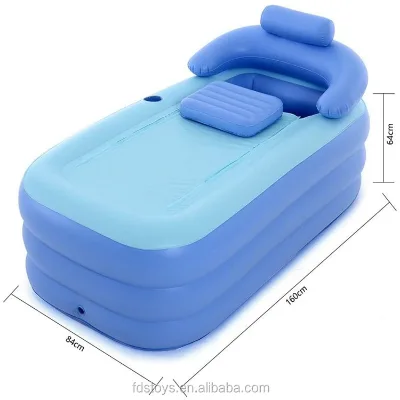
The round inflatable bathtub has an outer diameter of 175cm and an inner diameter of 135cm, with a height of 70cm. Another model measures 196 by 71cm. These dimensions provide ample space for adults, and the inflated shape ensures stability. The product is designed for home use, offering a portable bathing solution.
How is the inflatable bathtub packaged for shipping?
The inflatable bathtub is packaged in an OPP bag for protection during transit. The single package size is approximately 45 by 40 by 35 cm, making it compact for storage and handling. This packaging method ensures the eco-friendly PVC material remains undamaged, facilitating efficient logistics for suppliers and buyers across different global markets.