Source Portable Insulated Food Container for Restaurant Hotel Kitchen
Find 30 Portable Insulated Food Container options from verified suppliers. Compare stainless steel models with varying capacities, sizes, and customization features for restaurant, hotel, and kitchen applications. Explore different packing styles and thickness specifications to select the right insulated barrel for your specific needs.
Updated
Key considerations
Products List


Stainless Steel Insulated Portable Food Container for Easy Trasport with Tap
$54.00 - $59.00
MOQ: 400 Pieces

Hot Sale Stainless Steel Economic Type Portable Insulation Foaming Food Container for Transport
$38.00 - $48.00
MOQ: 400 Pieces

Stainless Steel Keep Food Warm Water Insulated Food Container with Tap
$80.00 - $90.00
MOQ: 300 Pieces
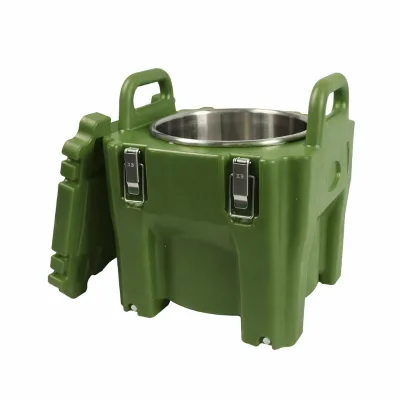


Insulated Food Carrier Box Food Pan Carrier Food Warmer Containers for Sale
$89.00 - $102.00
MOQ: 1 Pieces
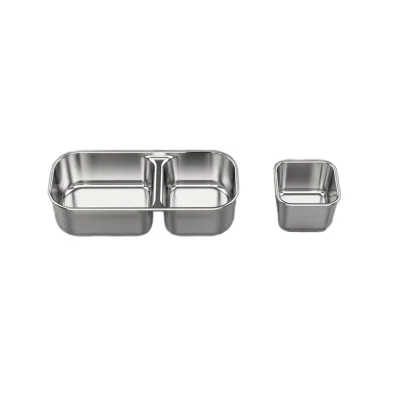
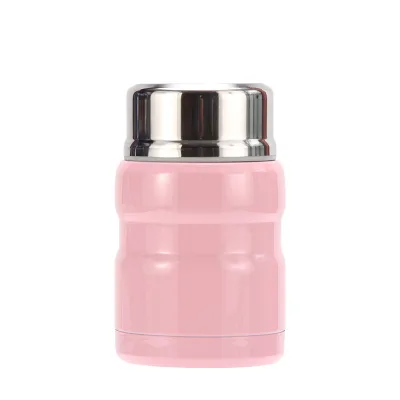


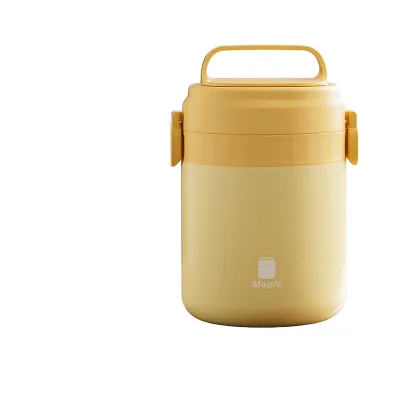
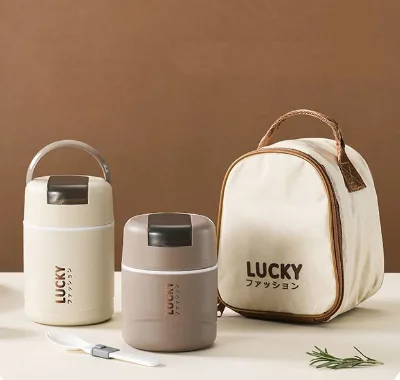
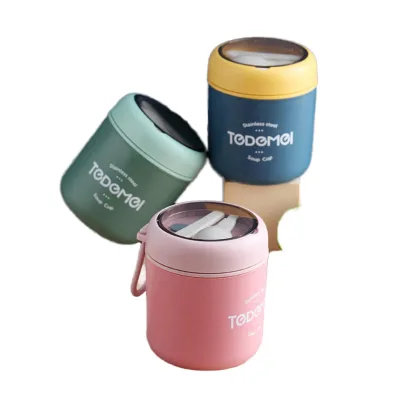
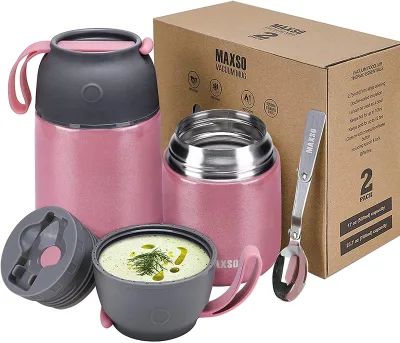
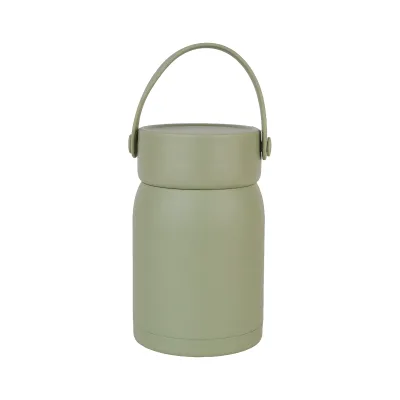

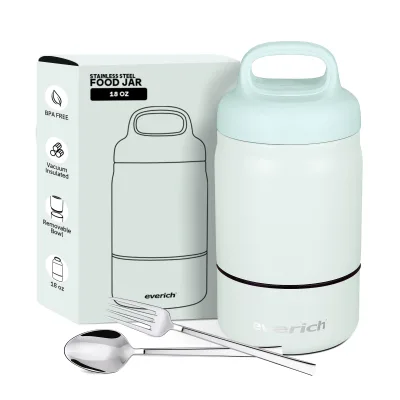
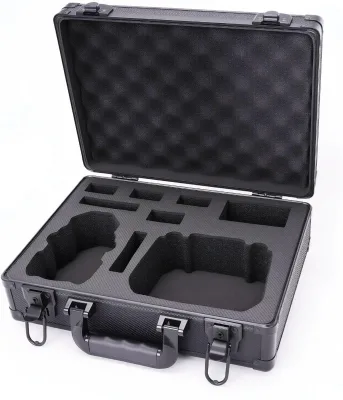
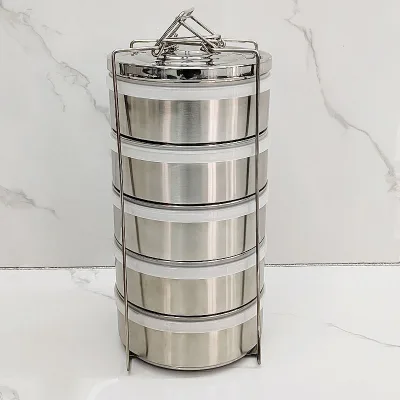
Comprehensive Sourcing Guide
Portable Insulated Food Container Sourcing Guide
Procuring portable insulated food containers requires careful attention to material composition and structural integrity, as these factors directly influence thermal retention and durability during transport. The market offers units constructed from stainless steel, including grades like 201 and 443, which provide varying levels of corrosion resistance and food safety. Buyers must verify that the interior and exterior thicknesses align with their specific usage intensity, as observed listings show thicknesses ranging from 0.4mm to 0.8mm depending on the model.
Selection should also account for the intended application environment, whether for restaurant buffets, hotel kitchens, or home use. Products are available in diverse configurations, such as open-mouth buckets or covered containers with stainless steel lids, ensuring versatility for different food service needs. Understanding the specific volume requirements, which can range from 5 to 25 liters, is essential for matching the container to the operational scale of the business or event being supported.
Product Scope and Observed Listing Signals
The current market landscape for portable insulated containers displays a wide range of specifications, including models like X3111, IPC10L, and WT-B400104, each designed for distinct operational contexts. Listings indicate that these units often feature double-skin insulation technology and come in cylindrical or square shapes, with dimensions varying significantly from compact 320x200mm units to larger 400x450mm barrels. This variety allows buyers to select equipment that fits specific storage and transport constraints without compromising on capacity.
Commercial signals in the market suggest that many suppliers offer ready-to-ship options with minimum order quantities as low as six units, facilitating smaller procurement cycles. However, some listings also indicate higher volume capabilities up to 10,000 units, catering to large-scale distributors. The presence of eco-friendly features and customizable options, such as specific packing requirements like five-layer export cartons, highlights a trend toward sustainable and tailored logistics solutions for global buyers.
Technical Specifications to Verify
Buyers must rigorously verify the dimensional standards and material grades to ensure the containers meet their operational demands. Observed specifications include standard sizes such as 40 cm or specific metric dimensions like 38x38x47.5cm, alongside capacity ratings that can reach 25 liters. It is critical to confirm the exact interior and exterior wall thicknesses, as thinner gauges may compromise insulation efficiency, while thicker walls offer enhanced durability for heavy-duty commercial environments.
The design of the container mouth and cover system is another vital technical consideration, with options ranging from big-mouth designs for easy access to covered units with non-transparent stainless steel lids. Features such as silicone bottoms and handles are common indicators of user-centric design, enhancing stability and portability. Verifying that the product model matches the required shape, whether cylinder or square, ensures compatibility with existing kitchen equipment and storage racks.
Compliance and Safety Documentation
Ensuring that portable insulated food containers meet relevant safety standards is paramount for protecting both the end-user and the brand reputation. While specific certification details like SGS are noted in some product listings, buyers should always request current documentation to confirm that materials used, such as stainless steel 201 or 443, are food-grade and safe for direct contact with consumables. This verification process helps mitigate risks associated with chemical leaching or structural failure under thermal stress.
Documentation should also cover the manufacturing origin and any applicable regional safety regulations, particularly for products sourced from major manufacturing hubs like Guangdong, China. Buyers need to ensure that the supplier can provide traceability for the materials and that the production process adheres to hygiene protocols required for food service equipment. Without proper certification, the risk of non-compliance with local health codes increases significantly, potentially leading to operational disruptions.
Cost Drivers and Commercial Terms
The pricing of portable insulated food containers is influenced by several key factors, including material costs, manufacturing complexity, and order volume. Observed price ranges in the market span from $0.08 to $110, reflecting the diversity in product quality, size, and feature sets. Buyers should analyze the cost per unit relative to the specified thickness and material grade, as higher-grade stainless steel and double-skin construction typically command a premium price but offer superior longevity and thermal performance.
Commercial terms such as minimum order quantities (MOQ) and packaging requirements also play a significant role in the total cost of ownership. While some suppliers accept orders as low as six units, others may require higher volumes to achieve optimal pricing tiers. Additionally, the choice of packaging, such as standard cartons versus five-layer export cartons, can impact shipping costs and the final landed price, necessitating a detailed review of the total procurement budget before finalizing orders.
Supplier Qualification and Quality Control
Selecting a qualified supplier involves assessing their ability to deliver consistent quality and adhere to agreed-upon specifications. Buyers should prioritize suppliers who demonstrate flexibility in customization, as many listings indicate that OEM and custom designs are acceptable. It is essential to verify that the supplier has a robust quality control process in place to ensure that every unit meets the stated standards for dimensions, material thickness, and insulation performance before shipment.
Quality control checks should also include a review of the supplier's production capacity and lead times to ensure they can meet demand fluctuations. Suppliers located in established manufacturing regions like China often have the infrastructure to handle large orders, but buyers must confirm their ability to maintain quality consistency across batches. Establishing clear communication channels and defining acceptance criteria early in the relationship helps prevent disputes and ensures that the delivered products align with the buyer's expectations.
Long-Term Procurement Checks
Sustaining a successful procurement relationship requires ongoing monitoring of product performance and supplier reliability over time. Buyers should implement regular audits to verify that the containers continue to meet the original specifications regarding material integrity and insulation efficiency. This proactive approach helps identify any potential degradation in product quality or shifts in manufacturing standards that could impact the end-user experience.
Long-term checks should also include a review of the supplier's responsiveness to issues and their ability to adapt to changing market demands. As the market evolves, suppliers may introduce new features or materials, and buyers need to ensure that these changes align with their strategic goals. Maintaining a flexible procurement strategy allows organizations to scale their operations efficiently while ensuring that the portable insulated food containers remain a reliable asset in their food service operations.
FAQs
What materials are used in portable insulated food containers?
Manufacturers typically use stainless steel for durability and hygiene. Specific models may feature Stainless Steel 201 or Stainless Steel 443 interiors. These materials ensure food safety and resistance to corrosion, making them suitable for commercial kitchen environments and home use while maintaining structural integrity during transport.
Can I customize the design of these containers?
Yes, customization is available for many models. Suppliers accept OEM requests and offer customized options for specific branding needs. Buyers can select from various styles, including common or insulation barrel designs, to match their operational requirements. This flexibility allows businesses to tailor products to their unique service standards.
What is the typical capacity of these containers?
Capacities vary by model, ranging from 5-10 liters to larger 25-liter options. Specific models like the IPC10L and WT-B400104 offer distinct volume capacities. These sizes cater to different serving needs, from individual portions to bulk buffet service, ensuring that buyers can select the appropriate volume for their specific operational scale.
Are these containers suitable for restaurant and hotel use?
Yes, they are designed for restaurant, hotel, kitchen, and home applications. Features like double skin insulation and silicone bottoms enhance stability and temperature retention. The open mouth design facilitates easy access, while stainless steel covers ensure hygiene, making them ideal for professional food service environments requiring reliable and efficient food storage solutions.
What certifications do these products typically hold?
Many models hold SGS certification, ensuring compliance with quality and safety standards. This certification provides assurance regarding material safety and manufacturing processes. Buyers can rely on these verified standards when sourcing products for commercial use, ensuring that the containers meet necessary regulatory requirements for food contact materials and overall product reliability.
How are these containers packaged for shipping?
Packaging options include standard cartons and export cartons. Some models use 5-layer export cartons for enhanced protection during transit. This robust packaging ensures that the containers arrive in pristine condition, minimizing damage risks. The structured packing method supports efficient logistics and handling, making it suitable for bulk orders and international shipping requirements.