Source Portable Laboratory Jaw Crusher for Mining Quarrying
Find 30 Portable Laboratory Jaw Crusher options for mining, quarrying, and metallurgy applications. Compare specifications like feed size, output size, and motor types from verified suppliers to select the right equipment for your needs; compare the available evidence and request quotations based on your requirements.
Key considerations
Products List


Mini Stone Rock Portable PE 100*60 Jaw Crusher with 100mm Input Size
$1060.00 - $1260.00
MOQ: 1 Pieces


Mini Lab Crusher Small Portable Crusher Laboratory Gap Adjustable Jaw Crusher
$1000.00 - $1500.00
MOQ: 1 Sets
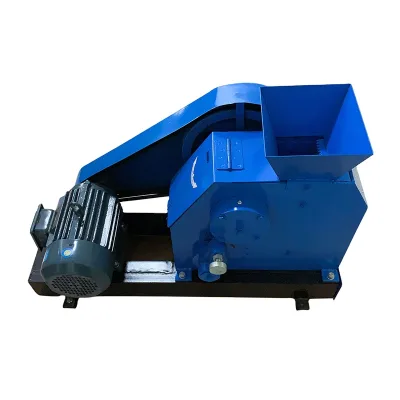

Factory Industrial Limestone Small Stone Laboratory Jaw Crushing Crusher
$6000.00 - $10000.00
MOQ: 1 Pieces

Portable Stone Jaw Crusher Crusher Machine Breaking Machine Crusher
$6000.00 - $10000.00
MOQ: 1 Pieces

Small Stone Crusher Mini Jaw Crusher for Laboratory and Small Projects
$6000.00 - $10000.00
MOQ: 1 Pieces


Mini Mobile Crusher Portable and Powerful Jaw Crusher for Feeding and Crushing
$2115.00 - $3000.00
MOQ: 1 unit
Comprehensive Sourcing Guide
Portable Laboratory Jaw Crusher Sourcing Guide
Procuring a Portable Laboratory Jaw Crusher requires balancing compact mobility with the rigorous crushing capabilities needed for geological and metallurgical analysis. Buyers must first define whether their primary need is for high-volume aggregate reduction or precise sample preparation for chemical analysis. The observed market includes models ranging from small benchtop units to larger industrial-grade machines, each serving distinct operational contexts. Understanding the specific material hardness and required output granularity is the foundational step in selecting the correct machine configuration.
The sourcing landscape features a variety of manufacturers, primarily originating from China, offering both standard and customized solutions. Key differentiators include the drive system, with options for electric or diesel power, and the construction material, often utilizing high manganese steel for wear resistance. Buyers should evaluate the trade-off between portability and crushing force, ensuring the selected unit can handle the maximum feeding size of their target materials, such as basalt, granite, or copper ore, without compromising structural integrity or operational safety.
Product Scope and Observed Listing Signals
The current market presents a diverse array of laboratory jaw crushers, with observed prices ranging from approximately $200 to $174,000 USD, reflecting significant variations in capacity, build quality, and automation levels. Most listings indicate a minimum order quantity of one unit, catering to individual laboratories or small-scale mining operations. The product scope spans from basic manual models to advanced electric units with precise control systems, allowing buyers to select equipment that matches their specific throughput requirements and budget constraints.
Observed specifications highlight critical performance metrics, such as feed sizes ranging from 60 mm to over 500 mm and output sizes adjustable between 0.1 mm and 10 mm. Models like the PEF125X100 and PE100X60 demonstrate the variety in dimensions and capacities available. Buyers should note that while some units are marketed as energy-saving, others are explicitly labeled as non-energy-saving, necessitating a careful review of power consumption claims against actual operational needs to avoid unexpected utility costs.
Technical Specifications to Verify
Verifying the motor type and power rating is essential, as most observed units utilize AC motors with power ratings around 1.5 kW, though larger industrial models may require significantly more. Buyers must confirm the voltage compatibility, with 380V being a common standard, to ensure seamless integration into existing laboratory infrastructure. Additionally, the rotational speed, often cited around 650 RPM, directly impacts the crushing efficiency and final particle size distribution, making it a critical parameter for quality control in sample preparation.
The physical dimensions and weight of the crusher are vital for logistics and installation planning. Observed models vary from compact units measuring 730x420x560 mm to larger frames exceeding 1100x560x945 mm, with weights generally under one ton for laboratory-grade equipment. Buyers should verify the feed particle size limits, which can range from 50 mm to 200 mm, to ensure the machine can handle the raw material without blockage. Confirming the cutter material, typically high manganese steel, ensures durability against abrasive ores like iron ore and gold ore.
Compliance and Safety Documentation
Safety documentation is paramount when operating heavy machinery in a laboratory setting. Buyers should request detailed user manuals that outline emergency stop procedures, guard installation protocols, and lockout/tagout requirements. Although specific safety certifications are not explicitly listed in all observations, buyers must verify that the equipment complies with local electrical and mechanical safety standards. This includes ensuring that all moving parts are adequately shielded to prevent accidental contact during operation.
Electrical compliance is another critical area requiring verification. Buyers must ensure that the motor and control systems meet regional electrical codes, particularly regarding grounding and insulation resistance. While ISO 9001 is mentioned as a background standard, buyers should not assume all suppliers hold this certification without explicit proof. Requesting test reports for electrical safety and mechanical stability helps mitigate risks associated with equipment failure, ensuring a safe working environment for laboratory personnel.
Cost Drivers and Commercial Terms
Several factors influence the total cost of ownership, including the drive system, material construction, and customization options. Electric drives are generally more cost-effective for continuous laboratory use, while diesel options may be preferred for remote field applications. The use of high manganese steel for cutting components adds to the initial cost but offers superior wear resistance, reducing long-term maintenance expenses. Buyers should also consider the packaging method, with wooden packages and pallets being common, as these impact shipping costs and potential damage risks.
Commercial terms vary widely, with payment options including TT, PayPal, credit card, and Western Union. Buyers should negotiate clear terms regarding warranty coverage, which is typically one year for observed units, and after-sales support availability. Shipping methods, such as sea freight or express couriers like DHL and FedEx, significantly affect delivery times and costs. Understanding these commercial variables helps buyers budget accurately and avoid hidden fees associated with international trade and logistics.
Supplier Qualification and Quality Control
Evaluating supplier qualifications is crucial for ensuring product reliability and consistency. Buyers should verify the supplier’s manufacturing capabilities, including their ability to provide OEM services and customize products to specific requirements. Although many suppliers are located in China, buyers must conduct thorough due diligence to assess their production quality control processes. Requesting factory audit reports or third-party inspection results can provide valuable insights into the supplier’s operational standards and reliability.
Quality control measures should extend to the final product inspection before shipment. Buyers should specify acceptance criteria for dimensional accuracy, motor performance, and material hardness. Observing the packing methods, such as single box or carton box packaging, can also indicate the supplier’s attention to detail. Establishing a clear communication channel for addressing defects or performance issues post-delivery is essential for maintaining operational continuity and resolving any discrepancies efficiently.
Long-Term Procurement Checks
Long-term procurement success depends on establishing a robust maintenance and spare parts strategy. Buyers should identify the availability of replacement parts, such as jaw plates and bearings, to minimize downtime during routine maintenance. Understanding the wear rate of high manganese steel components under specific operating conditions helps in planning inventory levels and budgeting for replacements. Regular inspection of the crusher’s structural integrity and electrical systems is necessary to prevent catastrophic failures and ensure consistent performance.
Building a long-term relationship with a reliable supplier can facilitate better pricing, priority support, and access to new product developments. Buyers should periodically review supplier performance metrics, including delivery times, product quality, and responsiveness to service requests. Keeping detailed records of machine performance and maintenance activities aids in troubleshooting and optimizing operational efficiency. Continuous engagement with the supplier ensures that the laboratory jaw crusher remains a valuable asset in meeting evolving analytical and production demands.
FAQs
What is the maximum feeding size for this Portable Laboratory Jaw Crusher?
The maximum feeding size ranges from 200mm to 1020mm depending on the specific model selected. This variation allows users to choose a unit that matches their material volume requirements. Larger feed sizes accommodate bulkier rocks, while smaller options suit finer laboratory samples. Always verify the exact specification for your intended application before purchase to ensure compatibility with your processing needs.
Can this laboratory jaw crusher be customized for specific mining applications?
Yes, customization is available for this equipment to meet specific mining or laboratory requirements. Buyers can request tailored specifications to align with their unique operational workflows. This flexibility ensures the machine integrates seamlessly into existing setups. Contact suppliers directly to discuss your particular needs and confirm which custom options are supported for your order.
What materials can this jaw crusher effectively process?
This crusher effectively processes basalt, copper ore, gold ore, granite, iron ore, and limestone. It is also suitable for metallurgy applications involving hard brittle ores, rocks, slag, ceramics, and chemicals. The high manganese steel cutter material ensures durability against abrasive substances. Select a model based on the specific hardness and type of material you intend to crush for optimal performance.
What is the output particle size range for this laboratory jaw crusher?
The output particle size typically ranges from 0.1mm to 10mm. This fine adjustment capability makes it ideal for laboratory analysis and precise material preparation. The feeding size is often around 50mm to 60mm for these models. Ensure your downstream processes can handle this specific size range to maintain efficiency in your testing or production workflow.
How is this Portable Laboratory Jaw Crusher packaged for shipping?
Packaging options include wooden packages, single boxes, carton boxes, or pallets. The standard dimensions are approximately 1150mm by 450mm by 860mm for certain models. Shipping methods available by sea or express couriers like DHL and FedEx ensure safe delivery. Proper packaging protects the unit during transit, regardless of whether it is sent domestically or internationally from China.
What warranty is provided for this laboratory jaw crusher?
A one-year warranty is provided for this laboratory jaw crusher. This coverage protects against manufacturing defects and ensures initial operational reliability. The unit is new and comes with standard specifications. Buyers should review the warranty terms with the supplier to understand the scope of coverage and any conditions that might affect the validity of the guarantee.