Source Portable Knitting Sewing Kit for Travel, Repairs, and Crafts
Source a Portable Knitting Sewing Kit from 30 verified listings. Compare features like high tenacity polyester threads, included accessories such as pearl head pins and scissors, and customizable options for bulk orders; compare the available evidence and request quotations based on your requirements.
Key considerations
Products List


Portable Mini Sewing Kit Mini Box Sewing Kit Set Mini Travel Sewing Kit for Travel
$25.00 - $35.00
MOQ: 10000 Sets


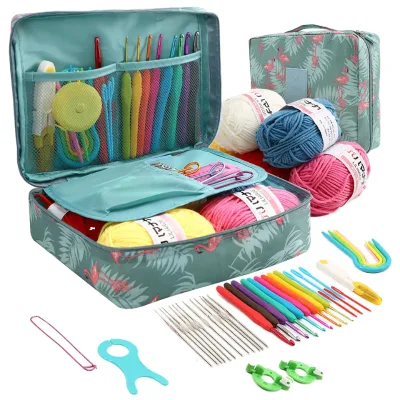


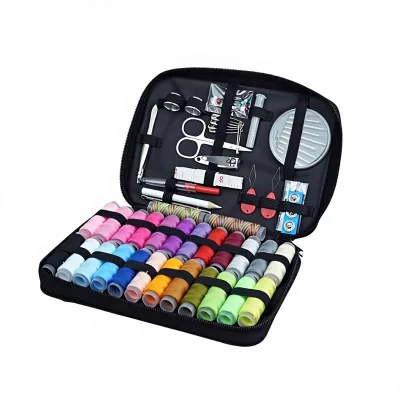


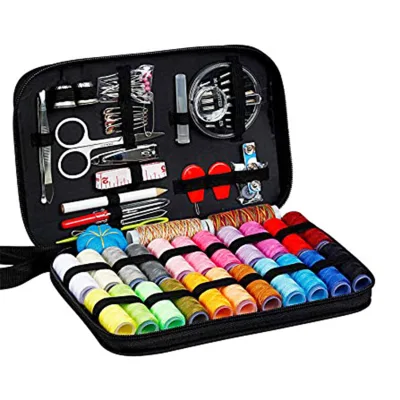

Comprehensive Sourcing Guide
Portable Knitting Sewing Kit Sourcing Guide
Procuring a Portable Knitting Sewing Kit requires distinguishing between general repair sets and specialized kits designed for specific textile tasks. The observed market data indicates a diverse range of configurations, from basic hand-sewing kits containing needles and thread to more comprehensive sets including measuring tapes, scissors, and pearl head pins. Buyers must carefully evaluate the intended use case, as some listings explicitly specify "Hand Sewing" while others highlight "Knitting" capabilities, suggesting that a single SKU may not satisfy all operational needs.
The physical dimensions and weight of these kits vary significantly, ranging from compact 12x12cm units weighing 340g to larger 16.5x25.5cm sets. This variance impacts logistics and storage strategies, particularly for buyers distributing these items as promotional gifts or stocking them in retail environments. Understanding the specific packing density, such as 96 pieces per carton versus 100 sets per carton, is essential for calculating accurate freight costs and warehouse space requirements before finalizing any purchase order.
Product Scope and Observed Listing Signals
The product scope for portable knitting sewing kits encompasses a wide array of accessories, including mixed sewing threads, ordinary hand sewing needles, threaders, and buttons. Market observations confirm that materials are predominantly 100% polyester, often featuring dyed patterns to enhance visual appeal. Buyers should note that while some kits are marketed as "New," the specific contents like the number of needles or the type of thread can differ drastically between models, necessitating a line-item verification against the supplier's actual inventory list.
Listing signals reveal that customization is a key differentiator, with many suppliers offering options for customized logos and specific color schemes like black or mixed colors. However, the minimum order quantities (MOQ) fluctuate wildly, ranging from 100 sets for smaller, specialized orders to 50,000 sets for bulk industrial procurement. This disparity suggests that buyers must align their volume requirements with the specific product model, such as HA-2201-0067 or HA-2202-0087, to ensure the supplier can meet their quantity expectations without incurring prohibitive costs.
Technical Specifications to Verify
Technical verification must begin with the precise dimensions and weight of the kit, as these factors dictate packaging efficiency and shipping classification. Data points show sizes ranging from 8.4x4.2cm to 20.5x14.5cm, with weights varying from 28.4g to 330g. Buyers should request detailed specifications for each model to confirm that the physical footprint matches their distribution channel requirements, ensuring that the carton measurements, such as 46x37x34cm, align with container loading plans to maximize space utilization.
The internal composition of the kit is equally critical, requiring confirmation of the specific count and type of included tools. While some listings specify 18 pearl head pins, 1 measuring tape, and 1 scissor, others may only include basic needles and thread. It is imperative to verify the sewing thread type, whether mixed or specific colors, and the needle type, such as ordinary hand sewing needles, to ensure the kit performs adequately for its intended application, whether it is general repair or specific knitting projects.
Compliance and Safety Documentation
Compliance documentation for textile accessories often centers on material safety and general product quality guarantees. The available data indicates that some suppliers provide S-G-S certification, which serves as a baseline verification for product quality and safety standards. Buyers should explicitly request current certification documents to confirm that the polyester materials and metal components, such as needles and scissors, meet the safety regulations of the target import market, particularly regarding heavy metal content and sharp edge safety.
Beyond specific certifications, the general quality assurance status of the supplier is a vital component of the compliance framework. Listings frequently mention that quality is "Guaranteed," but this claim requires validation through third-party inspection reports or factory audit results. Procurement teams should verify that the supplier maintains a documented quality control process that covers the entire production cycle, from raw material sourcing to final packing, to mitigate the risk of receiving defective goods that could lead to customer complaints or regulatory penalties.
Cost Drivers and Commercial Terms
Cost drivers in this category are heavily influenced by the minimum order quantity and the complexity of the customization requested. The observed MOQ range spans from 100 sets to 50,000 sets, creating a significant price variance that buyers must navigate. Smaller orders typically carry a higher unit cost due to setup and handling fees, whereas bulk orders benefit from economies of scale. Buyers should negotiate based on their specific volume needs, understanding that the price per unit will likely decrease as the order quantity approaches the higher end of the observed range.
Commercial terms also include specific packing configurations that affect the total landed cost. Variations in packing, such as 100 pieces per bag with 4 bags per carton versus 100 sets per carton, directly impact the number of cartons required and the associated freight charges. Additionally, the acceptance of customized logos adds a layer of cost that must be factored into the budget. Buyers must clarify whether the customization fee is a one-time setup charge or included in the unit price to avoid unexpected expenses during the final payment stage.
Supplier Qualification and Quality Control
Supplier qualification should prioritize manufacturers located in established textile hubs, such as Zhejiang, China, which is a confirmed origin for many of these kits. Proximity to raw material sources and established supply chains in this region often correlates with better production consistency and faster lead times. Buyers should verify the supplier's production capacity and history to ensure they can handle the required order volume, especially given the wide range of MOQs observed in the market, from small batches to massive industrial orders.
Quality control protocols must be rigorously defined before production begins, focusing on the consistency of the kit contents and the durability of the materials. Since the product attributes are treated as observations rather than universal claims, buyers should implement a pre-shipment inspection plan that checks for the correct number of accessories, such as the specific count of buttons and needles. This verification step ensures that every kit meets the agreed-upon specifications and prevents discrepancies that could arise from the high variability in product models and configurations.
Long-Term Procurement Checks
Long-term procurement success relies on establishing a stable supply chain that can adapt to changing market demands and volume fluctuations. Given the diverse range of product models and specifications, buyers should maintain a relationship with suppliers who can offer flexibility in order quantities and product configurations. This adaptability is crucial for managing inventory levels and responding to seasonal trends or unexpected spikes in demand without compromising on product quality or delivery timelines.
Continuous monitoring of supplier performance is essential to maintain the integrity of the product offering over time. Buyers should regularly review the supplier's adherence to quality guarantees and their ability to provide updated certification documents. By maintaining open communication and conducting periodic audits, procurement teams can ensure that the portable knitting sewing kits continue to meet the required standards, thereby protecting the brand reputation and ensuring customer satisfaction in the long run.
FAQs
What is included in the Portable Knitting Sewing Kit?
The kit includes essential tools such as 18 pearl head pins, a measuring tape, scissors, six buttons, a threader, three sewing needles, and ten sewing threads. These accessories are designed to support both hand sewing and knitting tasks effectively. The contents are packed securely to ensure all items remain organized and accessible during use or travel.
What material are the sewing threads made from?
The sewing threads are made from 100% polyester material. This high-tenacity fabric ensures durability and strength during stitching. The threads are dyed to provide consistent color quality. This material choice supports reliable performance for various sewing applications, making it suitable for both professional and personal repair projects.
Can I customize the logo on the sewing kit?
Yes, customized logos are acceptable for this product. Buyers can request specific branding to be applied to the kit. This customization option allows businesses to create unique promotional items or private label products. The supplier supports these personalization requests to meet specific marketing or corporate identity requirements.
What is the minimum order quantity for this kit?
The minimum order quantity varies by model. Some models require 100 sets, while others require 5000 sets or 50000 sets. Buyers should check the specific model number to determine the exact MOQ. This flexibility allows different order sizes to accommodate various business needs and inventory strategies.
Where is the sewing kit manufactured?
The sewing kit is manufactured in Zhejiang, China. This location is a known hub for textile and sewing accessory production. The origin ensures access to established supply chains and manufacturing expertise. Buyers can rely on this regional production capability for consistent quality and timely delivery of their orders.
Does the kit come with any certifications?
Some models in this product line carry S-G-S certification. This certification indicates that the product meets specific quality and safety standards. Buyers seeking verified quality assurance can look for models with this documentation. It provides confidence in the product's reliability and compliance with international testing requirements.