Source portable multi-angle support gymnastics mat for yoga, training, and play
Compare 30 listings of portable multi-angle support gymnastics mat featuring foldable designs, varying thicknesses, and customizable colors. Buyers can evaluate PU+EPE foam materials, safety certifications, and MOQ options for yoga, gymnastics, and floor exercises.
Key considerations
Products List
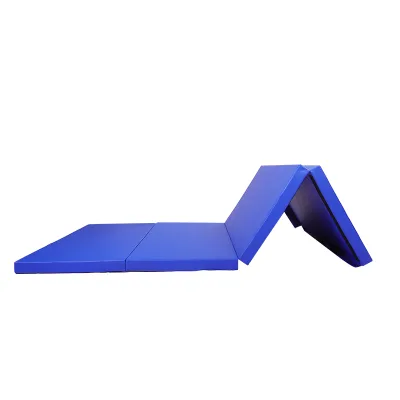
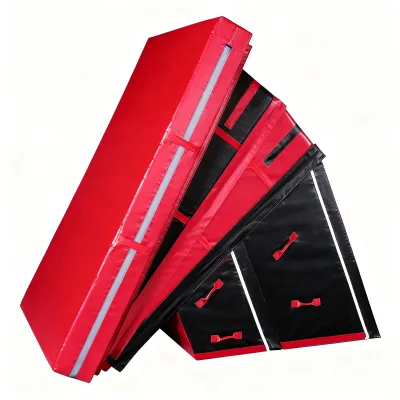
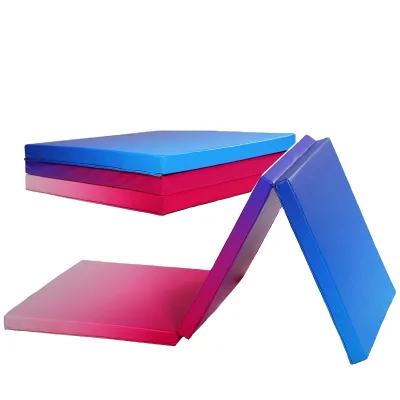
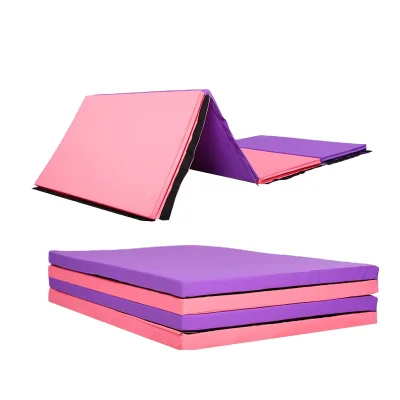
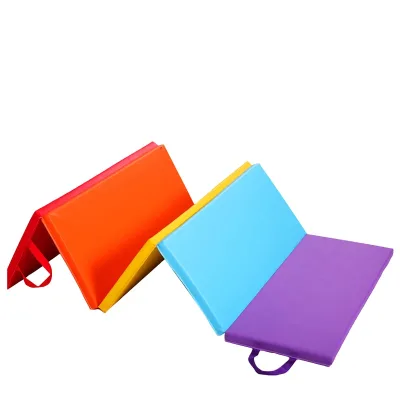


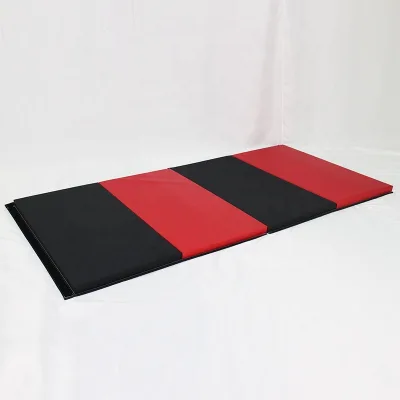
Floor Mat Gymnastics Gym Training Exercise Mat Foldable Gymnastics Folding Yoga Mat
$200.00 - $800.00
MOQ: 50 Pieces

Wholesale Folding Gym Tumbling Gymnastics Mat Foldable Gym Mat Gymnastics Wrestling Mat
$200.00 - $800.00
MOQ: 50 Pieces

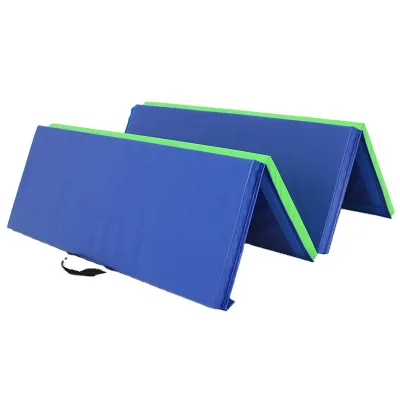
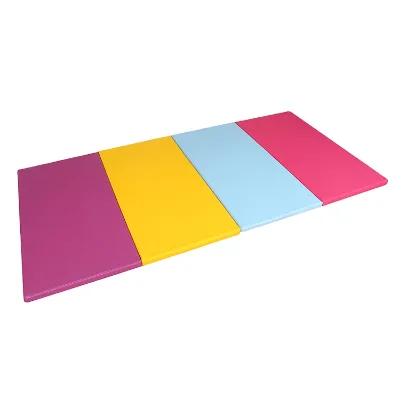
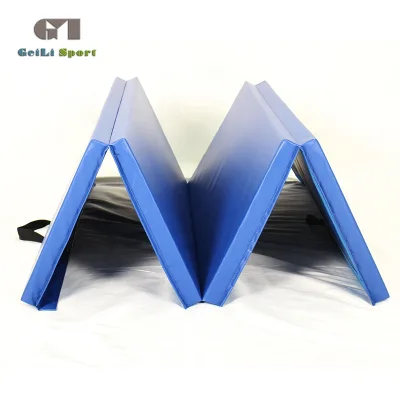
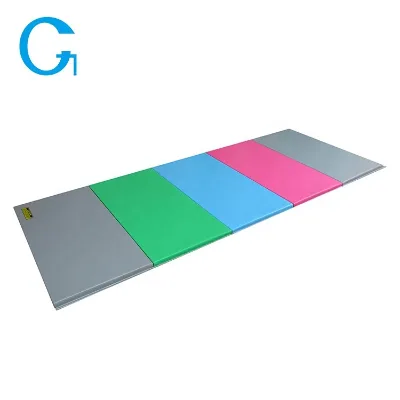

Custom Wholesale Foldable Multi Color Gymnastics Floor Mat for Exercise
$25.00 - $36.00
MOQ: 50 Pieces




Comprehensive Sourcing Guide
Sourcing Guide for Portable Multi-Angle Support Gymnastics Mats
Understanding Product Specifications and Construction Variants
When sourcing a portable multi-angle support gymnastics mat, buyers must first distinguish between standard flat mats and specialized incline or ramp configurations designed for dynamic training. The core product category encompasses various dimensions and structural designs tailored to different training intensities. Based on observed market data, standard configurations frequently appear with dimensions of 244 cm by 120 cm and a thickness of 5 cm, offering a substantial surface area for general floor exercises. In contrast, specialized incline mats, often referred to as ramps, may feature reduced dimensions such as 180 cm by 60 cm or 180 cm by 90 cm, with thicknesses varying between 2.5 cm and 5 cm depending on the intended angle and load-bearing requirements.
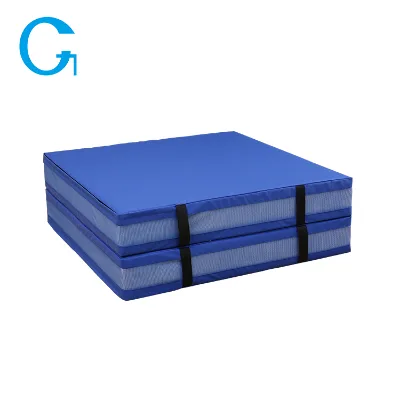
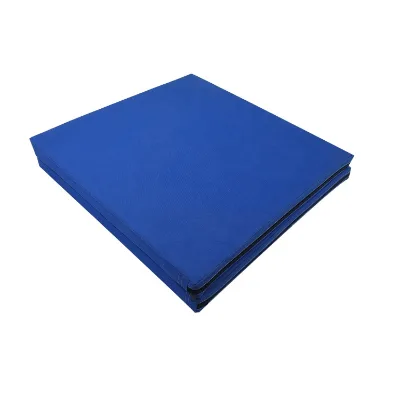
The construction of these mats is a critical differentiator. High-quality portable units typically utilize a multi-layered composition, often combining PU (Polyurethane) and EPE (Expanded Polyethylene) foam. This hybrid material structure is selected for its ability to balance shock absorption with structural integrity. The mats are frequently designed with a foldable, three-section construction, which facilitates easy transport and storage, aligning with the "portable" requirement of the core keyword. Some variants are explicitly described as "3-section mattresses" that can be reconfigured, while others may feature integrated carry handles to further enhance mobility.
Material composition also dictates the surface properties. While some listings specify "foam" as a general material, the specific combination of PU and EPE provides a surface that is both durable and resistant to moisture. This is essential for environments where hygiene is a priority, as the material properties are noted to be mildew-resistant and easy to clean. The surface finish may be customized in terms of color, with options ranging from solid colors like blue or red to gradient ramps and rainbow patterns, allowing facilities to match specific branding or aesthetic requirements.
Compliance, Certification, and Safety Standards
For B2B procurement in the gymnastics and sports equipment sector, verifying compliance with safety and quality standards is non-negotiable. While specific test data for individual units may vary, reputable suppliers in this category often hold certifications that indicate adherence to international management and safety protocols. Buyers should look for evidence of certifications such as CE, ISO 9001, ISO 14001, and OHSAS. These certifications suggest that the manufacturing process meets specific quality management, environmental management, and occupational health and safety standards.
It is important to note that while some industry standards, such as ASTM F2440, are relevant to gymnastics equipment safety, the specific compliance status of any given product listing must be verified directly with the supplier. Buyers should not assume that a product listing implies full compliance with every standard without explicit documentation. The presence of a "Certificate" field listing these specific standards is a strong indicator of a supplier's commitment to quality, but the actual test reports and validity periods must be requested during the due diligence phase.
Furthermore, the customization of the product often extends to safety features. The ability to customize logos and colors is common, but buyers must ensure that any added materials or printing processes do not compromise the fire resistance or toxicity levels of the foam. The "New" condition of the product is a standard expectation, but the structural integrity of the folding mechanisms and the stability of the multi-angle support features must be physically verified before mass adoption.
Cost Drivers and Pricing Dynamics
The pricing of portable multi-angle support gymnastics mats is influenced by several distinct factors, including material composition, dimensions, and the level of customization required. The observed market price range for these products spans from approximately $1 to $850 USD, a wide variance that reflects the difference between basic foam mats and complex, multi-section incline systems. The higher end of this spectrum typically corresponds to mats with larger surface areas, specialized folding mechanisms, and premium material blends like the PU+EPE combination.
Minimum Order Quantity (MOQ) is another significant cost driver. Market observations indicate an MOQ range from 1 piece up to 1,000 pieces, with specific listings showing thresholds such as 10 pieces or 2 sets. For buyers seeking to test the market or equip a single facility, suppliers with lower MOQs are preferable. However, for large-scale procurement, negotiating based on higher volume tiers can significantly reduce the unit cost. The "Selling Units" field often indicates whether the product is sold as a single item or in sets, which impacts the total landed cost.
Additional cost factors include the customization of colors, logos, and specific dimensions. While standard colors like blue or red may be readily available at lower price points, requesting a "Customized Color" or a specific gradient ramp design may incur additional tooling or setup fees. The packaging method, whether a simple OPP bag or a reinforced carton, also contributes to the final price, particularly for international shipping where weight and volume are critical. Buyers should request a detailed breakdown of costs to understand how much of the price is attributed to the base product versus customization and logistics.
Typical Applications and Usage Scenarios
The versatility of portable multi-angle support gymnastics mats makes them suitable for a wide array of applications beyond traditional gymnastics training. The primary usage is for gymnastics, where the incline and multi-angle features allow athletes to practice tumbling, flips, and landings with reduced impact. The specific design of these mats, often described as "Gymnastics training safety mats," provides a controlled environment for skill acquisition.
However, the utility of these mats extends to other disciplines. They are frequently cited as ideal for yoga, floor exercises, and general fitness routines. The foldable nature of the mats allows them to be easily stored in multi-purpose community centers or schools where space is at a premium. Some listings also indicate suitability for "Racing" and "Entertainment" purposes, suggesting that these mats can be utilized in event setups, obstacle courses, or recreational facilities.
The "Unisex" designation and the availability of various color options make these mats appropriate for diverse user groups, including children, adults, and professional athletes. The "Suitable for: Both" attribute in some listings further confirms their adaptability for different training needs. Whether used for high-intensity training in a dedicated gym or for light exercise in a home setting, the portable design ensures that the equipment can be deployed and retracted as needed, maximizing the utility of the available floor space.
Supplier Evaluation and Manufacturing Capabilities
When evaluating potential suppliers for gymnastics mats, buyers should prioritize manufacturers that demonstrate flexibility in production and a clear track record of customization. The "Place of Origin" for many of these products is Hebei, China, a region known for its manufacturing capabilities in sports equipment. Buyers should verify the supplier's ability to handle "OEM or ODM" requests, as the market data indicates that "Both We Do" is a common offering. This capability is crucial for buyers looking to brand the mats with their own logos or modify dimensions to fit specific facility requirements.
The "is_customized" attribute being marked as "Yes" across many listings suggests that customization is a standard expectation rather than an exception. Buyers should assess the supplier's responsiveness to custom requests, including the availability of "Customized Logo" and "Customized Color" options. The "Assembling" attribute indicates that some products may require assembly, while others are pre-assembled or designed for immediate use. Understanding the assembly requirements is vital for logistics planning, especially for large orders that may need to be assembled on-site.
Furthermore, the "Packing" specifications, such as "1 pc in a OPP bag + carton," provide insight into the supplier's attention to detail during the shipping process. A supplier that offers packaging "according to required" demonstrates a higher level of customer service and adaptability. Buyers should also inquire about the supplier's production capacity and lead times, although specific lead time data is not provided in the general product listings. Establishing a clear communication channel regarding production schedules is essential to ensure timely delivery.
Quality Control and Long-Term Procurement Considerations
Ensuring the long-term durability and safety of gymnastics mats requires a robust quality control (QC) strategy. The "Feature" attributes listed, such as "Waterproof," "Durable," and "Easy to clean," are claims that must be validated through testing. Buyers should request sample units to verify these claims physically, checking for seam integrity, foam density, and the stability of the folding mechanisms. The "Single gross weight" and "Single volume" metrics are also important for calculating shipping costs and ensuring that the product specifications match the supplier's claims.
For long-term procurement, buyers should consider the maintenance requirements of the mats. The "mildew resistant" and "easy to clean" properties are significant advantages for facilities with high traffic or humid environments. However, regular inspection of the folding hinges and surface wear is necessary to maintain safety standards. The "Condition: New" status is a baseline expectation, but buyers should establish protocols for periodic re-inspection of the equipment to ensure it remains fit for purpose.
Finally, the procurement strategy should include a review of the supplier's after-sales support. Given the customization options available, such as specific dimensions and colors, the supplier should be capable of providing replacement parts or additional units that match the original specifications. The ability to source "Customized" items in the future ensures that the facility can maintain a consistent look and feel across its equipment inventory. By focusing on suppliers with strong QC processes and flexible production capabilities, buyers can secure a reliable supply chain for their gymnastics and fitness equipment needs.
FAQs
What materials are used for these portable gymnastics mats?
These mats typically combine PU and EPE foam layers to balance shock absorption with structural integrity. Some listings also specify generic foam materials, ensuring durability and mildew resistance for various training environments.
Can I customize the color and logo on these mats?
Yes, customization is available for both colors and logos. Buyers can request specific shades like blue, red, or gradient ramps, and suppliers offer customized logo options to match facility branding requirements.
What are the standard dimensions for these foldable mats?
Standard configurations often measure 244 cm by 120 cm with a 5 cm thickness. Specialized incline variants may feature reduced dimensions like 180 cm by 60 cm or 180 cm by 90 cm depending on the angle.
How are these mats packaged for shipping?
Mats are commonly packed as one piece in an OPP bag inside a carton. Suppliers also offer packaging according to specific buyer requirements to ensure safe transport and storage during international shipping.
What certifications do these gymnastics mat manufacturers hold?
Reputable suppliers often hold certifications such as CE, ISO 9001, ISO 14001, and OHSAS. These indicate adherence to quality management, environmental standards, and occupational health and safety protocols.
What is the minimum order quantity for these products?
Minimum order quantities vary, with some listings requiring as few as 10 pieces or 2 sets. Other suppliers may have thresholds up to 1,000 pieces, allowing flexibility for different procurement scales.
Where are these portable mats typically manufactured?
Many of these products originate from Hebei, China, a region known for sports equipment manufacturing. Buyers should verify specific factory locations to ensure alignment with their logistics and sourcing strategies.