Source portable multi-purpose cosmetic organizer for Travel, Home, and Stores
Compare 30 portable multi-purpose cosmetic organizer options from verified Chinese suppliers. These units feature materials like PS, acrylic, and polyester, with customization available for face, eye, and body use in indoor settings.
Key considerations
Products List


Transparent Cosmetic Organizer with Large-Capacity for Makeup Essentials
$4.09 - $4.45
MOQ: 200 Pieces


Desktop Cosmetic Plastic Storage Box Makeup Organizer Plastic Storage Box
$1.50 - $2.50
MOQ: 1000 Pieces

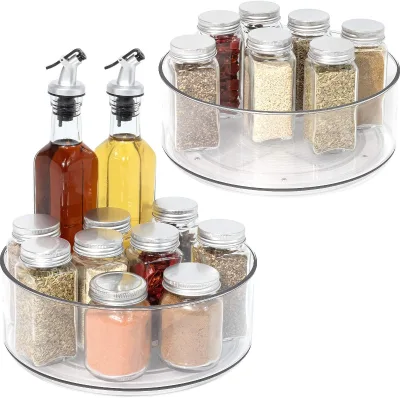
Multi-Layer Detachable Clear Plastic Dresser Cosmetic Storage Organizer
$0.93 - $1.03
MOQ: 3000 Pieces


Adjustable Divider Round Rotating Cosmetic Brush Lotion Storage Organizer
$0.93 - $1.03
MOQ: 3000 Pieces


Clear Makeup Organizer Clear Cosmetic Storage Organizer Makeup Organizer
$1.50 - $2.50
MOQ: 100 Pieces


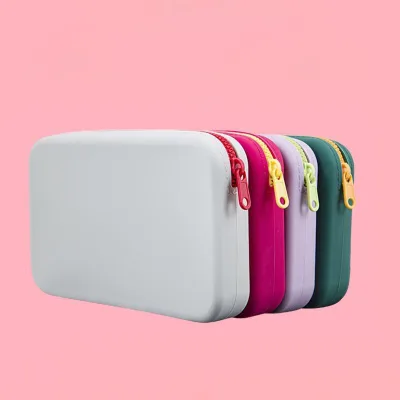
Versatile Foldable Travel Cosmetic Organizer with Essential Accessories
$0.70 - $2.20
MOQ: 1000 Pieces


Comprehensive Sourcing Guide
Strategic Sourcing Guide for Portable Multi-Purpose Cosmetic Organizers
Understanding Product Specifications and Material Composition
When sourcing a portable multi-purpose cosmetic organizer, the primary objective is to identify units that balance durability with portability while accommodating a wide range of beauty tools. The market offers diverse configurations, ranging from rigid storage solutions to soft-sided organizers. A critical initial step involves verifying the material composition, as this dictates the product's longevity and suitability for specific environments. Based on current market observations, these organizers are frequently constructed from PS (Polystyrene) and Acrylic, materials known for their clarity and structural rigidity. Alternatively, for softer, more flexible storage needs, Polyester and Plastic variants are available. The choice between these materials often depends on the intended use case; for instance, rigid acrylic units are ideal for desktop organization in professional settings, while polyester options may be preferred for travel due to their flexibility.
The physical dimensions of the organizer are equally significant. Buyers must scrutinize the standard specifications provided by suppliers, as these vary widely. Observed data indicates specific model dimensions such as 15.515.513cm, 7.119.8 cm, and 22.89.58 cm. Other models may feature dimensions like 22.69.39 cm or 2311*11CM. It is imperative to match these dimensions against the inventory of cosmetics, brushes, and bottles the buyer intends to store. Furthermore, the shape of the unit plays a functional role; options include Horizontal Square and Round configurations. The "Round" shape often facilitates a rotating mechanism, which is a common feature in multi-purpose organizers designed to maximize vertical space. Conversely, "Horizontal Square" designs typically offer a stable footprint for stationary use.
The structural hardness of the product is another vital specification. The market presents a spectrum ranging from "Medium Soft" to "Hard." A "Hard" classification suggests a rigid shell that offers superior protection for fragile items like glass bottles or delicate makeup compacts. In contrast, "Medium Soft" materials provide a degree of cushioning and are often found in fabric-based travel bags. The target use case heavily influences this selection. For example, a "Travel Toiletry Bag / Makeup Organizer" often requires a balance of softness for packing efficiency and structure to prevent crushing. Additionally, the presence of a "Single-Strap" handle or a "Single Open" feature indicates specific ergonomic considerations for portability. Buyers should verify if the product is designed to be "Folded" or remains in an "Unfolded" state, as this impacts storage space when the organizer is not in use.
Compliance, Certification, and Safety Standards
In the B2B procurement of cosmetic organizers, compliance and certification are non-negotiable elements that ensure the product meets international safety and quality expectations. While the product itself is a storage vessel, the materials used must not leach harmful substances into cosmetics, especially if the organizer is intended for professional or household use where hygiene is paramount. Buyers must explicitly request certification documentation from potential suppliers. In the observed market data, "EEC" certification is noted as a relevant standard for certain models. This designation suggests adherence to specific European standards regarding material safety and environmental compliance, which is crucial for exporters targeting the European market.
Beyond specific certifications, buyers must verify that the product standards align with the intended destination. The supply chain often lists specific product standards, such as 15.515.513cm or 7.1*19.8 cm, which serve as dimensional benchmarks. However, these are physical specifications rather than safety certifications. True compliance involves checking for chemical safety tests, particularly for plastics and acrylics, to ensure they are free from BPA and other hazardous chemicals. For products made of Polyester or Plastic, verifying that the manufacturing process adheres to relevant environmental and safety regulations is essential.
It is also important to distinguish between the product's intended use and its compliance status. While some products are marked for "Stores, Home" or "Household, Professional" use, this does not automatically imply they meet professional-grade safety standards. Buyers should treat the "EEC" label as a specific data point for those models where it is explicitly stated, rather than assuming it applies to the entire category. For models lacking explicit certification in the provided data, the procurement strategy must include a requirement for the supplier to provide third-party test reports or compliance certificates before finalizing an order. This due diligence protects the buyer from liability and ensures the product is safe for end-users, particularly in professional environments like salons or spas where hygiene protocols are strict.
Cost Drivers and Pricing Dynamics
The pricing of portable multi-purpose cosmetic organizers is influenced by a complex interplay of factors, including material costs, customization requirements, and order volume. The observed price range in the market spans from $0.49 to $29.50 USD. This wide variance indicates that the final cost is highly dependent on the specific configuration and features of the unit. Basic models made of simple plastic or polyester with standard dimensions will likely fall at the lower end of this spectrum. Conversely, units featuring complex mechanisms, such as multi-function rotating bases, or those made from higher-grade acrylic with custom branding will command prices closer to the upper limit.
Customization is a significant cost driver in this category. The market data confirms that "Customization" and "Customized" options are available, and "OEM" (Original Equipment Manufacturer) services are offered. When a buyer requests custom logos, specific color variations like "Pink," or unique dimensions, the unit price typically increases due to the setup costs and the specialized production run. The "Logo: Costomized" attribute suggests that branding is a common request, and buyers should anticipate a price premium for this service. Additionally, the "Sample Time" of 7 days indicates that the customization process involves a dedicated production phase, which can impact the overall timeline and cost structure.
Order volume also plays a critical role in pricing. The observed Minimum Order Quantity (MOQ) ranges from 10 to 5000 units. Buyers ordering near the lower end of this range, such as 10 or 50 units, will likely face a higher per-unit cost compared to those placing orders near the 5000-unit threshold. The "prod_packing" method, whether "Carton" or "OPP+Carton," also affects logistics costs. Bulk packing in cartons is generally more cost-effective for shipping than individual polybag packaging, which might be required for retail-ready units. Buyers must balance the desire for lower unit costs with the need for adequate packaging to prevent damage during transit.
Typical Applications and Usage Scenarios
The versatility of portable multi-purpose cosmetic organizers makes them suitable for a diverse array of applications. The primary use cases identified include "Face, Eye, Eyelash, Body, Cheek, Eyebrow, Lips, Neck" care, indicating that these organizers are designed to hold a comprehensive range of beauty products. This broad applicability makes them ideal for professional settings such as salons, spas, and makeup artist kits, where a wide variety of tools and products must be kept organized and accessible. The "Professional" usage tag confirms their suitability for high-traffic commercial environments.
For the consumer market, these organizers are frequently used in "Home" settings. The "Household" classification suggests they are designed for everyday use, helping individuals maintain order in their bathrooms or bedrooms. The "Travel Toiletry Bag / Makeup Organizer" application highlights their portability. Products with features like "Single-Strap" handles and "Zipper" fasteners are specifically engineered for travel, allowing users to transport their cosmetics securely. The "Camping & Traveling" usage tag further expands their utility to outdoor enthusiasts who require durable, compact storage solutions.
The "Display Place: Indoor" attribute clarifies that these products are intended for interior use, protecting cosmetics from the elements. However, the "Waterproof: Not Waterproof" specification is a critical limitation to note. Buyers must ensure that the intended environment does not expose the organizer to excessive moisture, as this could damage the contents or the organizer itself. For applications involving water, such as shower storage, alternative waterproof solutions would be necessary. The "Gender: Female" attribute indicates that the design and marketing of these products are primarily targeted toward female consumers, though the functionality is universal. Understanding these specific use cases allows buyers to match the right product to the right customer segment, ensuring that the features align with the user's needs.
Supplier Evaluation and Quality Control Protocols
Evaluating suppliers for cosmetic organizers requires a rigorous approach to ensure consistency and reliability. The first step is to verify the supplier's ability to meet the specific "prod_model" requirements, such as 2901, 6060, EI-6118, or MQOSB-R007. Each model may have distinct specifications, and the supplier must demonstrate the capability to produce these exact variants without deviation. The "prod_origin: China" data point suggests that the majority of these products are manufactured in China, a region known for its extensive manufacturing capabilities but also requiring careful supplier vetting.
Quality control should focus on the integrity of the materials and the precision of the manufacturing. For products made of "PS, Acrylic," buyers should check for clarity, freedom from bubbles, and structural strength. For "Polyester" and "Plastic" items, the focus should be on the durability of the stitching, the strength of the "Zipper" fasteners, and the flexibility of the material. The "Hardness" attribute, whether "Medium Soft" or "Hard," must be consistent across the batch. Inconsistent hardness can lead to product failure, such as a bag that is too flimsy to hold its shape or a rigid case that cracks under pressure.
The "prod_packing" method is another area for quality assessment. Whether the product is packed in "Carton," "OPP+Carton," or "Each Packed in a Polybag," the packaging must protect the item during shipping. Buyers should request photos of the actual packaging to ensure it meets their standards. Additionally, the "Sample Time" of 7 days provides an opportunity to evaluate the product quality before committing to a large order. Buyers should utilize this sample period to test the product in real-world scenarios, checking for issues like loose straps, faulty zippers, or misaligned compartments.
Long-Term Procurement and Strategic Considerations
Sourcing portable multi-purpose cosmetic organizers is not merely a transactional exercise but a strategic decision that impacts long-term business operations. One of the key considerations is the scalability of the supply chain. With an observed MOQ range of 10 to 5000, buyers must ensure that their supplier can scale production up or down based on demand fluctuations. A supplier that can accommodate small MOQs for testing and large MOQs for peak seasons offers greater flexibility.
The "Customization" aspect is a long-term strategic asset. As brands evolve, the need for customized logos, colors, and designs will likely increase. A supplier with established OEM capabilities can help a buyer differentiate their product in a crowded market. However, buyers must be aware that customization often comes with longer lead times and higher costs. It is essential to negotiate clear terms regarding customization changes, such as the cost of new molds or the impact on the sample time.
Finally, the "Disposable: Non-Disposable" attribute indicates that these products are intended for long-term use. This reinforces the need for high-quality materials and construction. Buyers should prioritize suppliers who demonstrate a commitment to durability, as this reduces the likelihood of returns and enhances customer satisfaction. By focusing on these long-term factors, buyers can build a sustainable supply chain that delivers value over time, rather than just meeting immediate needs. The combination of verified specifications, robust quality control, and strategic supplier partnerships will ensure success in the competitive market for cosmetic organizers.
FAQs
What materials are used for portable multi-purpose cosmetic organizers?
These organizers are commonly constructed from PS, Acrylic, Polyester, or Plastic. The choice depends on whether you need rigid protection for desktop use or flexible storage for travel, with hardness ranging from medium soft to hard.
Can I request custom logos and designs for these organizers?
Yes, customization and OEM services are available for many models. Buyers can request specific logos, colors like pink, and unique dimensions, though this typically involves a sample time of 7 days and may affect the unit price.
Which dimensions are available for these cosmetic storage units?
Standard specifications include sizes like 15.5*15.5*13cm, 7.1*19.8 cm, and 22.8*9.5*8 cm. Other models feature dimensions such as 22.6*9.3*9 cm or 23*11*11CM, allowing selection based on the volume of cosmetics to be stored.
How does the MOQ vary for these cosmetic organizers?
The minimum order quantity ranges from 10 to 5000 units depending on the supplier and customization level. Lower MOQs like 10 are available for basic models, while larger orders often secure better per-unit pricing and shipping efficiency.
Are these organizers waterproof for use in bathrooms?
No, the observed products are not waterproof and are intended for indoor use only. Buyers should avoid using them in wet environments like showers, as moisture could damage the materials or the cosmetics stored inside.
What certifications are available for these cosmetic storage products?
Some models carry EEC certification, indicating adherence to specific European safety and environmental standards. This is crucial for exporters targeting the European market, though buyers should verify certification status for each specific model before ordering.