Source Portable Nano Ionic Facial Steamer for salon, home, and hotel
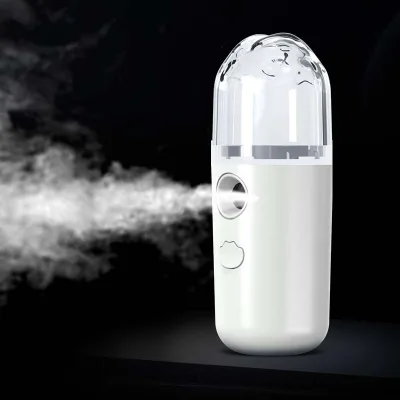
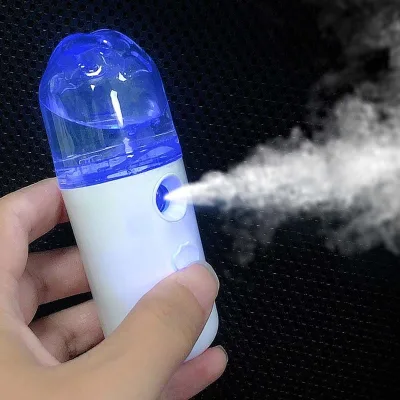
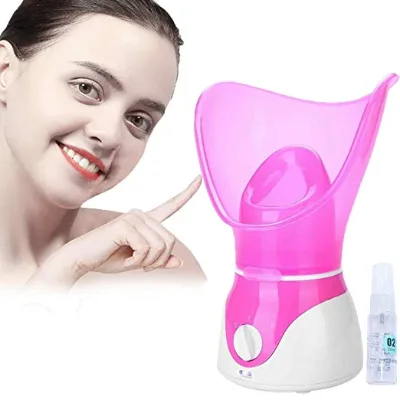
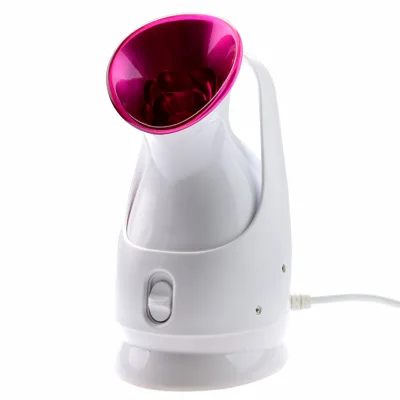
Explore 30 options for the Portable Nano Ionic Facial Steamer to compare features like ionic technology and vacuum dermabrasion. Buyers can evaluate specifications for facial skincare, skin rejuvenation, and deep cleansing applications across various power sources.
Key considerations
Products List
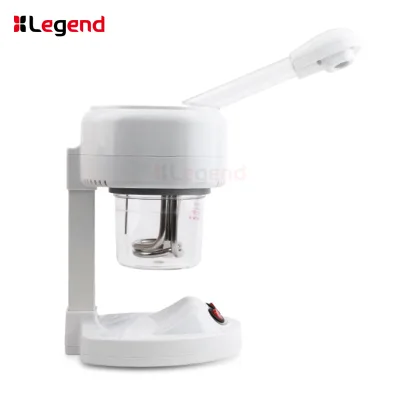


$38.00 - $40.00
MOQ: 2 Pieces


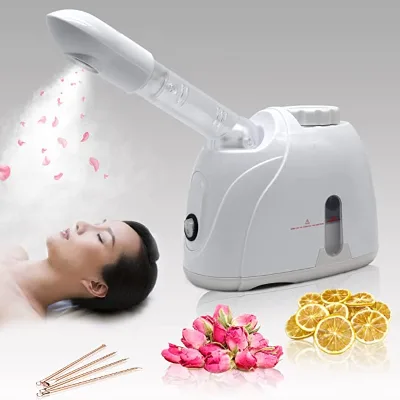


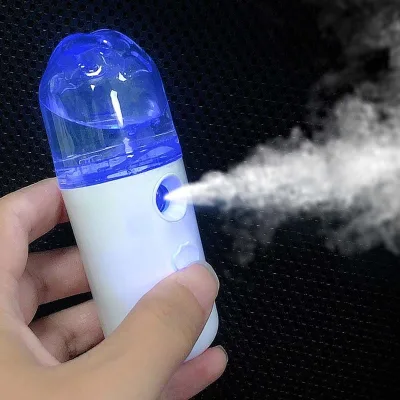


Comprehensive Sourcing Guide
Strategic Sourcing Guide for Portable Nano Ionic Facial Steamers
Understanding the Product Category and Core Functionality
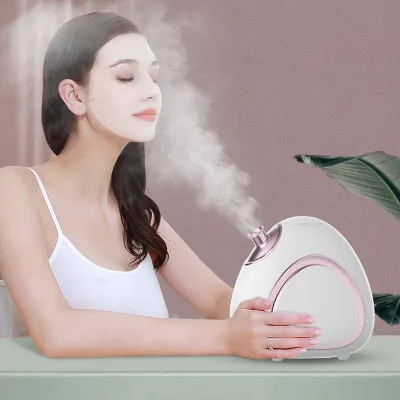
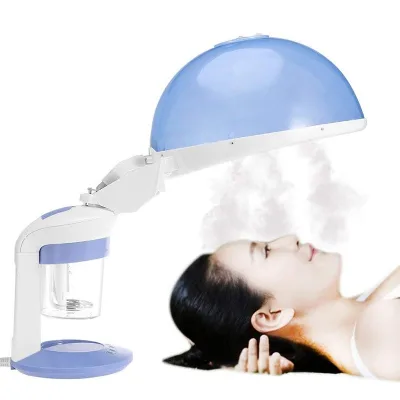
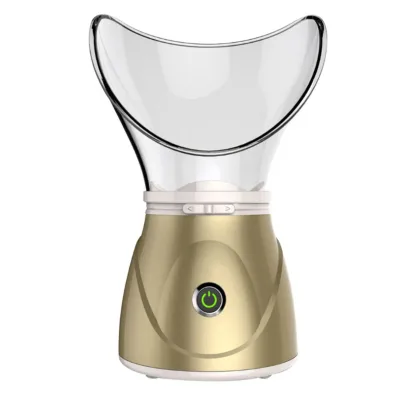
The global market for personal care devices has seen a significant shift toward multifunctional, home-use beauty tools that replicate professional salon treatments. At the center of this trend is the Portable Nano Ionic Facial Steamer, a device designed to enhance skin hydration and preparation through advanced vapor technology. Unlike traditional steamers that rely on simple boiling water, the nano ionic variant utilizes specific technologies to break down water molecules into microscopic particles. This process allows for deeper penetration into the skin's pores, facilitating better absorption of moisturizers and more effective cleansing.
When sourcing this category, buyers must first distinguish between the various functional claims often found in product listings. The core technology often cited is "Ionic Nano Technology," which is intended to generate negative ions that neutralize static electricity and help water droplets adhere more closely to the skin surface. However, the market also contains devices labeled with similar terms such as "Vacuum Dermabrasion" or "Microdermabrasion," which serve a fundamentally different mechanical purpose. A true nano ionic steamer focuses on hydration and pore opening, whereas microdermabrasion units are designed for physical exfoliation. Buyers must verify that the product specification explicitly aligns with the "Facial Steamer" or "Nano Sprayer" classification rather than a mechanical peeling machine, as the internal components and safety requirements differ significantly.
Technical Specifications and Operational Parameters
A rigorous evaluation of technical specifications is essential to ensure the device meets the intended performance standards for both home and commercial use. The power source is a primary differentiator in this category. While many professional-grade units operate on standard plug-in voltages ranging from 110V to 220V to accommodate global markets, portable variants often feature USB power sources or battery-operated capabilities. This distinction is critical for logistics and end-user convenience. A USB-powered unit offers portability and safety for travel, whereas a battery-operated model may require specific charging cycles and battery safety certifications.
The physical dimensions and weight of the unit are equally important for inventory planning and user experience. Observed specifications for similar devices indicate a single package size ranging from approximately 20x17x14 cm to 35x19x28 cm, with gross weights varying between 1.0 kg and 2.0 kg. The material composition is typically a blend of ABS plastic and metal, often stainless steel, to ensure durability and heat resistance. The tank capacity is another vital metric; smaller portable units often feature a 30ml tank, which limits continuous steaming time but enhances portability. Buyers should verify the exact tank capacity against their target usage scenarios, as a 30ml tank may require frequent refilling for extended treatments compared to larger salon-grade models.
Furthermore, the operating system and feature set define the device's efficacy. Features such as "Deep Cleansing," "Moisturizing," and "Nourishing" are common marketing descriptors, but the underlying technology must support these claims. The presence of "Hot Cold" functionality allows for temperature regulation, which can be beneficial for different skin types. However, the absence of a standardized operating system in portable devices means that performance consistency relies heavily on the quality of the heating element and the precision of the ionization mechanism. Buyers should request detailed technical datasheets that confirm the voltage compatibility, power consumption, and the specific mechanism used to achieve the nano ionic effect.
Compliance, Safety Standards, and Certification Verification
In the realm of electrical beauty devices, compliance with international safety standards is non-negotiable. Since these devices involve heating elements and water, the risk of electrical shock or burns is inherent. Buyers must verify that the supplier provides evidence of compliance with relevant safety standards for the target market. For devices originating from China, which is a primary hub for this manufacturing, the "Place of Origin" is frequently listed as Guangdong. While this indicates a manufacturing cluster, it does not guarantee compliance.
The electrical safety of the device depends heavily on the plug type and voltage rating. Listings often indicate compatibility with US, EU, AU, and UK plugs, suggesting the availability of interchangeable power cords or multi-voltage support. However, the buyer must confirm that the internal circuitry is certified for the specific voltage range (e.g., 110V/220V) to prevent overheating or failure. Additionally, the warranty period, often observed as 6 months for this category, serves as an indicator of the manufacturer's confidence in their product's durability and safety.
Regarding certifications, buyers should not accept generic claims without documentation. While specific certification bodies are not listed in the provided context, the device must meet the electrical safety requirements of the destination country. For the European market, this typically involves CE marking, while the US market requires UL or ETL certification. The material safety is also a concern; the use of ABS and stainless steel is standard, but the buyer must ensure that the plastics used are heat-resistant and free from harmful chemicals that could be released during the steaming process. The "After-sale Service" offering, such as online technical support, is a secondary indicator of supplier reliability but does not replace the need for formal product certification.
Cost Drivers and Procurement Economics
The pricing structure for portable nano ionic facial steamers is influenced by several key factors, including technology complexity, material quality, and order volume. The observed price range in the market spans from $0.99 to $61.36, a wide disparity that reflects differences in build quality, feature sets, and brand positioning. The lower end of this spectrum often corresponds to basic models with simple heating elements and minimal features, while the higher end includes units with advanced nano ionic technology, dual temperature control, and premium materials.
Minimum Order Quantity (MOQ) is another critical economic factor. Suppliers may offer MOQs ranging from 1 piece for sample orders to 3,000 pieces for bulk production. A typical MOQ for this category is often around 2 pieces, allowing for small batch testing. However, buyers seeking competitive unit pricing must be prepared to negotiate higher volumes. The "Selling Units" are typically listed as single items, meaning the price per unit is the primary metric for comparison.
Customization is a significant cost driver. Many suppliers offer customization options for branding, packaging, and even specific functional adjustments. While this adds value for private label buyers, it inevitably increases the unit cost and may extend lead times. The "Product Name" and "Model Number" variations, such as "T06" or "FS-W05," often correlate with different feature sets and price points. Buyers should analyze the cost-to-feature ratio carefully, ensuring that the premium paid for a specific model number translates into tangible performance benefits rather than superficial marketing claims.
Supplier Evaluation and Quality Assurance Protocols
Selecting the right supplier requires a multi-faceted approach that goes beyond price and MOQ. The "Place of Origin" being China, specifically Guangdong, suggests a mature supply chain, but it also necessitates rigorous due diligence. Buyers should evaluate the supplier's capacity for consistent quality control, particularly given the variation in observed specifications like package size and weight. A supplier that can consistently deliver units within the 20x17x14 cm to 35x19x28 cm range with a gross weight of 1.0 to 2.0 kg demonstrates a stable manufacturing process.
Quality assurance protocols should focus on the functional integrity of the nano ionic technology. Since "Vacuum Dermabrasion" and "Microdermabrasion" are sometimes confused with steaming, buyers must ensure the supplier understands the distinction and can provide test results that verify the ionization capability. The "Function" of the device, such as "Facial Moisturizing Water Replenish," must be demonstrable. Requesting sample units for independent testing is a best practice to verify claims regarding steam output, temperature consistency, and the effectiveness of the nano particle generation.
Furthermore, the "After-sale Service" provided by the supplier is a critical indicator of long-term partnership viability. Suppliers offering "Online Technical Support" can assist with troubleshooting and warranty claims, which is essential for maintaining customer satisfaction in the B2B channel. Buyers should also assess the supplier's flexibility regarding "Customization" and their ability to adapt to specific market requirements, such as different plug types or packaging standards.
Typical Applications and Market Positioning
The application scope of portable nano ionic facial steamers is broad, catering to both professional and personal use cases. The "Application" field often lists "Salon, Home," indicating versatility. In a professional salon setting, the device serves as a preparatory tool for facials, helping to open pores before extraction or to enhance the penetration of serums. In a home environment, it functions as a daily skincare tool for deep cleansing and hydration. The "Usage" is explicitly defined as "facial skincare" and "Skin Care Tools," reinforcing its role in the beauty regimen.
The "Style" of the device, described as "Skin Care Microdermabrasion Peel Machine" in some contexts, highlights the multifunctional nature of the market. However, for the specific keyword of a "nano ionic steamer," the primary application remains hydration and cleansing. The "Feature" set, including "Skin Revitalizer" and "Pigmentation Correctors," suggests that the device is marketed as a solution for various skin concerns. Buyers should align their procurement strategy with the specific needs of their target customer base. For instance, a retailer targeting home users may prioritize portability and USB power, while a salon supplier may focus on durability and continuous operation capabilities.
The "Keyword" associations such as "hot cold facial steamer" and "Relieve Fatigue" indicate that the device is also positioned as a wellness tool. This dual positioning allows for broader marketing strategies, appealing to consumers seeking both aesthetic and relaxation benefits. The "Portable" attribute, often listed as "Non Portable" for larger units but implied for smaller ones, dictates the logistics and marketing approach. A truly portable unit with a 30ml tank is ideal for travel and on-the-go use, whereas a larger, non-portable unit is better suited for stationary home or salon use.
Long-Term Procurement Considerations and Sustainability
Sourcing decisions should extend beyond the initial transaction to consider long-term viability and sustainability. The "Warranty" period of 6 months is a standard benchmark, but buyers should negotiate terms that reflect the expected lifespan of the device. Given the "Material" composition of ABS and stainless steel, the device should have a reasonable durability, but the heating element and water tank are potential points of failure. Buyers should inquire about the availability of spare parts and the supplier's policy on replacements for defective units.
Sustainability is an emerging concern in the beauty device sector. The "Product Packing" is typically a "Carton," and buyers should evaluate the environmental impact of this packaging. Reducing packaging waste and using recyclable materials can be a differentiator in the market. Additionally, the energy efficiency of the device, particularly for USB or battery-operated models, is a factor that can influence consumer adoption and brand reputation.
Finally, the "Customization" availability offers an opportunity for buyers to differentiate their product line. Whether through branding, packaging, or specific feature modifications, customization allows for a tailored offering that meets niche market demands. However, buyers must balance the benefits of customization with the potential increase in complexity and cost. A strategic approach involves starting with standard models to validate the market and then gradually introducing customized variants based on customer feedback and sales data. This phased approach minimizes risk while allowing for growth and adaptation in a competitive marketplace.
FAQs
What power sources are available for portable nano ionic facial steamers?
These devices typically operate via plug-in power or USB connections. Some models support both standard voltages like 110V and 220V, while others rely on battery or vehicle power supplies for enhanced portability during travel.
Which materials are commonly used in the construction of these steamers?
Manufacturers predominantly use a blend of ABS plastic and stainless steel to ensure durability and heat resistance. This material combination helps maintain structural integrity while preventing corrosion during repeated exposure to steam and water.
How does the tank capacity affect the usage duration of the device?
Smaller portable units often feature a 30ml tank capacity, which limits continuous steaming time but enhances portability. Users may need to refill the tank frequently for extended treatments compared to larger salon-grade models with higher capacities.
Can buyers request customization for branding and packaging on these units?
Yes, customization is available for branding, packaging, and specific functional adjustments. While this adds value for private label buyers, it inevitably increases the unit cost and may extend lead times for production and delivery.
What is the typical warranty period offered for these beauty devices?
The standard warranty period for this category is typically six months. This duration serves as an indicator of the manufacturer's confidence in their product's durability and safety regarding electrical components and heating elements.
Where are these portable facial steamers primarily manufactured?
The primary place of origin for these devices is China, specifically the Guangdong region. This location indicates a mature supply chain but requires rigorous due diligence to ensure consistent quality control and safety compliance.