Source Portable Multifunctional 3in1 Face and Body Care Machine for salons, spas, and home use
Compare 30 listings of the Portable Multifunctional 3in1 Face and Body Care Machine from verified suppliers in Guangdong. Buyers can evaluate specifications like power, weight, and certifications to find suitable options for commercial salons, beauty spas, or personal home care routines.
Key considerations
Products List
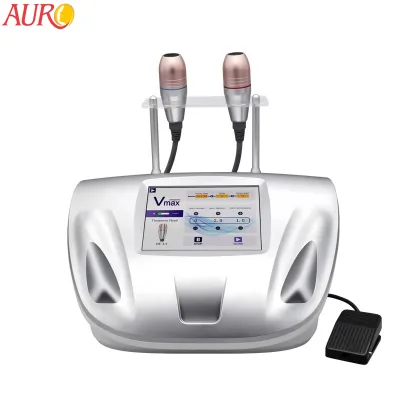
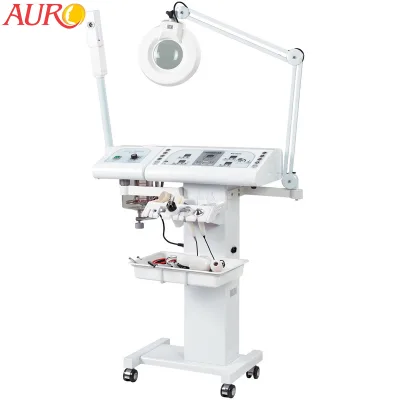
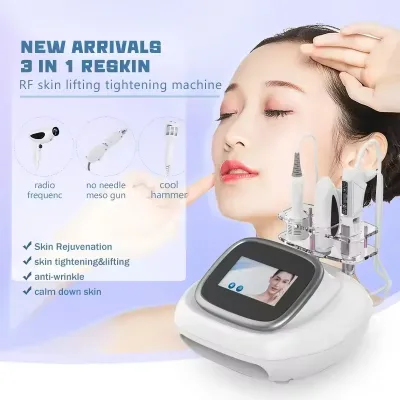
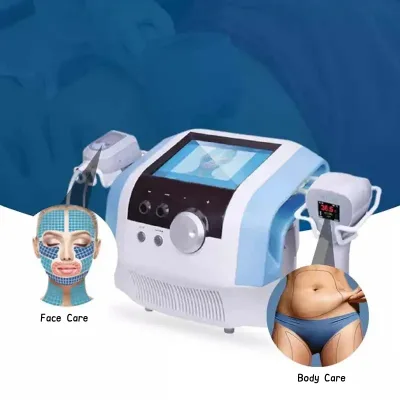


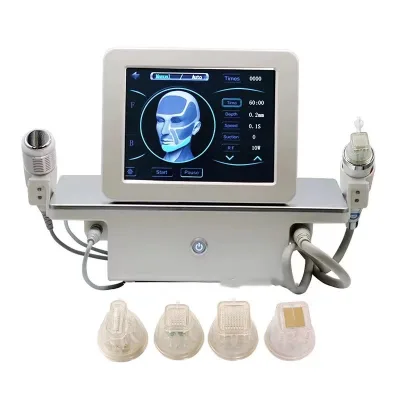
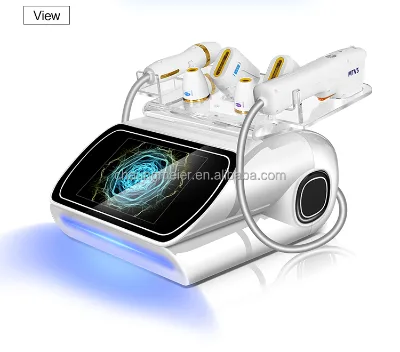



Portable 10 in 1 Multifunctional Oxygen Facial Machine for Skin Lifting
$590.00 - $790.00
MOQ: 1 Pieces


Professional Beauty Machine Beauty Device Hydrating and Resurfacing Skin Machine
$374.00 - $419.00
MOQ: 1 Pieces


Comprehensive Sourcing Guide
Strategic Sourcing Guide for Portable Multifunctional 3in1 Face and Body Care Machines
Understanding Technical Specifications and Functional Capabilities
When sourcing a Portable Multifunctional 3in1 Face and Body Care Machine, buyers must first dissect the technical architecture that defines the device's operational scope. The market offers devices ranging from compact, single-purpose units to complex desktop systems. Based on observed product attributes, a true multifunctional unit often integrates multiple treatment modalities into a single chassis. For instance, specific models in the current supply chain are engineered with "11 in 1" functional capabilities, combining skin rejuvenation, wrinkle removal, and fat reduction technologies.
The power consumption and electrical requirements are critical variables for procurement. Devices in this category typically operate on standard mains voltage, with observed specifications indicating compatibility with 110V/220V at 50-60Hz. This dual-voltage capability is essential for buyers targeting international markets or commercial salons that may operate on different grid standards. Power ratings vary significantly based on the intensity of the treatment; while some portable units operate at 500W, more robust commercial-grade machines may require 750W to drive their multiple handpieces simultaneously.
The physical construction of these machines dictates their portability and durability. The material composition is predominantly a hybrid of ABS plastic and stainless steel. The ABS component provides the lightweight, impact-resistant housing necessary for a portable design, while stainless steel is often utilized for the treatment probes or handpieces to ensure hygiene and thermal conductivity. The weight of these units is a primary differentiator; compact home-use models may weigh approximately 3kg, whereas larger commercial desktop units can exceed 38kg. Buyers must align the weight specification with their intended use case, whether it is a mobile aesthetician traveling between clients or a stationary unit in a clinic.
Compliance, Certification, and Electrical Safety Standards
Regulatory compliance is the most significant risk factor in the beauty equipment sector. Unlike consumer electronics, medical-grade or high-power aesthetic devices often require specific certifications to be legally sold in target markets. In the observed supply data, the CE certification is explicitly listed for certain models. This indicates compliance with European Union safety, health, and environmental protection requirements. However, the absence of a listed certification for a specific listing does not confirm non-compliance; it merely reflects the data provided on the product page.
Buyers must verify that the "Plug Type" matches the destination market's standards. The supply chain shows a wide variety of plug configurations, including AU, UK, EU, US, CN, and JP types. Relying on a supplier to provide the correct plug adapter is standard, but the underlying electrical safety of the device must be independently verified. For markets like the United States, UL certification or ETL listing is often mandatory, while the UK requires UKCA or CE marking.
Waterproof ratings are another critical compliance and safety metric. The observed data explicitly notes "No" for waterproof capabilities in certain models. This is a crucial distinction for buyers planning to use these machines in environments where liquids are present, such as near sinks or during hydro-therapy treatments. If a device is not rated for moisture resistance, it poses a safety hazard and may void insurance coverage in a commercial setting. Buyers should request specific IP (Ingress Protection) ratings from suppliers to confirm the device's resistance to dust and water, rather than assuming a general "waterproof" status based on marketing claims.
Cost Drivers and Pricing Structure Analysis
The pricing of portable multifunctional machines is influenced by a complex interplay of power output, material quality, and functional complexity. The observed price range in the market spans from approximately $8.36 to $4,900. This extreme variance indicates that "multifunctional" is a broad term covering both entry-level home devices and high-end commercial systems. The lower end of the spectrum likely corresponds to simpler units with fewer handpieces and lower wattage, while the upper end reflects machines with advanced RF, laser, or ultrasound technologies and robust commercial build quality.
Material costs are a primary driver of the higher price points. The use of medical-grade stainless steel for handpieces and high-grade ABS for the chassis adds to the manufacturing cost compared to devices made entirely of plastic. Additionally, the complexity of the internal circuitry required to support "11 in 1" functions or specific treatments like "no-needle meso gun" technology increases the unit price.
Minimum Order Quantity (MOQ) also impacts the effective cost per unit. The observed MOQ range is between 1 and 3 units. This low barrier to entry allows small businesses and individual buyers to test the market without significant capital commitment. However, for larger procurement needs, buyers should negotiate tiered pricing structures. The "Selling Units" are typically listed as single items, but bulk purchasing often unlocks better margins. Buyers should also consider the cost of after-sales support, which is often bundled into the price. Suppliers offering video technical support and online support may charge a premium, but this value can reduce long-term operational costs by minimizing downtime.
Typical Applications and Target Market Segmentation
The application scope of these machines defines their market fit. The data indicates a bifurcation between "Home Use" and "Commercial" applications. Home-use devices are generally lighter, with weights around 3kg, and feature simpler interfaces. They are designed for personal skin care, targeting areas such as the face, neck, and hands. The "Style" for these units is often described as "portable," emphasizing ease of storage and transport within a household.
Commercial applications, conversely, demand higher durability and power. Devices intended for salons and clinics often feature "Desktop" styles and significantly higher weights, such as 38.5kg, to ensure stability during intensive use. These machines are built to handle high-frequency usage and often include advanced features like "Skin Tightening," "Skin Rejuvenation," and "Wrinkle Remover" functions that require precise calibration. The target areas for commercial units are broader, encompassing the body, legs, arms, and even specialized zones like the nose or head.
The versatility of these machines allows them to serve multiple business models. A single unit can be marketed for "anti-aging," "skin rejuvenation," and "fat reduction," appealing to a wide demographic of clients seeking non-invasive cosmetic solutions. The "Logo: Customized Logo Accept" attribute highlights the importance of branding in the commercial sector. Salons and clinics often require OEM or ODM services to brand the equipment with their own identity, which is a key differentiator in a crowded market.
Supplier Evaluation and Operational Due Diligence
Evaluating suppliers for beauty equipment requires a rigorous approach beyond simple price comparison. The "Place of Origin" for the observed products is consistently listed as Guangdong, China. This region is a known hub for manufacturing electronic and aesthetic devices, but it also necessitates careful vetting of individual factories. Buyers should verify the supplier's capacity to provide the specific certifications required for their target market, such as CE, FDA, or local equivalents.
The "After-sales service provided" is a critical metric for supplier reliability. The observed data lists "Video technical support" and "Online support" as standard offerings. Buyers should test the responsiveness of these support channels before finalizing a contract. A supplier that offers comprehensive support can significantly reduce the risk of equipment failure causing business interruptions. Additionally, the "Warranty" period is a strong indicator of supplier confidence. While a 12-month or 1-year warranty is common, buyers should scrutinize the terms of coverage. Does the warranty cover parts, labor, or both? Are there exclusions for commercial use?
The "Model Number" serves as a unique identifier for due diligence. Specific models like "Au-S505-P7" or "H-035" allow buyers to trace the product history and verify technical specifications against independent reviews or industry standards. Buyers should request detailed technical datasheets that match the model number provided to ensure that the "Single package size" and "Single gross weight" align with the physical reality of the shipment. Discrepancies in packaging dimensions can lead to unexpected shipping costs and logistical challenges.
Quality Control and Long-Term Procurement Considerations
Implementing a robust quality control (QC) protocol is essential for mitigating the risks associated with importing complex electronic devices. Given the variation in materials, such as the mix of ABS and stainless steel, buyers should verify the quality of the welds and the finish of the metal components. For devices with multiple handpieces, the connection points between the main unit and the handles must be tested for durability and signal integrity.
The "Single package size" and "Package" dimensions are vital for logistics planning. For example, a unit with a package size of 56x39x34 cm will have different shipping requirements compared to a larger unit measuring 104x77x51 cm. Buyers should calculate the cubic volume to optimize container loading and reduce freight costs. The "Single gross weight" of 3.000 kg versus 38.5kg also impacts shipping classification and insurance premiums.
Long-term procurement considerations include the availability of replacement parts and the longevity of the device. The "Function" of the machine, such as "Skin care" or "Fat reduction," should be validated through performance testing rather than relying solely on marketing claims. Buyers should request sample units for internal testing to verify the "Feature" claims, such as "Skin Tightening" efficacy. Furthermore, the "Service" aspect, including ODM/OEM capabilities, should be evaluated for future scalability. A supplier that can customize the device for future product iterations adds significant value to the procurement relationship.
| Attribute Category | Home/Personal Use Observation | Commercial/Salon Use Observation |
|---|---|---|
| Weight | ~3 kg | ~38.5 kg |
| Power | 500W | 750W |
| Package Size | 56x39x34 cm | 104x77x51 cm |
| Function Count | Basic (e.g., Wrinkle Removal) | Advanced (e.g., 11 in 1) |
| Style | Portable | Desktop |
| Warranty | 12 Months | 1 Year |
| Target Area | Face, Neck, Hands | Body, Legs, Arms, Full Face |
In conclusion, sourcing a Portable Multifunctional 3in1 Face and Body Care Machine requires a balanced approach that weighs technical specifications against compliance requirements and cost factors. By rigorously verifying certifications, understanding the nuances of power and material specifications, and evaluating supplier support capabilities, buyers can secure reliable equipment that meets both regulatory standards and market demands. The diversity in the supply chain, from lightweight portable units to heavy-duty commercial systems, offers ample opportunity for strategic procurement, provided that due diligence is maintained throughout the selection process.
FAQs
What certifications do these machines typically have?
Some models in the supply chain hold CE certification for European safety standards. Buyers must verify specific listings for this marking as it is not guaranteed on every product page. Always request documentation to confirm compliance before purchasing for commercial use.
Can these devices operate on different voltage standards?
Yes, observed specifications indicate compatibility with 110V and 220V at 50-60Hz. This dual-voltage capability allows use in various international markets. Ensure the selected unit includes the correct plug type for your specific destination country.
Which materials are used to construct the machine body?
The housing is typically made from a combination of ABS plastic and stainless steel. This mix provides impact resistance for portability while ensuring hygiene for the treatment probes. The weight varies from 3kg for portable units to over 38kg for desktop models.
How long is the warranty period for these units?
The standard warranty period listed for these devices is 12 months or one year. This coverage typically applies to manufacturing defects but may exclude commercial wear and tear. Buyers should confirm specific terms regarding parts and labor before finalizing the order.
What is the minimum order quantity for these machines?
The observed minimum order quantity ranges from 1 to 3 units for most suppliers. This low barrier allows small businesses to test the market without large capital commitment. Bulk purchasing may unlock better pricing tiers depending on the specific vendor agreement.
Can suppliers provide customized branding for these machines?
Yes, many suppliers accept customized logo requests and offer OEM or ODM services. This allows salons and clinics to brand the equipment with their own identity. Buyers should discuss specific branding requirements and associated costs during the negotiation phase.
Where are these machines typically manufactured?
The place of origin for the observed products is consistently Guangdong, China. This region is a known hub for manufacturing electronic and aesthetic devices. Buyers should verify the specific factory location to ensure quality control and reliable logistics.