Source Portable Muslim Prayer Compass for Travel, Home, and Outdoor Use
Find and compare 30 Portable Muslim Prayer Compass options designed for travelers, home users, and outdoor enthusiasts. These handheld guides assist with accurate direction finding during prayer times, featuring compact designs and various material choices like ABS or chemical fiber for durability and portability.
Key considerations
Products List




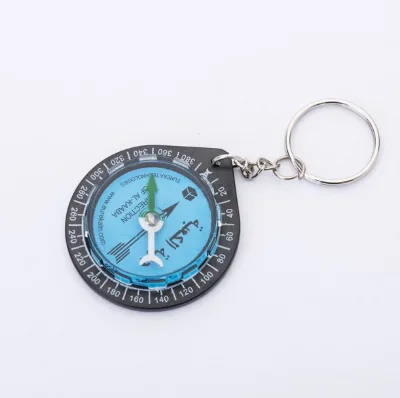
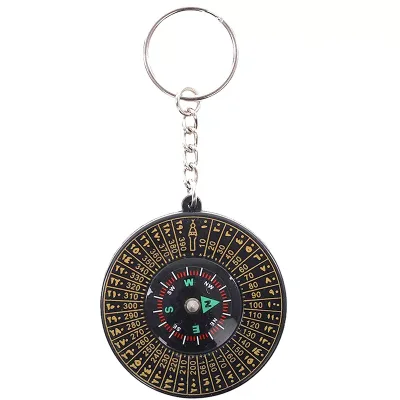
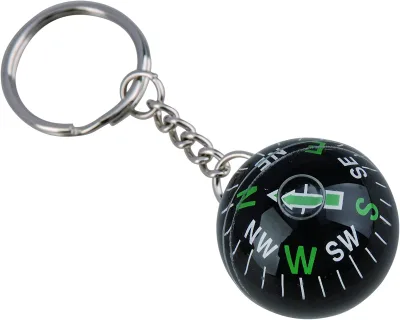
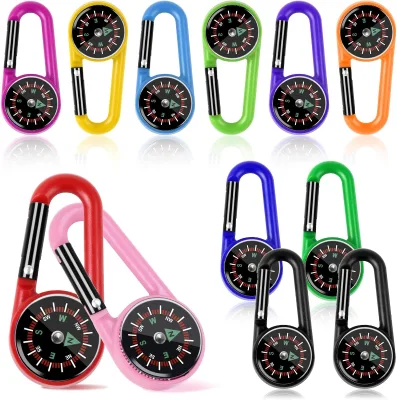
Comprehensive Sourcing Guide
Portable Muslim Prayer Compass Sourcing Guide
Sourcing portable Muslim prayer compasses requires a nuanced understanding of the intersection between religious utility and travel convenience. These devices are not merely navigational tools but are often integrated into broader prayer kits or standalone mats designed for Muslims who travel frequently or lack access to fixed prayer spaces. The core value proposition lies in the device’s ability to provide accurate Qibla direction while remaining compact enough for pocket or bag storage. Buyers must recognize that this category often overlaps with general outdoor gear and religious accessories, meaning suppliers may list these items under various keywords such as "travel prayer mat," "pocket prayer mat," or "compass-muslim." Understanding this semantic flexibility is crucial for effective supplier discovery and accurate demand forecasting.
The procurement landscape for these items is characterized by a high degree of customization and a wide variance in material quality. While the primary function is directional guidance, many modern iterations combine the compass with a small prayer mat or adhesive backing, creating a hybrid product. This duality means that buyers must evaluate both the mechanical accuracy of the compass mechanism and the durability of any accompanying textile components. The market is dominated by OEM and private label opportunities, allowing retailers to brand these essential items for their specific customer base. Consequently, the sourcing strategy must focus on suppliers who can manage both the technical aspects of the compass and the aesthetic requirements of the religious design elements.
Product Scope and Observed Listing Signals
The observed market signals indicate a diverse range of product configurations, from simple handheld compasses to integrated prayer mats with embedded directional guides. Listings frequently reference specific models such as "compass-muslim" and "prayer mat," suggesting that buyers should expect variations in form factor. Some products are strictly mechanical, relying on a pointer dial display, while others may include additional features like adhesive protective layers or anti-bacterial treatments. The size specifications observed, such as 10.3x1.2cm for the compass component and 60x100cm or 70x110cm for the mat component, highlight the need for precise dimensional verification. Buyers must clearly define whether they are sourcing the standalone compass or the complete prayer kit, as these are often treated as distinct SKUs by suppliers.
Material composition is another critical signal that varies significantly across listings. The core compass housing is typically made from ABS plastic, chosen for its durability and cost-effectiveness, while the accompanying prayer mats may be constructed from chemical fiber or other textiles. Some listings mention "Hand Made" techniques, which may apply to the mat’s design or embroidery, while others specify "Jacquard" technics for more complex patterns. The presence of features like "Anti-Slip" or "Waterproof" claims requires careful scrutiny, as these attributes may apply to the mat rather than the compass itself. Buyers should treat these feature lists as observations of potential product variations rather than guaranteed specifications for every item in the category, ensuring that the final product matches the intended use case.
Technical Specifications to Verify
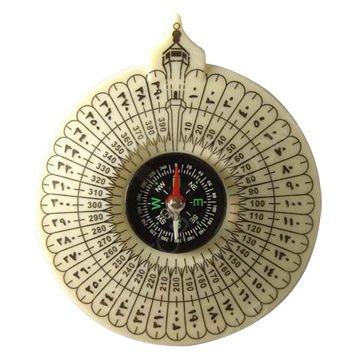
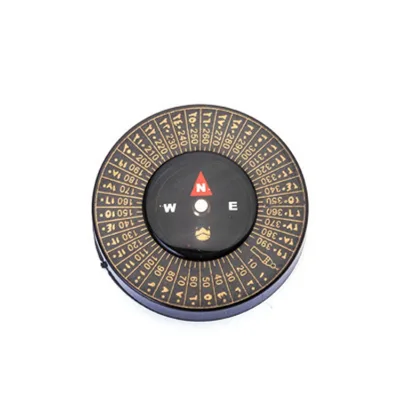
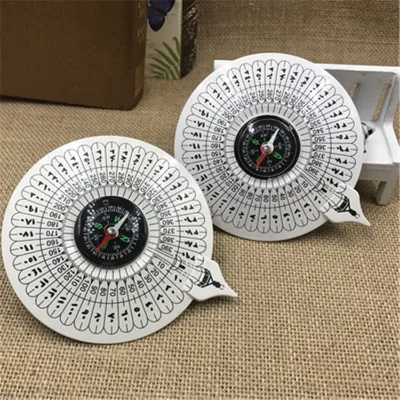
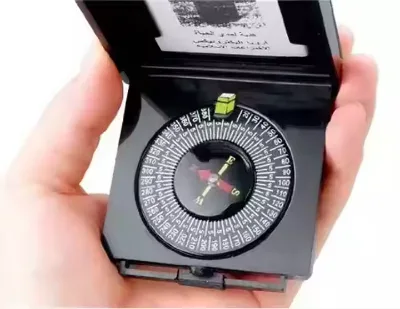
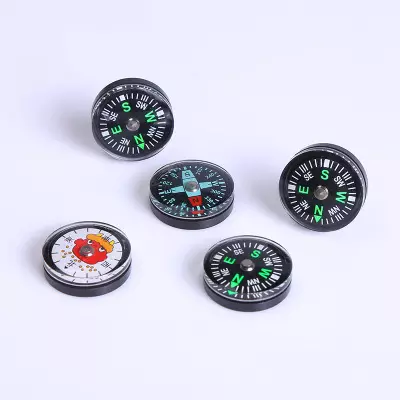
Verifying the technical accuracy of the compass mechanism is paramount, as the primary function is to provide reliable Qibla direction. Buyers should request detailed specifications regarding the compass type, whether it is a standard magnetic needle or a more advanced liquid-filled variant that reduces needle oscillation. The dial display should be clearly marked with cardinal directions and the Qibla angle relative to the user’s current location. Additionally, the thickness and diameter of the compass, such as the observed 5mm thickness and 47mm diameter, are critical for determining portability. These dimensions directly impact how easily the device can be carried in a pocket or attached to a travel bag, so precise measurements must be confirmed before placing bulk orders.
The integration of the compass with prayer mats introduces additional technical considerations, particularly regarding size and material compatibility. If sourcing a combined product, buyers must verify the mat’s dimensions, such as the observed 60x100cm or 70x110cm standards, to ensure they meet regional preferences for prayer space. The material’s weight, observed at around 90g for some items, affects overall portability, so lightweight options should be prioritized for travel-focused products. Furthermore, the design elements, including Muslim or Oriental patterns, must be culturally appropriate and visually clear. Buyers should also check if the compass is embedded in a way that does not interfere with the mat’s foldability or durability, ensuring that the mechanical and textile components work harmoniously.
Compliance and Safety Documentation
While prayer compasses are generally low-risk products, compliance with general consumer safety standards is still necessary, particularly if the product is marketed for use by children or in educational settings. Buyers should verify that the ABS plastic used in the compass housing is free from harmful chemicals such as BPA or phthalates, especially if the product involves direct skin contact or is handled frequently. Although specific waterproof standards may not apply to the compass itself, any textile components should be evaluated for flammability and chemical safety, particularly if they are treated with anti-bacterial or adhesive protective coatings. Requesting material safety data sheets (MSDS) for the chemical fiber or any coatings used in the mat can provide assurance that the product meets basic safety expectations.
Labeling and packaging compliance are also critical aspects of the documentation process. Products must be clearly labeled with the country of origin, which is often China for these items, and include accurate material composition details. Buyers should ensure that the packaging, whether it is OPP bags or cartons, provides sufficient protection during transit and includes all necessary warning labels or usage instructions. If the product is marketed as "shockproof" or "waterproof," these claims must be substantiated by appropriate testing documentation to avoid misleading consumers. Additionally, any customization of logos or designs must respect intellectual property rights and cultural sensitivities, ensuring that the final product does not infringe on trademarks or contain inappropriate imagery.
Cost Drivers and Commercial Terms
The cost of portable Muslim prayer compasses is influenced by several factors, including material quality, customization complexity, and order volume. The observed price range of $0.05 to $15 USD reflects the vast difference between simple, unbranded compasses and premium, fully integrated prayer kits with custom packaging. Buyers should anticipate higher unit costs for products that include additional features such as anti-bacterial treatments, waterproof coatings, or intricate Jacquard designs. The minimum order quantity (MOQ) ranges from 10 to 3000 units, offering flexibility for both small retailers and large distributors. Understanding these MOQs is essential for budgeting, as smaller orders may incur higher per-unit costs due to setup fees for customization.
Commercial terms such as lead times and sample availability also play a significant role in the procurement process. Samples are typically available within three working days, allowing buyers to evaluate product quality before committing to large orders. However, bulk production lead times can vary depending on the complexity of the customization and the supplier’s current workload. Buyers should negotiate clear terms regarding payment methods, shipping responsibilities, and return policies for defective items. It is also important to consider the cost of shipping, especially for lightweight items like compasses, where freight costs can significantly impact the final landed cost. Establishing a transparent pricing structure that accounts for all variables will help avoid unexpected expenses during the sourcing process.
Supplier Qualification and Quality Control
Selecting the right supplier requires a thorough evaluation of their manufacturing capabilities and quality control processes. Buyers should prioritize suppliers who have experience in producing religious accessories or outdoor gear, as this indicates a familiarity with the specific requirements of the product category. Verification of the supplier’s production facilities, including their ability to handle both ABS molding and textile manufacturing, is essential for integrated products. Requesting references or case studies from previous clients can provide insight into the supplier’s reliability and consistency. Additionally, buyers should assess the supplier’s responsiveness to customization requests, as this is a key differentiator in this market.
Quality control measures should be implemented at multiple stages of production to ensure product consistency. Buyers should establish clear acceptance criteria for both the compass mechanism and the prayer mat components, including checks for directional accuracy, material durability, and aesthetic quality. Random sampling during production and pre-shipment inspections can help identify defects early and prevent costly recalls. It is also important to verify that the supplier adheres to ethical manufacturing practices, particularly if the product involves hand-made elements or complex textile work. Building a strong relationship with the supplier through regular communication and feedback can lead to continuous improvement and better product outcomes over time.
Long-Term Procurement Checks
Long-term success in sourcing portable Muslim prayer compasses depends on the ability to adapt to changing market trends and consumer preferences. Buyers should regularly review product performance data, including customer feedback and return rates, to identify areas for improvement. Monitoring competitor offerings and emerging technologies, such as digital compasses or smart prayer mats, can help maintain a competitive edge. Additionally, staying informed about cultural and religious developments can ensure that product designs remain relevant and respectful. Building a diversified supplier base can mitigate risks associated with supply chain disruptions and provide flexibility in sourcing different product variations.
Sustainability and ethical sourcing are increasingly important considerations for modern buyers. Evaluating suppliers’ environmental practices, such as their use of recyclable materials or energy-efficient manufacturing processes, can enhance brand reputation and appeal to eco-conscious consumers. Buyers should also consider the lifecycle of the product, including its end-of-life disposal options, and work with suppliers to minimize waste. Regular audits of supplier compliance with labor and environmental standards can help ensure that the supply chain remains ethical and sustainable. By focusing on long-term relationships and continuous improvement, buyers can build a resilient and responsible sourcing strategy for portable Muslim prayer compasses.
FAQs
What is the size of the Portable Muslim Prayer Compass?
The Portable Muslim Prayer Compass measures 10.3x1.2cm with a diameter of 47mm. This compact design allows for easy handheld carrying during mountain-climbing or other outdoor activities while maintaining a pointer dial display for accurate direction finding.
Can I customize the logo on the Portable Muslim Prayer Compass?
Yes, customization is available for the Portable Muslim Prayer Compass with options for a customized logo. The product features an OEM brand name and is made from ABS material, allowing buyers to request specific branding details before placing an order.
What materials are used to make the Portable Muslim Prayer Compass?
The Portable Muslim Prayer Compass is constructed from ABS material for durability. Some related prayer mats in this category utilize chemical fiber or are hand-made with jacquard technics, but the compass unit itself relies on the sturdy ABS construction for its handheld form.
How much does the Portable Muslim Prayer Compass weigh?
The Portable Muslim Prayer Compass weighs 90g, making it lightweight for travel. This weight supports its use as a single item in retail packages, ensuring it remains easy to carry in a pocket or bag during various outdoor activities like mountain-climbing.
Is the Portable Muslim Prayer Compass waterproof?
The Portable Muslim Prayer Compass does not have a waterproof standard. While some related prayer mats feature waterproof attributes, the compass unit itself is not shockproof or waterproof, so users should handle it carefully during outdoor exposure to moisture.
What is the minimum order quantity for the Portable Muslim Prayer Compass?
The minimum order quantity ranges from 10 to 3000 units depending on the specific supplier configuration. Buyers can find single item selling units or bulk options, with packaging available in OPP bags or cartons based on the order volume and customization needs.
Where is the Portable Muslim Prayer Compass manufactured?
The Portable Muslim Prayer Compass originates from China. This location is the standard origin for the product, which includes various models like the compass prayer mat and travel prayer mat, all designed for home, commercial, or outdoor prayer usage.