Source Portable Multifunction Baby Crib for Bedroom, Travel, and Nursery
Compare 30 listings for the Portable Multifunction Baby Crib featuring adjustable heights, various materials like metal and wood, and styles ranging from European to modern. Buyers can evaluate certifications, dimensions, and customization options to find suitable suppliers.
Key considerations
Products List


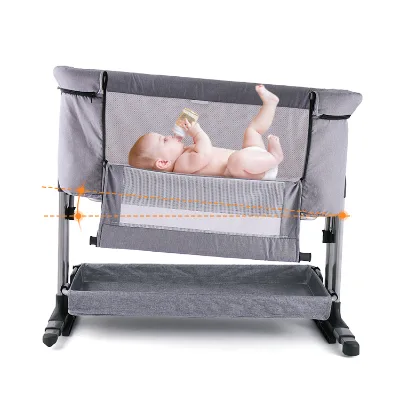
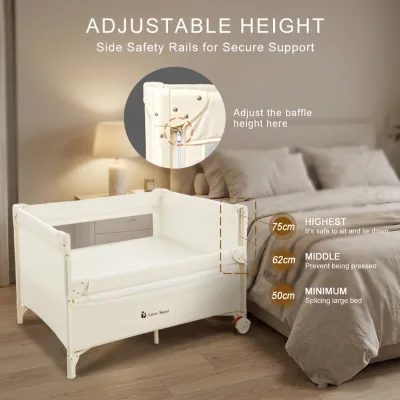
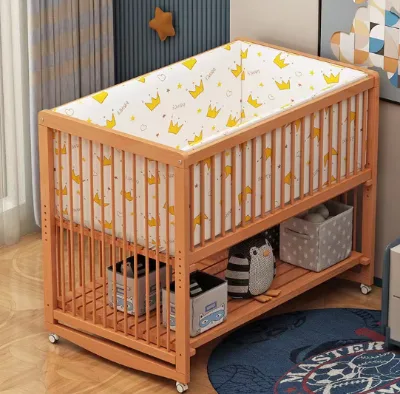
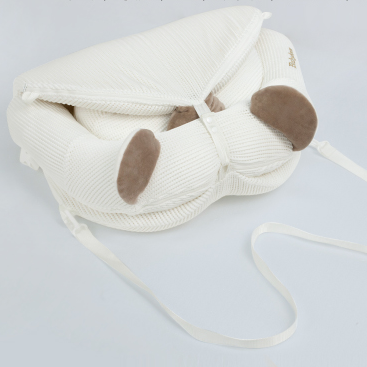

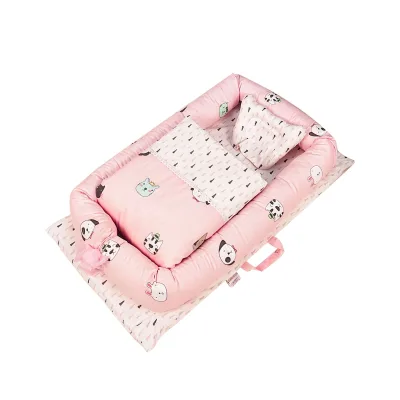


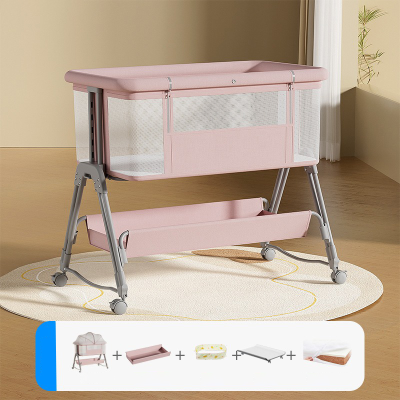
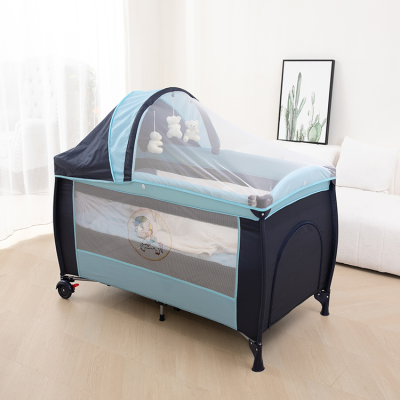
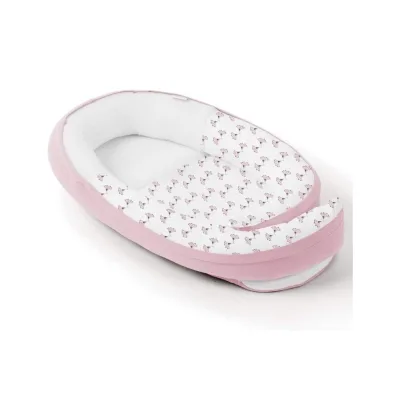
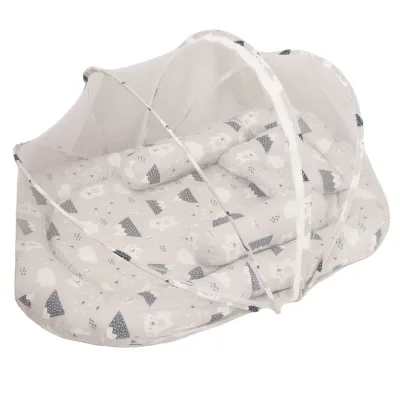
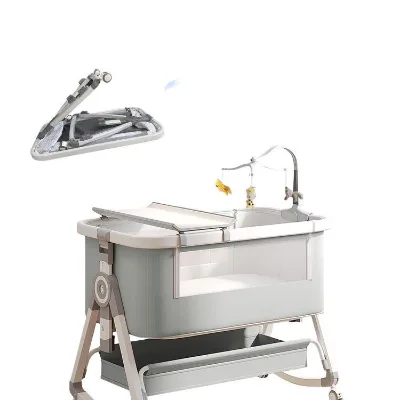


Comprehensive Sourcing Guide
Strategic Sourcing Guide for Portable Multifunction Baby Cribs
Defining Technical Specifications and Functional Attributes
When sourcing a Portable Multifunction Baby Crib, the primary objective is to identify products that balance portability with structural integrity and extended usability. The market offers a diverse array of configurations, ranging from simple foldable units to complex systems that convert into day beds. Buyers must scrutinize the core technical specifications provided by suppliers to ensure the product aligns with operational needs. A critical observation in the current market landscape is the variation in material composition. While some units are constructed from metal, others utilize wood or aluminium, each offering distinct advantages regarding weight, durability, and aesthetic appeal. For instance, aluminium models are often favored for their lightweight properties, with specific listings indicating weights as low as 0.85kg, whereas wooden variants may offer a more traditional aesthetic but typically carry a higher mass.
The functional versatility of these cribs is a paramount consideration for modern procurement. The "multifunctional" designation often implies a conversion capability, such as the transition from a standard crib to a day bed, a feature explicitly noted in several product listings. This functionality extends the product lifecycle, allowing the unit to serve a child from infancy through the toddler years. Furthermore, the physical dimensions are a decisive factor in portability. Specifications vary significantly, with standard dimensions ranging from compact sizes like 60cm by 122cm to larger configurations such as 110cm by 76cm. Buyers should verify the exact footprint of the product, as the "folded" state is a key attribute for travel. Some units are listed as "folded" or "disassembly" capable, which suggests they can be broken down into smaller components for easier transport, a feature that is distinct from simple folding mechanisms.
Height adjustability is another technical parameter that requires careful verification. While some models are marketed as having adjustable heights to accommodate different mattress levels or user preferences, other listings explicitly state that the height is "unadjustable." This distinction is crucial for buyers with specific ergonomic requirements or those looking to match existing furniture heights. The style of the crib, whether European, American, Simple, or Modern, also influences the design language and the target demographic. For example, a "Simple" style may appeal to minimalist households, while an "American" or "European" style might align with specific interior design trends. The application context, typically identified as "Bedroom," further dictates the necessary features, such as stability and noise reduction during sleep cycles.
Compliance, Certification, and Safety Standards
Safety and regulatory compliance form the bedrock of any procurement strategy involving baby products. In the context of portable multifunction baby cribs, buyers must prioritize products that adhere to recognized international safety standards. The market data indicates that specific testing standards, such as EN716, are relevant to this category. EN716 is a European standard concerning the safety of baby cots and baby beds, and its presence in a product listing is a strong indicator of compliance with rigorous structural and mechanical safety requirements. However, buyers should not assume that all listed products automatically meet this standard; rather, they must request and verify the specific test reports associated with the model number, such as H01 or BNB-5707, to confirm active certification.
Beyond product-specific testing, the manufacturing environment plays a significant role in ensuring consistent quality. Many suppliers in the sector operate under integrated management systems, with certifications like ISO9000 and ISO14001 being frequently observed. ISO9000 relates to quality management systems, ensuring that the production process is consistent and capable of meeting customer requirements, while ISO14001 addresses environmental management, indicating a commitment to sustainable manufacturing practices. These certifications are often listed alongside product attributes, such as color (e.g., Grey, Green) or condition (New), serving as a proxy for the supplier's operational maturity. It is essential for buyers to treat these certifications as verified attributes of the specific supplier rather than generic claims for the entire category.
Color and finish are also part of the compliance and safety profile, particularly regarding the use of non-toxic materials. Listings often specify colors like Grey or Green, which implies the use of specific paints or finishes that must be free from harmful substances like lead or phthalates. The condition of the product, consistently listed as "New," reinforces the expectation that the item is free from prior wear or damage that could compromise safety. Buyers should also be aware of the origin of the product, with major manufacturing hubs identified as China, specifically regions like Xiamen and Zhejiang. While these locations are known for robust manufacturing capabilities, the specific origin can influence logistics costs and lead times, which must be factored into the overall compliance and supply chain risk assessment.
Cost Drivers and Pricing Dynamics
Understanding the cost structure of portable multifunction baby cribs is essential for developing a competitive procurement strategy. The observed price range in the market spans from approximately $4.56 to $350, a wide spectrum that reflects significant variations in material quality, brand positioning, and functional complexity. The lower end of this range typically corresponds to basic models made from lighter materials like aluminium or simple metal frames, often with minimal customization options. These units may lack advanced features such as height adjustability or complex conversion mechanisms. Conversely, the higher price points are generally associated with premium materials like wood, sophisticated multifunctional designs, and established brand names such as Jiahe.
Several key factors drive the cost of these products. Material selection is a primary driver; wood and aluminium command different price points based on raw material costs and processing requirements. The inclusion of customization options, which are widely available in the market, also adds to the cost. Customization can range from specific color requests to tailored dimensions or branding, requiring additional production setup and quality control measures. The complexity of the design, particularly the ability to convert from a crib to a day bed, involves more intricate engineering and assembly, which increases manufacturing costs. Additionally, the packaging method, whether it is a brown carton or an OPP polybag, influences the final price, as more robust packaging adds material and labor expenses.
Minimum Order Quantity (MOQ) is another critical component of the cost analysis. The market data shows an MOQ range from 1 piece to 550 pieces. This flexibility allows buyers to scale their orders according to their immediate needs and cash flow constraints. Suppliers that accept small orders, including single-piece purchases, often have higher per-unit costs to cover the administrative and logistical overhead of handling small batches. In contrast, bulk orders typically benefit from economies of scale, reducing the unit price significantly. Buyers must balance the desire for a lower unit price with the risk of inventory holding costs. For those testing the market or fulfilling immediate, small-scale needs, the ability to order as few as one piece is a significant advantage, even if the per-unit cost is higher.
Typical Applications and Usage Scenarios
The application of portable multifunction baby cribs extends beyond the traditional bedroom setting, reflecting the evolving needs of modern families and care providers. The primary application is clearly identified as the bedroom, where the crib serves as the central sleeping environment for infants and toddlers. However, the "portable" and "multifunctional" attributes suggest broader use cases. The ability to fold or disassemble the unit makes it ideal for travel, allowing parents to maintain a familiar sleep environment for their child while on vacation or visiting relatives. This portability is particularly valuable for families who frequently move or travel, as it eliminates the need to purchase separate travel beds.
The multifunctional aspect, specifically the conversion from a crib to a day bed, addresses the changing needs of a growing child. As a child transitions from infancy to toddlerhood, the crib may no longer be suitable for their size or developmental stage. A day bed configuration allows the child to continue using the same piece of furniture, promoting a sense of continuity and security. This feature is particularly relevant for households with limited space, where a single piece of furniture must serve multiple purposes over several years. The "Simple" or "Modern" styles often cited in the market are designed to blend seamlessly into various home decors, making them suitable for nurseries, guest rooms, or even shared living spaces.
Gender-specific considerations, such as the "Baby Boy" designation found in some listings, indicate that some manufacturers offer targeted designs or color schemes. While this is a marketing distinction, it can influence the purchasing decision for parents seeking specific aesthetic matches. The weight of the unit, ranging from 0.85kg to 2.2kg, also impacts its application. Lighter models are easier to carry and set up, making them more suitable for frequent travel or for parents who need to move the crib between rooms regularly. Heavier models, while potentially more stable, may be less convenient for frequent relocation. The application context ultimately dictates the required balance between portability, stability, and functionality.
Supplier Evaluation and Selection Criteria
Selecting the right supplier is a critical step in the procurement process, requiring a thorough evaluation of their capabilities, reliability, and alignment with buyer requirements. The market data highlights several key indicators of supplier quality. The presence of ISO9000 and ISO14001 certifications suggests a supplier with a mature quality management system and a commitment to environmental responsibility. Buyers should verify these certifications directly, ensuring they are current and applicable to the specific product line being sourced. The origin of the product, particularly from established manufacturing regions like Xiamen and Zhejiang in China, can be a positive signal, as these areas have developed robust supply chains and manufacturing expertise in the baby product sector.
Customization capabilities are another vital criterion for supplier evaluation. The availability of customization options, including color, style, and potentially dimensions, indicates a supplier's flexibility and ability to meet unique buyer needs. Suppliers that offer "Customized" solutions are better positioned to handle specific requests, such as branding or tailored specifications. The willingness to accept small orders, with an MOQ as low as 1 piece, demonstrates a supplier's adaptability and willingness to engage with buyers of all sizes. This flexibility is particularly valuable for startups or buyers testing new product lines before committing to large volumes.
Brand reputation and product history also play a role in supplier selection. While specific brand names like Jiahe are mentioned in the market, buyers should not rely solely on brand recognition. Instead, they should assess the supplier's track record through product specifications, model numbers, and testing standards. The consistency of product attributes, such as the "New" condition and specific model numbers like H01 or BNB-5707, can indicate a supplier's attention to detail and quality control. Buyers should also consider the supplier's communication and responsiveness, as these factors are crucial for resolving issues and ensuring a smooth procurement process.
Quality Control and Long-Term Procurement Considerations
Implementing a robust quality control (QC) strategy is essential for mitigating risks associated with sourcing baby products. Given the safety-critical nature of baby cribs, buyers must establish clear QC protocols that cover material inspection, structural integrity testing, and finish quality. The observed testing standards, such as EN716, provide a baseline for quality expectations, but buyers should go further by conducting their own or third-party inspections. This includes verifying the accuracy of dimensions, the stability of the folding mechanism, and the safety of the materials used. For products with specific weights, such as 0.85kg or 2.2kg, buyers should ensure that the actual weight matches the specification, as discrepancies can indicate material substitution or quality issues.
Long-term procurement considerations involve building a sustainable supply chain that can adapt to changing market demands and regulatory requirements. Buyers should prioritize suppliers who demonstrate a commitment to continuous improvement and innovation. The availability of multifunctional features, such as the crib-to-day-bed conversion, suggests a trend toward products that offer extended value. Suppliers who invest in R&D to enhance these features are likely to remain competitive in the long run. Additionally, buyers should consider the environmental impact of their procurement decisions, favoring suppliers with ISO14001 certification and sustainable packaging practices.
The packaging method, whether brown carton or OPP polybag, is another factor to consider for long-term logistics. Robust packaging protects the product during transit, reducing the risk of damage and returns. However, buyers should also evaluate the environmental implications of the packaging, seeking options that minimize waste and align with sustainability goals. The lead time and production capacity of the supplier are also critical for long-term planning. While specific lead times are not provided in the data, buyers should negotiate clear timelines and contingency plans to ensure timely delivery. By focusing on these quality control and long-term considerations, buyers can build a resilient supply chain that delivers high-quality, safe, and reliable portable multifunction baby cribs.
Comparative Analysis of Product Variants
To facilitate informed decision-making, it is helpful to compare the key attributes of different product variants available in the market. The following table summarizes the observed specifications, highlighting the diversity in materials, dimensions, and features.
| Product Model | Material | Dimensions (cm) | Weight (kg) | Key Features | Certification | Origin |
|---|---|---|---|---|---|---|
| H01 | Metal | 1206076 | N/A | Fixed Swing, ISO9000/14001, Grey | ISO9000, ISO14001 | China |
| H24-2A22E3 | Metal | 1007076 | N/A | Adjustable Height, ISO9000/14001 | ISO9000, ISO14001 | China |
| H24-1AB1R6 | Metal | 1107678 | N/A | American Style, Multifunctional | N/A | China |
| H23-F10 | Metal | N/A | N/A | Green Color, ISO9000/14001 | ISO9000, ISO14001 | China |
| H54-1 | Metal | N/A | N/A | Multifunctional Baby Crib | N/A | China |
| WK B-01 | Wood | N/A | N/A | Jiahe Brand, Bedroom Application | N/A | China |
| C87 | Aluminium | 6012278 | 0.85 | Folded, Disassembly, Brown Carton | N/A | Xiamen, China |
| BNB-5707 | N/A | 904850 | N/A | Modern Style, OPP Polybag | N/A | Zhejiang, China |
| BNB-5708 | N/A | 856555 | 2.2 | Baby Crib + Day Bed, Unadjustable | N/A | Zhejiang, China |
This comparison illustrates the significant variation in product offerings. Buyers can use this data to identify models that best fit their specific requirements, whether that be lightweight portability (C87), multifunctional versatility (BNB-5708), or specific material preferences (Wood vs. Metal). The table also highlights the importance of verifying details, as some entries have missing data points, underscoring the need for direct supplier communication to confirm specifications. By leveraging this comparative analysis, buyers can streamline their sourcing process and make more informed decisions based on concrete evidence.
FAQs
What certifications do portable multifunction baby cribs typically have?
Many listings show ISO9000 and ISO14001 certifications alongside specific product conditions. These indicate quality management and environmental standards rather than universal product safety. Buyers must verify EN716 testing reports for each model to confirm structural safety compliance.
Which materials are used for portable multifunction baby cribs?
Products are constructed from metal, wood, or aluminium depending on the specific model. Aluminium units often weigh as little as 0.85kg for portability, while wooden variants offer a traditional aesthetic. Material choice directly impacts weight and durability for different usage scenarios.
Can these cribs be customized for specific needs?
Customization is available for many models, allowing for tailored colors, styles, or dimensions. Suppliers offer options like European, American, or Simple styles to match interior designs. Buyers should confirm specific customization limits with the manufacturer before placing an order.
How do dimensions vary across different portable crib models?
Standard sizes range from compact 60cm by 122cm to larger configurations like 110cm by 76cm. Specific models have unique specifications such as 100cm by 70cm or 85cm by 65cm. Buyers must check the exact footprint to ensure it fits their intended space.
What is the minimum order quantity for these cribs?
Minimum order quantities vary significantly, ranging from one piece to 550 pieces depending on the supplier. Small orders are accepted for testing or immediate needs, while bulk purchases may offer better unit pricing. The specific MOQ is determined by the vendor's production capacity.
Are these cribs suitable for bedroom applications?
Yes, the primary application is the bedroom, providing a safe sleeping environment for infants. Some models convert to day beds for extended use as children grow. The design supports stability and noise reduction required for sleep cycles in home settings.