Source Portable Outdoor Theme Park Ride for Parks, Resorts, and Events
Find 30 listings for Portable Outdoor Theme Park Ride equipment suitable for commercial parks, resorts, and public events. Buyers can compare specifications, prices, and customization options from verified suppliers in China.
Key considerations
Products List
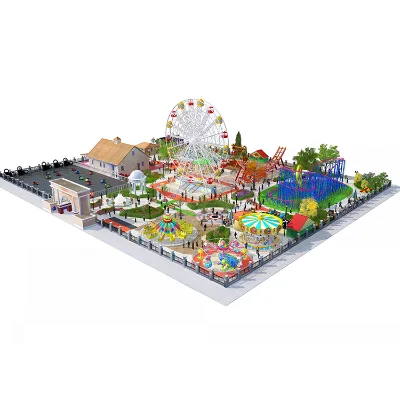
Commercial Profitable Theme Park Rides Amusement Park Equipment Solution
$143000.00 - $180000.00
MOQ: 1 Minimum
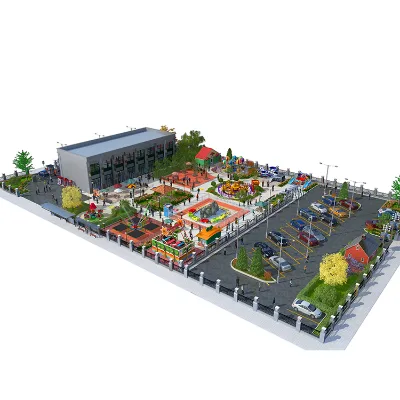
Customized Design Theme Park Kids Outdoor Playgrounds Fun Park Equipment
$143000.00 - $180000.00
MOQ: 1
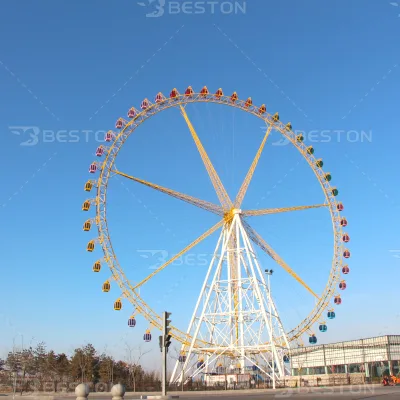
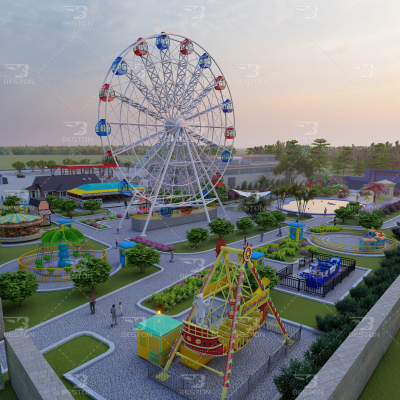
Attraction Large Adventure Theme Park Outdoor Amusement Equipment for Sale
$146646.48 - $184589.97
MOQ: 1 Minimum


Snowman Theme Other Amusement Park Products Aqua Park Inflatable Amusement Park Rides
$999.00 - $2999.00
MOQ: 1 Pieces
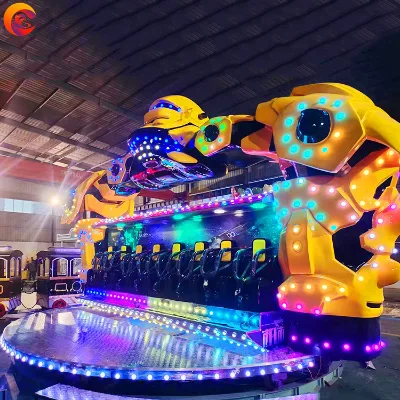
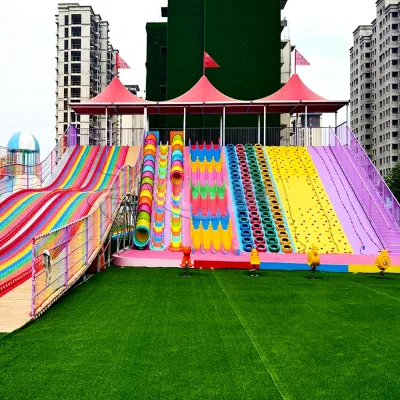
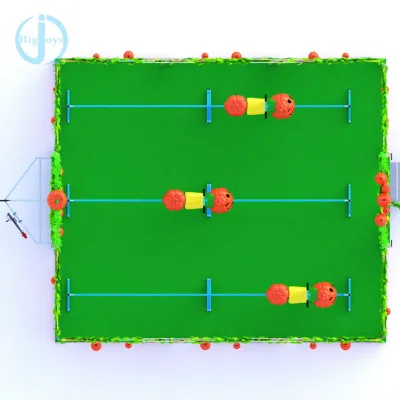
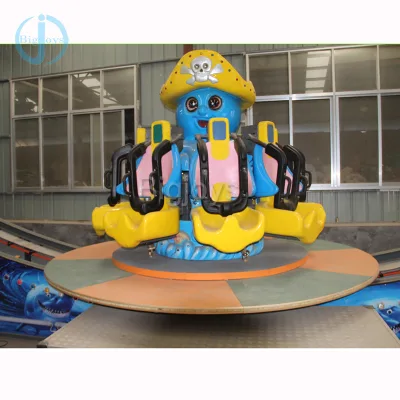
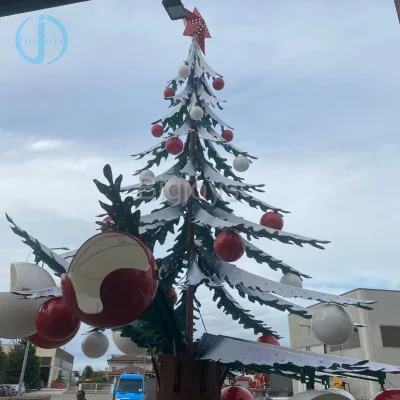
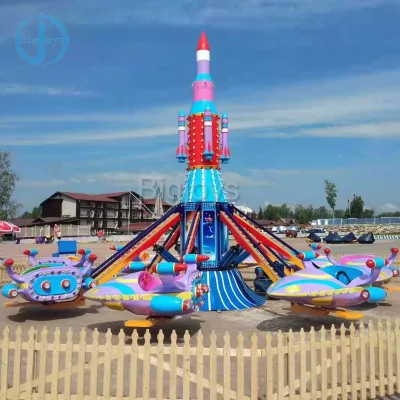
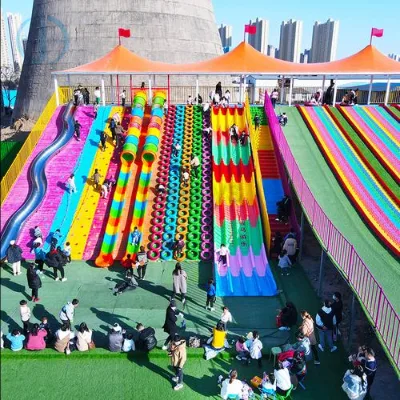
Comprehensive Sourcing Guide
Portable Outdoor Theme Park Ride Sourcing Guide
Procuring portable outdoor theme park rides requires a rigorous approach to aligning equipment capabilities with site-specific operational needs. The market offers a diverse range of units, from compact inflatable structures to large-scale steel and fiberglass installations, each serving distinct venue requirements. Buyers must first distinguish between temporary, relocatable attractions and permanent fixtures, as the engineering standards and installation protocols differ significantly. Understanding the specific application environment, such as a seasonal sports park, a permanent city park, or a commercial amusement zone, is the foundational step in selecting the right asset.
The procurement process also demands a clear definition of the target demographic and operational capacity. Equipment designed for high-volume public use must accommodate diverse age groups, from children to adults, while maintaining safety under varying load conditions. Buyers should verify that the selected ride's design philosophy matches the intended usage frequency and passenger throughput. This initial alignment ensures that the investment delivers the expected return on investment without compromising safety or user experience in the intended outdoor setting.
Product Scope and Observed Listing Signals
The current market landscape for portable outdoor theme park rides reveals a wide spectrum of product types, including large Ferris wheels and specialized sliding equipment. Listings indicate that major units often feature robust construction materials like fiberglass and steel, with heights ranging from 20 meters to over 120 meters for large-scale attractions. These substantial structures are typically designed for permanent or semi-permanent installation in theme parks, adventure parks, and commercial public spaces, rather than purely temporary pop-up events. The presence of such heavy-duty equipment suggests that "portable" in this context often refers to modular assembly or transportability rather than lightweight, inflatable designs.
In contrast, other product signals point toward specialized attractions like indoor or outdoor slides intended for resort hotels, water parks, and commercial venues. These units may feature specific functional attributes such as UV protection and high-temperature prevention, indicating a focus on durability in harsh outdoor environments. The observed product names and descriptions highlight customization options for size, color, and design, allowing operators to tailor the aesthetic to their brand identity. Buyers must carefully parse these listings to ensure the product's physical scale and functional intent match their specific venue constraints and operational goals.
Technical Specifications to Verify
Voltage and power requirements are critical technical parameters that must be verified before finalizing any purchase. Many large amusement rides operate on standard industrial power supplies, such as 380V/50HZ, which necessitates a thorough assessment of the venue's electrical infrastructure. Buyers should confirm that the site can support the necessary power load and that the ride's control systems are compatible with local grid standards. Failure to address these electrical specifications can lead to significant installation delays or the need for costly infrastructure upgrades.
Structural capacity and dimensional constraints are equally vital for ensuring the ride fits the intended location and can handle the expected passenger volume. Specifications often include customizable sizes and maximum capacities exceeding 500kg, which must be cross-referenced with the physical footprint of the installation site. Additionally, the allowable passenger count, often listed as greater than 10 per unit, dictates the operational throughput and safety protocols required. Buyers must validate that the ride's height, width, and weight limits align with the venue's spatial limitations and the anticipated crowd density to prevent operational bottlenecks.
Compliance and Safety Documentation
Safety certification is a non-negotiable aspect of sourcing amusement rides, with ISO standards serving as a baseline for quality assurance. Documentation should explicitly confirm compliance with recognized international standards, such as ISO9001 for quality management and specific ride safety certifications. Buyers must request proof of these certifications from the supplier to ensure the equipment has undergone rigorous testing and meets global safety benchmarks. Relying on unverified claims can expose operators to significant liability and safety risks.
Beyond general certifications, specific safety documentation regarding installation and operational procedures must be reviewed. Professional staff installation is often recommended or required for large structures, and the supplier should provide detailed manuals and on-site support protocols. The warranty period, typically ranging from one year to 12 months, serves as a key indicator of the manufacturer's confidence in their product's durability. Buyers should ensure that the warranty terms clearly cover structural integrity and mechanical failures, providing a safety net for the initial operational phase.
Cost Drivers and Commercial Terms
The pricing of portable outdoor theme park rides is heavily influenced by the scale of the equipment, material composition, and the extent of customization required. Observed price ranges in the market can vary dramatically, from modest units to high-value installations costing hundreds of thousands of dollars, reflecting the complexity of engineering and the volume of materials used. Buyers should anticipate that larger structures with custom designs, specific color schemes, and advanced features like UV protection will command a premium price. Understanding these cost drivers helps in budgeting for the total project, including potential hidden costs like shipping and site preparation.
Commercial terms, including minimum order quantities and payment structures, play a crucial role in the financial planning of the procurement. While some listings indicate a minimum order quantity of one unit, allowing for single-item purchases, the total cost must account for the entire lifecycle of the asset. Buyers should negotiate clear terms regarding after-sales service, which is often advertised as "all-time" support, and clarify the scope of this service. Ensuring that the commercial agreement includes comprehensive support and maintenance provisions is essential for long-term operational stability.
Supplier Qualification and Quality Control
Supplier qualification involves verifying the manufacturer's origin, production capabilities, and track record in the amusement ride industry. Many suppliers are based in regions known for manufacturing, such as Henan or Guangzhou in China, and buyers should assess the logistical implications of sourcing from these locations. The condition of the product, typically listed as "new," should be confirmed through factory audits or third-party inspections to ensure that the equipment is not refurbished or damaged prior to shipment. A supplier's ability to provide a "quality guarantee" is a strong indicator of their commitment to product integrity.
Quality control processes must be transparent and rigorous, covering every stage from raw material selection to final assembly. Materials such as fiberglass and steel are standard, but the quality of these inputs can vary significantly between manufacturers. Buyers should request detailed information on the manufacturing standards and the specific testing procedures used to validate the ride's performance. Ensuring that the supplier adheres to strict quality control measures minimizes the risk of receiving substandard equipment that could fail under operational stress.
Long-Term Procurement Checks
Long-term procurement success depends on establishing a robust after-sales service framework that extends well beyond the initial warranty period. Buyers should verify the availability of spare parts and the responsiveness of the supplier's technical support team for ongoing maintenance needs. The promise of "all-time" service should be backed by a clear service level agreement that defines response times and the scope of support. This proactive approach ensures that the ride remains operational and safe throughout its intended lifespan, protecting the operator's investment.
Regular maintenance and periodic safety audits are essential for sustaining the performance and safety of outdoor amusement rides. Buyers must develop a maintenance schedule that aligns with the manufacturer's recommendations and local regulatory requirements. This includes checking structural components, electrical systems, and safety mechanisms at regular intervals. By integrating these checks into the operational routine, operators can identify and address potential issues before they escalate, ensuring a safe and reliable experience for all visitors.
FAQs
What is the voltage requirement for the ferris wheel rides?
The voltage requirement is 380V/50HZ for these amusement park rides. This standard electrical specification ensures compatibility with typical industrial power supplies found in commercial venues and theme parks across various regions.
Can the product size be customized for specific parks?
Yes, the product size is fully customized to meet specific park requirements. Buyers can request tailored dimensions ranging from 20m to 120m in height to fit their available space and design preferences.
Which materials are used to construct the ferris wheel?
The construction utilizes a combination of FRP and steel for durability. Some listings also specify fiberglass and steel, ensuring the structure withstands outdoor conditions while maintaining safety for passengers.
How is the installation process handled for these rides?
Professional staff are arranged to handle the installation process for the equipment. This ensures that the large amusement rides are assembled correctly and safely according to the manufacturer's standards and site requirements.
What warranty period is provided for the amusement equipment?
A warranty period of 12 months or one year is provided for the equipment. This coverage ensures that buyers receive support for potential defects or issues arising shortly after the product is installed and operational.
Which certifications does the product meet for safety standards?
The product meets ISO9001 standards and holds ISOCE certification. These credentials indicate that the manufacturing and quality control processes adhere to recognized international standards for safety and reliability in amusement equipment.
Can the color of the ride be customized to match branding?
Yes, the color of the ride can be customized to match specific branding needs. While pearl-white is an observed option, buyers can request other colors to align with their theme park's aesthetic or corporate identity.