Source Portable Wifi Control Camping Light for Hiking, RV, and Emergency
Find 30 Portable Wifi Control Camping Light options from China. Compare features like USB charging, rechargeable batteries, and various lighting modes to select the best fit for your outdoor needs; compare the available evidence and request quotations based on your requirements.
Updated
Key considerations
Products List


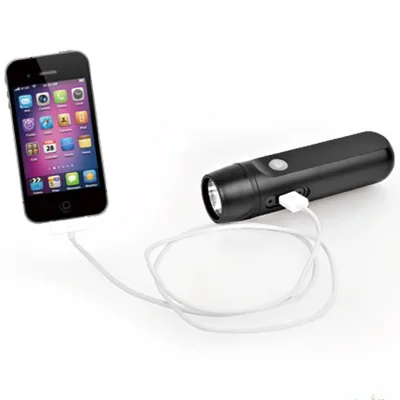
Powerful LED Flashlight USB Rechargeable Handheld Light Camping Portable Light
$2.57 - $4.62
MOQ: 500 Pieces

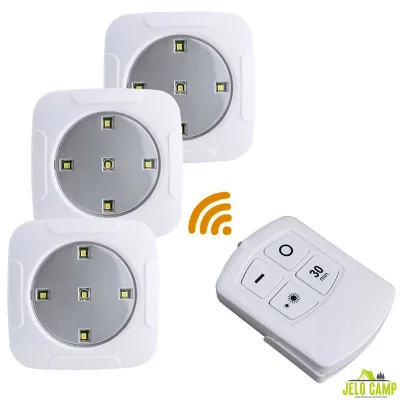
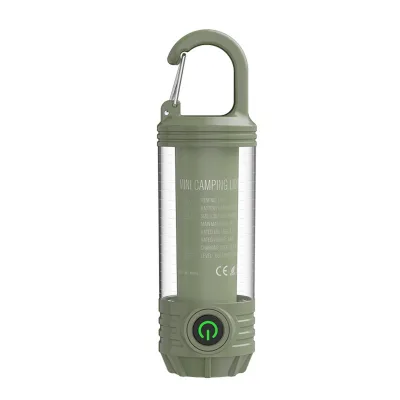


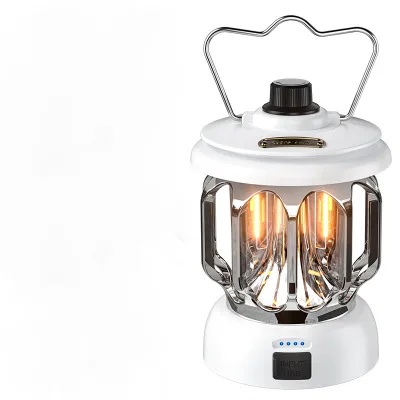
Retro Lamp Portable Camping Lantern USB Recharge Camping Tent Travel Light
$3.00 - $5.00
MOQ: 3000 Pieces

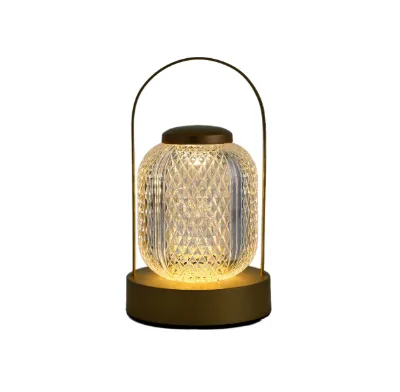
Cordless Camping Light with Table Lamp Rechargeable LED Portable Lamp
$12.00 - $13.00
MOQ: 3000 Pieces
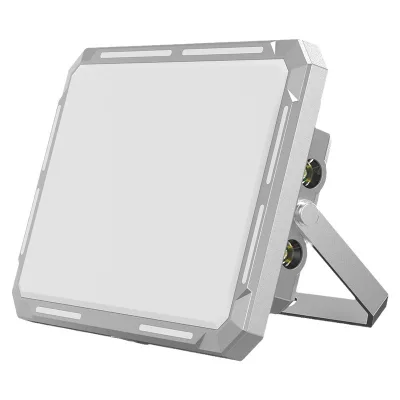
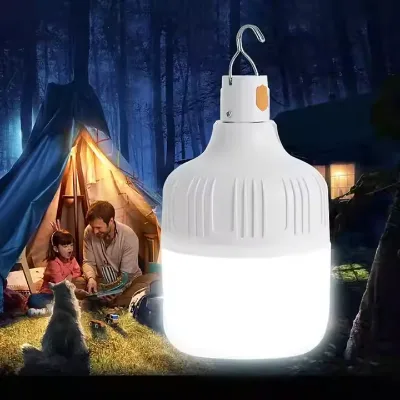
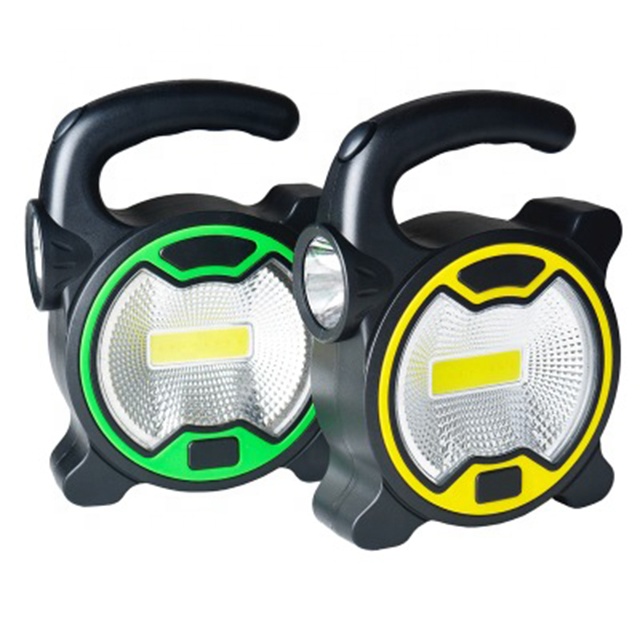
Camping lamp with flashlight function led camping lamp cob work lamp portable
$0.3082 - $0.8213
MOQ: 10 Minimum



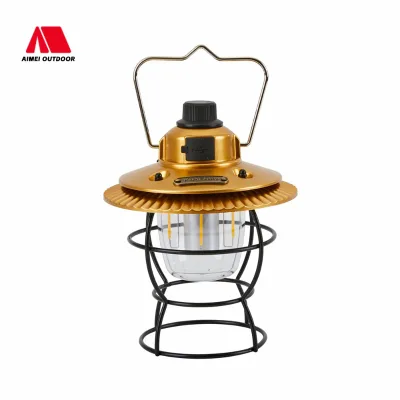
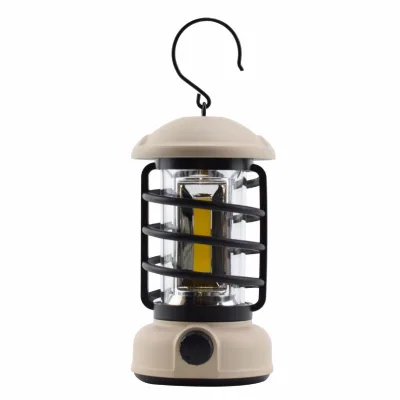

Bright Portable Camping Outdoor Light Rechargeable LED Light Lanterns for Camping (FX-L24)
$11.00 - $11.50
MOQ: 5000 Pieces
Comprehensive Sourcing Guide
Portable Wifi Control Camping Light Sourcing Guide
Sourcing portable lighting solutions that integrate wireless connectivity requires a careful balance between traditional durability and modern smart features. The market currently offers a diverse array of devices, ranging from simple LED keychains to complex lanterns with rechargeable batteries. Buyers must distinguish between products that merely offer basic illumination and those that provide genuine remote management capabilities. This distinction is critical for defining the target audience, whether it is for everyday carry enthusiasts or professional outdoor teams. Understanding the specific technical constraints of each device type helps in selecting the right supplier for your brand.
The observed product landscape includes items with varying power sources, from standard disposable batteries to integrated lithium-ion cells. Some listings highlight USB charging capabilities, while others specify Type-C interfaces for faster replenishment. It is essential to verify the actual runtime and charging times provided by manufacturers, as these metrics directly impact user satisfaction in remote environments. Additionally, the physical form factor, such as round shapes or compact dimensions, plays a significant role in portability. Procurement teams should prioritize devices that offer a robust balance between size, weight, and functional output to meet the demands of modern campers.
Product Scope and Observed Listing Signals
The current market signals indicate a strong presence of mini LED flashlights and lantern-style devices designed for outdoor use. Many listings feature stainless steel bases or ABS housing materials, ensuring durability against rough handling. Common attributes include yellow or white light sources, with some models offering multiple color temperatures to suit different ambient needs. The inclusion of tempered glass diffusers suggests a focus on optical clarity and protection against impact. Buyers should note that while some products are marketed as waterproof, others are explicitly non-waterproof, requiring careful selection based on environmental exposure risks.
Packing configurations vary significantly, with options ranging from simple cartons to color boxes with bubble bags for enhanced protection. Dimensions observed in listings suggest compact designs, such as those measuring around 11 by 3.6 centimeters or larger lantern formats. The presence of keywords like "LED Keychain" indicates a segment focused on ultra-portability and convenience. However, more advanced models may include features like push-button switches and specific lighting modes, such as lantern settings, which enhance versatility. Procurement specialists must align these observed signals with their specific product requirements to avoid mismatches in functionality and aesthetic expectations.
Technical Specifications to Verify
When evaluating technical specifications, the battery type and capacity are paramount for ensuring reliable performance in the field. Many observed products utilize rechargeable batteries, with capacities ranging from 1200mAh to 1500mAh, supporting runtimes of approximately 6 to 10 hours. It is crucial to verify the rated voltage and power consumption, as discrepancies can affect compatibility with charging accessories. For instance, some devices operate at 4V or 5V, while others may require 12V inputs. Confirming these electrical parameters prevents operational failures and ensures that the lighting solution meets the expected service time for extended camping trips.
Light output characteristics, including lumen ranges and light source types, must be rigorously checked against marketing claims. Observed data points to LED sources such as Q5/XPE or 2835 series beads, with lumen outputs varying from 20 to 200 lumens. The light range is typically specified between 0 and 10 meters, which is suitable for close-proximity tasks. Additionally, the switch type, often a push-button mechanism, should be tested for tactile feedback and durability. Buyers should also inquire about the specific LED light source lamp beads count, as this influences the uniformity and intensity of the emitted light, directly impacting the user experience in low-light conditions.
Compliance and Safety Documentation
Regulatory compliance is a non-negotiable aspect of sourcing portable electronics, particularly those involving lithium batteries. Certifications such as RoHS and CE are frequently cited in product listings, indicating adherence to environmental and safety standards. Procurement teams must request valid certification documents to verify that the materials used, including ABS and PC plastics, are free from hazardous substances. This verification process protects the brand from legal liabilities and ensures that the products can be legally imported and sold in target markets. Without proper documentation, even high-performing devices may face customs delays or market rejection.
Beyond basic certifications, safety features related to battery management and electrical insulation should be thoroughly reviewed. The presence of a rechargeable battery necessitates checks for overcharge protection and thermal stability. Buyers should ask suppliers for test reports that confirm the stability of the charging circuit, especially for devices supporting Type-C or USB charging. Additionally, verifying the IP rating is essential, as many camping lights are exposed to moisture and dust. While some products are labeled with specific IP shapes, others may lack clear waterproofing claims, requiring additional inquiry to ensure they meet the intended environmental conditions.
Cost Drivers and Commercial Terms
Several factors influence the final cost of portable camping lights, with material composition and packaging being primary drivers. The use of stainless steel or high-grade ABS can increase manufacturing costs but enhances product longevity. Packaging choices, such as color boxes versus simple cartons, also impact the unit price and logistics efficiency. Buyers should negotiate based on the total landed cost, considering not just the unit price but also shipping and handling fees. Understanding these cost drivers allows for more accurate budgeting and helps in identifying opportunities for cost optimization without compromising on quality or features.
Minimum Order Quantities (MOQ) and lead times are critical commercial terms that affect inventory management and cash flow. Observed MOQs range from 10 to 5000 units, offering flexibility for both small startups and large enterprises. Lead times can vary based on customization requirements and production capacity. It is advisable to establish clear agreements on production schedules and delivery milestones to avoid disruptions. Additionally, payment terms should be structured to mitigate risk, such as using escrow services or partial payments. Clear communication regarding these commercial terms ensures a smooth procurement process and fosters a reliable supplier relationship.
Supplier Qualification and Quality Control
Evaluating supplier qualifications involves assessing their manufacturing capabilities, quality control processes, and track record. Buyers should prioritize suppliers who demonstrate a commitment to consistent quality through rigorous testing protocols. Inquiring about their production lines and inspection procedures can provide insights into their ability to meet specific product requirements. Additionally, checking for any past performance issues or customer feedback can help gauge reliability. A supplier with a strong reputation for quality and timely delivery is more likely to support long-term procurement goals and maintain brand integrity.
Quality control measures should be integrated into the procurement process to ensure that delivered products meet specified standards. Implementing pre-shipment inspections can help identify defects before goods leave the factory, reducing the risk of receiving subpar inventory. Buyers should also establish clear acceptance criteria for key attributes, such as light output, battery capacity, and physical durability. Regular communication with suppliers regarding quality expectations and feedback on received goods can drive continuous improvement. By maintaining a proactive approach to quality control, buyers can minimize returns and enhance customer satisfaction with their portable lighting solutions.
Long-Term Procurement Checks
Sustaining a successful sourcing strategy requires ongoing monitoring of supplier performance and market trends. Regularly reviewing supplier metrics, such as on-time delivery rates and defect percentages, helps identify potential issues early. Buyers should also stay informed about technological advancements in LED and battery technologies, which may offer improved efficiency or new features. Adapting to these changes can provide a competitive edge in the market. Additionally, maintaining open lines of communication with suppliers fosters collaboration and innovation, leading to better product offerings and cost efficiencies over time.
Long-term procurement checks should also include an assessment of supply chain resilience and risk management. Diversifying the supplier base can mitigate risks associated with single-source dependencies, such as production delays or quality inconsistencies. Regularly auditing suppliers for compliance with ethical and environmental standards ensures that the supply chain aligns with corporate social responsibility goals. By continuously evaluating and optimizing the procurement process, buyers can build a robust and adaptable supply chain that supports business growth and meets the evolving needs of their customers.
FAQs
Can I find portable wifi control camping lights with RoHS certification?
Yes, portable wifi control camping lights with RoHS certification are available from multiple suppliers. The product facts confirm RoHS compliance as a standard attribute. Buyers can verify this certification when sourcing to ensure environmental safety and regulatory compliance for international markets.
What customization options exist for portable wifi control camping lights?
Customization is available for portable wifi control camping lights to meet specific buyer requirements. Suppliers offer tailored solutions for features like color, size, or branding. This flexibility allows businesses to adapt the product for unique applications while maintaining core functionality and quality standards.
Which battery capacity options are available for portable wifi control camping lights?
Portable wifi control camping lights come with various battery capacities, including 1200mAh and 1500mAh options. These rechargeable batteries support runtime between 3 to 10 hours depending on usage. Buyers should select the capacity that best fits their intended duration of use and power needs.
How long is the charging time for portable wifi control camping lights?
The charging time for portable wifi control camping lights is approximately 2 hours. This duration applies to models with USB or Type-C charging interfaces. Users can expect a quick recharge cycle to ensure the light is ready for immediate use after a short waiting period.
What materials are used for the housing of portable wifi control camping lights?
Housing materials for portable wifi control camping lights typically include ABS, PC, or Stainless Steel. These materials provide durability and protection against environmental factors. The choice of material affects the weight and ruggedness of the light, catering to different usage scenarios and durability requirements.
Can I source portable wifi control camping lights with specific IP ratings?
Yes, portable wifi control camping lights with specific IP ratings are available, though some are non-waterproof. Buyers must check individual product specifications for water resistance levels. Selecting the correct IP rating ensures the light performs reliably in the intended environment without damage from moisture.
What is the typical MOQ for Portable Wifi Control Camping Light orders?
The typical MOQ for Portable Wifi Control Camping Light orders ranges from 10 to 5000 units. This range accommodates both small trial orders and large bulk purchases. Buyers should confirm the specific MOQ with suppliers to align with their inventory planning and budget constraints.
Where are portable wifi control camping lights typically manufactured?
Portable wifi control camping lights are typically manufactured in China, with some production originating from Ningbo. This location offers access to a robust supply chain and manufacturing capabilities. Buyers can expect competitive pricing and efficient logistics when sourcing from these established production hubs.