App Control LED Stadium Light Suppliers and Manufacturers
Source 16 verified suppliers for App Control LED Stadium Light. Compare grounded dimensions including ISO certifications, IP69K ingress protection, CREE LED chips, and response times. Review pricing and MOQs to identify suitable manufacturers for your project; review the available evidence before requesting comparable quotations from suitable candidates.
Suppliers List
Fuzhou Conssin Lighting Co., Ltd.
- Verified by SGS
- Manufacturer
- China Fujian
- Lead time30 days
- Avg. response≤ 2h
Main productsLED Flood Light, Industrial Battery System


Outdoor LED Stadium Light Sport Court Light LED Stadium Flood Light Outdoor
$600.00 - $700.00
MOQ: 10 Pieces

LED Flood Light Outdoor Sport Light Stadium Light Flood Light LED Flood Light
$600.00 - $700.00
MOQ: 10 Pieces


Low Maintenance Heavy Duty High Temperature Aluminum Alloy LED Sport Area Stadium Light
$1000.00 - $1500.00
MOQ: 10 Pieces


LUOHE HILIGHT TECHNOLOGY CO., LTD.
- Verified by BV
- Trading Company,Manufacturer/Factory
- China Guangdong
- Lead time38 days
- Avg. response≤ 5h
Main productsLED Stadium Light, LED High Bay Light, LED Street Light, LED Flood Light, PAR30/PAR38/AR111 LED Bulb, T5/ T8 LED Tube, Solar LED Flood Light, Solar LED Street Light, LED High Mast Light, Stadium Flood Light
Main marketsSouth America,Eastern Europe,North America,Southeast Asia,Eastern Asia,Oceania,Western Europe,Africa

Jiangsu Century Fujing Intelligent Technology Co., Ltd.
- Verified by SGS
- Combined
- China Jiangsu
- Lead time23 days
- Avg. response≤ 7h
Main productsLED Street Light, LED High Bay Light, LED Flood Light, LED Stadium Light, LED Canopy Light, LED Gas Station Light, LED Tunnel Light, LED Tri-Proof Light, Solar LED Street Light, LED Linear Light
Main marketsSouth America,Africa,Others(foreignTradeCapacity.exportBusinessCapacityMarketOther),Southeast Asia/ Mideast,Domestic,Europe,Australia


LED Stadium Light with Laser Positioning 170lm/W Easy Install LED Sports High Mast Light
$752.00
MOQ: 100 Pieces

Shenzhen Romanso Electronic Co., Ltd.
- Verified by BV
- Combined
- China Guangdong
- Lead time23 days
- Avg. response≤ 3h
Main productsLED High Bay Light, LED Work Light, LED Street Light, LED Flood Light, LED Stadium Light, Solar Street Light, LED Corn Light, LED Grow Light, LED Dock Light, LED Post Top Light
Main marketsSouth America,Africa,Southeast Asia/ Mideast,East Asia(Japan/ South Korea),Europe,Australia,North America

High Temperature Resistant Soccer Field LED Flood Light 600W 750W LED Stadium Light
$330.00 - $350.00
MOQ: 1 Pieces


Factory Price 200W 400W 600W IP65 Outdoor Stadium LED Light for Airport Stadium
$139.00 - $143.00
MOQ: 1 Pieces

High Power Adjustable Sport Field Football Stadium Lighting Floodlights LED IP65 for Outdoor Sports
$310.00 - $326.00
MOQ: 1 Pieces

LED Stadium Light 500W 800W 1000W 1200W 150lm/W IP66 5 Years Warranty High Mast Stadium Light
$139.00 - $143.00
MOQ: 1 Pieces

Peony Lighting Technology Co., Ltd.
- Verified by BV
- Manufacturer/Factory
- China Guangdong
- Lead time15 days
- Avg. response≤ 3h
Main productsLED High Bay Light, LED Street Lighyt, LED Flood Light, LED Gas Station Light, LED Track Light, LED Down Light, LED Tri-Proof Light, LED Linear Light, LED Stadium Sports Light
Main marketsSouth America,Mid East,North America,Southeast Asia,Eastern Asia,Oceania,Western Europe,Africa

Jiangsu Autex Construction Group Co., Ltd.
- Trading Company,Manufacturer/Factory
- China Jiangsu
- Lead time45 days
- Avg. response≤ 11h
Main productsOutdoor Light, Solar Panel, Street Light Pole, LED Street Light, Solar Power System, Solar Street Light, High Mast Pole, Traffic Pole, Street Light Columns, Solar Energy System
Main marketsSouth America,Eastern Europe,Mid East,North America,Southeast Asia,Eastern Asia,Oceania,Western Europe,Africa


Football Stadium Lighting 5 Years Warranty Stadium High Mast Light in China
$59.90 - $109.90
MOQ: 1 Pieces

Jiangsu Xuyida Construction Engineering Co., Ltd
- Verified by SGS
- Combined
- China Jiangsu
- Lead time15 days
- Avg. response≤ 1h
Main productsSolar Street Light, Smart Light Pole, Traffic Lights, LED Street Light, Light Pole, LED Light, Garden Light Pole, All in One Solar Street Light, LED Flood Lights, Solar Panel
Main marketsAfrica,Domestic


Outdoor Flood Lighting Stadium Lighting High Mast Playground LED Sports Light
$2100.99 - $7200.99
MOQ: 1 Pieces


Factory IP66 LED Stadium Light High Power 500W 600W High Mast Sport Stadium Light
$2100.99 - $7200.99
MOQ: 1 Pieces

Factory Price Sport Field Lighting 1000W LED Stadium High Mast Light
$2100.99 - $7200.99
MOQ: 1 Pieces

Foshan Kaicheng Lighting Co., Ltd.
- Verified by SGS
- Combined
- China Guangdong
- Lead time30 days
- Avg. response≤ 7h
Main productsSolar Light, LED Light, Solar Flood Light, Solar LED Street Light, LED Flood Light, LED High Bay Light, LED Work Light, LED Street Light, Solar Garden Light, LED Solar Street Light
Main marketsSoutheast Asia/ Mideast,Europe


High Power Outdoor Soccer Stadium Sports Field Smart 100W LED Flood Light
$10.33 - $12.20
MOQ: 1000 Pieces


Yangzhou Huatai Lighting Group Co., Ltd
- Verified by SGS
- Combined
- China Jiangsu
- Lead time30 days
- Avg. response≤ 4h
Main productsSolar Panels, Street Poles, LED Lights
Main marketsEurope,North America


High Lumen Output Energy-Efficient Waterproof IP67new LED Stadium Lighting
$29.00 - $130.00
MOQ: 2 Pieces
Zhongshan Hongzhun Lighting Factory
- Verified by CTI
- Combined
- China Guangdong
- Lead time15 days
- Avg. response≤ 9h
Main productsSolar Lights, LED Street Light, LED Flood Light, LED High Bay Light, Garden Light, LED Stadium Light, LED Solar Lights, LED Canopy Light
Main marketsSouth America,Africa,Southeast Asia/ Mideast,East Asia(Japan/ South Korea),Domestic,Europe,Australia,North America

LED Stadium Flood Light High Mast Stadium LED Flood Light 50W 100W 300W 500W
$12.00 - $168.00
MOQ: 20 Pieces


Flood Lights for Football Stadium Lamp 50W 100W 200W 300W 500W LED Stadium Lighting
$12.00 - $168.00
MOQ: 20 Pieces

Factory Price Sport Field Lighting IP66 SMD Stadium Flood Light High Mast Lamp 500W 1000W
$18.70 - $298.00
MOQ: 20 Pieces

$73.00 - $102.00
MOQ: 20 Pieces


- Verified by TUVRHEINLAND
- Combined
- China Guangdong
- Lead time23 days
- Avg. response≤ 1h
Main productsLED High Bay Light, LED Tri Proof Light, LED Flood Light, LED High Mast Light, LED Stadium Light, LED Sport Light, LED Explosion Proof Light, LED Street Light, LED Down Light, LED Vapor Tight Light
Main marketsAfrica,Southeast Asia/ Mideast,Europe,North America

$166.00 - $581.00
MOQ: 1 Pieces

$275.00 - $581.00
MOQ: 1 Pieces

Dongguan Sense Lighting Technology Co., Ltd.
- Manufacturer
- China Guangdong
- Lead time23 days
- Avg. response≤ 2h
Main productsSport Light, Stadium Light, Street Light, Industrial Light, Flood Light
Main marketsSoutheast Asia/ Mideast,Europe,North America
- Verified by Intertek
- Manufacturer, Trading Company
- Lead time10 days
- Avg. response≤ 1h
Main productsLED Shoebox Light, LED UFO High Bay Light, LED Flood Light, LED Canopy Light, LED Wall Light
Main marketsNorth America(70%), South America(10%), Eastern Europe(5%)

Shenzhen ENM Electronic Technology Co., Ltd
- Manufacturer/Factory
- China Guangdong
- Lead time15 days
- Avg. response≤ 1h
Main productsSolar Mobile Light Tower, Wind Turbine, Solar Street Light, Solar Garden Light, LED Stadium Flood Light, LED Street Light, LED Garden Light, Industrial LED Light, LED Wall Light, Office Commercial LED Light
Main marketsSouth America,Eastern Europe,Mid East,North America,Southeast Asia,Eastern Asia,Oceania,Western Europe,Africa
Yangzhou Qiangsheng Electric Co., Ltd.
- Verified by SGS
- Combined
- China Jiangsu
- Lead time30 days
- Avg. response≤ 1h
Main marketsDomestic

Topenergys Electronic Co., Ltd.
- Manufacturer/Factory
- China Guangdong
- Lead time15 days
- Avg. response≤ 11h
Main productsLED Strip Light, LED Corn Light, LED Street Light, LED Tube Light, LED Higbay Light, LED Downlight, LED Panel Light, Solar LED Light, LED Cabinet Light, LED Spotlight
Main marketsSouth America,Eastern Europe,Mid East,North America,Southeast Asia,Eastern Asia,Oceania,Western Europe,Africa




Comprehensive Sourcing Guide
App Control LED Stadium Light Supplier Concentration and Factory Types
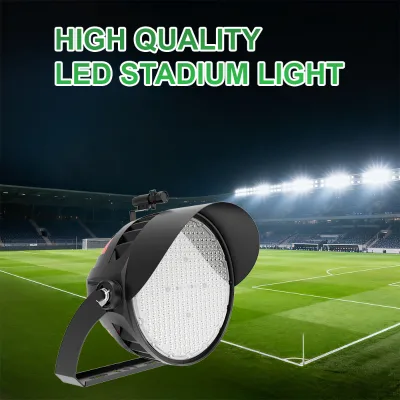
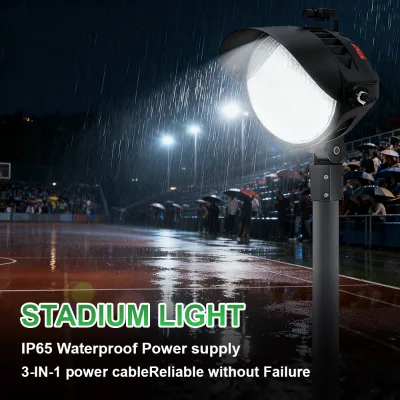
Current data indicates a concentration of manufacturers and trading companies operating within China, specifically in the Fujian and Guangdong provinces. These regions host facilities that list LED Stadium Lights, Industrial Battery Systems, and High Mast Lights as primary products. The supplier base includes entities classified as manufacturers capable of OEM and own-brand production, alongside trading companies that may offer ODM services. This mix suggests that buyers can find direct factory sources for custom specifications or trading partners for consolidated procurement. The presence of both company types in these specific locations allows for a diverse range of sourcing strategies depending on whether the buyer prioritizes direct manufacturing control or supply chain flexibility.
When evaluating the factory types, it is essential to distinguish between pure manufacturers and those operating as trading companies or hybrid entities. Some suppliers in the observed results explicitly state capabilities for OEM, ODM, and own-brand production, which indicates a robust internal research and development capacity. Others may function primarily as intermediaries while still claiming factory origins. Buyers should verify the actual production capability by checking for specific manufacturing certifications like ISO9001:2015 or ISO14001:2015, which are present in the verified profiles. Understanding this distinction helps in predicting the level of customization support and the directness of communication regarding technical specifications for app-controlled lighting systems.
How to Verify App Control LED Stadium Light Suppliers
Verification of supplier credibility relies heavily on third-party audit reports and specific system certifications rather than self-declared claims. In the current dataset, suppliers have undergone verification processes by agencies such as SGS and BV, which serve as critical indicators of operational legitimacy. Buyers should prioritize suppliers displaying these external verification badges, as they confirm that the company's business scope and production capacity have been independently assessed. Additionally, the presence of ISO9001:2015 and ISO14001:2015 certificates suggests adherence to international quality and environmental management standards, which is particularly relevant for industrial-grade lighting products intended for large-scale stadium installations.
Beyond external audits, buyers must scrutinize the specific product certifications listed for the LED Stadium Lights to ensure compliance with target market regulations. The observed product attributes include CE, EMC, RoHS, SAA, FCC, and LVD certifications, which are essential for selling in Europe, Australia, and North America. It is crucial to confirm that the specific model intended for app control carries these valid certifications, as generic claims may not apply to every SKU. Furthermore, checking the response time metrics, such as the 1.44-hour or 4.49-hour averages observed, provides insight into the supplier's operational readiness. A faster response time often correlates with a more active sales team and better communication channels, which are vital for resolving technical queries regarding app integration and lighting control protocols.
What to Compare Across App Control LED Stadium Light Suppliers
Comparing suppliers requires a systematic analysis of lead times, minimum order quantities, and response speeds to determine logistical feasibility. The data shows lead times ranging from 30 days to 38 days, which directly impacts project scheduling and inventory planning. Buyers must align these timelines with their installation deadlines, noting that longer lead times may require earlier order placement. Similarly, minimum order quantities vary significantly, with some suppliers requiring as few as 10 units while others mandate 50 units. This variation allows buyers to select partners that match their order volume, whether they are testing a small pilot project or fulfilling a large stadium contract.
Product specifications and pricing structures form another critical comparison dimension. The observed price ranges for LED Stadium Lights span from approximately $320 to $1,500, depending on wattage and features like luminous flux and beam angles. Buyers should compare the technical attributes, such as the use of CREE or Bridgelux LED chips, ingress protection ratings like IP69K or IP65, and warranty periods ranging from five to seven years. These factors influence the total cost of ownership and long-term reliability. Additionally, comparing the customization availability is essential, as app-controlled systems often require specific firmware or hardware adjustments. Suppliers offering flexible customization options alongside competitive pricing and robust technical specifications will likely provide the best value for complex stadium lighting projects.
Common App Control LED Stadium Light Sourcing Risks
One significant risk in sourcing app-controlled stadium lights involves the discrepancy between advertised capabilities and actual product performance. While suppliers list features like app control and specific LED chip brands, the actual implementation of wireless connectivity can vary. Buyers must verify that the app control functionality is not merely a marketing claim but a tested feature integrated into the specific model. The risk is heightened when suppliers do not provide detailed technical documentation or firmware update protocols. Without clear evidence of the control system's stability and compatibility with existing stadium infrastructure, buyers may face integration failures that delay project completion and increase costs.
Another major risk relates to the consistency of quality control and after-sales support across different supplier types. The observed data includes varying warranty periods, such as five years or seven years, which reflects different confidence levels in product durability. If a supplier offers a short warranty or lacks clear terms for handling defective units, the buyer assumes significant financial risk. Furthermore, the reliance on third-party verification like SGS or BV does not guarantee ongoing quality consistency after the initial audit. Buyers should be cautious of suppliers with high response times or those that do not clearly define their return and replacement policies. Ensuring that the supplier has a dedicated support channel for technical issues is essential to mitigate the risk of prolonged downtime in critical stadium environments.
App Control LED Stadium Light Regional Sourcing and Logistics
Sourcing from the identified regions in China, specifically Fujian and Guangdong, offers logistical advantages due to established manufacturing clusters and port access. These provinces are known for their robust supply chains for lighting components, which can facilitate faster production and shipping. However, buyers must account for the specific lead times observed, which range from 30 to 38 days, to plan for adequate transit time. The distance from these manufacturing hubs to international destinations will influence shipping costs and delivery schedules. Understanding the regional logistics capabilities of the supplier is crucial for ensuring that the large and heavy LED Stadium Lights arrive on time and in good condition.
Logistics planning also involves evaluating the packaging standards and shipping methods recommended by the supplier. The product attributes indicate that items are typically packed in cartons and pallets, which is standard for protecting heavy industrial lighting during transit. Buyers should verify if the supplier offers consolidated shipping options, especially when ordering from multiple SKUs or different suppliers. The packaging dimensions, such as 580×387×241 mm or larger variants, must be considered when calculating container load efficiency. Additionally, buyers should confirm who is responsible for customs clearance and insurance, as these factors can significantly impact the final landed cost. Proper logistics planning ensures that the supply chain remains resilient against delays and that the products are delivered safely to the installation site.
App Control LED Stadium Light Commercial Terms and Order Planning
Commercial terms for app-controlled stadium lights often include specific payment structures and delivery conditions that must be clearly defined before order placement. The observed data indicates varying minimum order quantities and price ranges, which necessitates careful financial planning. Buyers should negotiate terms that align with their cash flow, considering that prices can range from $320 to $1,500 per unit depending on specifications. It is also important to clarify whether the quoted prices include shipping, insurance, and taxes, as these variables can significantly alter the total cost. Clear communication regarding payment milestones, such as deposits and balance payments upon shipment, helps manage financial risk and ensures mutual agreement on the transaction.
Order planning must also account for the customization lead times and the specific production capacity of the supplier. The data shows that some suppliers offer OEM and ODM services, which may extend the production timeline beyond standard lead times. Buyers should factor in the time required for design approval, prototyping, and final production when creating their project schedule. Additionally, the response time of the supplier, which can vary from 1.44 to 4.49 hours, affects how quickly issues can be resolved during the order process. Establishing a clear communication protocol and setting realistic expectations for delivery dates is essential to avoid delays. By carefully planning the order timeline and understanding the commercial terms, buyers can ensure a smooth procurement process and successful project execution.
FAQs
What is the typical lead time for LED stadium lights?
The typical lead time for these LED stadium lights is 30 days. Some suppliers may require up to 38 days depending on order volume and customization needs. Buyers should confirm specific delivery schedules before placing orders to ensure project timelines are met without delays.
What certifications do these LED flood lights hold?
These LED flood lights hold ISO9001:2015 and ISO14001:2015 system certifications. Product certifications include CE, EMC, RoHS, and SAA standards. Additional compliance marks like FCC and LVD are also available for specific models to meet international safety and environmental requirements.
What is the minimum order quantity for stadium lights?
The minimum order quantity varies by supplier, with some requiring 10 units and others 50 units. Buyers must check specific product listings to confirm the exact MOQ. Lower quantities may be available for standard models, while custom orders often require higher minimums.
Where are these LED stadium light manufacturers located?
Manufacturers of these LED stadium lights are located in China, specifically in Fujian and Guangdong provinces. These regions are known for their robust lighting industry infrastructure. Buyers can expect products to originate from these verified industrial hubs with established supply chains.
What is the response time for supplier inquiries?
Supplier response times vary, with some responding within 1.44 hours and others taking up to 4.49 hours. Faster response times are often associated with verified suppliers. Buyers should prioritize contacting suppliers with shorter response windows for quicker project coordination and support.
What is the price range for LED stadium flood lights?
The price range for LED stadium flood lights typically spans from 320 to 1500 USD per unit. Specific costs depend on wattage, lumens, and customization options. Lower wattage models start around 320 USD, while high-power 2000-watt units can reach up to 1500 USD.
What warranty periods are offered for these lights?
Warranty periods for these lights range from 5 to 7 years depending on the model. Some high-power units offer a 7-year warranty, while standard models may provide 5 years. Buyers should verify the specific warranty terms included with each product listing before finalizing purchases.