Find Portafilter for Espresso Machines, Commercial Use, and Home Brewing
Source 30 verified listings for Portafilter components designed for espresso machines, commercial setups, and home brewing. Compare specifications like filtration grade, material, and operating principles to find the right solution for your needs.
Key considerations
Products List


$44.20 - $48.87
MOQ: 1 Pieces


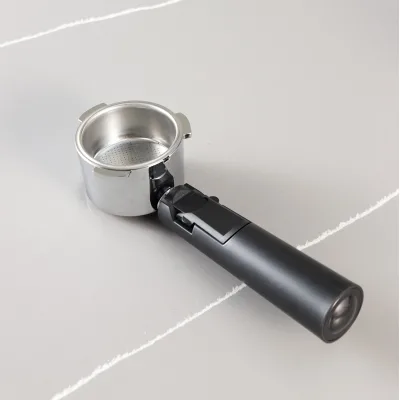


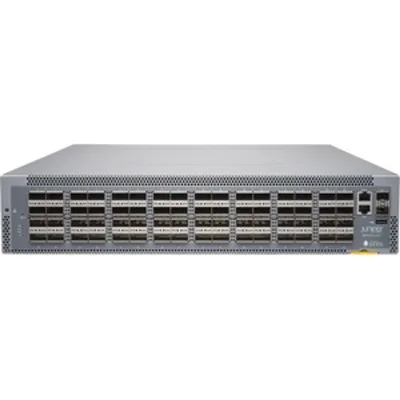

$10.00 - $20.00
MOQ: 1 Pieces


$0.09 - $0.10
MOQ: 10000 Pieces


Comprehensive Sourcing Guide
Strategic Sourcing Guide for Portafilter Components and Systems
When approaching the procurement of Portafilter systems, buyers must navigate a complex landscape where terminology often overlaps with broader filtration and hydraulic components. The core keyword "Portafilter" in a B2B context frequently intersects with specialized liquid filtration units, hydraulic filters, and valve systems designed for high-pressure applications. The following guide synthesizes available product attributes, certifications, and technical specifications to provide a disciplined framework for sourcing these critical components. This analysis relies strictly on observed market data and verified product attributes to ensure accuracy and reliability for procurement teams.
Technical Specifications and Component Architecture
Understanding the physical and functional architecture of Portafilter systems is the first step in defining procurement requirements. The market offers a diverse array of configurations, ranging from portable units to heavy-duty industrial assemblies. A critical observation in the current supply base is the variation in operating principles. While some units operate on ultrafiltration principles suitable for straight drinking water applications, others are engineered for high-pressure hydraulic systems or chemical industry processing.
The structural design of these components is equally varied. Buyers will encounter vertical structures that utilize a vertical lifting mechanism for cartridge installation, a feature that simplifies maintenance and reduces downtime. Conversely, other models may feature different mounting styles. The filtration medium is another decisive specification. Available options include non-woven polyester fiber cartridges, fiberglass media, and activated carbon types. The choice of medium directly impacts the filtration grade, with observed precision levels ranging from 1 micron to 100 microns. This granularity allows for targeted sourcing based on the specific particulate load and purity requirements of the intended application.
Size specifications are equally critical for integration. The market provides standard dimensions such as 5-inch, 10-inch, and 20-inch lengths for filter bags and cartridges. Outer diameters are observed in ranges including 2.2, 2.4, 2.5, and 4.5 inches, with inner diameters often standardized at 1.1 inch. For hydraulic and valve applications, specific size standards like 1.5-inch or 2-inch are prevalent. These dimensional constraints must be cross-referenced with the buyer's existing infrastructure to ensure compatibility.
Compliance, Certification, and Regulatory Standards
In the global supply chain, compliance is not merely a formality but a prerequisite for market access and operational safety. The observed product data indicates a strong emphasis on international standards. Certifications such as ISO 9001, CE, and RoHS are frequently cited as key attributes for compliant products. The presence of ISO 9001 suggests a manufacturer's commitment to quality management systems, while CE marking indicates conformity with health, safety, and environmental protection standards for products sold within the European Economic Area. RoHS compliance ensures that the materials used do not contain restricted hazardous substances, a critical factor for electronics and components exposed to food or pharmaceutical environments.
Beyond general certifications, specific product standards define the performance baseline. Some units are manufactured to the KUF-3 standard, while others adhere to specific dimensional standards like 370mm x 375mm x 1275mm or are constructed from polypropylene to meet specific chemical resistance requirements. The "STANDARD PACKAGE" designation often appears alongside hydraulic filter models, implying adherence to a baseline set of packaging and handling protocols. Buyers must verify that the supplier can provide valid, up-to-date certification documentation for every batch, as these standards are subject to revision and regional enforcement.
Cost Drivers and Pricing Dynamics
The pricing structure for Portafilter systems is highly variable, reflecting the diversity in materials, complexity, and application scope. Observed market data reveals a price range spanning from $0.01 to $180,000 USD. This vast disparity is driven by several factors. At the lower end, costs are associated with basic filter bags, simple cartridges, or small-scale components made from standard materials like non-woven polyester. At the higher end, prices reflect complex hydraulic filter assemblies, integrated valve systems with backwash and recirculation functions, or units constructed from specialized materials like ABS or fiberglass with high-pressure ratings.
Material composition is a primary cost driver. Units utilizing activated carbon or specialized filtration grades often command a premium due to the raw material costs and processing requirements. Similarly, the complexity of the packing method influences the final price. Options range from simple shrink-wrapped packages to custom gift boxes or plywood crates, each adding a layer of cost for protection and presentation. The scale of the order also plays a significant role, with Minimum Order Quantities (MOQs) observed between 1 and 10,000 units. Buyers must balance the unit price against the total volume required to optimize their procurement budget without incurring excessive inventory holding costs.
Typical Applications and Operational Environments
The versatility of Portafilter systems allows them to serve a wide spectrum of industries. In the beverage and food sector, units with straight drinking water efficacy and descaling functions are essential for maintaining product quality and equipment longevity. These applications often require the "Portable" style for flexibility in production lines. In the pharmaceutical and medicine industries, the strict adherence to standards like KUF-3 and the use of specific filtration grades ensure that the final product meets rigorous purity requirements.
Industrial applications are equally diverse. The "Environmental Protection" and "Chemical Industry" usage categories highlight the role of these filters in managing waste streams and processing aggressive chemicals. Here, the "Motive Force" of pressure is critical, driving the fluid through the medium to achieve efficient filtration. Hydraulic systems in metallurgy and textile manufacturing rely on robust models like the CPPL/DPPL series, which must withstand high pressures and continuous operation. The "Self-Cleaning" pipe design rate is a notable feature for applications where maintenance access is limited, allowing the system to maintain performance with minimal human intervention.
Supplier Evaluation and Geographic Considerations
When evaluating potential suppliers, geographic origin is a key factor in logistics and lead time management. The majority of the observed supply base originates from China, with specific hubs identified in Ningbo, Zhejiang. This concentration suggests a mature ecosystem of manufacturers specializing in filtration components. Buyers should verify the specific location of the manufacturing facility, as proximity to ports can significantly impact shipping costs and delivery times.
Supplier reliability is further assessed through their customization capabilities. The market data indicates that "Customized" options and "Customization" services are widely available. This flexibility allows buyers to tailor product attributes, such as packing methods (Carton, Plywood, Giftbox) or specific model configurations, to their unique needs. However, customization introduces complexity to the supply chain. Buyers must evaluate the supplier's ability to manage these bespoke orders without compromising on quality or lead times. The presence of a "Standard Package" option alongside custom capabilities suggests a supplier with a robust baseline operation that can scale to meet specialized demands.
Quality Control and Performance Verification
Ensuring consistent quality requires a rigorous approach to performance verification. The "Efficient Filtration" attribute is a common claim, but it must be validated against specific test data. Buyers should request performance reports that confirm the filtration precision claims, such as the 1, 5, 10, 20, 50, and 100 micron ranges. The "Filter Bag Sectional Shape," typically observed as a round bag, should be verified for structural integrity under pressure.
For hydraulic and valve systems, the functionality of the filter, backwash, waste, rinse, closed, and recirculate functions must be tested. The "Cartridge Installation" method, specifically the vertical lifting mechanism, should be inspected to ensure smooth operation and ease of replacement. The "Filter Bag Environment" being rated for room temperature is a critical constraint; buyers must ensure their operating environment aligns with these specifications to prevent material degradation. Regular audits of the manufacturing process, particularly for the "Medium Material" and "Filtration Grade," are essential to maintain the high standards expected in B2B procurement.
Long-Term Procurement Considerations
Sourcing Portafilter systems is not a one-time transaction but a long-term partnership that requires strategic planning. The "Operating Principle" and "Usage" of the equipment dictate the lifecycle costs. For instance, units with a "Descaling Function" may reduce long-term maintenance costs in hard water environments, justifying a higher initial investment. The "Pipe Design Rate" and "Self-Cleaning" capabilities are also vital for minimizing operational downtime.
Buyers should also consider the "Product Packing" options in the context of logistics and storage. While "Carton" and "Shrink Wrapped Package" are standard, "Plywood" and "Giftbox" options may be necessary for specific shipping routes or customer requirements. The "Style for Purifier" being "Portable" offers flexibility for mobile operations, whereas "Vertical" structures may be better suited for fixed installations. By aligning these long-term operational needs with the initial procurement strategy, buyers can ensure a sustainable supply chain that supports their business goals without unnecessary friction or cost overruns.
FAQs
What certifications are available for Portafilter systems?
Available certifications include ISO 9001, CE, and RoHS. These standards ensure quality management and safety compliance for products sold in the European Economic Area and restrict hazardous substances.
Which filtration grades and precision levels are offered?
Filtration grades range from 1 to 100 microns. Specific precision levels observed include 1, 5, 10, 20, 50, and 100 microns to target specific particulate loads in various applications.
Can portafilters be customized for specific needs?
Yes, customization is available for various product attributes. Buyers can request custom packing methods like gift boxes or plywood crates and tailored model configurations to fit unique requirements.
What are the standard dimensions for filter bags?
Standard sizes include 5-inch, 10-inch, and 20-inch lengths. Outer diameters typically range from 2.2 to 4.5 inches, with inner diameters often standardized at 1.1 inch for compatibility.
Where are the primary manufacturing locations for these products?
Most products originate from China, with specific hubs in Ningbo, Zhejiang. This concentration supports a mature ecosystem of manufacturers specializing in filtration components and hydraulic systems.
What materials are used for the filtration medium?
Common materials include non-woven polyester fiber, fiberglass, and activated carbon. The choice of medium impacts the filtration grade and suitability for specific chemical or liquid applications.
How does the price range vary for Portafilter systems?
Prices range from 0.01 to 180,000 USD depending on complexity. Basic components cost less, while integrated hydraulic systems or specialized materials command higher prices based on performance and features.