Source Precision Aluminum Block CNC Machine for machinery parts
Find 30 verified options for Precision Aluminum Block CNC Machine tailored for hardware tools, auto accessories, fasteners, and metal processing machinery. Compare specifications, materials, and customization services from suppliers in China to ensure quality and fit for your specific industrial needs.
Updated
Key considerations
Products List


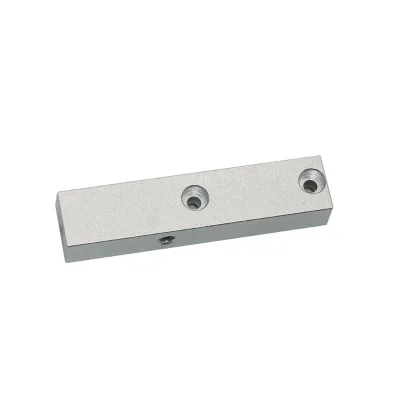
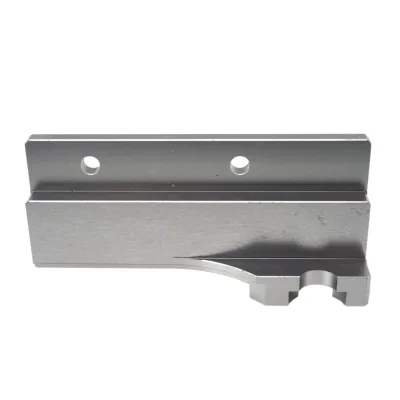
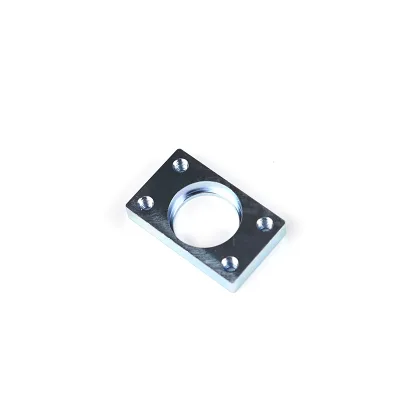
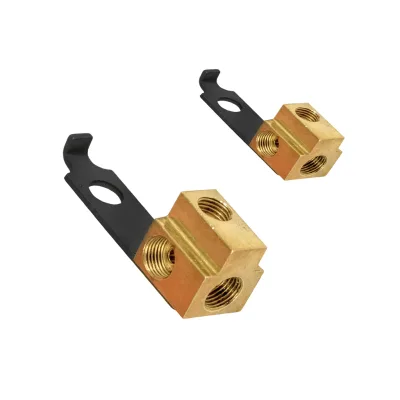


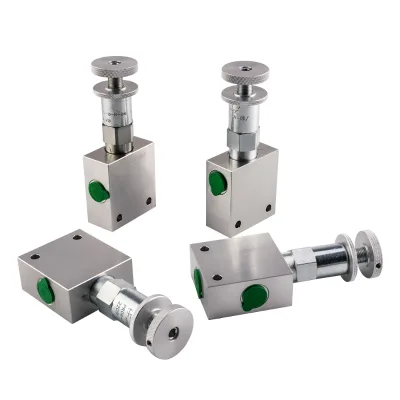
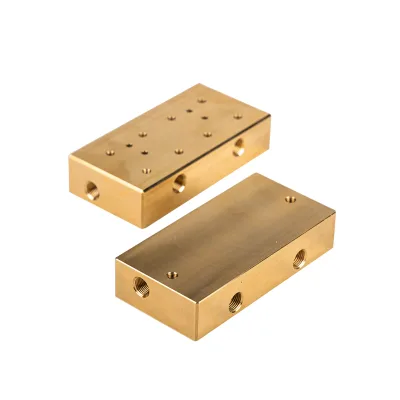
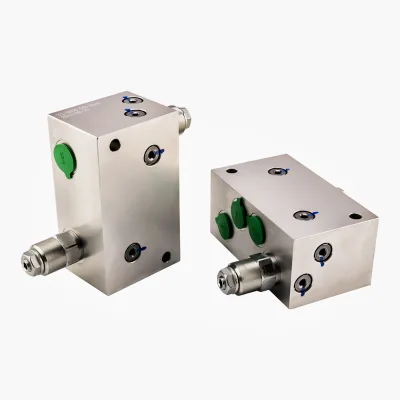
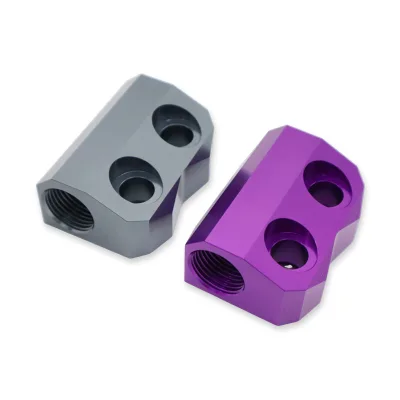
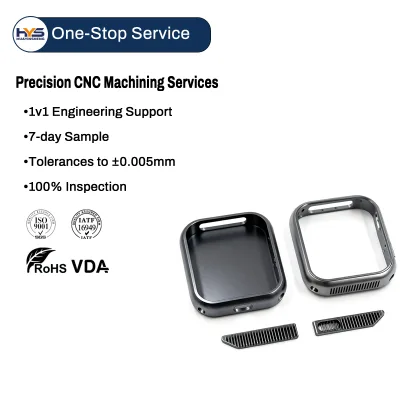


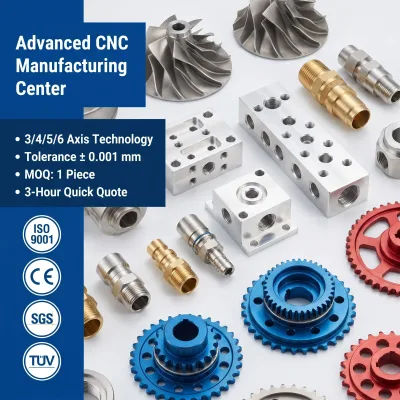


Comprehensive Sourcing Guide
Precision Aluminum Block CNC Machine Sourcing Guide
Procuring precision aluminum block CNC machines requires a clear understanding of the specific customization capabilities available in the current market. Buyers should verify that suppliers offer OEM and ODM services, as the observed data indicates a strong focus on customized manufacturing rather than off-the-shelf inventory. The availability of customization allows for tailored solutions that meet unique production requirements, ensuring the machinery integrates seamlessly with existing metal processing workflows.
When evaluating potential vendors, it is essential to confirm the specific machining methods supported, such as laser cutting or CNC machining, to ensure they align with your tolerance needs. The market data shows a range of tolerances from +/-0.005mm to 0.01mm, which dictates the precision level required for your specific metal coating or straightening applications. Selecting a supplier who can consistently deliver within these tight tolerances is critical for maintaining the quality of the final metal processing parts.
Product Scope and Observed Listing Signals
The product scope for precision aluminum block CNC machines encompasses a wide variety of applications, including metal coating machinery, metal processing parts, and metal straightening machinery. Listings frequently highlight the ability to handle ultra-thin foils with thicknesses ranging from 0.03mm to 1.5mm, indicating that these machines are versatile enough for both heavy-duty processing and delicate micro-machining tasks. This breadth of application suggests that buyers should look for machines capable of adapting to diverse material thicknesses and processing speeds.
Observed listing signals reveal that suppliers often provide products in various packaging formats, such as carton boxes or wooden cases, depending on client requirements. The presence of anti-static bags and foam protection in some listings highlights the need for careful handling of precision components during transit. Buyers must ensure that the packaging standards match the sensitivity of the equipment, particularly when dealing with high-precision CNC parts that could be damaged by standard shipping methods.
Technical Specifications to Verify
Buyers must rigorously verify the material compatibility of the CNC machines, as the market supports a diverse range including stainless steel, copper, brass, nickel, and various alloys. The ability to process materials like nylon and plastic alongside metals indicates a high degree of versatility, but it also necessitates checking that the machine's tooling and spindle capabilities are optimized for aluminum specifically. Confirming that the machine can handle the specific alloy grades required for your project is a primary technical verification step.
Tolerance and edge quality are critical specifications that directly impact the final product's performance. The observed data specifies edge qualities that are burr-free with no stress or heat-affected zones, which is essential for high-precision applications. Additionally, the minimum hole diameter of 0.05mm and slot width of 0.03mm demonstrate the machine's micro-machining potential. Buyers should request test results or sample parts to validate that the machine consistently achieves these micro-scale dimensions without compromising the structural integrity of the aluminum blocks.
Compliance and Safety Documentation
Compliance with international standards is a non-negotiable aspect of sourcing precision CNC machinery, with observed listings referencing standards such as BS, ANSI, JIS, GB, GOST, ASTM, and DIN. Buyers should demand documentation proving that the machine design and manufacturing processes adhere to these specific codes, particularly the GB and ASME standards often cited in the context of Chinese manufacturing. Ensuring that the equipment meets these rigorous safety and performance benchmarks is vital for regulatory compliance in your own facility.
Safety documentation must also cover the operational protocols for handling the various materials processed, including potential hazards associated with laser cutting or chemical etching processes. The presence of standards like APIEN and TEMA suggests that the machinery may be used in industries with strict safety regulations, such as automotive or aerospace. Procurement teams should verify that the supplier provides comprehensive safety manuals and that the machine includes necessary safety interlocks and emergency stop mechanisms to protect operators during high-speed machining operations.
Cost Drivers and Commercial Terms
The cost of precision aluminum block CNC machines is heavily influenced by the level of customization and the specific material thickness capabilities required. Listings indicate a wide price range, suggesting that costs vary significantly based on whether the machine is a standard model or a fully customized solution. Buyers should anticipate that higher precision tolerances, such as the +/-0.01mm range, and the ability to process ultra-thin foils will command a premium price compared to standard machining capabilities.
Commercial terms, including MOQ and lead times, are critical factors that affect the total cost of ownership. While some listings show an MOQ of just one piece, others may require significantly higher volumes, impacting the initial investment strategy. The production type, whether batch production or continuous OEM manufacturing, also influences the pricing structure. Buyers must negotiate clear terms regarding payment schedules and delivery timelines to ensure that the commercial agreement aligns with their production schedule and budget constraints.
Supplier Qualification and Quality Control
Supplier qualification should focus on verifying the production type and the specific machining methods employed, such as CNC machining combined with deburring processes. The market data highlights that many suppliers offer OEM and ODM services, which implies a capacity for custom engineering. Buyers should assess the supplier's experience with specific file formats like CAD, Gerber, and PDF to ensure they can accurately interpret and execute complex design specifications without errors.
Quality control measures must be robust, particularly given the tight tolerances and micro-machining requirements observed in the listings. Suppliers should demonstrate a commitment to producing burr-free parts with no stress or heat-affected zones, which requires advanced process control. Buyers should request evidence of quality assurance protocols, such as inspection reports or third-party testing results, to confirm that the supplier can consistently deliver parts that meet the specified dimensional and surface quality standards.
Long-Term Procurement Checks
Long-term procurement success depends on establishing a reliable supply chain that can support ongoing production needs and future customization requests. Buyers should evaluate the supplier's ability to maintain consistent quality over time, especially when scaling up from batch production to larger volumes. The availability of spare parts and the supplier's responsiveness to technical support requests are key indicators of a partnership that will sustain long-term operational efficiency.
It is also essential to monitor the supplier's adherence to evolving standards and their capacity to adapt to new material requirements. As the industry shifts towards more complex alloys and tighter tolerances, the supplier must demonstrate flexibility and a commitment to continuous improvement. Regular audits and performance reviews will help ensure that the supplier remains aligned with your quality expectations and can continue to provide the precision aluminum block CNC solutions necessary for your evolving manufacturing landscape.
FAQs
Can I get custom precision aluminum blocks with specific tolerances?
Yes, custom precision aluminum blocks are available with tight tolerances such as +/-0.005mm or 0.01mm. These parts support OEM and ODM services, allowing for tailored specifications. The production utilizes CNC machining and laser cutting methods to ensure high accuracy. Buyers can submit CAD or Gerber files to define exact requirements for the final product.
What materials are used for precision aluminum block CNC machining?
Precision aluminum blocks are primarily manufactured using aluminum, though stainless steel, copper, brass, and nickel are also available options. The material thickness can range from 0.03mm to 1.5mm, accommodating ultra-thin foil specialists. These materials are selected based on the specific application requirements, such as metal coating machinery or hardware tools, ensuring optimal performance and durability.
What is the minimum order quantity for custom aluminum blocks?
The minimum order quantity starts at just one piece, making it accessible for prototyping and small batches. This low MOQ supports rapid iteration and testing for new designs. For larger production runs, batch production capabilities are available. The flexible ordering policy allows buyers to scale their procurement efficiently without significant initial inventory commitments or high entry barriers.
How are precision aluminum blocks packaged for shipping?
Precision aluminum blocks are packaged using anti-static bags, foam protection, and export cartons to ensure safety during transit. Alternative packaging options include wooden cases or standard carton boxes, depending on client preferences. This robust packaging strategy protects the delicate machined surfaces from damage. The flexible packing solutions accommodate various shipping requirements and ensure the products arrive in pristine condition.
What standards do the precision aluminum blocks comply with?
The precision aluminum blocks comply with various international standards including BS, ANSI, JIS, GB, GOST, ASTM, and DIN. Specific material standards like 304 and 316 stainless steel are available. These certifications ensure quality and consistency for global applications. The manufacturing process adheres to these rigorous standards, providing buyers with confidence in the product's reliability and suitability for industrial machinery parts.
What file formats are accepted for custom aluminum block designs?
Accepted file formats for custom designs include CAD files such as .Dwg and .Dxf, Gerber files, PDFs, and STP or Step files. These formats allow for precise digital representation of the required geometry. Buyers can submit their engineering drawings directly to the manufacturer. This compatibility ensures accurate translation of design intent into physical parts, facilitating efficient production and reducing errors.