Micro Machined ABS Keyboard Keyset Suppliers and Manufacturers
Source 18 verified suppliers for Micro Machined ABS Keyboard Keyset components. Compare capabilities including CNC machining, ISO 9001 certification, and lead times up to 45 days. Verify material specs and response times to select the right partner; review the available evidence before requesting comparable quotations from suitable candidates.
Updated
Suppliers List
Shenzhen Huanan Hongtu Hardware Co., Ltd.
- Manufacturer, Trading Company
- Guangdong, China
- Lead time0 days
- Avg. response≤ 9h
Main productsCNC Keyboard Case; Camera Case; Aluminum Case
Main marketsDomestic Market(100.00%), South Asia(100.00%), Southern Europe(100.00%), Southeast Asia(100.00%), Central America(100.00%), Western Europe(100.00%), South America(100.00%), Eastern Asia(100.00%), Mid East(100.00%), North America(65.00%), Northern Europe(10.00%), Africa(10.00%), Oceania(10.00%), Eastern Europe(5.00%)

Tyshen Technology Co., Limited
- Trading Company,Manufacturer/Factory
- China Guangdong
- Lead time45 days
- Avg. response≤ 5h
Main productsComputer Keyboard, Computer Mouse, Powr Bank, Mouse Keyboard, Computer Speaker, Bluetooth Speaker
Main marketsSouth America,Eastern Europe,Mid East,North America,Southeast Asia,Eastern Asia,Western Europe,Africa


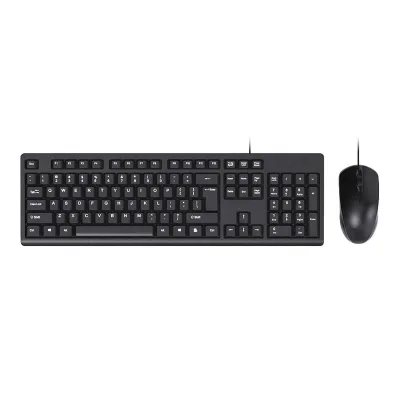
Ergonomic Keyboard Wired USB Keyboard Wired Ergonomic Designkeys Lasered
$6.35 - $6.85
MOQ: 1000 Pieces


Beijing Youcheng Times Technology Co., Ltd
- Verified by SGS Group
- Trading Company
- Lead time7 days
- Avg. response≤ 1h
Main productsKeyboard, Mouse
Main marketsNorth America(24%), Eastern Asia(23%), South America(18%)
Shenzhen Deying E-Commerce Limited.
- Verified by Intertek
- Trading Company
- Lead time30 days
- Avg. response≤ 2h
Main productsKeyboard, Mouse, Key Cap
Main marketsNorth America(65%), South America(8%), Eastern Europe(5%)
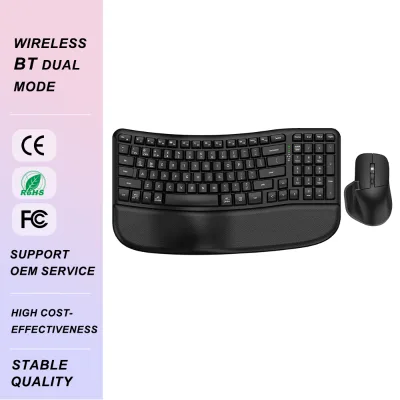
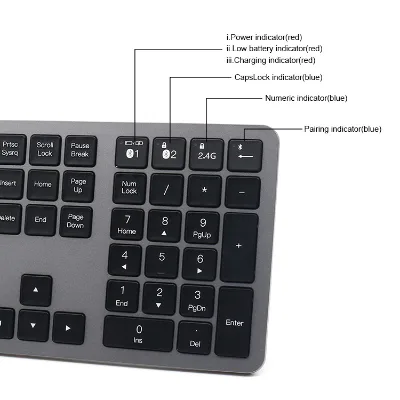
Ergonomic 2.4G BT Wireless Keyboard Mouse Combo LED Backlit Ergo Wave Curved Computer keyboard
$15.80 - $16.80
MOQ: 1000

Shenzhen Haizhi Trading Company Ltd.
- Verified by SGS
- Trading Company
- China Guangdong
- Lead time15 days
- Avg. response≤ 6h
Main productsUSB Drive, USB Memory, USB Disk, USB Flash Stick, USB Stick
Main marketsNorth America

Dongguan Siyaji Electronic Technology Co.,Ltd
- Verified by BV
- Manufacturer
- China Guangdong
- Lead time30 days
- Avg. response≤ 1h
Main productsDesktop Wireless Keyboard, Tablet Leather Keyboard Case, iPad Education Keyboard, Folding Bluetooth Keyboard, Keyframe, Keyboard and Mouse Combo, Wired Keyboard, Membrane Keyboard, Wireless Keyboard, Gaming Keyboard

2.4G Wireless Ergonomic Keyboard and Mouse Set with Square Keys and Numeric Keypad
$13.00 - $13.50
MOQ: 1000 Pieces

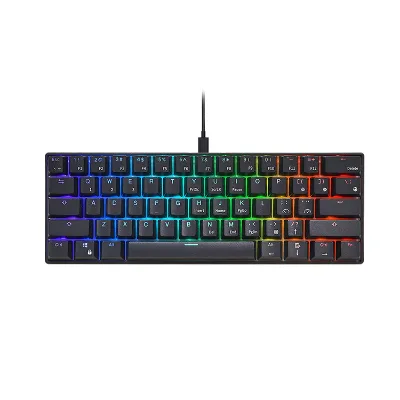
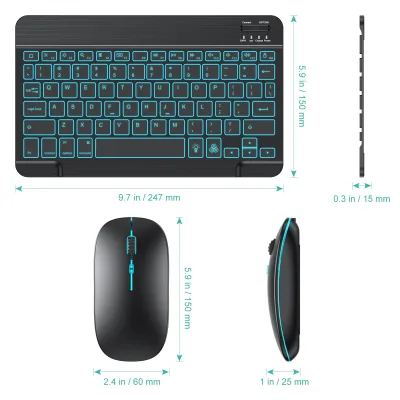
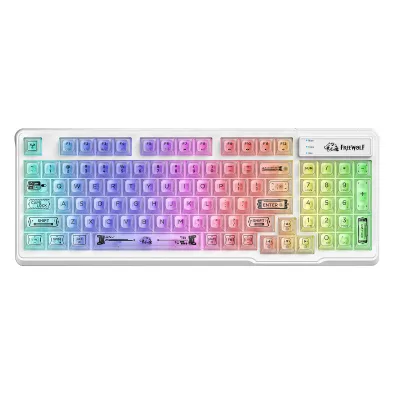
High Quality Customized Mini RGB Backlight Keyboard Keyframe with Numeric Keypad
$4.00 - $4.50
MOQ: 3000 Pieces

$19.50 - $20.00
MOQ: 1000 Sets

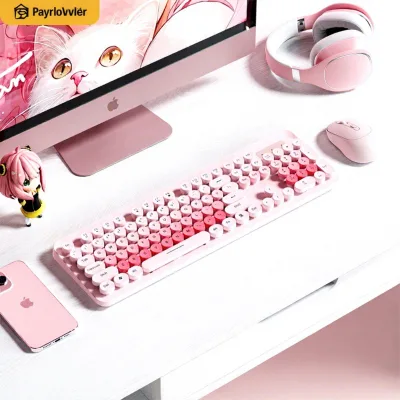
High Performance Ergonomic Round Keycaps Backlit Wireless Full Size Keyboard
$20.90 - $21.43
MOQ: 1000 Sets

Efficient Three-Zone Layout Keyboard with Shortcut Keys and Ergonomic Mouse for Productivity
$13.00 - $13.50
MOQ: 1000 Pieces

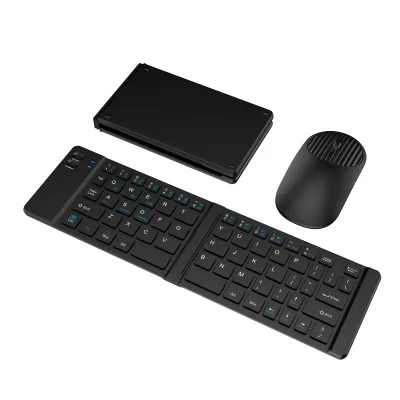
Slim Portable Bluetooth Mini Keyboard with Silent Keys and Ergonomic Angle
$13.07 - $13.57
MOQ: 1000 Pieces

Shenzhen Sinph U-Life Technology Co., Ltd.
- Combined
- China Guangdong
- Lead time15 days
- Avg. response≤ 8h
Main productsKeyboard Switch, Storage Connector, Auto Electrical Cables
Main marketsSouth America,Africa,Southeast Asia/ Mideast,East Asia(Japan/ South Korea),Domestic,Europe,Australia,North America
Shenzhen Lord Way Technology Co., Ltd.
- Manufacturer
- Guangdong, China
- Lead time30 days
- Avg. response≤ 8h
Main productsWired Mouse,Wired Keyboard,Wireless Mouse,Wireless Keyboard And Mouse
Main marketsDomestic Market(70.00%), Eastern Asia(10.00%), South Asia(6.00%), Western Europe(5.00%), Eastern Europe(3.00%), Southeast Asia(2.00%), Mid East(2.00%), Southern Europe(2.00%)
Shenzhen Awireless Electronics Development Limited
- Verified by Intertek
- Manufacturer, Trading Company
- Lead time10 days
- Avg. response≤ 4h
Main productsWireless Keyboard, Keyboard and Mouse Combo, Mouse, Mechanical Keyboard, Stand
Main marketsEastern Asia(54%), North America(15%), Eastern Europe(11%)
Guangdong Yilian Digital Industry Co., Ltd.
- Manufacturer, Trading Company
- Guangdong, China
- Lead time30 days
- Avg. response≤ 20h
Main productsMobile Charger,Data Cable,Sports,Others,TWS
Main marketsSouth America(40.00%), South Asia(10.00%), Western Europe(10.00%), Eastern Asia(10.00%), Mid East(10.00%), Africa(10.00%), Southeast Asia(10.00%)

SNT Electronics Technology Co., Ltd.
- Verified by SGS
- Combined
- China Guangdong
- Lead time30 days
- Avg. response≤ 1h
Main productsMembrane Switches, Overlay Panel, Backlight Membrane Switches, Pet Printed Circuit
Main marketsDomestic,Europe,Australia,North America


Custom Membrane Keyboard with High-Quality Circuitry and Anti-Microbial Features
$0.10 - $5.00
MOQ: 5 Pieces

Customized Dimensions for Durable Rubber Keyboard - Waterproof and Dustproof
$0.10 - $5.00
MOQ: 5 Pieces


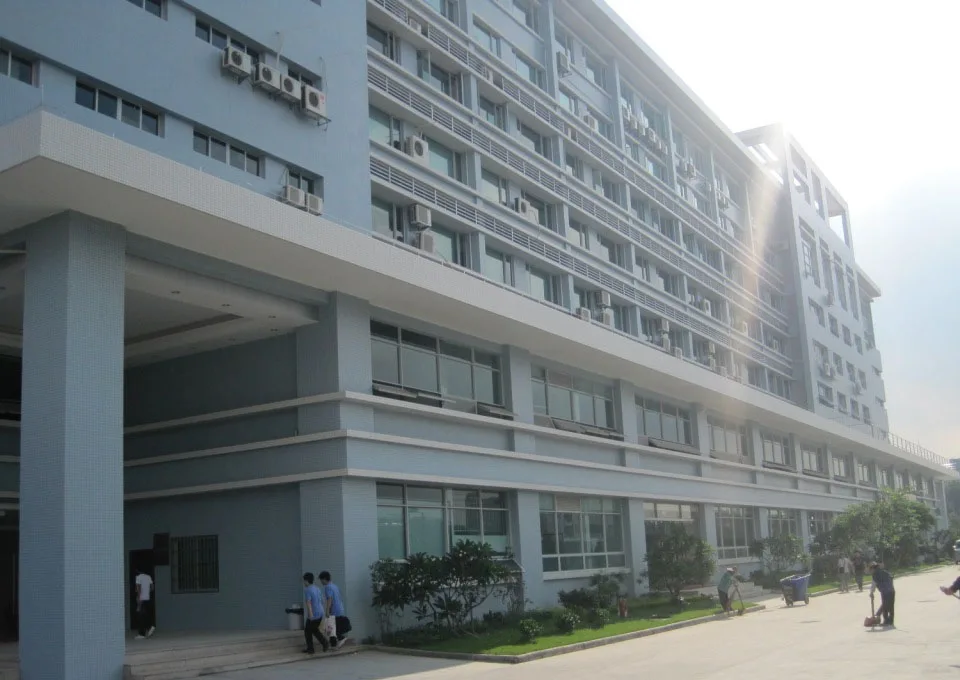
Foshan Juchao Electronics Co., Ltd.
- Trading Company, Agent
- Guangdong, China
- Lead time7 days
- Avg. response≤ 4h
Main productsKeyboard,Mouse,Headset,Microphone,TWS earbuds
Main marketsSouth America(30.00%), North America(30.00%), South Asia(10.00%), Southern Europe(10.00%), Eastern Europe(10.00%), Northern Europe(2.00%), Domestic Market(1.00%), Africa(1.00%), Southeast Asia(1.00%), Oceania(1.00%), Central America(1.00%), Western Europe(1.00%), Eastern Asia(1.00%), Mid East(1.00%)
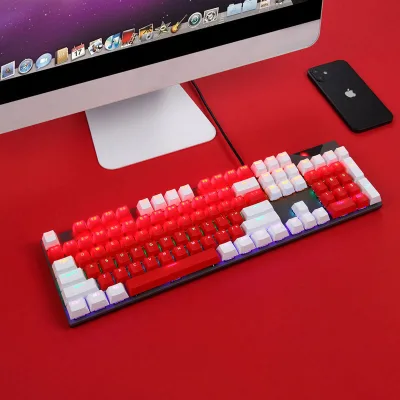
PBT Keyboard 104keys USB Mechanical Keyboard Gaming
$11.99 - $13.59
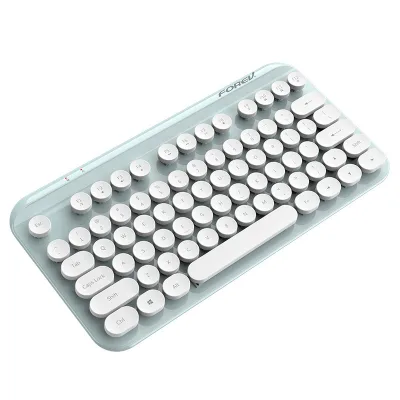

Shenzhen Yizexin Technology Co., Ltd.
- Verified by BV
- Trading Company,Manufacturer/Factory,Group Corporation,Other
- China Guangdong
- Lead time15 days
- Avg. response≤ 8h
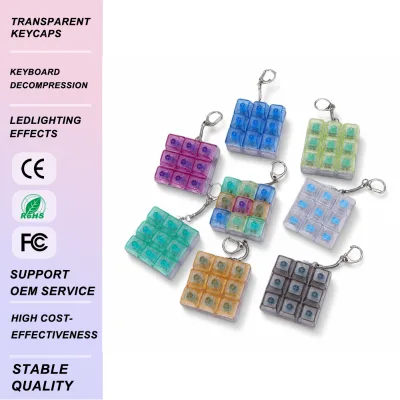
Main productsMembrane Switch, Membrane Panel, Flexible Circuit, Lenses Series, Stickers Series, Crystal Glue, Roll up Piano, Roll up Drum, Hand Spinners, Hand Cube
Main marketsSouth America,Eastern Europe,Mid East,North America,Southeast Asia,Eastern Asia,Oceania,Western Europe,Africa
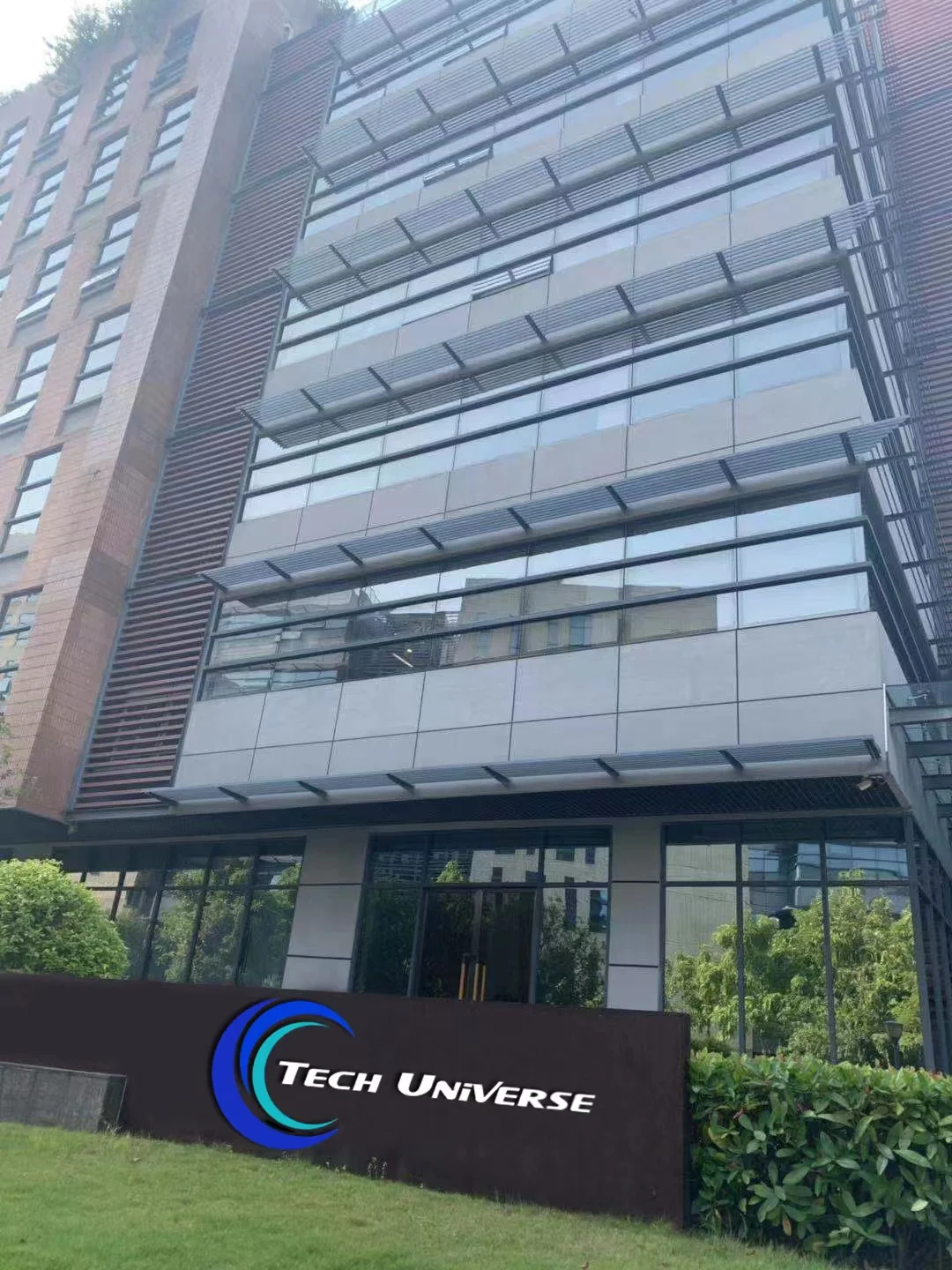
SHENZHEN TECH UNIVERSE CO., LTD.
- Manufacturer, Distributor/Wholesaler
- Guangdong, China
- Lead time3 days
- Avg. response≤ 3h
Main productsLED Display Accessories,Circuit Paper,Computer Case,ARGB Fans,Headphone
Main marketsSouth America(35.00%), North America(20.00%), Mid East(10.00%), Southeast Asia(10.00%), Eastern Europe(10.00%), Northern Europe(5.00%), Western Europe(5.00%), Oceania(5.00%)
Shenzhen Lianxinyuan E-Commerce Co., Ltd.
- Manufacturer, Trading Company, Distributor/Wholesaler, Other
- Guangdong, China
- Lead time3 days
- Avg. response≤ 1h
Main productsTraffic tools,charger,Electronic products,integrated circuit,Solar products
Main marketsNorth America(30.00%), Northern Europe(15.00%), South America(15.00%), South Asia(10.00%), Southern Europe(10.00%), Eastern Europe(10.00%), Western Europe(10.00%)
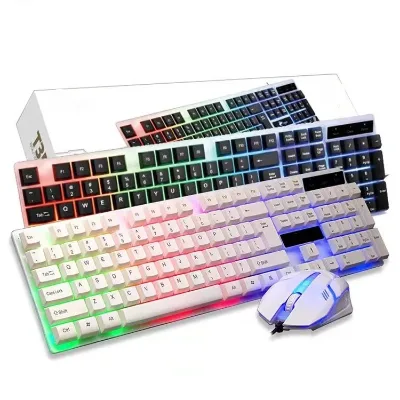
Luminous Keyboard and Mouse Set Usb Luminous Mechanical Keyboard and Mouse
$2.066 - $3.6143
MOQ: 2 pieces
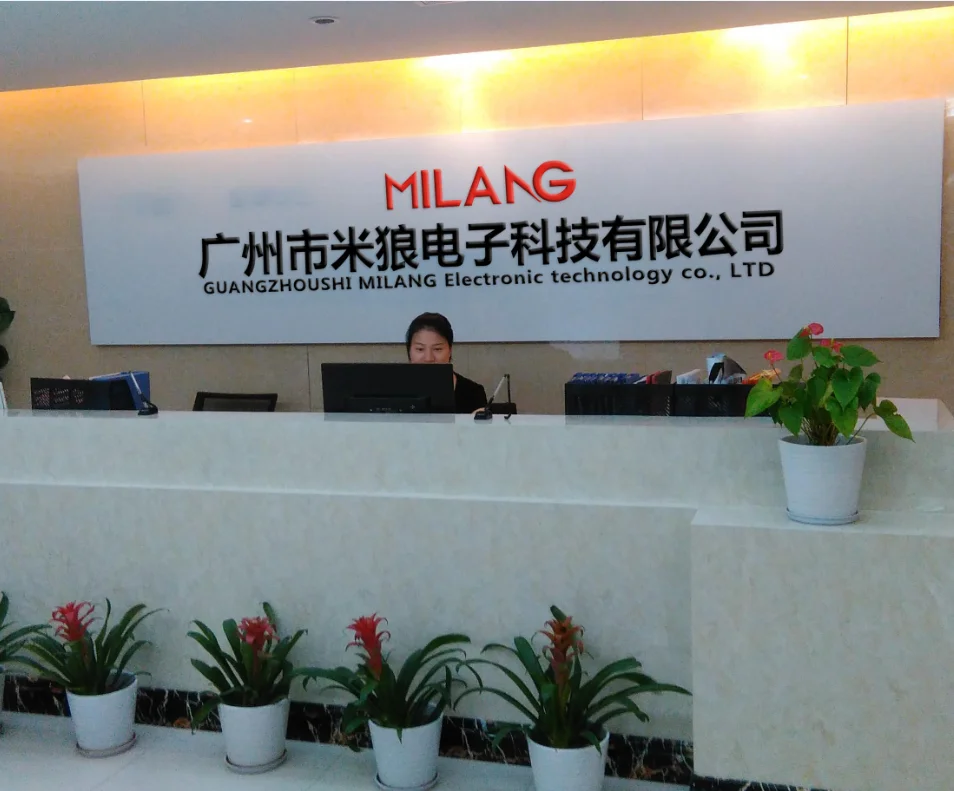
Guangzhou Milang Electronic Technology Co., Ltd.
- Trading Company
- Guangdong, China
- Lead time20 days
- Avg. response≤ 2h
Main productsKeyboard/Mouse,Speakers,Headset,Computer Accessories
Main marketsSoutheast Asia(50.00%), Domestic Market(40.00%), North America(10.00%)

Shenzhen Tina Nis Electronics Co., Ltd.
- Verified by SGS
- Trading Company
- China Guangdong
- Lead time15 days
- Avg. response≤ 8h
Main productsEarphone, Headphone, Adapter, Phone Case, Speaker, Stylus, Earbuds
Main marketsEurope
Shenzhen Jiaoyuanxin Technology Co., Ltd.
- Verified by SGS Group
- Trading Company
- Guang Dong, China
- Lead time15 days
- Avg. response≤ 6h
Main productsTWS Earbuds, Bluetooth Speaker, Smart Watch
Main marketsNorth America(50%), Southeast Asia(20%), Southern Europe(15%)




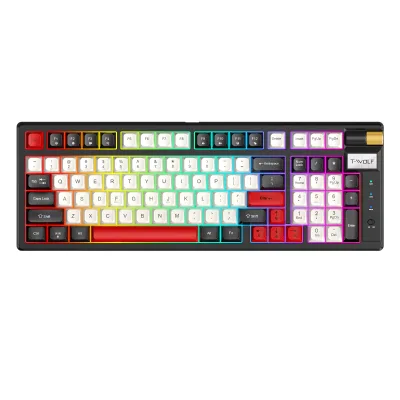
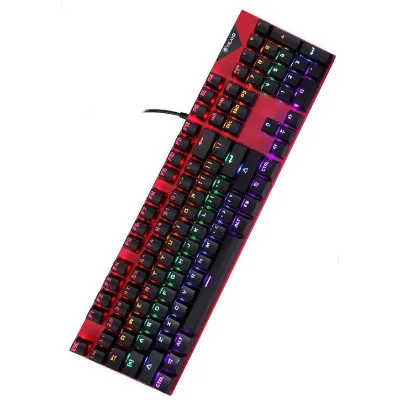
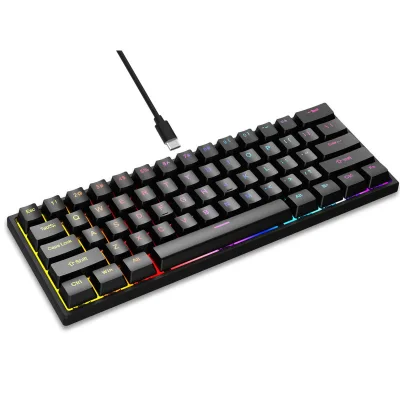


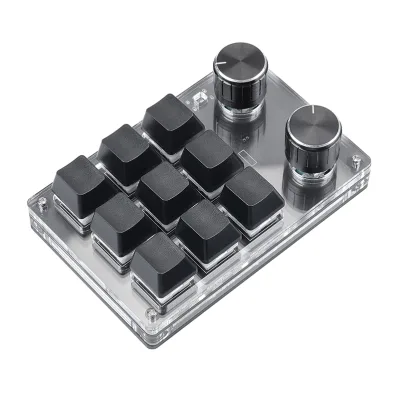
Comprehensive Sourcing Guide
Micro Machined ABS Keyboard Keyset Supplier Concentration and Factory Types
The sourcing landscape for micro machined ABS keyboard keysets reveals a distinct concentration of manufacturing capabilities within specific industrial regions, primarily identified as Guangdong, China. This geographic clustering is not arbitrary but reflects a mature ecosystem where specialized machining services coexist with broader consumer electronics assembly. Buyers evaluating suppliers will often encounter entities that operate as both manufacturers and trading companies, a hybrid model that can offer flexibility in order sizes but requires careful verification of actual production capacity. The presence of CNC machining services within this cluster suggests that while the final product may be ABS plastic, the tooling, molds, or associated metal components often leverage high-precision machining techniques. This overlap between metal fabrication and plastic component manufacturing creates a unique supplier profile where technical expertise in tolerance control, such as achieving specific surface roughness values, is available even for plastic keysets. Understanding this concentration helps buyers narrow their search to regions with established supply chains for both raw ABS materials and the precision equipment required to produce consistent key profiles.
Supplier types in this sector vary significantly, ranging from pure trading companies that aggregate products from multiple factories to dedicated manufacturers with in-house molding and machining capabilities. The distinction is critical because it impacts lead times, customization options, and quality control processes. Manufacturers often possess the ability to offer OEM and ODM services, allowing for deeper customization of keycap designs, including specific laser etching or ergonomic shaping. In contrast, trading companies may offer a wider variety of standard SKUs with lower minimum order quantities but less control over the production timeline. Some suppliers in this cluster also specialize in broader categories like computer mice or speakers, indicating a diversified manufacturing base that can potentially offer bundled sourcing opportunities. However, buyers must verify whether the supplier’s primary focus aligns with their specific need for micro-machined precision or if they are generalists who may lack the specialized equipment for high-tolerance ABS keyset production. The company type directly influences the buyer’s ability to negotiate technical specifications and ensure that the final product meets stringent aesthetic and functional requirements.
How to Verify Micro Machined ABS Keyboard Keyset Suppliers
Verifying the legitimacy and capability of suppliers requires a multi-layered approach that goes beyond surface-level product listings. Buyers should prioritize suppliers who provide transparent evidence of their manufacturing processes, particularly regarding CNC machining capabilities if metal components are involved in the keyset assembly or tooling. One key verification step is to request detailed technical documentation, such as material certificates for ABS plastic or proof of surface roughness standards, which can indicate a supplier’s commitment to quality. Suppliers who display specific technical attributes, such as tolerance levels or material capabilities, are often more reliable than those who provide vague descriptions. Additionally, checking for relevant system certifications, such as ISO 9001 or ISO 14001, can provide assurance that the supplier adheres to recognized quality and environmental management standards. These certifications are particularly important for buyers who need to ensure compliance with international regulations or corporate social responsibility policies. Verification should also include assessing the supplier’s response time, as a quick and professional reply often correlates with better customer service and operational efficiency.
Another critical aspect of verification is examining the supplier’s product portfolio and production history. Buyers should look for evidence of past projects that demonstrate the supplier’s ability to handle complex designs or high-volume orders. Product keywords and descriptions that mention specific technologies, such as laser etching or ergonomic designs, can serve as indicators of specialized expertise. It is also advisable to request samples to physically inspect the quality of the ABS material, the precision of the key profiles, and the consistency of the finish. Suppliers who are willing to provide samples and technical data sheets are generally more confident in their capabilities. Furthermore, buyers should verify the supplier’s location and facility details to ensure they are not just a trading entity with no direct access to production lines. Cross-referencing the supplier’s claimed capabilities with their actual product listings can help identify discrepancies. For instance, a supplier claiming to offer micro-machined precision should be able to provide detailed specifications on their machining equipment and quality control processes. This thorough verification process helps mitigate the risk of partnering with unreliable suppliers and ensures that the final product meets the buyer’s expectations.
What to Compare Across Micro Machined ABS Keyboard Keyset Suppliers
When evaluating multiple suppliers, buyers must compare a range of operational and commercial metrics to identify the best fit for their specific needs. One of the most critical factors is the lead time, which can vary significantly depending on the supplier’s production capacity and current order backlog. Suppliers with established manufacturing lines may offer faster turnaround times for standard designs, while those requiring custom tooling or micro-machining may have longer lead times. Buyers should also compare the minimum order quantity (MOQ) requirements, as these can impact inventory costs and cash flow. Some suppliers may offer lower MOQs for trial orders, while others may require larger volumes to justify production setup costs. Response time is another important metric, as it reflects the supplier’s responsiveness and ability to address queries or issues promptly. A supplier with a quick response time is often more reliable in maintaining communication throughout the production process. Additionally, buyers should compare the range of main products offered by each supplier to ensure they have the necessary expertise in keyboard components.
Price is a significant factor, but it should be evaluated in the context of total value, including quality, lead time, and after-sales support. Buyers should request detailed quotations that break down costs for materials, labor, and tooling to understand the pricing structure. It is also important to compare the customization options available, such as the ability to modify key profiles, colors, or packaging. Suppliers who offer flexible customization services may be more suitable for buyers with unique design requirements. Furthermore, buyers should assess the supplier’s capacity for rapid prototyping, which can be crucial for testing new designs before full-scale production. The availability of additional services, such as quality inspection reports or third-party testing, can also add value to the sourcing process. By comparing these diverse factors, buyers can make a more informed decision and select a supplier that aligns with their strategic goals. It is essential to weigh the trade-offs between cost, quality, and speed to find the optimal balance for their specific project requirements.
Common Micro Machined ABS Keyboard Keyset Sourcing Risks
Sourcing micro machined ABS keyboard keysets involves several inherent risks that buyers must proactively manage to ensure a successful procurement process. One significant risk is the potential for quality inconsistencies, particularly if the supplier lacks robust quality control measures. ABS plastic can vary in quality, and issues such as warping, discoloration, or imprecise key profiles can arise if the manufacturing process is not tightly controlled. Buyers should be vigilant about verifying the supplier’s quality assurance protocols and requesting samples to assess consistency. Another risk is the delay in lead times, which can disrupt production schedules and impact time-to-market. Suppliers may face bottlenecks due to material shortages, equipment maintenance, or high order volumes, leading to unexpected delays. Buyers should establish clear communication channels and request regular updates on production progress to mitigate this risk. Additionally, there is a risk of intellectual property infringement if the supplier shares proprietary designs with competitors. Buyers should ensure that confidentiality agreements are in place and that the supplier has a strong reputation for protecting client information.
Another common risk is the discrepancy between the quoted price and the final cost, often due to hidden fees or changes in material costs. Buyers should request detailed quotations that include all potential costs, such as tooling, shipping, and taxes, to avoid surprises. There is also the risk of supplier insolvency or operational issues, which can halt production and leave buyers with unfinished orders. Buyers should assess the supplier’s financial stability and operational history to gauge their reliability. Furthermore, there is a risk of non-compliance with international standards or regulations, particularly if the supplier is located in a region with less stringent oversight. Buyers should verify that the supplier’s products meet relevant safety and environmental standards, such as RoHS or FCC certifications. Finally, there is the risk of poor after-sales support, which can complicate issue resolution if problems arise after delivery. Buyers should choose suppliers who offer comprehensive support and have a track record of resolving customer complaints effectively. By identifying and addressing these risks early, buyers can protect their interests and ensure a smoother sourcing experience.
Micro Machined ABS Keyboard Keyset Regional Sourcing and Logistics
Regional sourcing plays a crucial role in determining the efficiency and cost-effectiveness of procuring micro machined ABS keyboard keysets. Suppliers located in Guangdong, China, benefit from a well-developed infrastructure and a dense network of related industries, which can facilitate faster production and lower logistics costs. This region is known for its expertise in electronics manufacturing and precision machining, making it a hub for high-quality keyboard components. Buyers sourcing from this region can leverage the local supply chain for raw materials, such as ABS plastic, and specialized services, such as CNC machining for tooling. However, buyers must also consider the logistical challenges associated with international shipping, including customs clearance, transit times, and potential tariffs. Efficient logistics planning is essential to ensure that products arrive on time and in good condition. Buyers should work with suppliers who have experience in international shipping and can provide reliable tracking and documentation. Additionally, buyers should assess the supplier’s ability to handle packaging and labeling requirements specific to their target markets.
Logistics costs can vary significantly depending on the shipping method, volume, and destination. Buyers should compare different shipping options, such as air freight for urgent orders or sea freight for larger volumes, to find the most cost-effective solution. It is also important to consider the supplier’s packaging practices, as improper packaging can lead to damage during transit. Buyers should request information on the supplier’s packaging standards and ensure that products are protected against moisture, impact, and static discharge. Furthermore, buyers should be aware of any regional trade agreements or regulations that may impact shipping costs or customs procedures. For example, certain regions may have preferential trade terms that can reduce tariffs for imported goods. Buyers should also consider the environmental impact of their logistics choices, as sustainable shipping practices are becoming increasingly important. By carefully planning and managing regional sourcing and logistics, buyers can optimize their supply chain and reduce overall procurement costs. This involves not only selecting the right supplier location but also establishing efficient shipping and handling processes.
Micro Machined ABS Keyboard Keyset Commercial Terms and Order Planning
Effective order planning and clear commercial terms are essential for a successful sourcing relationship when procuring micro machined ABS keyboard keysets. Buyers should establish detailed purchase agreements that specify product specifications, quality standards, delivery schedules, and payment terms. Clear communication of requirements helps prevent misunderstandings and ensures that both parties are aligned on expectations. Buyers should also negotiate favorable payment terms, such as partial payments upfront and the balance upon delivery, to manage cash flow and mitigate financial risk. It is important to include clauses that address potential issues, such as delays, quality defects, or changes in order volume. Buyers should also consider the supplier’s return and warranty policies to ensure that they have recourse in case of problems. Additionally, buyers should plan for scalability, ensuring that the supplier can handle increased order volumes as demand grows. This may involve discussing capacity expansion plans or establishing long-term contracts to secure production slots.
Order planning should also account for lead times and production cycles, which can vary based on the complexity of the design and the supplier’s current workload. Buyers should provide ample notice for custom orders to allow for tooling setup and material procurement. It is also advisable to maintain a buffer stock of key components to mitigate the risk of supply chain disruptions. Buyers should regularly review and update their order forecasts to ensure that they align with the supplier’s production capabilities. Furthermore, buyers should establish a system for tracking order progress and addressing any issues promptly. This may involve regular check-ins with the
FAQs
What is the lead time for custom CNC machined keyboard cases?
The proofing cycle for custom CNC machined aluminum keyboard cases typically ranges from 15 to 30 days. This timeline applies to rapid prototyping and milling services for mechanical keyboard components. Buyers should verify specific production schedules with suppliers to ensure alignment with project deadlines and manufacturing capacity.
What is the minimum order quantity for standard wired keyboards?
The minimum order quantity for standard wired ergonomic keyboards is 1000 units. This MOQ applies to ABS material keyboards with lasered keys and USB interfaces. Buyers seeking smaller quantities should contact suppliers directly to discuss flexible ordering options or alternative product lines that may have lower entry thresholds.
What certifications do keyboard manufacturers hold?
Manufacturers of computer keyboards often hold ISO 14001 and ISO 9001 system certifications. These credentials indicate adherence to quality management and environmental standards. Buyers should request valid certification documents to verify compliance before placing large orders for commercial or gaming keyboard products.
What is the response time for supplier inquiries?
Supplier response times vary, with some manufacturers responding within 4.34 hours and others taking up to 9 hours. Faster response times are common for trading companies and factories in Guangdong. Buyers should prioritize suppliers with quicker response metrics to ensure efficient communication during the sourcing and negotiation process.
What materials are used for CNC machined keycaps?
CNC machined keycaps are primarily made from aluminum alloy, brass, copper, and stainless steel. These materials support high precision milling with tolerances of 0.02mm and surface roughness of Ra0.1. Buyers can request custom anodization colors based on Pantone cards for specific aesthetic requirements.
What is the price range for standard keyboards?
Standard wired keyboards are priced between $2.55 and $8.05 per unit. The lowest price applies to basic 104-key models, while ergonomic or gaming designs cost more. Prices depend on features like multimedia keys, waterproofing, and material quality. Buyers should compare quotes based on specific customization needs.