CNC Machined Aluminum Alloy Box Suppliers and Manufacturers
Source 27 verified suppliers for CNC Machined Aluminum Alloy Box components. Compare key dimensions including location, lead time, MOQ, and response time to identify the right partner. Review product specifications and pricing details to streamline your procurement process; review the available evidence before requesting comparable quotations from suitable candidates.
Updated
Suppliers List

Shenzhen Star Precision Machinery Co., Ltd.
- Verified by CTI
- Combined
- China Guangdong
- Lead time15 days
- Avg. response≤ 6h
Main productsCNC Machining Parts, Custom CNC Machining Services, CNC Turning Parts, CNC Milling Parts, Precision Machined Components, Custom Metal Parts


$1.83 - $7.60
MOQ: 1 Pieces


Changzhou Junye Aluminum Case Co., Ltd.
- Verified by TUVRHEINLAND
- Trading Company,Manufacturer/Factory
- China Jiangsu
- Lead time23 days
- Avg. response≤ 17h
Main productsAluminum Case, Aluminium Case, Tool Case, Aluminum Tool Box, Gun Case, Aluminium Box, Travel Case, Aluminum Instrument Case, Makeup Box, Medical Case
Main marketsSouth America,Eastern Europe,Mid East,North America,Southeast Asia,Eastern Asia,Western Europe,Africa
Guangdong Shuangxin Precision Components Co., Ltd.
- Manufacturer, Trading Company
- Lead time旺季: "1 - 500":40,"501 - 1000":60,"> 1000":"To be negotiated", 淡季: "1 - 500":40,"501 - 1000":60,"> 1000":"To be negotiated"
- Avg. response≤ 3h
Main productsFasteners, Metal Stamping Parts, CNC Machining Part, CNC Turning Parts, Springs
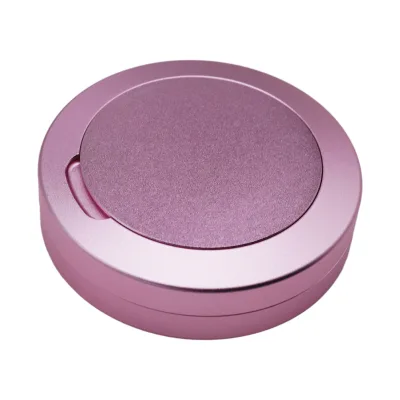
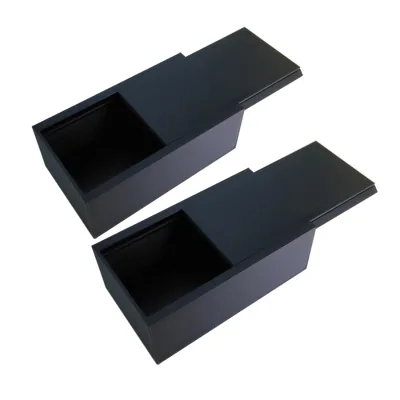
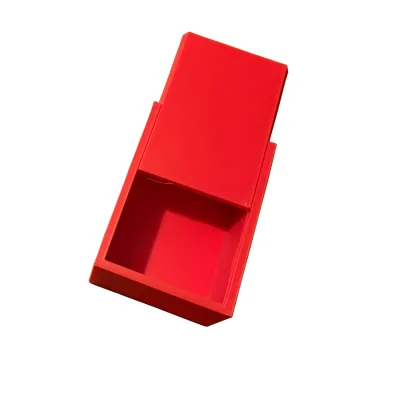
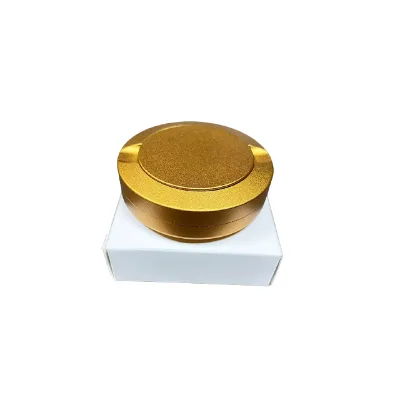
Custom Gift Aluminum Alloy Box Slide Cover CNC Machined Brass Metal Storage Box with Sliding Lid
$0.932 - $6.171
MOQ: 100 Minimum
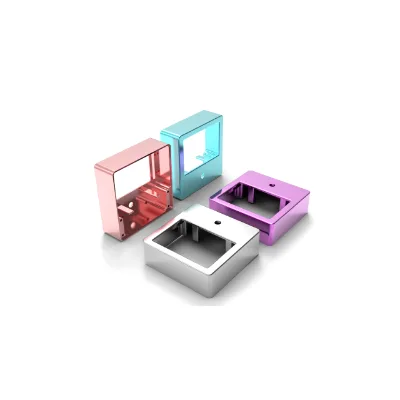
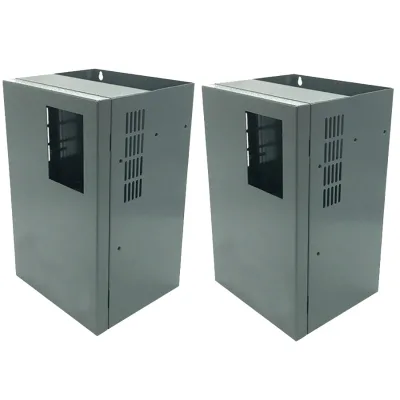
$0.923 - $6.1082
MOQ: 100 Minimum
Xiamen Goldcattle Plastic & Metal Products Co., Ltd.
- Verified by SGS Group
- Manufacturer, Trading Company
- Lead time15 days
- Avg. response≤ 1h
Main productsInjection Mold, Metal Parts, Plastic Parts
Main marketsNorth America(70%), Northern Europe(15%), Africa(5%)
Shenzhen Huayisheng Precision Manufacturing Co., Ltd.
- Manufacturer, Trading Company, Distributor/Wholesaler
- Guangdong, China
- Lead time0 days
- Avg. response≤ 1h
Main productsCustom made aluminum products,CNC product customization,Metal stamping parts,Springs,spindles
Main marketsNorth America(50.00%), Eastern Europe(30.00%), South Asia(10.00%), Eastern Asia(5.00%), Western Europe(5.00%)

Shenzhen Hongfa Shunda Mould Co., Ltd
- Manufacturer/Factory
- China Guangdong
- Lead time23 days
- Avg. response≤ 6h
Main productsPlastic Enclosure, Sheet Metal Case, Aluminum Extruded Enclsoure, Die Casting Aluminum Case, CNC Millded Parts, Chassis Enclosure, Metal Enclosure, Waterproof Enclusures, Junction Box, Electronic Enclosure
Main marketsSouth America,Eastern Europe,Mid East,North America,Southeast Asia,Eastern Asia,Oceania,Western Europe,Africa
Guangdong Shuangxin Precision Components Co., Ltd.
- Verified by SGS Group
- Manufacturer, Trading Company
- Lead time15 days
- Avg. response≤ 3h
Main productsHardware Products (Stamping Part, Auto Lathe & CNC Turning Parts, CNC Milling Parts, Spring, Shaft, Fastener)
Main marketsNorth America(30%), Domestic Market(30%), Western Europe(10%)
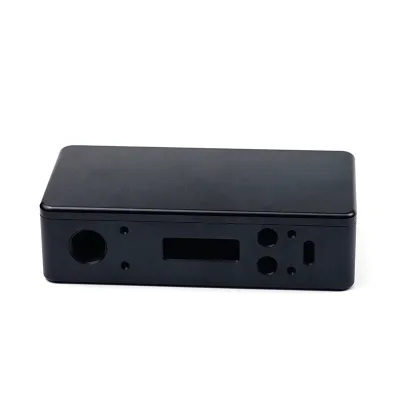
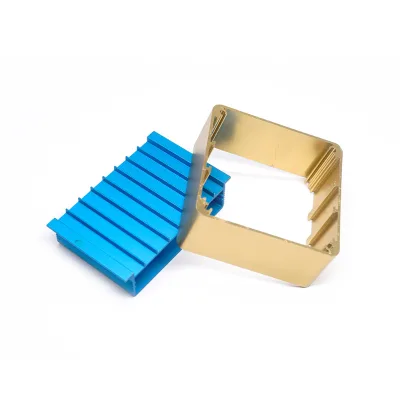
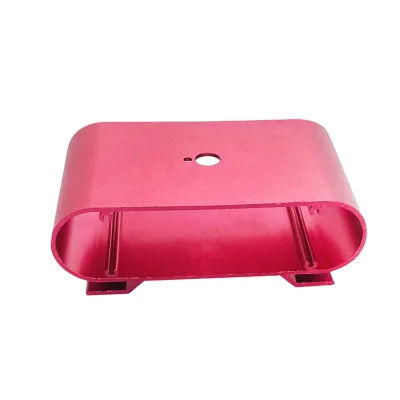
Cnc Custom Aluminum Machining Box Aluminum Extrusion Housing Electric Waterproof Box
$0.40 - $1.99
MOQ: 500 Minimum
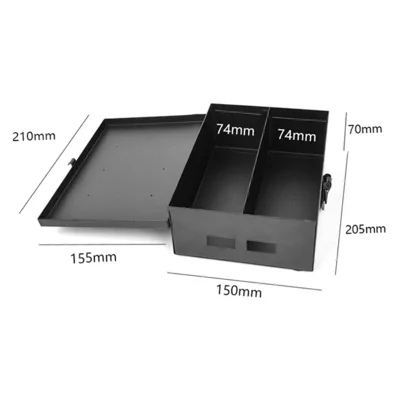
Dongguan Factory Custom Aluminum Cnc Machining Portable Metal Box for Lithium Battery
$0.025 - $1.52
MOQ: 1000 Minimum
Shenzhen Jindee Technology Co., Ltd.
- Verified by SGS Group
- Manufacturer, Trading Company
- Lead time20 days
- Avg. response≤ 3h
Main productsCNC Parts, Stamping Parts, Plastic Parts, Die Casting Parts, CNC Turning Parts
Main marketsNorth America(30%), Western Europe(25%), Northern Europe(25%)
Industrial Man Manufacturing Co., Limited
- Verified by SGS Group
- Manufacturer, Trading Company
- Lead time7 days
- Avg. response≤ 2h
Main productsPlastic Rapid Prototype;, Metal CNC Milling, Vacuum Casting
Main marketsDomestic Market(30%), North America(10%), Eastern Europe(10%)
- Verified by Intertek
- Trading Company
- Lead time20 days
- Avg. response≤ 6h
Main productsCNC Machining Parts, Lathe Turning Parts, Metal Stamping Parts, Rivet, Silver Electrical Contacts
Main marketsNorth America(28%), Oceania(18%), Eastern Europe(10%)
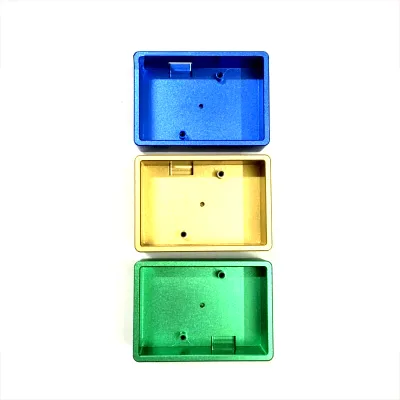
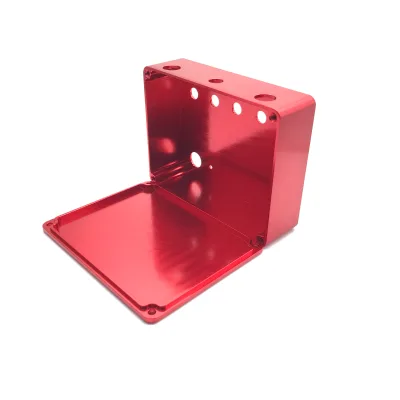
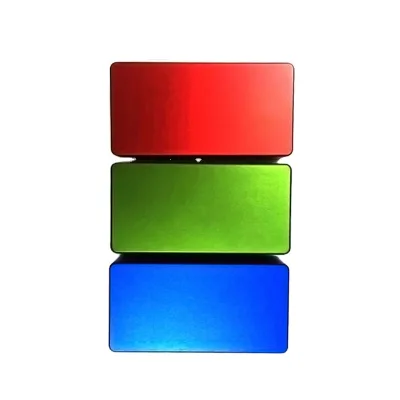
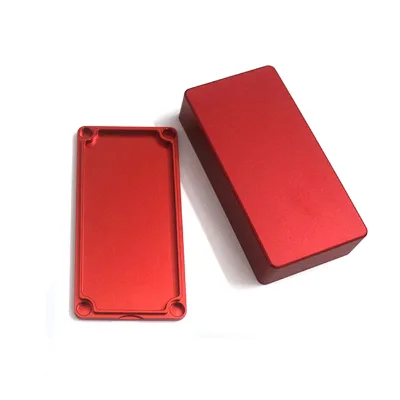
OEM AAA Quality Low Price Various Color CNC Machining 1590B Aluminum Case
$5.1313 - $8.2086
MOQ: 1 pieces
Foshan Nanhai Ruibang Hardware Factory
- Manufacturer, Trading Company
- Guangdong, China
- Lead time7 days
- Avg. response≤ 1h
Main productsCopper and aluminum enclosure, Aluminum power amplifier housing, Metal chassis, Aluminum front panel, Mechanical accessories
Main marketsDomestic Market(69.00%), North America(8.00%), Western Europe(5.00%), Oceania(4.00%), Eastern Asia(2.00%), South America(2.00%), Southern Europe(2.00%), Eastern Europe(2.00%), South Asia(1.00%), Central America(1.00%), Northern Europe(1.00%), Africa(1.00%), Mid East(1.00%), Southeast Asia(1.00%)

Shandong Herui Mechanical Equipment Co., Ltd.
- Verified by SGS
- Trading Company,Manufacturer/Factory
- China Shandong
- Lead time30 days
- Avg. response≤ 4h
Main productsHorse Trailer, Aluminum Storage Box, Toolbox, Aluminum Box, Aluminum Tool Box, Rooftop Tent, Aluminum Ute Canopy, Ute Canopy, Aluminum Project Box, Aluminum Enclosure
Main marketsMid East,Southeast Asia,Oceania,Africa

Hot Sale Aluminum Box Customizable Aluminum Alloy Equipment Storage Tool Box with Different Size
$200.00 - $1000.00
MOQ: 10 Pieces

Custom Aluminum Toolbox, High Quality Aluminum Box, Aluminum Storage Cabinet,
$19.00 - $499.00
MOQ: 1 Pieces

Guangdong Yubiao Hardware Co., Ltd.
- Verified by BV
- Combined
- China Guangdong
- Lead time15 days
- Avg. response≤ 4h
Main productsStamping Part, Spring, CNC Milling Part, CNC Turning Part, Auto Lathe Part, Fastener
Main marketsSoutheast Asia/ Mideast,Europe


CNC Milled Car Key Box Metal Packaging Case Black Anodized Aluminum Box
$3.00 - $8.00
MOQ: 1000 Pieces

Zhongshan Holy Precision Manufacturing Co., Ltd
- Verified by BV
- Combined
- China Guangdong
- Lead time15 days
- Avg. response≤ 2h
Main productsCNC Machining, Turning, Stamping, Laser Cutting, Sheet Metal Fabrication, Casting and Mould Parts, Surface Treatment and Assembly, OEM/ODM Designing, Powder Metal, EDM Wire Cutting Part
Main marketsSoutheast Asia/ Mideast,East Asia(Japan/ South Korea),Europe,Australia,North America
Shenzhen Bsh Precision Die-Casting Products Co., Ltd.
- Verified by SGS Group
- Trading Company
- Guangdong, China
- Lead time7 days
- Avg. response≤ 2h
Main productsAluminum Alloy Die Casting Part, Zinc Alloy Die Casting Part, CNC Machine Part, Injection Part, Metal Mould
Main marketsNorth America(30%), Domestic Market(28%), Western Europe(20%)
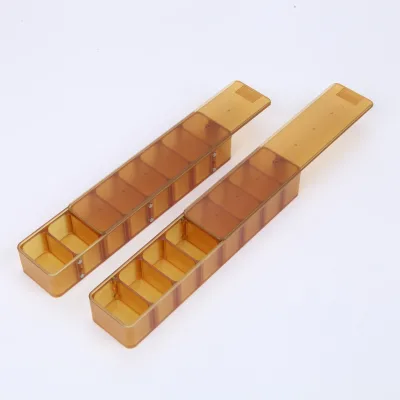
Metal Milling Turning Aluminium Collapsible Storage Box Craft Storage Pu Box Tool Storage Box
$1.0278 - $3.0818
MOQ: 1 Minimum
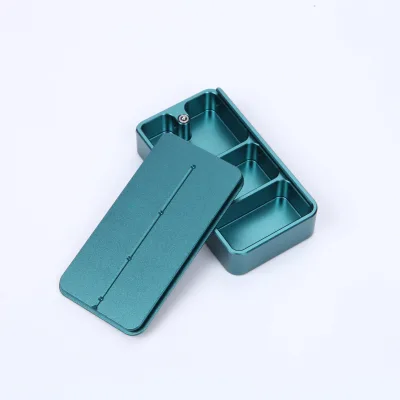
Metal Milling Turning Aluminium Watch Storage Box Toy Storage Box Outdoor Storage Box
$1.0367 - $3.1072
MOQ: 1 Minimum
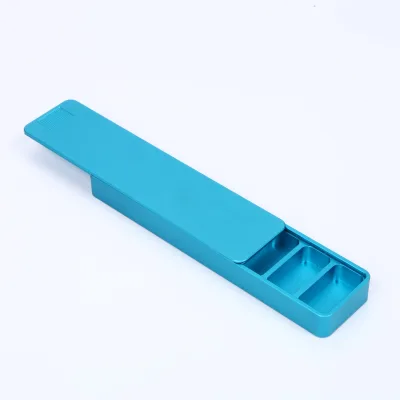
$1.0278 - $3.0818
MOQ: 1 Minimum
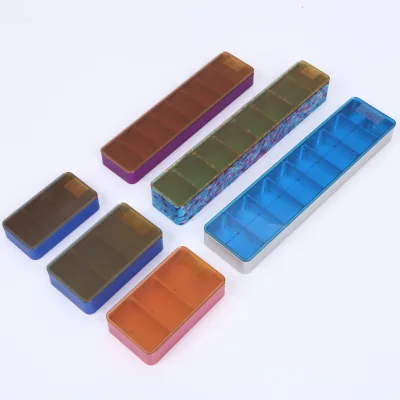
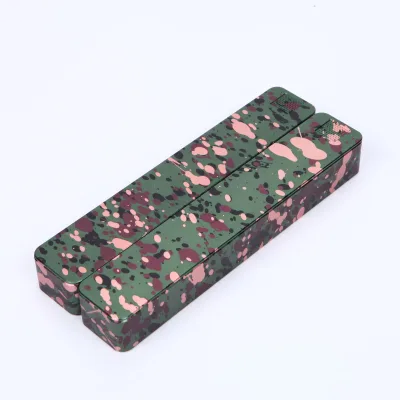
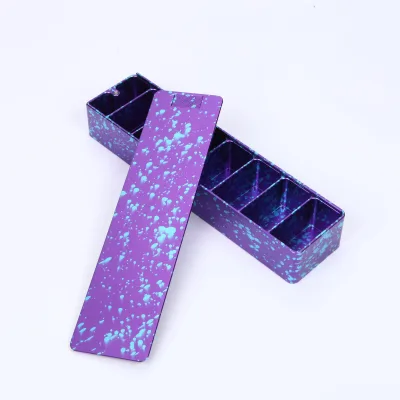
CNC Milling Turning Service Money Storage Box pp Storage Box Jewellery Storage Box
$2.054 - $8.2145
MOQ: 1 Minimum

Dongguan Xinyali Hardware Products Co., Ltd.
- Verified by BV
- Combined
- China Guangdong
- Lead time23 days
- Avg. response≤ 2h
Main productsStainless Steel Components, CNC Prototype Customisation, Hardware Precision Parts Milling, CNC Prototype Customised Parts, Hardware Precision Parts Lathe Machining, Aluminium Alloy Parts, Medical Device Parts, Aluminium Alloy Shaped Parts, Special Parts, Stainlesssteel
Main marketsDomestic
Dongguan Zhonglijin Metal Products Co., Ltd.
- Verified by TüVRheinland
- Manufacturer, Trading Company
- Lead time20 days
- Avg. response≤ 7h
Main productsDie Pressed Casting, Metal Products
Main marketsDomestic Market(40%), North America(20%), Eastern Europe(20%)
Dongguan Maijie Precision Technology Co., Ltd.
- Verified by SGS Group
- Trading Company
- Lead time0 days
- Avg. response≤ 2h
Main productsCNC Machining Parts, Plastic Injection Molding Parts, Metal Stamping And Sheet Metal Parts
Main marketsNorth America(50%), Western Europe(30%), Eastern Asia(10%)

- Verified by TUVRHEINLAND
- Combined
- China Jiangsu
- Lead time30 days
- Avg. response≤ 3h
Main productsAluminum Case, Tool Bag, Tool Case, Flight Case, Cosmetic Case, Briefcase, Poker Chip Case, Road Case, Tool Kit, Equipment Case
Main marketsSoutheast Asia/ Mideast,Europe,North America

Customizable Multipurpose Aluminum Alloy Storage Box (with Different Sizes)
$13.00 - $19.00
MOQ: 50 Pieces


Kunshan Hopeful Metal Products Co., Ltd.
- Verified by Intertek
- Manufacturer, Trading Company
- Lead time10 days
- Avg. response≤ 6h
Main productsCNC Maching Services
Main marketsDomestic Market(40%), North America(12%), Western Europe(9%)

- Verified by BV
- Trading Company,Manufacturer/Factory
- China Guangdong
- Lead time23 days
- Avg. response≤ 6h
Main productsSheet Metal, Sheet Metal Fabrication, Water Vending Machine, Ice Vending Machine, Display Stand, Mail & Parcel Box, Metal Cabinet, Metal Tool Box, Metal Enclosure, Structure Metal Parts
Main marketsSouth America,Eastern Europe,Mid East,North America,Southeast Asia,Eastern Asia,Oceania,Western Europe,Africa

Kwlid (Jiangsu) Intelligent Equipment Manufacturing Co., Ltd.
- Verified by SGS
- Manufacturer
- China Jiangsu
- Lead time15 days
- Avg. response≤ 4h
Main productsCable Drag Chain, Bellows Cover, Chip Conveyor, Oil Mist Collector, Cantilever Control Box
Main marketsSouth America,Africa,Southeast Asia/ Mideast,Europe,Australia,North America


CNC Control Panel Box Waterproof and Dustproof Features Aluminium Cutting Box
$26.00 - $49.00
MOQ: 1 Sets


- Verified by Intertek
- Manufacturer, Trading Company
- Lead time30 days
- Avg. response≤ 2h
Main productsAluminum Case, Flight Case, Tool Case, Bags, Accessories Of Cases And Bags
Main marketsEastern Asia(25%), North America(19%), South Asia(15%)
Shenzhen JC Rapid MFG Industrial CO.. LTD
- Verified by TüVRheinland
- Manufacturer, Trading Company
- Lead time7 days
- Avg. response≤ 5h
Main productsCNC Machining Parts, Plastic Injection Molds
Main marketsNorth America(43%), Eastern Europe(15%), Oceania(10%)

GUANGDONG DONGJI INTELLIGENT DEVICE CO.,LTD.
- Verified by BV
- Combined
- China Guangdong
- Lead time15 days
- Avg. response≤ 5h
Main productsFresh Orange Juice Vending Mach, OEM ODM Jdm Smart Machine, Sheet Metal Fabrication, Metal Fabrication, Sheet Metal Machine Housing Assembly Fabrication, Stainless Steel Laser Cutting Service, Metal Display; Stand; Rack; Shelf, Sheet Metal Bending and Welding, Metal Enclosure, Vending Machine
Main marketsSoutheast Asia/ Mideast,East Asia(Japan/ South Korea),Europe,Australia,North America

DongGuan Deshipu Metal Products Co., Ltd.
- Verified by BV
- Combined
- China Guangdong
- Lead time15 days
- Avg. response≤ 3h
Main productsSheet Metal Fabrication, Sheet Metal Laser Cutting Service, Sheet Metal Stamping Service, Powder Coated Service, Industrial Stainless Steel Keyboard, Industrial Stainless Steel Keypad, High Precise CNC Milling Service, Metal Surface Treatment Service, Metal Product Manufacturer
Main marketsSouth America,Africa,Southeast Asia/ Mideast,East Asia(Japan/ South Korea),Europe,Australia,North America

Shanghai Interwell Industrial Co., Ltd.
- Verified by SGS
- Manufacturer/Factory
- China Shanghai
- Lead time15 days
- Avg. response≤ 3h
Main productsAluminum Industrial Extrusion Profile, Aluminium Window Profile, Aluminum CNC Products, Aluminum Heatsink, Aluminium Machine Frame, Hinge, Handle, Aluminium Bar, Aluminium Heat Sink, Aluminum Tube
Main marketsSouth America,Eastern Europe,Mid East,North America,Southeast Asia,Eastern Asia,Oceania,Western Europe,Africa










Comprehensive Sourcing Guide
CNC Machined Aluminum Alloy Box Supplier Concentration and Factory Types
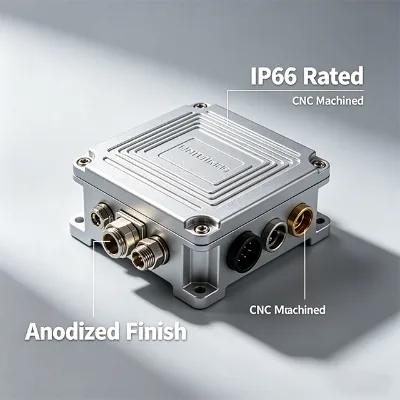
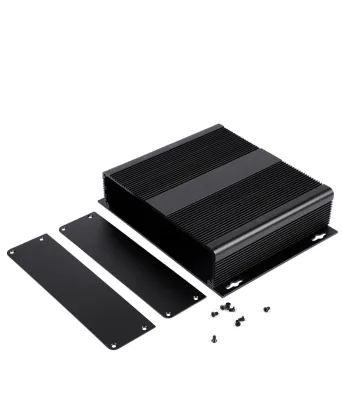
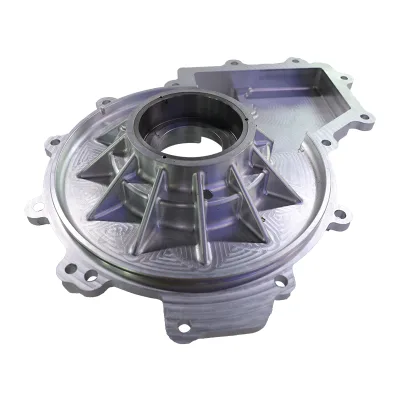
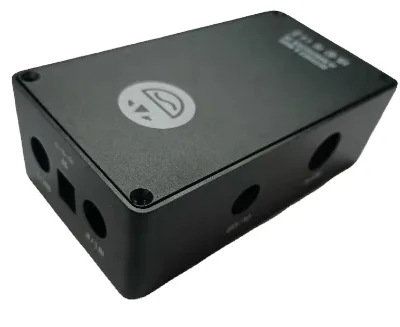
The current supplier landscape for CNC machined aluminum alloy boxes reveals a distinct geographic concentration in China, specifically within the Guangdong and Jiangsu provinces. These regions serve as primary hubs for manufacturing and trading activities related to precision metal components. Suppliers located in Guangdong often emphasize their capability in producing complex custom parts, including pressure-resistant enclosures and precision milled boxes for automation transmitters. This regional focus suggests a mature ecosystem for high-precision machining services, where access to specialized equipment and skilled labor is readily available. Buyers seeking rapid prototyping or high-volume production of intricate aluminum enclosures may find these clusters particularly advantageous due to the density of compatible service providers. The presence of combined company types in these areas indicates a blend of manufacturing and trading capabilities, allowing for flexible sourcing options that can accommodate both direct factory orders and intermediary procurement needs.
In contrast, suppliers based in Jiangsu province often present a different operational profile, frequently identifying as trading companies or manufacturer-factory hybrids. These entities may specialize in broader categories such as tool cases, instrument boxes, and general aluminum storage solutions. The main products listed for these suppliers include aluminum cases, tool boxes, and travel cases, suggesting a focus on durable, standardized, or semi-customized protective enclosures rather than highly specialized industrial automation components. This distinction is crucial for buyers who need to align their specific technical requirements with the appropriate supplier type. While Guangdong suppliers might offer more extensive OEM and ODM capabilities for custom electronic housings, Jiangsu-based suppliers may provide more straightforward solutions for general hardware storage or instrument protection. Understanding this geographic and functional divergence helps buyers narrow their search to suppliers whose core competencies match their specific product needs, whether that involves complex CNC milling for automation or simpler assembly for tool storage.
How to Verify CNC Machined Aluminum Alloy Box Suppliers
Verification is a critical step in ensuring the reliability and quality of CNC Machined Aluminum Alloy Box suppliers. Buyers should prioritize suppliers who have undergone third-party verification processes, as these provide an additional layer of confidence regarding the supplier's operational legitimacy and compliance with industry standards. For instance, some suppliers in the current results hold CTI verification, indicating that their business operations and capabilities have been assessed by a recognized testing and inspection agency. Other suppliers may possess TUVRHEINLAND verification, which is another reputable certification body known for rigorous auditing standards. These verifications serve as tangible evidence of a supplier's commitment to quality management and operational transparency. Buyers should actively look for these verification badges on supplier profiles, as they significantly reduce the risk of engaging with unverified or potentially unreliable entities. The presence of such certifications can also indicate a supplier's readiness to meet international quality standards, which is particularly important for industries with strict regulatory requirements.
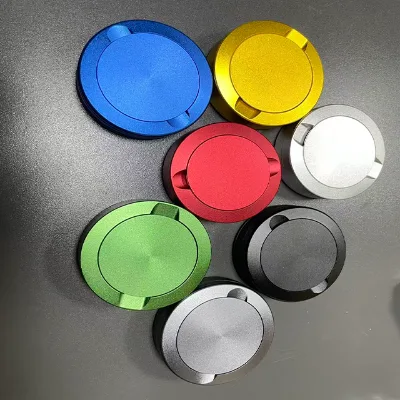
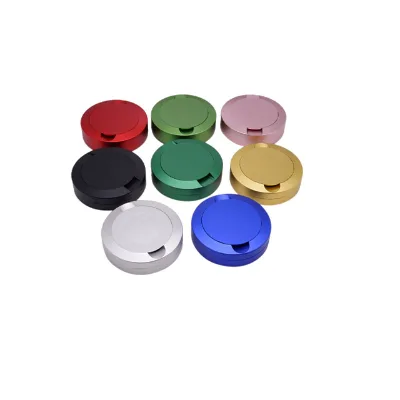
Beyond verification badges, buyers should examine the specific product attributes and certifications listed for the aluminum alloy boxes. Some suppliers offer products that comply with RoHS standards, ensuring that the materials used are free from certain hazardous substances, which is essential for electronic and environmental compliance. Others may adhere to CE standards, indicating conformity with health, safety, and environmental protection standards for products sold within the European Economic Area. Additionally, the availability of customization options, such as logo printing and specific surface treatments like anodizing or sandblasting, can serve as indicators of a supplier's technical proficiency. Buyers should request detailed product specifications and verify that the supplier can meet their specific material and finish requirements. It is also advisable to check for any additional certifications or standards that may be relevant to the buyer's industry, such as ISO certifications for quality management systems. By combining third-party verification with detailed product certification checks, buyers can build a more comprehensive picture of a supplier's reliability and capability.
What to Compare Across CNC Machined Aluminum Alloy Box Suppliers
When evaluating multiple suppliers for CNC machined aluminum alloy boxes, buyers must compare key operational metrics to determine the best fit for their procurement needs. Response time is a significant factor, as it reflects the supplier's efficiency in communicating and addressing inquiries. Suppliers with faster response times, such as those averaging around three to five hours, are often more responsive to urgent requests and complex technical questions. In contrast, suppliers with longer response times, such as those averaging over sixteen hours, may be better suited for less time-sensitive projects. Lead time is another critical comparison point, as it directly impacts production schedules and inventory management. Some suppliers offer lead times as short as fifteen days, while others may require twenty-three days or more, depending on the complexity of the order and production volume. Buyers should also consider the minimum order quantity (MOQ) requirements, as these can vary significantly from one unit to hundreds of units, affecting the feasibility of small-batch or large-scale orders.
Price and customization capabilities are equally important factors in supplier comparison. The price range for CNC machined aluminum alloy boxes can vary widely, with some suppliers offering prices as low as $1.83 per unit for simple components, while others may charge up to $26.80 for more complex or specialized enclosures. Buyers should analyze these price points in the context of the product's specifications, such as material thickness, surface treatment, and precision requirements. Additionally, the availability of customization options, including OEM and ODM services, can differentiate suppliers who offer tailored solutions from those providing standard products. Buyers should also compare the main products offered by each supplier to ensure alignment with their specific needs, whether that involves precision machined components for automation or general-purpose tool cases. By systematically comparing these metrics, buyers can identify suppliers that offer the best balance of cost, speed, and quality for their specific procurement requirements.
Common CNC Machined Aluminum Alloy Box Sourcing Risks
Sourcing CNC machined aluminum alloy boxes from international suppliers introduces several potential risks that buyers must proactively manage. One significant risk is the variability in product quality and consistency, particularly when dealing with custom manufacturing processes. Without rigorous quality control measures, buyers may receive products that do not meet their specified tolerances or material standards. This risk is heightened when working with suppliers who offer a wide range of customization options, as the complexity of the manufacturing process can introduce more variables. Buyers should mitigate this risk by requesting detailed technical drawings, material certificates, and pre-shipment inspection reports. Additionally, the risk of communication barriers can lead to misunderstandings regarding product specifications, leading to delays or incorrect orders. Buyers should establish clear communication channels and confirm all details in writing to minimize the potential for errors.
Another common risk is the unpredictability of lead times, especially during peak seasons. Some suppliers may experience delays due to high demand or supply chain disruptions, which can impact production schedules. Buyers should inquire about the supplier's capacity and historical performance during peak periods to gauge their reliability. Furthermore, the risk of intellectual property infringement is a concern when working with suppliers who offer extensive customization services. Buyers should ensure that their designs and specifications are protected through appropriate legal agreements and non-disclosure agreements. Additionally, the risk of hidden costs, such as shipping fees, customs duties, and packaging charges, can affect the total cost of ownership. Buyers should request detailed quotes that include all potential costs to avoid unexpected expenses. By identifying and addressing these risks early in the sourcing process, buyers can protect their interests and ensure a smoother procurement experience.
CNC Machined Aluminum Alloy Box Regional Sourcing and Logistics
Regional sourcing plays a crucial role in determining the logistics and cost structure for CNC machined aluminum alloy boxes. Suppliers located in China, particularly in Guangdong and Jiangsu provinces, offer distinct advantages in terms of manufacturing efficiency and supply chain integration. Guangdong, known for its robust manufacturing ecosystem, often provides faster turnaround times for complex CNC machining projects due to the concentration of specialized suppliers and supporting industries. This regional density can facilitate quicker prototyping and production cycles, making it an attractive option for buyers with tight deadlines. On the other hand, Jiangsu suppliers may offer competitive pricing for standardized or semi-customized aluminum cases, leveraging their established trade networks and manufacturing capabilities. Buyers should consider the geographic location of suppliers when evaluating logistics options, as proximity to major ports and transportation hubs can impact shipping costs and delivery times.
Logistics planning is essential for managing the transportation of CNC machined aluminum alloy boxes, which can vary in size and weight. Buyers should work with suppliers to determine the most efficient shipping methods, whether by sea, air, or express courier, based on the order volume and urgency. Packaging is another critical aspect of logistics, as aluminum boxes require protection against damage during transit. Suppliers often use carton packages or pallets to ensure safe delivery, and buyers should confirm the packaging standards to prevent any potential damage. Additionally, buyers should be aware of import regulations and customs procedures in their home country, as these can affect the clearance process and associated costs. By understanding the regional sourcing dynamics and logistics requirements, buyers can optimize their supply chain and reduce the overall cost and time associated with importing CNC machined aluminum alloy boxes.
CNC Machined Aluminum Alloy Box Commercial Terms and Order Planning
Commercial terms and order planning are fundamental to successful procurement of CNC machined aluminum alloy boxes. Buyers should carefully review the payment terms offered by suppliers, such as advance payment, letter of credit, or escrow services, to ensure financial security and flexibility. Some suppliers may offer flexible payment options for large orders, while others may require full payment upfront for custom manufacturing. It is also important to clarify the warranty and return policies, as these can provide recourse in case of product defects or non-conformance. Buyers should negotiate clear terms regarding quality assurance and dispute resolution to protect their interests. Additionally, order planning involves determining the optimal order quantity to balance inventory costs with production efficiency. Buyers should consider the supplier's MOQ and lead times when planning their orders, ensuring that they align with their production schedules and demand forecasts.
Effective order planning also requires close collaboration with suppliers to manage production timelines and quality control. Buyers should establish a clear communication protocol for updates on production status, including milestones for design approval, material procurement, and final inspection. This proactive approach helps to identify and address potential issues early, minimizing the risk of delays or quality problems. Buyers should also consider the scalability of their orders, as some suppliers may offer volume discounts or priority production for larger orders. By integrating commercial terms with strategic order planning, buyers can optimize their procurement process, reduce costs, and ensure a steady supply of high-quality CNC machined aluminum alloy boxes. This holistic approach to commercial management is essential for building long-term, reliable supplier relationships and achieving consistent product quality.
FAQs
What is the typical lead time for custom CNC machined aluminum boxes?
Lead times vary by supplier and order volume. One supplier offers a standard 15-day turnaround for custom parts. Another manufacturer indicates a 23-day lead time for aluminum cases. For larger quantities exceeding 1000 units, lead times may extend to 40-60 days or require negotiation. Always confirm specific schedules with the supplier before ordering.
What are the minimum order quantities for CNC machined aluminum enclosures?
Minimum order quantities depend on the specific product and supplier. Some manufacturers accept orders as low as one unit for custom prototypes. Others require a minimum of 100 units for standard aluminum tool cases. Buyers should check individual product listings to verify the exact MOQ, as requirements range from single pieces to bulk quantities.
What is the price range for custom CNC machined aluminum alloy boxes?
Prices vary significantly based on customization and volume. Custom CNC machined aluminum enclosures can range from $1.83 to $7.60 per unit. Standard aluminum tool cases may cost around $6.00 each. Larger, specialized storage boxes can reach $26.80. Some items list prices as negotiable or unavailable, so direct inquiry is recommended for accurate quotes.
Are these aluminum boxes certified or compliant with specific standards?
Certifications and standards vary by supplier. Some aluminum cases comply with RoHS standards, while others meet CE requirements. Products may also adhere to GB standards. Verification services like CTI or TÜV Rheinland may be used by suppliers. Buyers should request specific certification documents for their intended application to ensure regulatory compliance.
What materials and finishes are available for CNC machined aluminum enclosures?
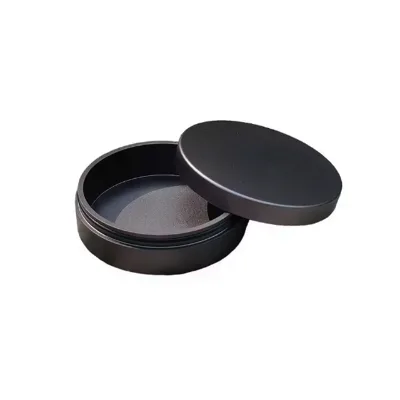
Suppliers offer various material options including brass, bronze, copper, and hardened metals. Finishes include mirror polishing, anodizing, electroplating, oxide treatment, and sandblasting. Inside materials may feature polyester foam for protection. Customization is widely available for color, logo printing, and specific dimensions to meet unique industrial or consumer requirements.
How quickly do suppliers typically respond to sourcing inquiries?
Response times differ among suppliers. Some manufacturers respond within an average of 3 hours. Others may take approximately 5.33 hours or up to 16.07 hours. Faster response times often indicate higher availability. Buyers should expect variations and consider contacting multiple suppliers to ensure timely communication regarding their specific project needs.