High Precision Custom CNC Machining Suppliers and Manufacturers
Explore 32 verified suppliers offering High Precision Custom CNC Machining services across China. Compare dimensions like location, response time, lead time, certifications, and pricing to find the right partner. Contact suppliers directly to request quotes; review the available evidence before requesting comparable quotations from suitable candidates.
Updated
Suppliers List

- Verified by BV
- Combined
- China Jiangsu
- Lead time15 days
- Avg. response≤ 1h
Main productsCNC Machining Parts, 5-Axis Machining Parts, Metal Injection Molding(MIM), Sheet Metal Fabrication, Industrial Equipment & Components, Auto Parts, Die Casting, CNC Machining, Sheet Metal Parts, Robot Parts
Main marketsDomestic,North America

Qingdao Jiaen Machinery Technology Co., Ltd
- Verified by SGS
- Combined
- China Shandong
- Lead time15 days
- Avg. response≤ 4h
Main productsCasting Parts, Sheet Metal Fabrication Parts, CNC Machining Parts, Injection Molding Parts, Mould, Stamping Parts, Aluminum Die Casting Parts, Powder Coating, Painting, Electroplating
Main marketsDomestic

Zhongshan Holy Precision Manufacturing Co., Ltd
- Verified by BV
- Combined
- China Guangdong
- Lead time15 days
- Avg. response≤ 2h
Main productsCNC Machining, Turning, Stamping, Laser Cutting, Sheet Metal Fabrication, Casting and Mould Parts, Surface Treatment and Assembly, OEM/ODM Designing, Powder Metal, EDM Wire Cutting Part
Main marketsSoutheast Asia/ Mideast,East Asia(Japan/ South Korea),Europe,Australia,North America

Qingdao Merid Machinery Co., Ltd
- Verified by CTI
- Combined
- China Shandong
- Lead time15 days
- Avg. response≤ 3h
Main productsMachining Part, Sheet Metal Fabrication, Mounting Bracket, Precast Lifting Parts, Metal Hardware, CNC Maching Part, Stamping Parts, Welding Parts, CNC Maching Parts
Main marketsDomestic,Europe,Australia,North America

Ningbo Sanjie Precision Machinery Co., Ltd
- Verified by TUVRHEINLAND
- Manufacturer/Factory
- China Zhejiang
- Lead time30 days
- Avg. response≤ 4h
Main productsCNC Machining Parts, Turning Parts, Milling Parts, Metal Parts, Steel Parts, Aluminum Parts, Plastic Parts, Brass Parts
Main marketsSouth America,Eastern Europe,North America,Southeast Asia,Eastern Asia,Western Europe


OEM High Precision CNC Machining Service Custom Brass Stainless Steel Aluminum Machining
$0.10 - $1.00
MOQ: 1 Pieces


- Verified by BV
- Trading Company,Manufacturer/Factory,Group Corporation,Other
- China Shanghai
- Lead time45 days
- Avg. response≤ 22h
Main productsOEM Stamping Parts, OEM Metal Stamping Products, Deep Drawn, OEM Pressing Products, OEM Fine Blanking Products, Stamped Puched Products, Forging, Machinning, Casting, Punching
Main marketsSouth America,Eastern Europe,Mid East,North America,Southeast Asia,Eastern Asia,Oceania,Western Europe,Africa
Shandong Fangzhuo Fabrication Co., Ltd.
- Verified by TüVRheinland
- Trading Company
- Lead time0 days
- Avg. response≤ 1h
Main productsCNC Milling Turning Processed Parts, Laser Cutting Metal Parts, Sheet Metal Parts, Steel Welding Parts, Iron Aluminum Steel Casting Parts
Main marketsMid East(20%), North America(15%), Eastern Europe(15%)
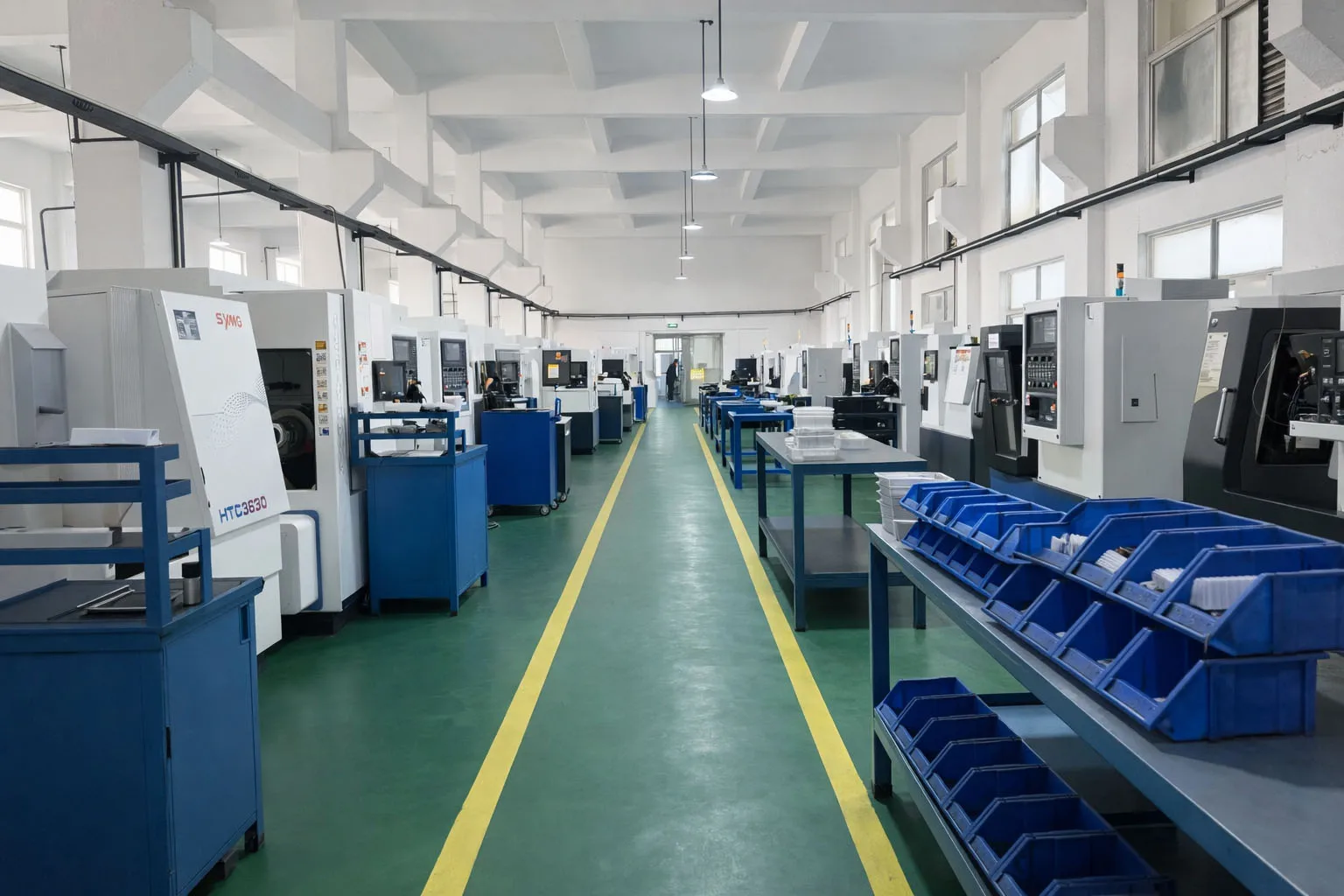
Ningbo Jiuyi Precision Mould Co., Ltd.
- Manufacturer
- Zhejiang, China
- Lead time10 days
- Avg. response≤ 3h
Main productsPunch,Mold,fastener,Stamped part,Hand tools
Main marketsDomestic Market(50.00%), Southeast Asia(13.00%), Mid East(10.00%), Central America(5.00%), Northern Europe(5.00%), North America(3.00%), Eastern Europe(3.00%), Western Europe(3.00%), Eastern Asia(2.00%), South Asia(2.00%), Africa(1.00%), Oceania(1.00%), Southern Europe(1.00%), South America(1.00%)

Hehua Machinery Technology (Kunshan) Co., Ltd
- Verified by SGS
- Combined
- China Jiangsu
- Lead time23 days
- Avg. response≤ 2h
Main productsStamping Part
Main marketsNorth America
Shandong Leifeng Machinery Manufacturing Co., Ltd.
- Verified by SGS Group
- Manufacturer, Trading Company
- Lead time0 days
- Avg. response≤ 3h
Main productsCNC Router Machining Parts, Sheet Metal Processing, Custom Precision Aluminum CNC Mill Processing
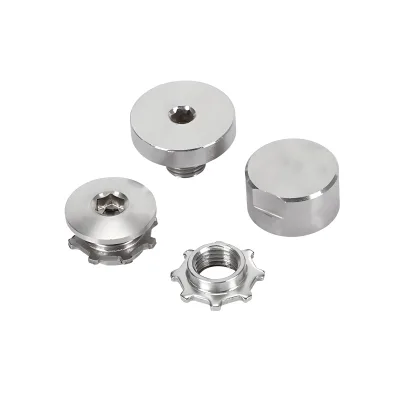
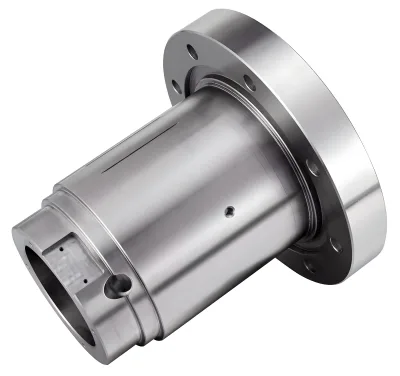
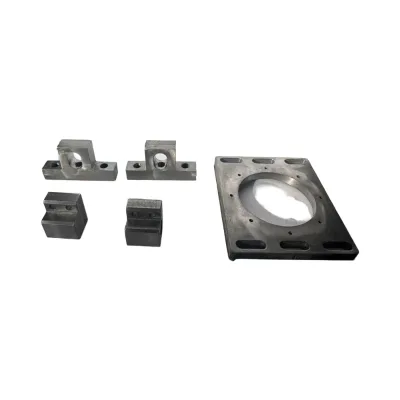
High Precision Customized CNC Machining Services High Quality Accessory Products
$0.10 - $0.90
MOQ: 1 Minimum
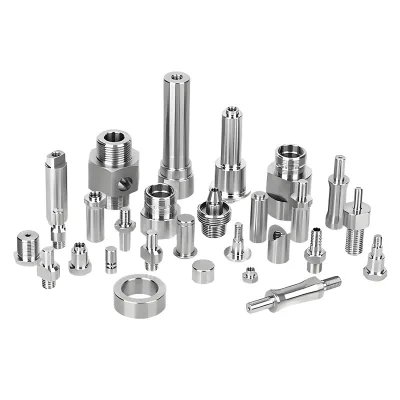
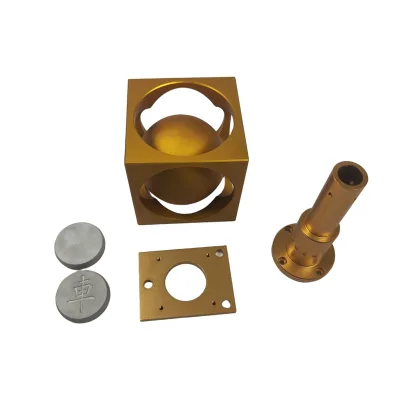
$0.103 - $0.9275
MOQ: 1 Minimum
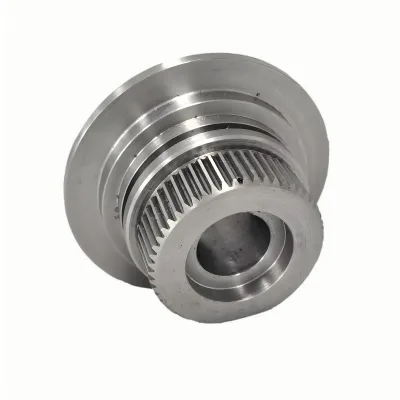
Precision CNC Machining Parts Aluminum & Stainless Steel Spare Charging Plate Custom Made Services
$0.10 - $0.90
MOQ: 1 Minimum

Hebei Mingda International Trading Co., Ltd.
- Verified by CTI
- Trading Company,Manufacturer/Factory
- China Hebei
- Lead time15 days
- Avg. response≤ 25h
Main productsIron Casting, Steel Casting, Aluminum Casting, Precision Casting, Machining Part, Valve Part, Manhole Cover, Flange, Forging Part, Pipe Fitting
Main marketsSouth America,Eastern Europe,Mid East,North America,Southeast Asia,Eastern Asia,Oceania,Western Europe,Africa

- Trading Company
- China Shandong
- Lead time60 days
- Avg. response≤ 23h
Main productsForging, Turning Part, Forging Part, Machining Parts, Lifting Anchor, T Bolt, Casting, Aluminum Parts, Precast, Brass Parts
Main marketsSoutheast Asia/ Mideast,East Asia(Japan/ South Korea),Europe,Australia,North America

Dongguan Hanztek Metal & Plastic Co., Ltd.
- Verified by SGS
- Manufacturer/Factory
- China Guangdong
- Lead time30 days
- Avg. response≤ 1h
Main productsCNC Machining Part, CNC Turned Part, CNC Milled Part, CNC Precision Part, Numerical Control Part, Machinery Part, Metal Part, CNC Machining Services
Main marketsSouth America,Eastern Europe,Mid East,North America,Southeast Asia,Eastern Asia,Oceania,Western Europe,Africa

High Precision CNC Parts Custom Machining Solutions for Various Industries
$0.10 - $1.20
MOQ: 1 Pieces


Jiangsu Moshang Precision Technology Co., Ltd.
- Trading Company,Manufacturer/Factory
- China Jiangsu
- Lead time23 days
- Avg. response≤ 17h
Main productsCNC Part, Hardware, Bicycle Parts, Auto Parts
Main marketsSouth America,Eastern Europe,Mid East,North America,Southeast Asia,Eastern Asia,Oceania,Western Europe,Africa
Boli Precision Electronics (xiamen) Co., Ltd.
- Manufacturer, Trading Company
- Fujian, China
- Lead time40 days
- Avg. response≤ 1h
Main productsMold Development and Production, Development and Production of Plastic Products, Plastic Surface Treatment, Plastic Case for Electronic Products, Plastic Products for Daily Use
Main marketsDomestic Market(100.00%)
Dongguan Kaicheng Precision Metal Co., Ltd.
- Verified by Intertek
- Manufacturer, Trading Company
- Lead time15 days
- Avg. response≤ 2h
Main productsCNC Milling Parts, CNC Turning Parts, Cam Lathe Parts, Die Casting Parts
Main marketsEastern Asia(50%), North America(35%), Mid East(8%)

Delixi New Energy Technology (Hangzhou) Co., Ltd.
- Verified by SGS
- Trading Company
- China Zhejiang
- Lead time30 days
- Avg. response≤ 9h
Main productsprecision moulds and machine
Main marketsOthers(foreignTradeCapacity.exportBusinessCapacityMarketOther),North America
Ningbo Yinzhou Anhe I&e Co., Ltd.
- Manufacturer, Trading Company
- Zhejiang, China
- Lead time0 days
- Avg. response≤ 24h
Main productsCNC Machining Parts / Metal Sheet Stamping Parts / Metal Wire Tube Bending & Welding Parts / Services
Main marketsNorth America(40.00%), Western Europe(24.00%), Mid East(23.00%), Domestic Market(6.00%), South America(5.00%), Oceania(2.00%)

Yicun Technology (Dongguan) Co., Ltd
- Verified by TUVRHEINLAND
- Combined
- China Guangdong
- Lead time15 days
- Avg. response≤ 3h
Main productsPrecision Hardware and Equipment Industry, Mold Component, CNC Machining Parts for Camera, OEM Aluminum Custom Milling Turning CNC Machinin, Aluminum Part, Acrylic Sheet Parts, CNC Machining of Metal Parts
Main marketsDomestic

Ningbo Hento Metal Products Co., Ltd.
- Trading Company,Manufacturer/Factory
- China Zhejiang
- Lead time60 days
- Avg. response≤ 4h
Main productsPrecision Machining Part, High Pressure Valve Part, Hygienic Valve Part, CNC Maching Part, Ball Valve Parts, Stainless Steel Part, Metal Products, Sanitary Valce Part, Ball Valve Part
Main marketsSouth America,Eastern Europe,Mid East,North America,Southeast Asia,Eastern Asia,Oceania,Western Europe,Africa

HICENT (SHENYANG) CNC MACHINE TOOL CO.,LTD
- Verified by SGS
- Trading Company
- China Liaoning
- Lead time0 days
- Avg. response≤ 3h
Main productsCNC Machinery, Finish Machinery Spare Parts, Lathe Processing Product, Milling Processing Product, Gantry Processing Product

Hangzhou Unicarer Machinery Technology Co., Ltd.
- Verified by TUVRHEINLAND
- Combined
- China Zhejiang
- Lead time15 days
- Avg. response≤ 8h
Main productsCNC Machining Parts, Compressor Parts, Lathe Parts, Stamping Parts, Die Casting Parts, Gear and Shaft, Plastic Parts, Bolts and Nuts, Terminal Plate, Sight Glass
Main marketsSouth America,Southeast Asia/ Mideast,Europe,Australia,North America
Dongguan Fangze Hardware Co., Ltd.
- Manufacturer, Trading Company
- -Guangdong, China
- Lead time15 days
- Avg. response≤ 3h
Main productsCNC Milling And Turning, CNC Custom Service, Precision Cnc Machining Services, Gears, Rapid Prototyping Parts
Main marketsDomestic Market(40.00%), North America(30.00%), Southeast Asia(15.00%), Western Europe(10.00%), South America(5.00%)
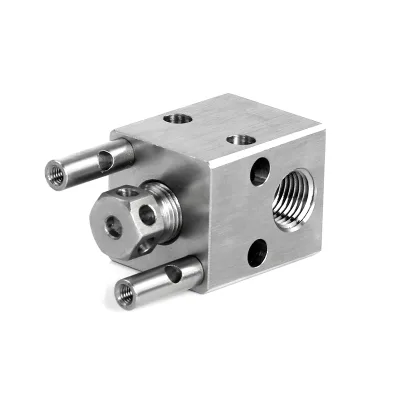
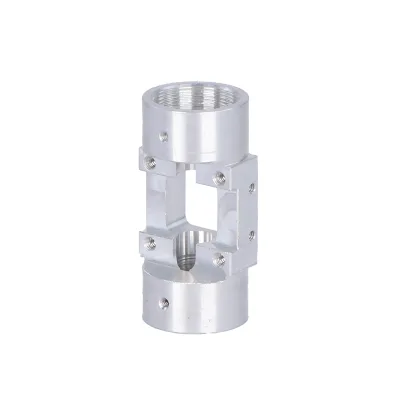
$0.6687 - $2.7541
MOQ: 20 pieces
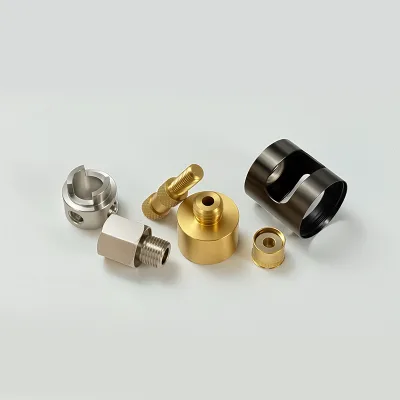
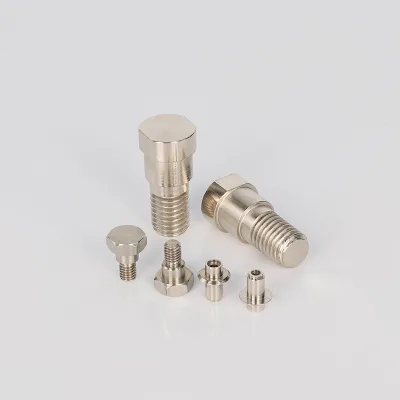
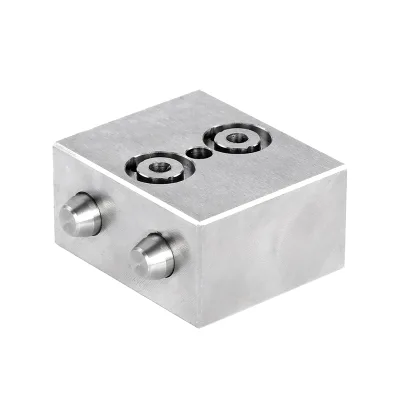
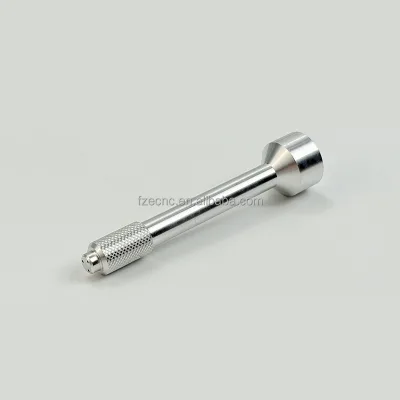

Ningbo Star Win Actuators Manufacture Co., Ltd.
- Verified by TUVRHEINLAND
- Combined
- China Zhejiang
- Lead time30 days
- Avg. response≤ 1h
Main productsDamper Actuator, Spring Return Damper Actuator, Fire Smoke Damper Actuator, Gear, Transmission Shaft, Machinery Parts
Main marketsSouth America,Southeast Asia/ Mideast,Europe,North America

Dongguan Wangda Precision Hardware Co., Ltd.
- Verified by TUVRHEINLAND
- Combined
- China Guangdong
- Lead time23 days
- Avg. response≤ 2h
Main productsCNC Turning Parts, CNC Machining Parts, CNC Milling Parts, Precision CNC Machining, Die-Casting Parts, Sheet Metal Stamping, Laser Cutting, CNC Machinery Parts, Anodized Aluminum Parts, CNC Lathing Part
Main marketsDomestic

Guangzhou Pinsheng Automation Industry Co., Ltd.
- Verified by TUVRHEINLAND
- Combined
- China Guangdong
- Lead time30 days
- Avg. response≤ 2h
Main productsUpe, Upe Bar, Upe Sheet, Upe Fittings, Upe Extrsion
Main marketsDomestic
Shanghai Yecheng Mechanical And Electrical Co., Ltd.
- Verified by TüVRheinland
- Manufacturer, Trading Company
- Lead time7 days
- Avg. response≤ 1h
Main productsCNC Machining Services, Metal Parts Processing
Main marketsOceania(25%), Western Europe(20%), North America(15%)

Qingdao Top Xin Machinery Co., Ltd.
- Trading Company,Manufacturer/Factory
- China Shandong
- Lead time45 days
- Avg. response≤ 9h
Main productsIndustrial Concrete Mixer, Concrete Mixer Parts, Machined Parts, Marine Hardwares, Trailer Parts and Hardwares, Scaffolding System, Scaffolding Hardware, Formwork Hardware
Main marketsSouth America,Eastern Europe,Mid East,North America,Southeast Asia,Eastern Asia,Oceania,Western Europe,Africa

Qingdao Florescence Hardware Co., Ltd.
- Verified by BV
- Combined
- China Shandong
- Lead time15 days
- Avg. response≤ 1h
Main productsSheet Metal Fabrication Part, Laser Cutting Part, Bending Part, Welding Part, CNC Machining Part, Lathe Machining Part, 3D Prining Part, Casting Part, Forged Part
Main marketsSouth America
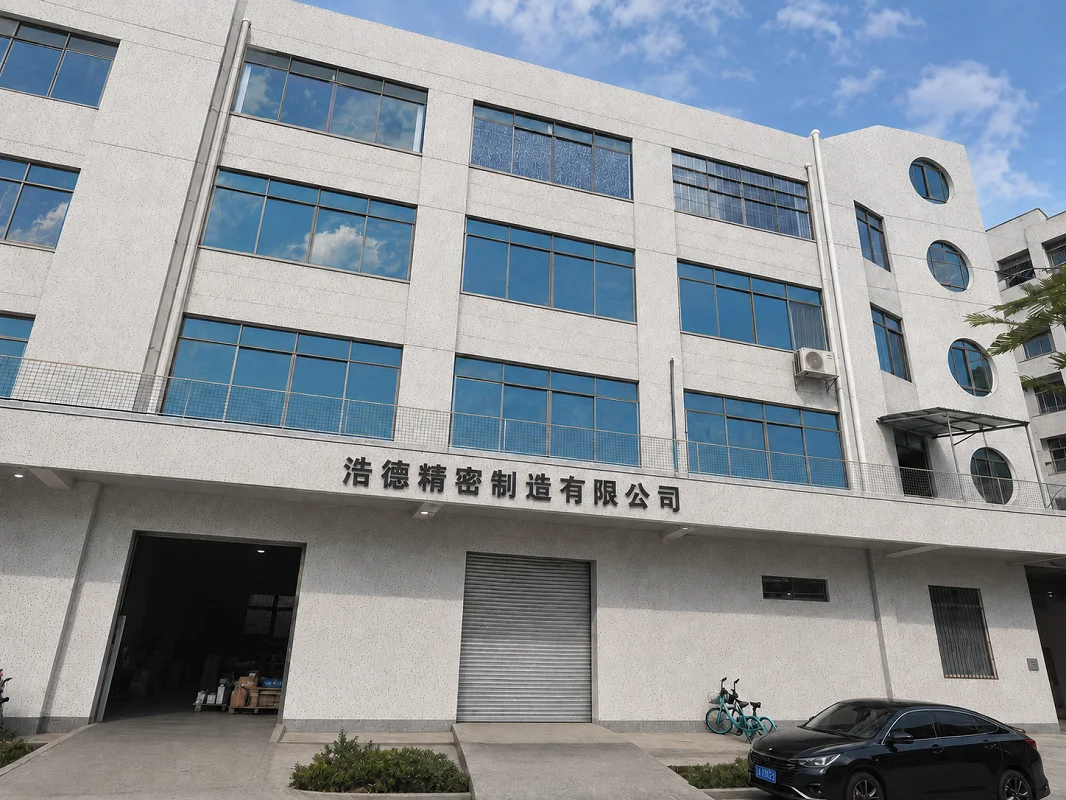
Jiangmen Haode Precision Manufacturing Co., Ltd.
- Manufacturer
- Guangdong Province, China
- Lead time15 days
- Avg. response≤ 5h
Main productsCNC Machining,Metal fabrication,Machining parts,Lathe processing,Stamping parts
Main marketsWestern Europe(35.00%), North America(30.00%), Mid East(15.00%), Southeast Asia(15.00%), Africa(5.00%)
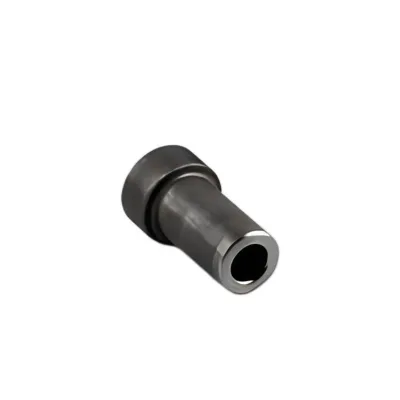
$1.0278 - $2.0555
MOQ: 1 units
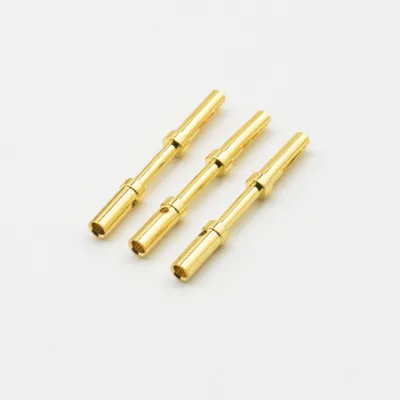
$1.1519 - $1.5693
MOQ: 1 units

Wuxi Henderchan Industrial Co Ltd
- Verified by SGS
- Trading Company
- China Jiangsu
- Lead time45 days
- Avg. response≤ 2h
Main productsCustom CNC Machining Parts, CNC Machining Service, Custom Investment Casting Parts, Investment Casting Service, Precision Forging Service, Custom Precision Forging Parts, Hinges, Go Kart Parts, Metal Fabrication Service, Custom Metal Fabrication Parts
Main marketsEurope


Customized High Precision CNC Machining Copper CNC Machinery Metal Parts
$5.00 - $50.00
MOQ: 100 Pieces
Changsha Xiangtao Precision Technology Co., Ltd.
- Manufacturer
- Hunan, China
- Lead time0 days
- Avg. response≤ 20h
Main productsMetal Structural Parts Processing,Surface Finishing
Main marketsSouth Asia(50.00%), North America(30.00%), Eastern Europe(20.00%)


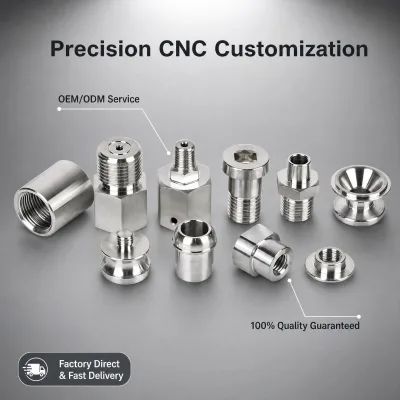
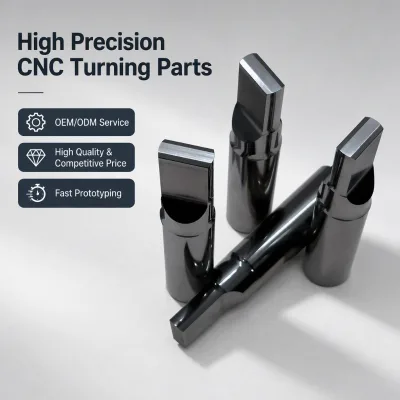


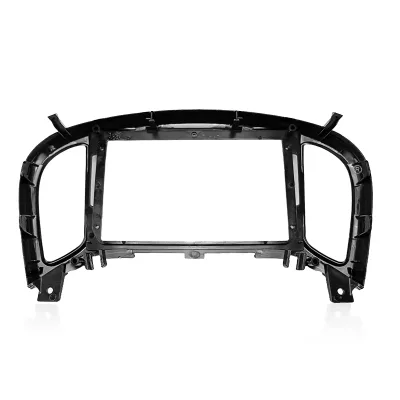
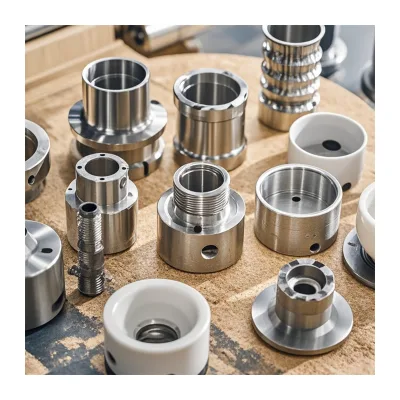
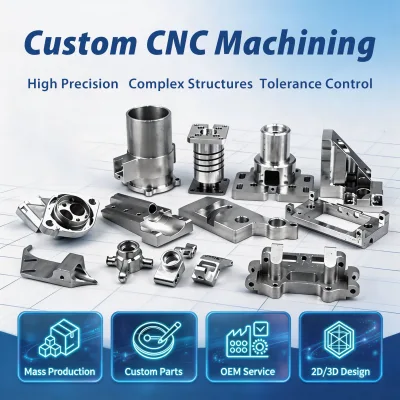
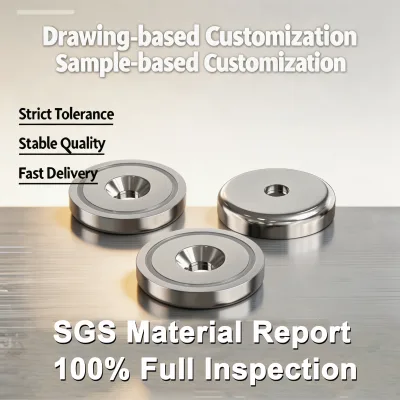


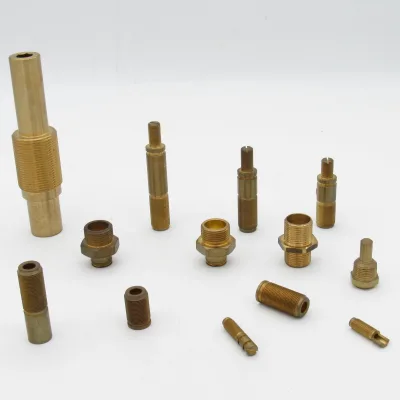
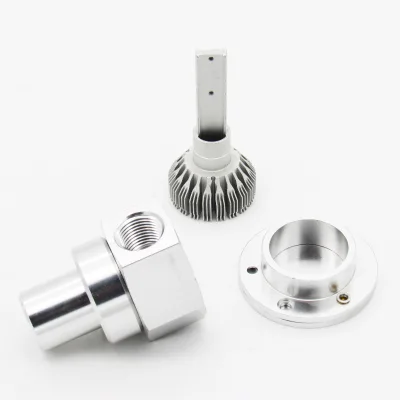




Comprehensive Sourcing Guide
High Precision Custom CNC Machining Supplier Concentration and Factory Types
The current supplier landscape for High Precision Custom CNC Machining reveals a concentration of manufacturing capabilities within specific Chinese provinces, notably Jiangsu, Shandong, and Guangdong. Fact-based observations indicate that facilities in Jiangsu, such as those in Suzhou, offer combined company types capable of ODM and OEM services, while Shandong-based operations in Qingdao focus on mass production with specific material expertise. Guangdong suppliers, particularly in Zhongshan, demonstrate a strong presence in precision turning and surface treatment, often holding ISO9001:2015 certifications. These regional clusters suggest that buyers should prioritize suppliers located in these established industrial hubs to ensure access to mature supply chains and specialized labor pools.
When evaluating factory types, the data shows a mix of combined entities that handle both design and manufacturing, alongside specialized machining centers. Some suppliers explicitly list capabilities in 5-axis machining, metal injection molding, and sheet metal fabrication, indicating a broad scope of services. Others focus strictly on CNC turning or milling with specific tolerances like ±0.005mm. Buyers must verify if a supplier is a direct manufacturer or a trading company by checking their company type designation. The presence of ODM and OEM capacities suggests that many facilities can handle custom design requirements, but the extent of in-house engineering versus outsourced design work should be confirmed through direct inquiry to ensure quality control over the entire production process.
How to Verify High Precision Custom CNC Machining Suppliers
Verification of High Precision Custom CNC Machining suppliers relies heavily on third-party audit reports and specific certification markers found in supplier profiles. Current data indicates that some suppliers hold BV verification status, while others are verified by SGS. Certifications such as ISO9001:2015, CE, RoHS, and ISORoHS are explicitly listed for certain products, serving as tangible proof of quality management systems. However, not all suppliers display system certifications; some entries show "NIL" for system certification, which requires immediate clarification from the buyer. It is critical to request valid, up-to-date certificates directly from the supplier rather than relying solely on profile summaries, as these documents validate the facility's adherence to international quality standards.
Response time and production capacity are also key verification metrics that indicate supplier reliability. Observed response times vary significantly, with some suppliers responding in under one hour, while others take nearly four hours. A faster response time often correlates with a more active sales team and better communication channels, which is vital for custom projects requiring rapid iteration. Additionally, buyers should verify the supplier's ability to handle mass production versus small batch runs. While some suppliers list an MOQ of one unit, others require a minimum of ten pieces. Confirming the actual production capacity and the specific machinery available, such as 5-axis centers or EDM wire cutting parts, ensures the supplier can meet the technical demands of High Precision Custom CNC Machining without compromising on delivery schedules.
What to Compare Across High Precision Custom CNC Machining Suppliers
Comparing suppliers requires a detailed analysis of lead times, pricing structures, and minimum order quantities to determine the best fit for specific project needs. Lead times observed in the data range from as short as 10 to 15 days for standard orders to 25 to 45 days for mass production runs. Pricing also varies, with some suppliers offering rates starting as low as $0.28 per unit, while others have minimums of $2.00 or fixed rates around $2.30. Buyers must compare these figures against the specific material requirements, such as aluminum, steel, or copper, and the complexity of the machining method, whether it involves CNC turning or milling. A lower price does not always equate to better value if the tolerance levels or surface treatments do not meet the project specifications.
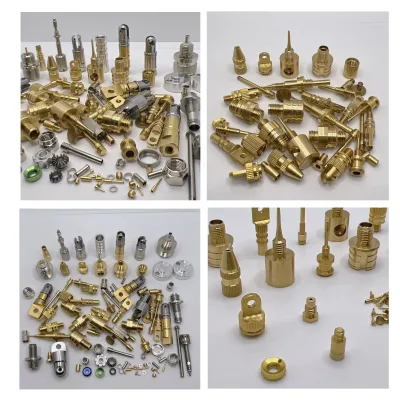
Material capabilities and surface treatment options are another critical comparison point across different suppliers. The available data highlights a wide range of materials including iron, aluminum, copper, brass, and various alloys, with some suppliers also offering plastic and nylon options. Surface treatments vary from anodizing and polishing to plating and painting, with specific finishes like hard anodized or electroplating listed for certain products. Buyers should compare the specific finishing capabilities against their application requirements, such as corrosion resistance or aesthetic needs. Furthermore, the availability of customization, including logo printing and drawing format support like PDF, CAD, or STEP files, should be evaluated to ensure the supplier can accommodate unique design constraints and branding requirements without additional delays or costs.
Common High Precision Custom CNC Machining Sourcing Risks
One significant risk in sourcing High Precision Custom CNC Machining is the potential discrepancy between advertised capabilities and actual production output. While some suppliers claim ISO certifications and strict quality control measures like 100% inspection before shipment, others may lack documented verification or display "NIL" for system certifications. This inconsistency can lead to quality failures if the buyer does not independently verify the supplier's quality assurance protocols. Additionally, the variation in response times, ranging from under an hour to nearly four hours, suggests that communication bottlenecks could delay critical project milestones. Buyers must assess whether a supplier's stated response time is consistent with their actual performance during the negotiation phase to mitigate the risk of project stagnation.
Another major risk involves the reliability of lead times and the flexibility of production schedules. Although some suppliers advertise short lead times of 10 to 15 days, others indicate delivery windows of 25 to 45 days for mass production. These variations can be influenced by material availability, machine capacity, and the complexity of the custom design. If a supplier promises a tight deadline without confirming their current workload, the risk of delayed delivery increases significantly. Furthermore, the lack of standardized pricing models, with some suppliers offering fixed rates and others providing ranges, can lead to budget overruns if the scope of work expands. Buyers should clearly define the scope and request written confirmation of lead times and costs to avoid unexpected financial or temporal liabilities during the manufacturing process.
High Precision Custom CNC Machining Regional Sourcing and Logistics
Regional sourcing strategies for High Precision Custom CNC Machining should focus on the specific logistical advantages offered by major manufacturing hubs in China. Suppliers located in Jiangsu, Shandong, and Guangdong benefit from established infrastructure and proximity to major ports, which facilitates efficient shipping via sea or air. The data indicates that suppliers in Suzhou and Qingdao are well-positioned for export, with specific mentions of sea and air shipment options. Buyers should consider the distance between the supplier's location and their own facility to estimate transit times accurately. For urgent orders, selecting a supplier with a shorter lead time and proximity to air freight hubs can significantly reduce overall delivery duration, ensuring that high precision parts arrive on schedule for assembly or installation.
Logistics planning also involves understanding the packaging and shipping terms provided by different suppliers. Some suppliers offer standard exported packaging, while others provide custom wooden crates or packaging according to customer requirements. This flexibility is crucial for protecting delicate, high-precision components during transit. Buyers must verify the specific packing methods to ensure that parts are not damaged during shipping, especially when dealing with tight tolerances like ±0.005mm. Additionally, trade methods such as EXW, FOB, CIF, and DDP vary by supplier, affecting who bears the responsibility for freight costs and insurance. Understanding these terms is essential for calculating the total landed cost and ensuring that the logistics chain is managed effectively from the factory floor to the final destination.
High Precision Custom CNC Machining Commercial Terms and Order Planning
Commercial terms for High Precision Custom CNC Machining orders must be carefully negotiated to align with the buyer's financial and operational requirements. Payment methods observed in the data include T/T, Western Union, and PayPal, offering flexibility for different transaction sizes. Buyers should clarify the payment schedule, such as deposit percentages and final payment terms, to manage cash flow effectively. Additionally, the minimum order quantity (MOQ) varies, with some suppliers accepting orders as low as one unit, while others require a minimum of ten pieces. Understanding these thresholds is vital for planning small prototype runs versus large-scale production batches, ensuring that the order volume meets the supplier's economic viability while meeting the buyer's inventory needs.
Order planning also requires a clear understanding of the drawing formats and customization options available. Suppliers accept various file formats including PDF, CAD, STEP, and IGES, which facilitates seamless communication of design specifications. Buyers should ensure that their design files are compatible with the supplier's software to avoid conversion errors that could lead to manufacturing defects. Furthermore, the availability of customization, such as logo printing and specific surface finishes, should be confirmed early in the planning phase. By establishing clear communication channels and verifying all technical and commercial details before placing an order, buyers can minimize the risk of misunderstandings and ensure that the final product meets the exact high precision requirements of the project.
FAQs
What is the typical lead time for custom CNC machining parts?
Manufacturers generally require 7 to 20 days for production, with some offering delivery within 10 to 15 days. Sample orders may be completed within 7 days, while mass production typically takes 25 to 45 days depending on complexity and volume requirements.
What is the minimum order quantity for CNC machining services?
Suppliers typically set the minimum order quantity at 10 units, though some facilities accept orders starting from just 1 piece. This flexibility allows buyers to test prototypes or order small batches without committing to large volumes initially.
Which certifications are available for high precision CNC parts?
Common certifications include ISO, RoHS, CE, and SGS. Some suppliers also hold ISO9001:2015 certificates and adhere to standards such as GB, DIN, EN, GOST, and ASTM. Buyers should verify specific documentation with the manufacturer before placing orders.
What materials can be used for custom CNC machining?
Available materials include iron, aluminum, copper, alloy, brass, steel, nylon, and plastic. Aluminum is frequently used for high-precision applications. Suppliers can process various metals and plastics to meet specific mechanical and aesthetic requirements for your project.
What is the price range for custom CNC machining parts?
Prices typically range from $0.28 to $4.17 per unit for certain components, while other services may cost between $2.00 and $20.00. Some suppliers quote fixed rates around $2.30. Final pricing depends on material, tolerance, and quantity.
What surface treatments are offered for machined parts?
Options include anodizing, polishing, plating, painting, and electroplating. Hard anodized finishes are also available for enhanced durability. These treatments improve corrosion resistance and aesthetic appeal while meeting specific industry standards for your application.