Source Puncture Plug Tire Repair Kit for Bikes, Cars, and Trucks
Find and compare 30 Puncture Plug Tire Repair Kit options from verified suppliers in China. Evaluate materials like natural rubber and steel, check certifications such as ISO and CE, and review packing details for bulk orders; compare the available evidence and request quotations based on your requirements.
Key considerations
Products List


High Quality Tire Tyre Puncture Plug Repair Tool Kit Other Car Accessory
$0.30 - $0.60
MOQ: 10000 Pieces


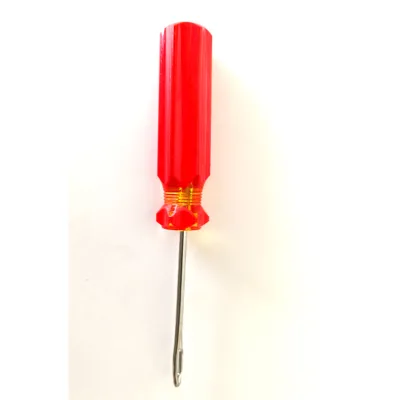


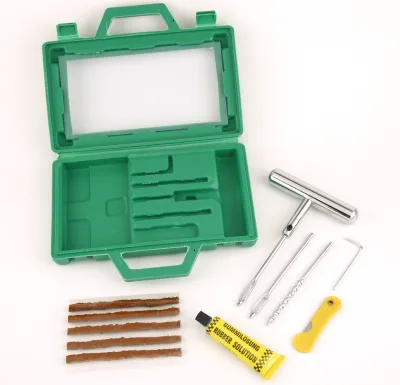
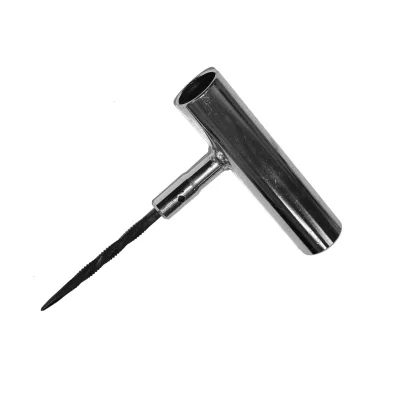
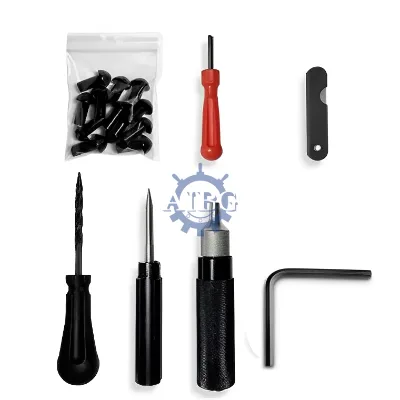


Comprehensive Sourcing Guide
Puncture Plug Tire Repair Kit Sourcing Guide
Sourcing a Puncture Plug Tire Repair Kit requires distinguishing between universal repair solutions and specialized kits designed for specific vehicle types. The available market data indicates products tailored for ordinary bicycles, mountain bikes, road bikes, and kids' bikes, suggesting that buyers must first define their target vehicle category before evaluating inventory. This initial segmentation is critical because the physical dimensions and material composition of the plugs vary significantly depending on whether they are intended for high-pressure road tires or rugged off-road applications.
Buyers should also scrutinize the condition and customization options listed in product catalogs to ensure alignment with operational needs. While many listings specify "New" condition and offer customization availability, others explicitly state "Non-Customized" status, which may limit flexibility for bulk orders requiring specific branding or unique dimensions. Understanding these variations early in the process prevents procurement delays and ensures that the selected kits meet the precise functional requirements of the intended repair scenarios.
Product Scope and Observed Listing Signals
The observed product listings reveal a diverse range of specifications, including models like TRK-004, BTR-325, and various tire plug configurations with dimensions such as 1006mm or 2006mm. These variations highlight the importance of verifying the exact model number and physical size against the tire tread depth and puncture hole diameter of the target vehicles. A mismatch in these specifications can render a repair kit ineffective, making it essential for buyers to cross-reference the listed dimensions with the technical requirements of their specific fleet or customer base.
Packaging and unit quantities also present significant variability, ranging from small retail boxes containing 10 or 25 pieces to bulk cartons holding thousands of units. Some suppliers offer standard exporting packages, while others utilize specific configurations like 1000 pieces per carton or palletized shipments. Procurement teams must evaluate these packaging formats to determine the most cost-effective logistics strategy, considering factors such as storage space, handling efficiency, and the potential need for secondary packaging to protect the natural rubber or steel components during transit.
Technical Specifications to Verify
Material composition is a primary technical factor, with listings citing natural rubber, carbon steel, and combinations of steel and natural rubber as key components. Buyers must verify which material is used for the plug body versus the reinforcing elements, as this directly impacts durability and the ability to seal punctures in different tire pressures. The presence of "High Quality" claims should be substantiated by detailed material specifications rather than marketing language, ensuring the selected kits can withstand the mechanical stress of repeated repairs and varying road conditions.
Dimensional consistency is equally critical, as observed models include specific sizes like 170170mm for kits or precise plug lengths and diameters. The standard listing of "Diameter 6mm, Length 200mm" alongside other variations like "208*4cm" suggests that buyers must confirm the exact geometry required for their application. Additionally, the number of plies, such as the 4-ply specification noted in some listings, influences the structural integrity of the repair, necessitating a clear understanding of how these technical attributes correlate with the tire's construction and the expected lifespan of the patch.
Compliance and Safety Documentation
Certification status is a vital component of the procurement process, with observed listings displaying ISO, GS, CE, and RoHS marks. While some products list multiple certifications like "ISO,GS,CE," others may only show "ISOCE" or single marks, requiring buyers to confirm the validity and scope of each certification for their specific market. Ensuring that the supplier can provide up-to-date documentation for these standards is essential for regulatory compliance, particularly when exporting to regions with strict safety requirements for automotive or bicycle accessories.
Safety standards also extend to the manufacturing processes and material safety, as indicated by the "Standard" and "SGS" references in the product data. Buyers should request test reports or compliance certificates that verify the materials meet the stated standards, especially regarding the use of natural rubber and steel components. This verification step helps mitigate risks associated with product failure or safety hazards, ensuring that the repair kits perform reliably without introducing new vulnerabilities to the tire structure or the vehicle operator.
Cost Drivers and Commercial Terms
The price range observed in the market spans from $0.01 to $14.38, reflecting significant differences in product complexity, material quality, and packaging configurations. This wide variance suggests that cost is heavily influenced by the specific model and the inclusion of additional features or certifications. Buyers must analyze the unit price in the context of the total order value, considering that lower-priced items may have higher minimum order quantities or lack certain quality assurances, while premium-priced kits might offer superior durability or specialized customization options.
Minimum Order Quantities (MOQ) present another critical commercial variable, with observed ranges extending from 1 unit to 100,000 units. This flexibility allows buyers to scale their procurement based on immediate needs or long-term inventory strategies, but it also requires careful planning to balance cash flow with storage capacity. Understanding the MOQ thresholds for different product models and packaging types is essential for negotiating favorable terms and ensuring that the supplier can accommodate the desired order volume without compromising on lead times or pricing structures.
Supplier Qualification and Quality Control
Supplier location and origin play a significant role in the supply chain, with Ningbo, Zhejiang, and Hebei, China, identified as key production hubs. These regions are known for their manufacturing capabilities in rubber and metal products, but buyers should verify the specific factory capabilities and quality control systems in place at these locations. Establishing a clear understanding of the supplier's production capacity and their ability to maintain consistent quality across large batches is crucial for preventing defects and ensuring timely delivery.
Quality control measures should be rigorously assessed, particularly given the "High Quality" claims found in many listings. Buyers should inquire about the supplier's internal testing protocols, inspection procedures, and how they handle non-conforming products. The availability of samples, as noted in the product attributes, provides an opportunity to physically evaluate the product before committing to a large order. This due diligence helps confirm that the supplier's quality standards align with the buyer's expectations and that the products will perform reliably in real-world repair scenarios.
Long-Term Procurement Checks
Sustaining a successful procurement relationship requires ongoing monitoring of product consistency and supplier performance over time. Buyers should establish a schedule for periodic quality audits and re-verification of certifications to ensure that the supplier continues to meet the required standards as production scales or market conditions change. This proactive approach helps identify potential issues early, allowing for corrective actions before they impact the supply chain or customer satisfaction.
Additionally, long-term procurement strategies should include regular reviews of the product specifications and market trends to ensure the selected kits remain relevant and competitive. As technology evolves and new tire types emerge, the specifications for repair kits may need to adapt, requiring buyers to stay informed about industry developments. Maintaining open communication with suppliers regarding future product developments and potential customization needs will help ensure a resilient and responsive supply chain capable of meeting evolving demands.
FAQs
What materials are used in puncture plug tire repair kits?
Puncture plug tire repair kits typically utilize natural rubber and steel components for durability. The main material is often carbon steel or steel combined with natural rubber to ensure strong adhesion. These materials provide the necessary flexibility and strength required for effective tire repair in various conditions.
Can I customize the packaging for bulk orders?
Yes, customization is available for bulk orders of puncture plug tire repair kits. Standard exporting packages are commonly used, but specific configurations like 25 pieces per box or palletized shipping can be arranged. Buyers should confirm packaging details with suppliers to ensure they meet their logistical requirements and storage needs.
Which certifications are standard for these repair kits?
Common certifications for puncture plug tire repair kits include ISO, CE, RoHS, and SGS standards. These certifications ensure that the products meet international quality and safety benchmarks. Buyers should verify specific certification requirements with manufacturers to ensure compliance with local regulations and industry standards for tire repair equipment.
What is the typical MOQ for these kits?
The minimum order quantity for puncture plug tire repair kits ranges from 1 to 100,000 pieces depending on the supplier. Some suppliers offer an MOQ of 1,000 pieces for specific models. Buyers should check individual product listings for exact MOQ values to align with their inventory planning and budget constraints.
Where are these repair kits typically manufactured?
Puncture plug tire repair kits are primarily manufactured in China, with key production hubs in Ningbo, Zhejiang, and Hebei. These regions are known for their robust manufacturing capabilities and supply chain efficiency. Buyers can source products directly from these locations to benefit from established industrial clusters and competitive pricing structures.
Are samples available for quality verification?
Yes, samples are generally available for puncture plug tire repair kits to allow for quality verification before bulk purchasing. Buyers can request samples to test the product's condition, material quality, and packaging integrity. This step helps ensure that the final order meets the required specifications and performance expectations for tire repair applications.