Source PVC Plastic Sheets for Packaging, Construction, and Industrial Use
Source 30 PVC Plastic Sheets with thicknesses from 0.5mm to 30mm. Compare options including transparent, white, and foam varieties. Features include low water absorption, high tensile strength, and customization services for global industrial applications; compare the available evidence and request quotations based on your requirements.
Updated
Key considerations
Products List



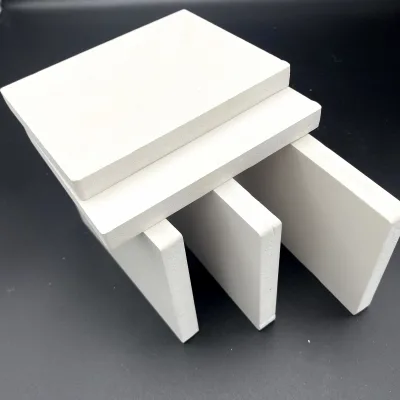
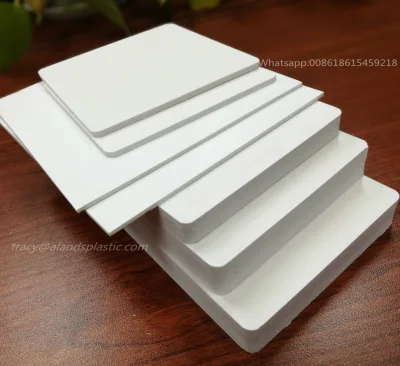

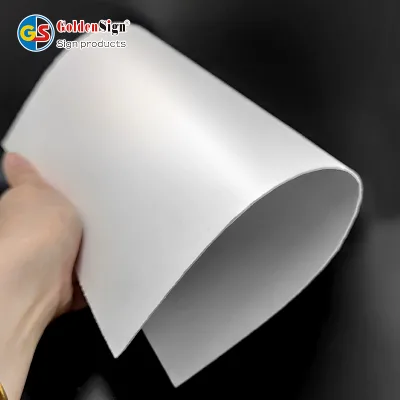
3mm Thickness Flexible Printing Plastic Sheet Pvc Foam Sheet White Manufacturer
$0.6747 - $0.7256
MOQ: 300 pieces

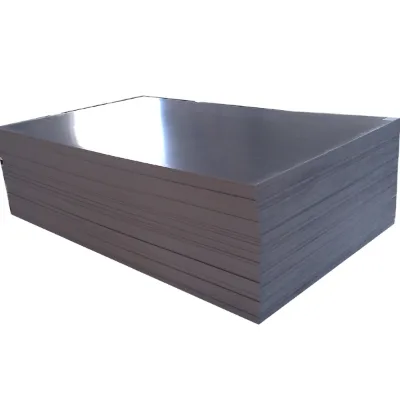
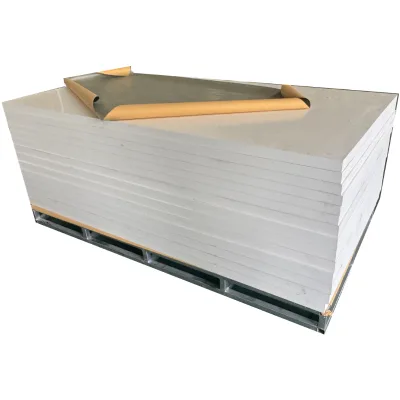
China Extruded White Rigid Pvc Plastic Sheets Cheap Price for Hot Sale
$0.8228 - $2.0764
MOQ: 2 kilograms
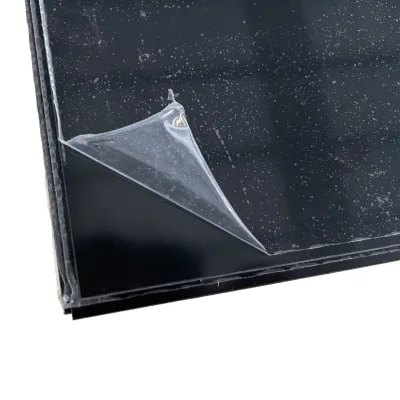
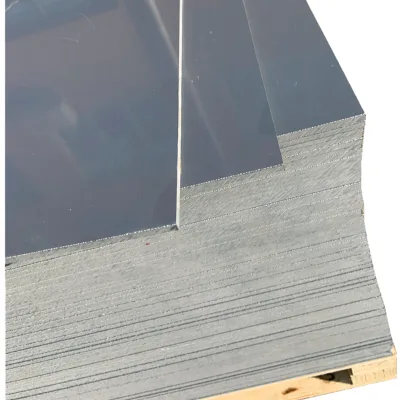
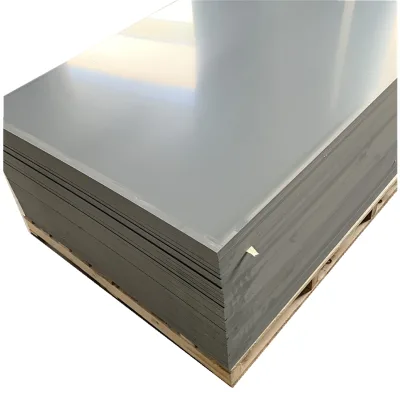
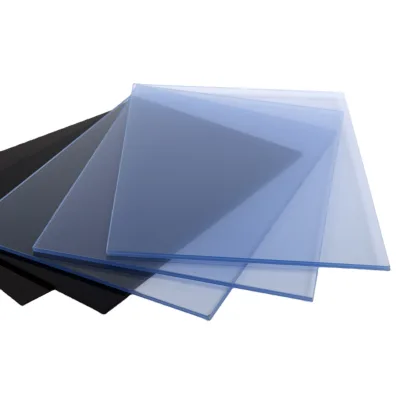
Clear Pvc Board clear Pvc Sheet Price Transparent Plastic Pvc Sheet for Printing
$2.4609 - $3.0773
MOQ: 500 Minimum
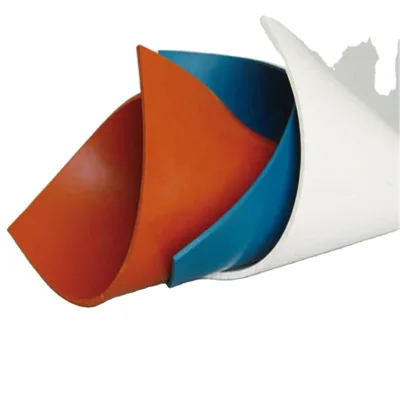


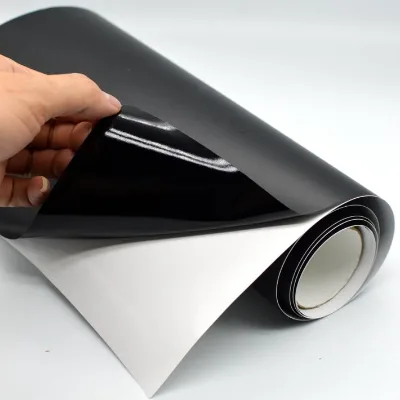
Factory Direct Sales of a Large Number of High Quality Pvc Sheets Black Plastic PVC Material
$1.6276 - $1.9239
MOQ: 500 kilograms
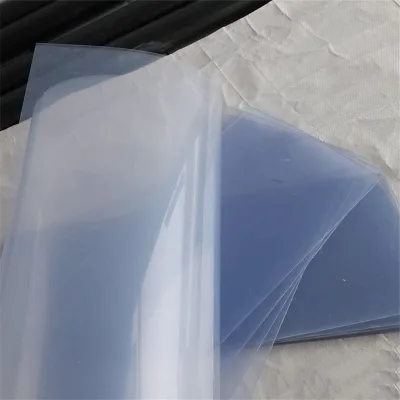
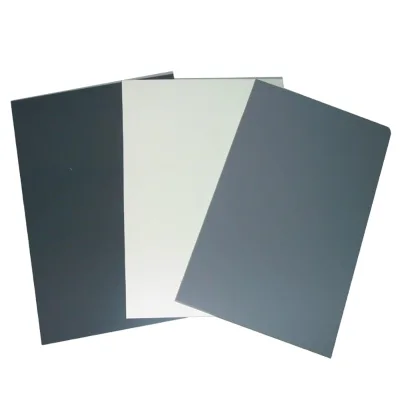
Comprehensive Sourcing Guide
PVC Plastic Sheets Sourcing Guide
Procuring PVC Plastic Sheets requires a disciplined approach to material verification and supplier qualification, as the market offers a wide spectrum of product types ranging from rigid industrial sheets to flexible foam variants. Buyers must first distinguish between solid PVC and foam PVC, as their mechanical properties, weight, and end-use applications differ significantly. The sourcing landscape includes products with varying degrees of transparency, from super transparent options to opaque white and black finishes, each serving distinct aesthetic and functional needs in manufacturing and construction.
Successful sourcing begins with defining precise technical requirements before engaging with suppliers. Key attributes such as tensile strength, water absorption rates, and density must be aligned with the intended application to ensure performance reliability. For instance, applications requiring high durability may need sheets with tensile strengths exceeding 12 MPa, while those prioritizing lightweight properties might focus on density ranges between 0.3 and 0.9 g/cm³. Establishing these parameters early prevents mismatches between supplier offerings and operational demands.
Product Scope and Observed Listing Signals
The current market for PVC Plastic Sheets exhibits a broad price range, typically observed between $0.67 and $2100 per unit, reflecting variations in thickness, size, and material grade. Minimum order quantities (MOQs) also vary widely, starting from as low as 1 unit for samples or small batches up to 15,000 units for large-scale industrial contracts. This disparity highlights the importance of aligning order volume with supplier capabilities, as some manufacturers specialize in high-volume production with competitive pricing, while others cater to customized, low-volume requests.
Product listings frequently highlight customization options, including third-party inspection acceptance and OEM services, which are critical for buyers seeking tailored solutions. Common specifications include thicknesses ranging from 0.5mm to 30mm and standard sheet sizes such as 1220x2440mm or 1560x3050mm, though custom lengths are often available upon request. Buyers should carefully review packing methods, which may include nude packing, wood pallets, or PP bags, to ensure safe transit and minimize damage risks during international shipping.
Technical Specifications to Verify
Verifying technical specifications is paramount to ensuring the PVC sheets meet operational standards. Key attributes to confirm include contraction percentage, which can range from less than 0.4% to 2.5%, affecting dimensional stability during processing. Water absorption rates are another critical factor, with some products offering values below 0.01%, ideal for humid environments, while others may absorb up to 0.3%. Buyers must request detailed material data sheets to validate these properties against their specific environmental and mechanical requirements.
Tensile strength and density are equally important for assessing the sheet's durability and weight characteristics. Observed tensile strengths vary from 3.9 MPa to 20 MPa, indicating different levels of resistance to pulling forces. Density ranges from 0.3 to 0.9 g/cm³, influencing the overall weight and handling ease of the material. Additionally, transparency levels, from super transparent to opaque, should be matched to aesthetic or functional needs, such as visibility requirements in signage or opacity for privacy screens.
Compliance and Safety Documentation
Compliance with international standards is essential for global trade and regulatory adherence. Many suppliers provide certifications such as ISO9001, SGS-CSTC, RoHS, REACH, and TUV, which attest to quality management systems and material safety. Buyers should verify the validity of these certificates and ensure they cover the specific product lines being purchased. Documentation like CE marks may also be relevant for European markets, confirming conformity with health, safety, and environmental protection standards.
Safety considerations include verifying that the PVC sheets are non-toxic, as indicated by some product attributes. This is crucial for applications involving food contact, medical devices, or consumer goods where human exposure is a concern. Buyers should request test reports or material safety data sheets (MSDS) to confirm the absence of harmful substances like phthalates or heavy metals. Ensuring compliance with these regulations mitigates legal risks and enhances brand reputation in regulated industries.
Cost Drivers and Commercial Terms
Cost drivers for PVC Plastic Sheets include raw material prices, thickness, customization complexity, and order volume. Thicker sheets and custom sizes typically incur higher costs due to increased material usage and processing time. Buyers should negotiate based on volume discounts, as MOQs can significantly impact unit pricing. Payment terms such as T/T or L/C are common, and understanding these terms helps in cash flow management and risk mitigation during transactions.
Shipping and packaging costs also contribute to the total landed cost. Options like wood pallets or PP bags affect packaging expenses and logistics efficiency. Buyers should clarify whether shipping costs are included in the quoted price or if they are separate. Additionally, lead times for production and delivery should be confirmed to align with project schedules. Transparent communication about all cost components ensures accurate budgeting and prevents unexpected expenses during the procurement process.
Supplier Qualification and Quality Control
Supplier qualification involves assessing manufacturing capabilities, quality control processes, and past performance. Buyers should verify that suppliers have established quality management systems, such as ISO9001, and conduct regular internal audits. Third-party inspections are often acceptable and recommended for large orders to ensure product consistency. Engaging with suppliers who offer OEM services indicates flexibility and capability to meet specific design requirements, enhancing the likelihood of a successful partnership.
Quality control measures should include pre-shipment inspections and sample approvals before mass production. Buyers should request samples to test physical properties like tensile strength, water absorption, and dimensional stability. Establishing clear quality acceptance criteria in the purchase agreement helps in resolving disputes and ensures that delivered goods meet specified standards. Regular communication and feedback loops with suppliers foster continuous improvement and maintain high-quality output over time.
Long-Term Procurement Checks
Long-term procurement success relies on continuous monitoring of supplier performance and market trends. Buyers should regularly review supplier delivery times, product quality, and responsiveness to issues. Building strong relationships with reliable suppliers can lead to better pricing, priority service, and access to new product innovations. Staying informed about changes in PVC material standards and regulations ensures ongoing compliance and adaptability to evolving industry requirements.
Additionally, buyers should periodically reassess their sourcing strategies to identify cost-saving opportunities and alternative suppliers. Diversifying the supplier base reduces dependency on single sources and mitigates supply chain risks. Implementing a structured supplier evaluation process, including periodic audits and performance reviews, helps maintain high standards and drives continuous improvement. By proactively managing these aspects, buyers can secure a stable, cost-effective, and high-quality supply of PVC Plastic Sheets for their operations.
FAQs
What certifications do the PVC Plastic Sheets hold?
The PVC Plastic Sheets hold ISO9001, SGS-CSTC, RoHS, REACH, and TUV certifications. These standards ensure quality and safety for industrial applications. Some products also meet CE requirements. Buyers can request third-party inspection to verify compliance with these specific standards before placing orders.
How thick can the PVC Plastic Sheets be?
The PVC Plastic Sheets are available in thicknesses ranging from 0.5mm to 30mm depending on the specific product model. Some foam sheet variants offer thicknesses between 1mm and 20mm. Buyers can request custom cutting services to achieve precise dimensions tailored to their specific industrial project requirements.
Can I get custom sizes for PVC Plastic Sheets?
Yes, customization is available for length and thickness to meet specific buyer demands. The sheets can be cut as per requested sizes, with options like 1220*2440mm or larger dimensions. Buyers can also choose between nude packing or palletized shipping to ensure safe delivery of custom-cut materials.
What is the minimum order quantity for PVC sheets?
The minimum order quantity varies, with some listings requiring 2000kg while others accept orders starting from 1 unit. Buyers should check specific supplier requirements as MOQs can range up to 15000 units. Customization and pricing often depend on the total volume ordered and the specific product specifications selected.
Where are these PVC Plastic Sheets manufactured?
These PVC Plastic Sheets are primarily manufactured in Shandong, China. The products originate from this region and are supplied to the global market. Buyers can expect competitive pricing and OEM offers from these established manufacturing locations while ensuring adherence to international quality standards like ISO9001.
Are the PVC Plastic Sheets toxic or safe?
The PVC Plastic Sheets are non-toxic and safe for various applications. They meet RoHS and REACH rules which restrict hazardous substances. The material is transparent or available in white and black colors, ensuring safety for use in industries requiring compliant and environmentally friendly plastic sheet solutions.
What payment terms are accepted for PVC sheets?
Accepted payment terms include TT and LC for secure transactions. Buyers can negotiate these terms based on order volume and supplier policies. The pricing is competitive, and suppliers often offer flexible payment options to facilitate international trade while ensuring both parties have clear financial agreements before shipment.