Source Wood Grain Casting Acrylic Sheets for Ad, Construction, and Lighting
Find 30 listings for Wood Grain Casting Acrylic Sheets with densities around 1.2 g/cm³ and tensile strengths up to 130 MPa. Compare options featuring PE or kraft paper protection, RoHS and CE certifications, and customization services for traffic, industrial, and commercial applications.
Updated
Key considerations
Products List


Luchuan 3mm 5mm Opal White Color Cast Acrylic Board Sheet
$1.80 - $2.30
MOQ: 500 kilograms
Jiangsu Daokang Acrylic New Macro Molecule Material Co., Ltd.






Comprehensive Sourcing Guide
Wood Grain Casting Acrylic Sheets Sourcing Guide
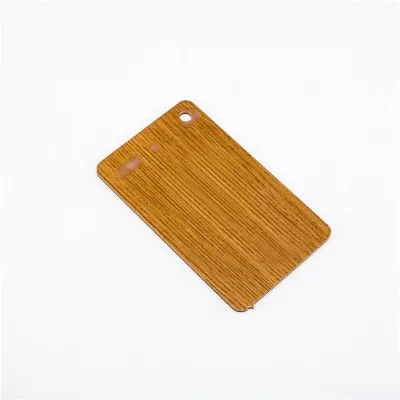
Sourcing Wood Grain Casting Acrylic Sheets requires a nuanced understanding of material properties, as these products blend aesthetic versatility with the structural integrity of solid acrylic. Buyers must distinguish between standard transparent sheets and those featuring specialized surface finishes or patterns, such as wood grain, which are often marketed for interior design and commercial applications. The core keyword highlights a specific aesthetic variant within the broader acrylic sheet category, necessitating careful verification of whether the pattern is printed, laminated, or cast into the material itself.
Procurement teams should focus on suppliers who explicitly list customization options, as wood grain designs are rarely off-the-shelf items. The availability of custom-made services and tailored color options suggests that manufacturers can adapt to specific design requirements, but this also introduces variability in production lead times and quality control. Understanding the distinction between solid surface materials and standard acrylic sheets is crucial, as the latter may offer different durability and processing characteristics. Buyers must ensure that the supplier’s capabilities align with the specific aesthetic and functional demands of the project.
Product Scope and Observed Listing Signals
The observed market signals indicate a diverse range of acrylic sheet products, with prices varying significantly from low-cost options to premium specialized sheets. Listings show a wide price range, suggesting that factors such as thickness, size, and surface treatment heavily influence cost. Buyers should note that while some products are listed with specific dimensions like 1220*2440mm, others offer custom sizes, which can impact shipping and handling logistics. The presence of various thicknesses, ranging from thin films to heavy-duty sheets up to 50mm, allows for flexible application in different industries.
Observed minimum order quantities (MOQs) vary from small batches of 36 pieces to bulk orders of 500kg, reflecting the flexibility of suppliers to accommodate both prototype development and large-scale production. The availability of palletized packing and protective films indicates a standard approach to preserving surface quality during transit. Buyers should verify if the wood grain finish is applied to both sides or just one, as this affects installation and aesthetic consistency. The diversity in listed models and standards suggests that buyers must carefully match product specifications to their specific project requirements.
Technical Specifications to Verify
Technical verification is critical when sourcing wood grain acrylic sheets, particularly regarding tensile strength and water absorption rates. Listings show tensile strength values ranging from 5180MPa to 81130MPa, indicating significant variation in material durability. Buyers must confirm which strength grade applies to the specific wood grain product, as higher strength is essential for structural applications. Additionally, water absorption rates vary from low values below 0.03% to higher ranges, which can affect dimensional stability in humid environments.
Density is another key parameter, with observed values around 1.19-1.2g/cm3, which is typical for acrylic materials. Buyers should verify the exact density of the wood grain variant to ensure it meets project specifications for weight and load-bearing capacity. The availability of different thicknesses, from 1.8mm to 50mm, allows for customization but requires careful calculation of material usage. Surface finish options, such as polished or flat edges, also impact the final appearance and installation process, so these details must be explicitly confirmed with the supplier.
Compliance and Safety Documentation
Compliance with international standards is essential for ensuring the safety and quality of wood grain acrylic sheets. Listings indicate that products may carry certifications such as RoHS and CE, which are critical for markets with strict environmental and safety regulations. Buyers must verify that the specific wood grain product holds these certifications, as they may not apply to all variants offered by the supplier. Additionally, the mention of UL 94 standards suggests that fire resistance properties are a consideration, though specific ratings should be confirmed.
Documentation should also include material safety data sheets (MSDS) and test reports for tensile strength and water absorption. Buyers should request evidence that the wood grain pattern does not compromise the material’s inherent properties, such as UV resistance or clarity. The presence of a professional QC team and factory visitation policies indicates a commitment to quality, but buyers should still conduct independent verification. Ensuring that all compliance documents are up-to-date and specific to the product batch is a crucial step in mitigating risk.
Cost Drivers and Commercial Terms
Cost drivers for wood grain acrylic sheets include raw material quality, customization complexity, and order volume. The use of 100% new virgin MMA as a raw material suggests a premium product, which may command higher prices. Customization options, such as specific wood grain patterns or cut-to-size services, add to the production cost and lead time. Buyers should negotiate clear terms regarding price adjustments for custom orders, as these can vary significantly from standard sheet pricing.
Commercial terms also involve packaging and shipping logistics, with options like palletized packing and wooden crates affecting overall costs. MOQs ranging from small batches to bulk orders allow for flexibility but may impact unit pricing. Buyers should clarify payment terms, delivery schedules, and responsibilities for damage during transit. Understanding the total cost of ownership, including potential waste from cutting and installation, is essential for accurate budgeting. Transparent communication about these factors helps avoid unexpected expenses.
Supplier Qualification and Quality Control
Supplier qualification involves assessing their manufacturing capabilities, quality control processes, and customer service responsiveness. The availability of factory visitation and professional QC teams suggests a level of transparency and commitment to quality. Buyers should verify the supplier’s experience with wood grain acrylic sheets, as this specialized product requires specific expertise in surface treatment and pattern application. Requesting samples and conducting thorough testing is a recommended step to validate quality before placing large orders.
Quality control measures should include checks for surface defects, color consistency, and dimensional accuracy. Buyers should inquire about the supplier’s procedures for handling custom orders and ensuring that specifications are met. The presence of multiple product models and standards indicates a diverse portfolio, but buyers must ensure that the supplier can consistently deliver high-quality wood grain variants. Establishing a clear communication channel for addressing issues and providing feedback is crucial for maintaining a successful procurement relationship.
Long-Term Procurement Checks
Long-term procurement checks focus on maintaining consistent quality and supply chain reliability. Buyers should establish regular review processes to assess supplier performance, including delivery times, product quality, and responsiveness to issues. Monitoring changes in material specifications or certification status is essential to ensure ongoing compliance with project requirements. Building a strong relationship with the supplier can facilitate better pricing and priority service for future orders.
Additionally, buyers should stay informed about market trends and technological advancements in acrylic sheet production. This knowledge can help identify opportunities for cost savings or improved product performance. Regularly updating supplier qualification criteria and conducting periodic audits can help mitigate risks and ensure that the procurement process remains efficient and effective. By maintaining a proactive approach to supplier management, buyers can secure a reliable supply of high-quality wood grain acrylic sheets for their projects.
FAQs
What raw materials are used for Wood Grain Casting Acrylic Sheets?
These sheets are manufactured using 100% new virgin MMA as the primary raw material. This ensures high purity and consistent optical clarity across the product range. The material is processed into solid surface sheets that can feature wood grain patterns for decorative applications in construction and interior design projects.
What certifications do these acrylic sheets hold?
The products hold RoHS and CE certifications, confirming compliance with international safety and environmental standards. These credentials are essential for industrial and construction applications where regulatory adherence is mandatory. Buyers can verify these certifications to ensure the materials meet specific project requirements and quality benchmarks.
What are the standard sizes available for these sheets?
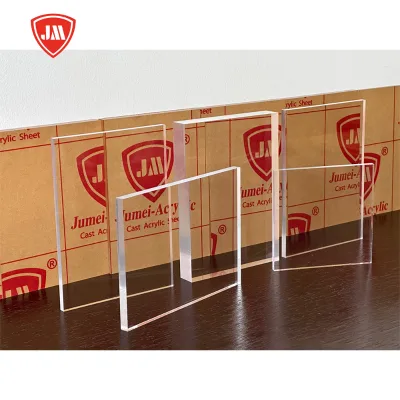
Standard sizes include 1220*2440mm, 1220*1830mm, 1020*2020mm, and 2050*3050mm. Custom dimensions are also available upon request. These standard formats facilitate efficient cutting and installation for various architectural and advertising applications, minimizing waste during the fabrication process for large-scale projects.
What is the water absorption rate of these sheets?
The water absorption rate varies by type, ranging from less than 0.03% for solid surface variants to 0.12%-0.25% for standard color sheets. This low absorption ensures dimensional stability and durability in humid environments. It prevents swelling or degradation, making the material suitable for bathroom and kitchen installations.
Can these sheets be customized for specific projects?
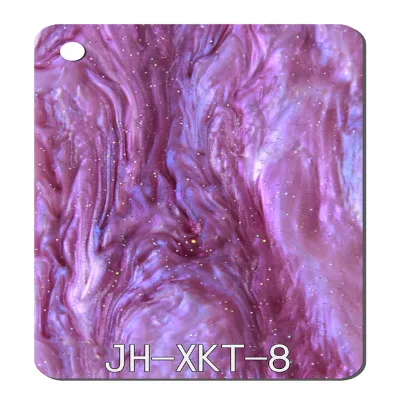
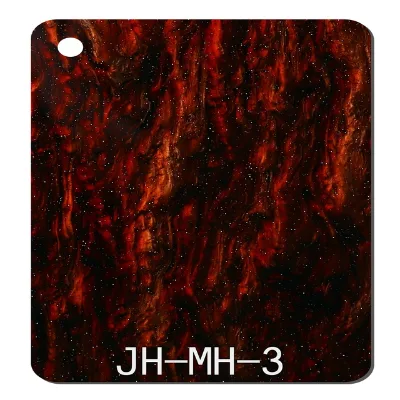
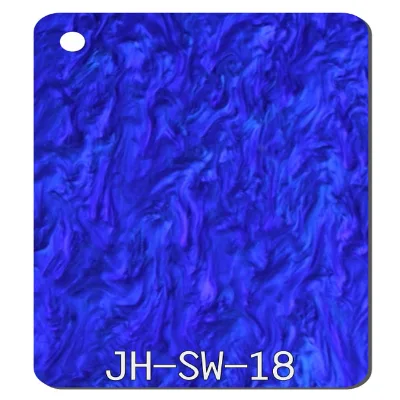
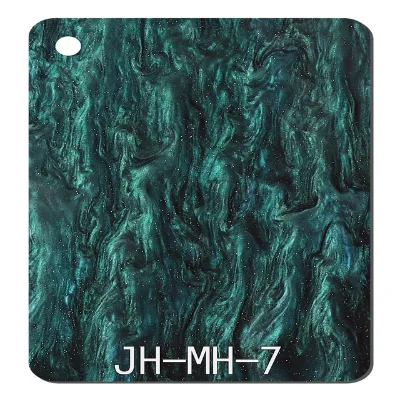
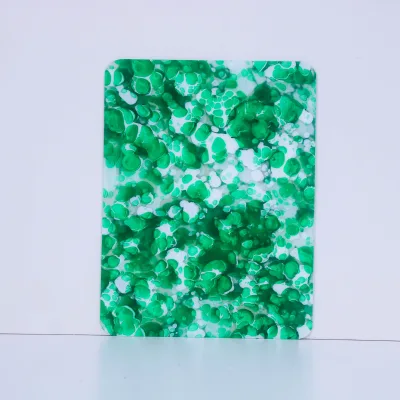
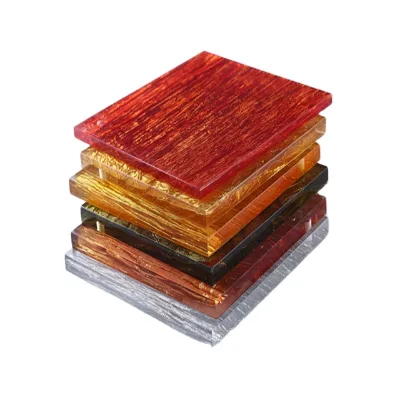
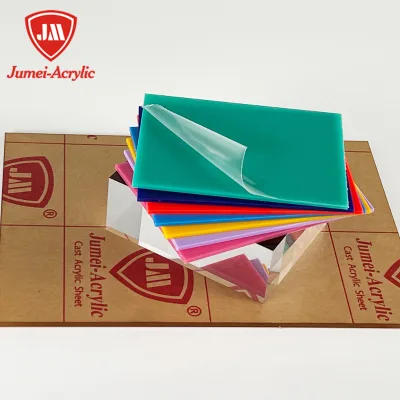
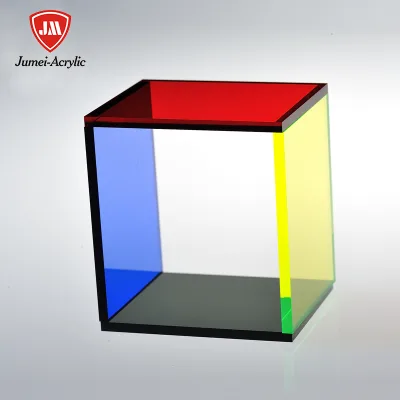
Yes, customization is available for colors, sizes, and surface finishes. Buyers can select from red, yellow, blue, black, white, or clear options, including wood grain patterns. The factory offers cut-to-size services and professional QC teams to ensure the final product meets exact project specifications and quality expectations.
What is the typical packaging method for these products?
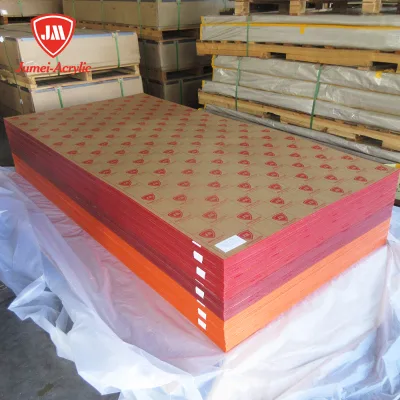
Products are typically packed with PE film or kraft paper on both sides to protect the surface. They are then secured on wooden pallets for safe transportation. This packaging method prevents scratches and damage during shipping, ensuring the sheets arrive in pristine condition ready for immediate installation or further processing.