Source PVC Swimming Pool Liner for Pools, Gyms, and Outdoor Use
Compare 30 listings for PVC Swimming Pool Liner with customizable colors, thicknesses, and anti-UV properties. Buyers can evaluate specifications like 1.2mm to 2.0mm thickness, CE and ISO9001 certifications, and lead times from Guangzhou, China.
Key considerations
Products List


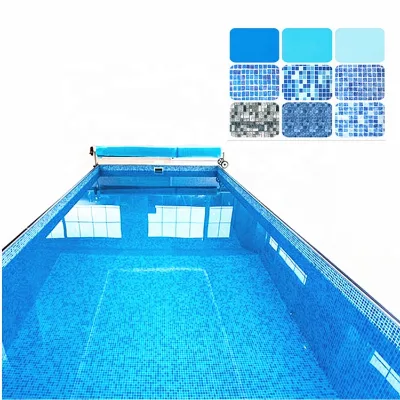


Hot Selling Pool Liner PVC Swimming Pool Liner for Underground Swim Pool
$6.20 - $6.80
MOQ: 1000 Square Meters

Inground Swimming Pool Liner Blue Wave PVC Liner for Swimming Pool
$6.20 - $6.80
MOQ: 1000 Square Meters


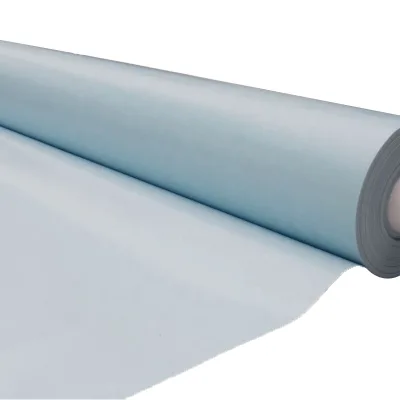
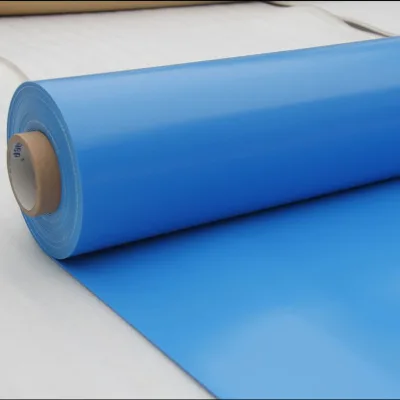
Factory Supply Waterproof Pool Liners and Inground Swimming Pool PVC Liner
$309.00 - $329.00
MOQ: 1 rolls


Eco-Friendly and Chlorine-Resistant PVC Coated 1.2mm Swimming Pool Liner
$1.00 - $3.00
MOQ: 2000 Meters

Chlorine-Resistant and Eco-Friendly PVC Coated 1.5mm Swimming Pool Liner
$1.00 - $3.00
MOQ: 2000 Meters
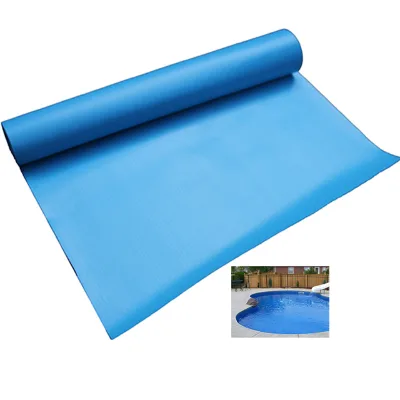

Manufacturers Directly Sell Safe and Durable Swimming Pool PVC Liner
$6.80 - $8.50
MOQ: 50 Square Meters
Comprehensive Sourcing Guide
Strategic Sourcing Guide for PVC Swimming Pool Liners
Understanding Technical Specifications and Material Composition
When sourcing PVC swimming pool liners, buyers must first establish a clear understanding of the core material composition and physical specifications that define product performance. The primary material identified in the market for these applications is Polyvinyl Chloride (PVC). In some advanced configurations, this material is reinforced with a polyester layer, creating a composite structure often described as PVC+Polyester. This reinforcement is critical for enhancing tensile strength and dimensional stability, particularly in larger pool installations where structural integrity is paramount.
The physical dimensions of the liner are a primary consideration for procurement planning. Standard roll sizes observed in the market include lengths of 25 meters, with widths typically ranging from 1.8 meters to 2.05 meters. However, customization is a key attribute available in this category, allowing buyers to specify exact dimensions to fit unique pool geometries. The thickness of the liner is another variable that directly impacts durability and cost. Common thickness options include 1.2mm, 1.5mm, and 2.0mm. For heavy-duty applications, buyers may encounter specifications labeled as "Heavy Weight," which often correlate with higher gram weights, such as 2000 GSM, indicating a denser, more robust material suitable for commercial or high-traffic environments.
The structural form of the liner also varies. While standard flat liners are common, some products feature a three-dimensional form, which can be advantageous for specific aesthetic or functional requirements. The surface finish is frequently offered in blue or mosaic color schemes, though customization options allow for a wide range of color palettes to match design preferences. It is essential to note that while specific models like "FL" or "FS-LINER" exist, the model number alone does not guarantee a specific set of features; buyers must verify the detailed specification sheet for each SKU to ensure it meets the project's exact requirements.
Compliance, Certification, and Regulatory Standards
Navigating the regulatory landscape is a critical step in the procurement of swimming pool liners. Buyers must verify that suppliers possess valid certifications that align with international safety and quality standards. The market data indicates that products in this category often carry CE, ISO9001, and SGS certifications. The CE mark signifies conformity with health, safety, and environmental protection standards for products sold within the European Economic Area. ISO9001 certification demonstrates that the manufacturer has implemented a quality management system that meets international benchmarks for consistency and process control. SGS certification provides third-party verification of product quality and safety.
However, the presence of these certifications should not be assumed for every listed product. Buyers must explicitly request current certification documents and verify their validity with the issuing bodies. It is also important to distinguish between the certification of the facility and the certification of the specific product batch. Some listings may reference "CE, SGS" while others include "ISO9001," suggesting that not all suppliers or product lines may hold the full suite of certifications.
Beyond formal certifications, buyers should inquire about specific performance standards related to the liner's intended use. For outdoor applications, the liner must demonstrate resistance to ultraviolet (UV) radiation to prevent degradation and color fading over time. The observed product attributes highlight "Anti-UV" and "Anti-Corrosion" as key functional requirements. Additionally, features such as being windproof, water-resistant, fireproof, and anti-mildew are often marketed as standard advantages. While these are observed attributes, buyers should request test reports or data sheets that substantiate these claims, particularly regarding fire resistance and mildew inhibition, to ensure the liner meets local building codes and safety regulations.
Cost Drivers and Pricing Dynamics
The pricing of PVC swimming pool liners is influenced by a complex interplay of material costs, manufacturing processes, and order volume. The observed price range in the market spans from approximately $0.99 to $359 per unit, though this wide variance often reflects differences in product type, thickness, and packaging rather than a linear cost per square meter. The "Selling Units" are typically listed as single items, which can be misleading for bulk procurement; buyers must calculate the cost per square meter or per roll to make accurate budget comparisons.
Material composition is a primary cost driver. Liners made from pure PVC generally have a different cost structure compared to those reinforced with polyester. Thicker liners, such as those at 2.0mm or those with a 2000 GSM weight rating, command a higher price due to the increased volume of raw materials required. Customization also adds to the cost. While standard blue or mosaic colors are likely the most economical options, requesting specific colors or custom dimensions can incur additional charges.
Minimum Order Quantity (MOQ) is another significant factor affecting the total cost of acquisition. The market shows an MOQ range from 1 unit up to 5000 units, with specific listings indicating an MOQ of 45 square meters. Buyers with smaller project needs may face higher per-unit costs if they cannot meet the supplier's MOQ threshold. Conversely, larger orders may benefit from volume discounts, though the specific discount structure is not standardized across the market. Buyers should also consider packaging costs, as the product is typically packed in kraft paper, poly bags, and cartons, with specific dimensions like 905050cm noted for individual packages. These packaging requirements impact shipping volume and logistics costs, which should be factored into the total landed cost.
Typical Applications and Functional Performance
PVC swimming pool liners are designed for a variety of applications, with the primary use case being residential and commercial swimming pools. The product attributes explicitly state "Applicable Area: Swimming Pool" and "Application: all pool," indicating versatility across different pool types. However, the observed data also lists "Gym" as an occasion, suggesting that these liners may be used in gym flooring or multi-purpose sports areas where water resistance and durability are required. This dual-use capability expands the potential market for the product but requires buyers to ensure the liner's specific properties match the intended environment.
The functional performance of the liner is defined by its ability to withstand environmental stressors. The "Outdoor Function" is listed as "Anti-UV" and "Anti-Corrosion," which are essential for maintaining the liner's integrity when exposed to sunlight and pool chemicals. The "Feature" list further expands on this, including "Eco-friendly," "warm," "windproof," "water resistant," "fireproof," and "anti-mildew." These features collectively ensure that the liner provides a safe and durable surface for swimmers.
The lifespan of the liner is a critical metric for long-term value. Market observations suggest a life time of "More Than 10 Years," which is a significant advantage for buyers looking for long-term solutions. However, the warranty period observed is often listed as "6 Month," which may seem short compared to the expected lifespan. This discrepancy highlights the importance of understanding the warranty terms; a 6-month warranty typically covers manufacturing defects rather than long-term wear and tear. Buyers should clarify the scope of the warranty to ensure it aligns with their risk management strategies.
Supplier Evaluation and Geographic Considerations
Evaluating suppliers requires a focus on their geographic origin, production capabilities, and logistical reliability. The majority of the observed products originate from China, with specific locations mentioned as Guangzhou and Guangdong. These regions are known for their robust manufacturing infrastructure and expertise in PVC processing. However, the "Place of Origin" can vary, and buyers should verify the specific factory location to assess the supplier's capacity and reliability.
When evaluating a supplier, buyers should look for evidence of consistent production quality and adherence to the standards mentioned earlier. The availability of customization is a strong indicator of a flexible and capable supplier. The ability to offer different thicknesses, colors, and dimensions suggests that the supplier has the technical expertise to handle bespoke orders. Additionally, the "Cleaning Process" listed as "Cold Water Cleaning" indicates a specific manufacturing protocol that may affect the final product's cleanliness and readiness for installation.
Logistics and lead times are also critical factors. While specific lead times are not provided in the observed data, the packaging dimensions and weight (e.g., 120kg) suggest that shipping these products requires careful planning. Buyers should inquire about the supplier's ability to handle large volume shipments and their experience with international logistics. The "Single gross weight" and "Single volume" data points are often listed as zero in some entries, which may indicate a data entry error or a need for clarification. Buyers must request accurate shipping information to avoid delays and unexpected costs.
Quality Control and Long-Term Procurement Strategy
Implementing a robust quality control (QC) strategy is essential for ensuring that the procured liners meet the required specifications. Buyers should establish clear acceptance criteria based on the technical specifications, such as thickness tolerance, color consistency, and material composition. The "Cleaning Process" and "Structure" of the liner should be verified upon receipt to ensure they match the ordered specifications. Regular sampling and testing, particularly for UV resistance and tensile strength, can help identify potential issues before they become critical.
For long-term procurement, buyers should consider the lifecycle of the product. With an expected life time of more than 10 years, the initial investment in high-quality liners can yield significant savings over time. However, the short warranty period of 6 months suggests that buyers should plan for ongoing maintenance and potential replacement costs. Establishing a relationship with a reliable supplier who can provide consistent quality and responsive after-sales support is crucial for managing these long-term needs.
Buyers should also consider the environmental impact of their procurement choices. The "Eco-friendly" feature observed in some products indicates a growing trend towards sustainable manufacturing practices. Verifying the environmental credentials of the supplier and the materials used can help align procurement strategies with corporate sustainability goals. By focusing on quality, compliance, and long-term value, buyers can effectively navigate the complex market for PVC swimming pool liners and secure products that meet their specific project requirements.
Comparative Analysis of Product Attributes
To facilitate decision-making, the following table summarizes key product attributes observed in the market for PVC swimming pool liners. This comparison highlights the variability in specifications and helps buyers identify the most suitable options for their needs.
| Attribute | Standard Observation | Customization Availability | Notes for Buyers |
|---|---|---|---|
| Material | PVC, PVC+Polyester | Yes | Verify reinforcement type for strength needs. |
| Thickness | 1.2mm, 1.5mm, 2.0mm, Heavy Weight | Yes | Thicker options offer better durability. |
| Dimensions | 25m Length, 1.8m-2.05m Width | Yes | Custom sizes available for unique pools. |
| Color | Blue, Mosaic | Yes | Custom colors may affect lead time. |
| Certifications | CE, ISO9001, SGS | N/A | Request valid certificates for each batch. |
| Origin | Guangzhou, Guangdong, China | N/A | Verify specific factory location. |
| Warranty | 6 Months | N/A | Clarify scope vs. expected 10+ year life. |
| MOQ | 1 - 5000 units, 45m² minimum | Varies | Negotiate based on order volume. |
| Features | Anti-UV, Anti-Corrosion, Fireproof | N/A | Confirm specific performance claims. |
This table serves as a reference for buyers to quickly assess the range of options available. It emphasizes the importance of verifying specific details rather than relying on general market observations. By carefully evaluating these attributes, buyers can make informed decisions that balance cost, quality, and performance requirements.
FAQs
What certifications do pvc swimming pool liners typically hold?
Products often carry CE, ISO9001, and SGS certifications. Buyers must verify specific documents as not every listing includes the full suite, and facility certification does not always guarantee batch compliance.
How thick are standard PVC Swimming Pool Liner rolls?
Common thickness options include 1.2mm, 1.5mm, and 2.0mm. Heavy-weight variants may reach 2000 GSM for commercial use, while standard rolls often measure 1.5mm in thickness.
Can buyers customize the size and color of the liner?
Customization is available for both dimensions and colors like blue or mosaic. Standard rolls are 25 meters long, but buyers can specify exact widths and lengths to fit unique pool geometries.
What is the expected lifespan of a PVC Swimming Pool Liner?
The product life is more than 10 years under normal conditions. However, the standard warranty period is often only 6 months, covering manufacturing defects rather than long-term wear.
Where are pvc swimming pool liners primarily manufactured?
Most products originate from Guangzhou or Guangdong, China. Buyers should verify the specific factory location to assess production capacity and logistical reliability for international shipping.
What is the minimum order quantity for these liners?
Minimum order quantities range from 1 unit up to 5000 units. Specific listings may require a minimum of 45 square meters, affecting the total cost for smaller projects.