Source Quad Core Tablet for Education, Business, and Retail
Explore 30 Quad Core Tablet options with varying specs like Android or Windows OS, 4GB to 16GB RAM, and battery capacities from 2000mAh to 8000mAh. Buyers can compare models such as L10036 and R43 for education, business, and retail applications.
Key considerations
Products List


Tablets 10 Inches Android RAM 2GB Gaming Tablet Android Education Tablet Android
$82.00 - $98.00
MOQ: 1 Pieces

Tablet 7 Inch Android 11 Tablet 2+16GB 2+32GB Kids Tablet Educational Tablet PC
$32.00 - $40.00
MOQ: 1 Pieces


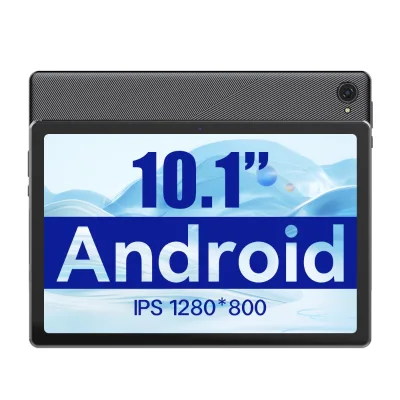

8inch Tablet OEM PC Android11 Quad Core Tablet PC 10.1 Inch Tablet PC 4GB 8GB Tablet PC
$48.00 - $50.00
MOQ: 2000 Pieces

Atmpc 7 Inch Android Tablet 4GB+32GB Mtk6761 Android 12/13/14 Quad-Core Processor 2.0GHz Tablet
$36.70 - $41.70
MOQ: 1000 Pieces


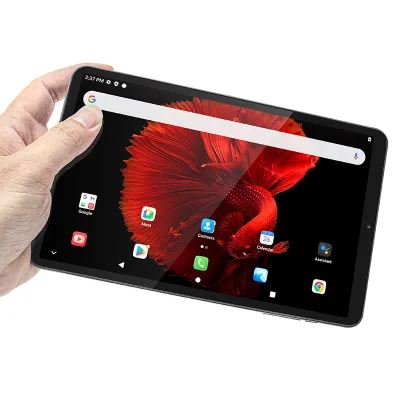


Comprehensive Sourcing Guide
Quad Core Tablet Sourcing Guide
Sourcing quad-core tablets requires a disciplined approach to balancing processing power, memory architecture, and connectivity options against specific operational needs. The quad-core processor remains a prevalent configuration in the mid-range tablet market, offering sufficient computational throughput for multitasking, media consumption, and light productivity tasks without the premium cost associated with octa-core or high-end mobile workstation chips. Buyers must recognize that "quad-core" is a baseline specification that varies significantly in performance depending on the silicon manufacturer, clock speed, and thermal management design. Consequently, the procurement strategy must focus on verifying the specific CPU architecture and its compatibility with the intended software ecosystem, whether that be Android or Windows 10, to ensure seamless integration into existing IT infrastructure or field operations.
The market landscape for these devices is characterized by a wide variance in component quality, particularly regarding memory capacity, storage type, and display technology. Observed listings indicate a broad spectrum of configurations, ranging from entry-level models with 4GB RAM and 64GB storage to more robust units featuring up to 16GB RAM and 256GB storage. This variability necessitates a rigorous verification process where buyers do not assume uniform performance across all quad-core offerings. Instead, procurement teams must treat each specification as a distinct data point to be validated against the device’s actual use case, ensuring that the selected hardware can sustain the required workload over its intended lifecycle without degradation in performance or reliability.
Product Scope and Observed Listing Signals
The current market for quad-core tablets exhibits a diverse range of form factors and functional capabilities, primarily driven by the underlying operating system and connectivity requirements. Listings frequently highlight devices running Android, which dominate the consumer and light enterprise segments, alongside Windows 10 variants that cater to more specialized business applications requiring desktop-class software compatibility. Connectivity is a critical differentiator, with many models supporting dual-band WiFi, 4G, and 3G networks, enabling flexible deployment in environments with varying network infrastructure. Buyers should observe that screen sizes typically start at 10.1 inches, with some models extending to nearly 12 inches, providing ample real estate for productivity tasks while maintaining portability.
Battery capacity and physical durability are also key signals observed in product listings, indicating the device's suitability for mobile or ruggedized use cases. Capacities often range from 2000mAh to 8000mAh, directly influencing the operational runtime between charges, with some models claiming battery life between 7 to 9 hours under typical usage conditions. Additionally, features such as anti-dust construction, stereo speakers, and fast charging interfaces like USB-C are increasingly common, suggesting a market shift towards more durable and user-friendly devices. These attributes are particularly relevant for procurement teams sourcing tablets for field service, education, or retail environments where device resilience and ease of maintenance are paramount.
Technical Specifications to Verify
When evaluating quad-core tablets, the first technical verification should focus on the CPU type and core architecture, as performance can vary significantly between manufacturers such as Intel, MTK, or Spreadtrum. Buyers must confirm the specific processor model to ensure it meets the computational demands of the intended applications, particularly if running resource-intensive software or multiple simultaneous processes. It is also essential to verify the RAM and ROM configurations, as observed listings show a wide range from 3GB/64GB to 16GB/256GB. The distinction between RAM for active task management and ROM for persistent storage is critical, and buyers should ensure that the selected configuration aligns with the expected multitasking load and data storage requirements.
Display and camera specifications are another area requiring careful verification, as these components directly impact user experience and functionality. Screen types are predominantly capacitive, with resolutions often reaching 1920x1080 or similar high-definition standards, ensuring clear visual output for both media and text. Camera configurations vary, with rear cameras often exceeding 5MP and front cameras typically ranging from 2MP to 3MP, suitable for video conferencing and basic imaging tasks. Buyers should also verify the presence of additional interfaces such as card readers, 3.5mm audio jacks, and built-in microphones, as these features can eliminate the need for external accessories and streamline device deployment in professional settings.
Compliance and Safety Documentation
Compliance with international safety and environmental standards is a non-negotiable aspect of tablet procurement, particularly for devices intended for global distribution or use in regulated industries. Buyers must verify that suppliers provide valid certification documents, such as ROHS, FCC, and CE, which attest to the device's compliance with electromagnetic interference limits and hazardous substance restrictions. These certifications are critical for ensuring that the tablets can be legally imported and operated in various markets, and they also serve as an indicator of the manufacturer's commitment to quality control and regulatory adherence. Procurement teams should request copies of these certificates and validate their authenticity through the issuing bodies or recognized testing laboratories.
In addition to regulatory certifications, buyers should assess the device's warranty terms and after-sales support structure to mitigate long-term operational risks. A standard warranty period of one year is commonly observed, but buyers should negotiate for extended coverage or clear terms regarding repair and replacement procedures. It is also important to verify the packaging standards, such as carton packing, to ensure that devices are protected during transit and storage, minimizing the risk of damage before deployment. Understanding the supplier's return policy and technical support availability is equally crucial, as it directly impacts the total cost of ownership and the ability to maintain device uptime in critical business operations.
Cost Drivers and Commercial Terms
The cost of quad-core tablets is influenced by several key factors, including the quality of components, the complexity of the operating system, and the volume of the order. Higher-end configurations with larger RAM, more storage, and premium displays will naturally command higher prices, while entry-level models with basic specifications offer a more budget-friendly option. Buyers should also consider the impact of customization options, such as OEM branding or pre-installed software, which can add to the unit cost but may provide significant value in terms of brand consistency and operational efficiency. Understanding these cost drivers allows procurement teams to make informed trade-offs between performance, features, and budget constraints.
Commercial terms, including minimum order quantities (MOQ) and lead times, play a significant role in the overall procurement strategy. Observed MOQs can range from as low as one unit for sample orders to tens of thousands for bulk purchases, allowing flexibility for both small-scale trials and large-scale deployments. Lead times typically vary based on order volume and customization requirements, with some suppliers offering turnaround times of 3 to 25 workdays. Buyers should negotiate clear delivery schedules and penalty clauses for delays to ensure that procurement timelines align with business needs. Additionally, payment terms and currency exchange risks should be carefully managed to protect the organization's financial interests throughout the transaction process.
Supplier Qualification and Quality Control
Supplier qualification is a critical step in ensuring the reliability and consistency of quad-core tablet procurement. Buyers should conduct thorough due diligence on potential suppliers, verifying their business licenses, manufacturing capabilities, and track record in the industry. It is advisable to request samples for rigorous testing before committing to large orders, allowing the procurement team to assess the device's performance, build quality, and compliance with specifications. Suppliers with a proven history of delivering high-quality products and adhering to strict quality control protocols should be prioritized to minimize the risk of defects and operational disruptions.
Quality control measures should be integrated into the procurement process from the outset, with clear specifications and acceptance criteria defined in the purchase agreement. Buyers should implement incoming inspection procedures to verify that delivered devices meet the agreed-upon standards, checking for physical defects, functional issues, and compliance with certifications. Establishing a feedback loop with the supplier to address any quality concerns promptly is essential for maintaining high standards and fostering a collaborative relationship. Regular audits and performance reviews can also help identify areas for improvement and ensure that the supplier continues to meet the organization's evolving needs.
Long-Term Procurement Checks
Long-term procurement success depends on the ability to monitor and adapt to changes in the technology landscape and supplier performance. Buyers should regularly review the device's performance in the field, collecting data on uptime, failure rates, and user satisfaction to identify any emerging issues. This feedback should be shared with the supplier to drive continuous improvement and ensure that future orders reflect the lessons learned from previous deployments. Additionally, staying informed about advancements in tablet technology, such as new processor architectures or connectivity standards, can help procurement teams make proactive decisions about upgrades or replacements.
Sustainability and end-of-life management are also becoming increasingly important considerations in tablet procurement. Buyers should assess the supplier's policies on recycling, repairability, and environmental impact, aligning these with the organization's corporate social responsibility goals. Developing a clear strategy for device retirement, including data security measures and responsible disposal, is essential to mitigate environmental and regulatory risks. By integrating these long-term checks into the procurement process, organizations can ensure that their tablet investments remain valuable, compliant, and sustainable over the device's entire lifecycle.
FAQs
What operating systems are available for quad core tablets?
Quad core tablets are available with Android or Windows 10 operating systems. Some models feature Android, while others run Windows 10, offering flexibility for different user needs and application requirements.
Can I find quad core tablets with Intel processors?
Yes, quad core tablets with Intel processors are available in the market. These devices often combine Intel CPU types with other features like dual band WiFi and capacitive screens for enhanced performance.
What is the typical battery capacity for these tablets?
Battery capacities vary, with some models offering 6000mAh to 8000mAh and others ranging from 2000mAh to 3000mAh. This variation allows buyers to select devices based on their specific power consumption needs.
Which certifications do quad core tablets typically hold?
Many quad core tablets hold ROHS, FCC, and CE certifications. These standards ensure the products meet specific safety and environmental requirements, making them suitable for international distribution and use.
How long is the warranty period for these devices?
The standard warranty period for these quad core tablets is one year. This coverage provides buyers with assurance regarding product reliability and manufacturer support during the initial usage phase.
What screen sizes are offered for quad core tablets?
Screen sizes range from 10.1 inches up to 11.97 inches. Buyers can choose from various dimensions including 10.1, 10.36, 10.95, and 11.97 inches depending on their portability and display preferences.
Are customization options available for these tablets?
Customization is available for quad core tablets to meet specific business requirements. Buyers can request tailored solutions while ensuring the core specifications like CPU cores and memory remain consistent with their needs.