Source Quick Dry Halter Tank Top for Gym, Travel, and Casual Wear
Find 30 options for the Quick Dry Halter Tank Top featuring breathable nylon and cotton blends. Buyers can compare OEM services, customization, and pricing from suppliers in Guangdong, China.
Key considerations
Products List
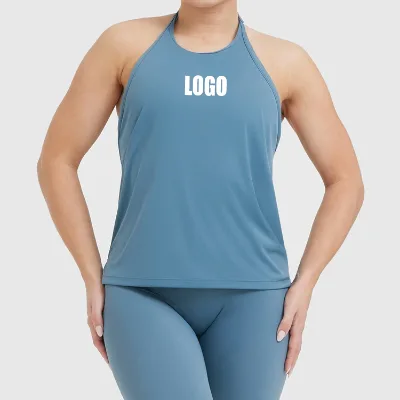
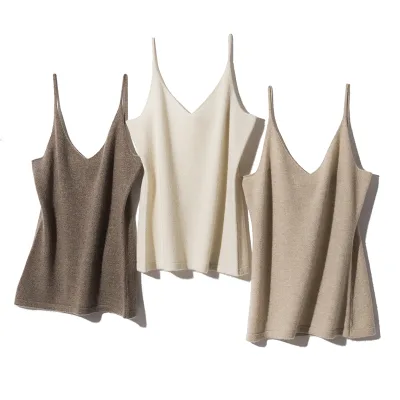


Custom 100% Linen Sleeveless Back Button Closure Slit Backless Loose Breathable Tank Top
$18.99 - $24.99
MOQ: 300 Pieces

Comprehensive Sourcing Guide
Strategic Sourcing Guide for Quick Dry Halter Tank Tops
The global demand for functional activewear continues to expand, driven by a consumer shift toward versatile garments that bridge the gap between gym performance and casual daily wear. Among the most sought-after items in this category is the Quick Dry Halter Tank Top. This specific garment combines a supportive halter neckline with moisture-wicking capabilities, making it ideal for high-intensity workouts, summer outdoor activities, and layered casual styling. For B2B procurement professionals, sourcing this item requires a nuanced understanding of material composition, manufacturing capabilities, and supply chain logistics. The following guide provides a structured approach to evaluating suppliers and products, ensuring that the final procurement aligns with both technical requirements and business objectives.
Technical Specifications and Material Composition
When evaluating a Quick Dry Halter Tank Top, the foundation of the product lies in its material composition and construction. Based on available market data, successful suppliers often utilize a blend of Nylon, Spandex, and Cotton to achieve the desired balance of durability, elasticity, and comfort. The inclusion of Spandex is critical for the halter style, as it ensures the garment maintains its shape and provides the necessary stretch for movement without sagging. Nylon contributes to the "quick dry" functionality by offering superior moisture management and resistance to abrasion, while Cotton adds a soft hand-feel that enhances wearability for casual applications.
The construction of the halter neck is a primary technical differentiator. Buyers must verify that the strap design is secure and capable of supporting the garment during active use. The product attributes indicate that these tops are frequently designed with a "Round Neck" collar style in some variations, while the specific "Halter Vest" model features a distinct neck cut. It is essential to confirm the sleeve style, as the core keyword specifies "Sleeveless," which is standard for this category but must be consistent with the buyer's target market preferences. Additionally, the clothing length varies significantly across the market, ranging from "Short" to "Medium Length" and even "Long." Procurement teams should define their preferred length early, as this impacts the target demographic; for instance, "Short" lengths are often preferred for summer and gym environments, while "Medium" or "Long" lengths may appeal to a broader audience seeking modesty or coverage.
Customization Capabilities and Production Models
A significant advantage in sourcing halter tank tops is the widespread availability of customization services. The market data highlights that many suppliers offer both OEM (Original Equipment Manufacturer) and ODM (Original Design Manufacturer) services. This flexibility allows brands to either leverage existing designs or develop proprietary styles. The "Support Customize Your Own Items" attribute suggests that buyers can request specific modifications to the garment, including the integration of custom logos. The "Custmize Your Own Logo" feature is particularly relevant for brands looking to create a unified identity across their product lines.
Furthermore, the printing methods available for these garments are a key consideration for branding. "Heat-Transfer Printing" is a noted capability, which is effective for applying detailed graphics and logos without compromising the fabric's breathability. However, buyers should verify the durability of the print, especially for items intended for frequent washing and high-sweat environments. The customization process often involves a sampling phase. Suppliers typically require a "Sampling Time" of 7-10 days, with a "Sample Charge" often calculated as double the unit price. This is a standard industry practice to cover the costs of pattern making and initial production runs. Understanding these timelines is crucial for planning product launches, as the lead time for bulk production can extend to 25-35 days after sample approval.
Cost Drivers and Pricing Structures
The pricing of quick dry halter tank tops is influenced by several dynamic factors, including material costs, order volume, and the complexity of customization. The observed listed price range in the market spans from $2 to $28.54 USD. This wide variance indicates that price is not solely a function of the base garment but is heavily dependent on the quantity ordered and the level of customization requested. Buyers should anticipate that lower price points are typically associated with higher Minimum Order Quantities (MOQ) and standardized designs, while premium pricing reflects lower MOQs, complex printing, or specialized fabric blends.
The MOQ (Minimum Order Quantity) is another critical cost driver. Data indicates an observed MOQ range of 1 to 1000 units. For new brands or those testing the market, suppliers offering an MOQ of 10 pieces per style provide a low-risk entry point. However, to achieve the most competitive unit pricing, buyers may need to negotiate orders closer to the higher end of the spectrum. It is important to note that "In Stock" items may have a specific MOQ of 10 pieces per style, whereas custom orders might have different thresholds. Buyers must also consider the payment terms, with "T/T" (Telegraphic Transfer) being a standard requirement. Understanding the total cost of ownership, including shipping and potential duties, is essential when comparing the $2 to $28.54 price range against the final landed cost.
Compliance, Standards, and Quality Verification
While the market offers a wide array of products, verifying compliance and quality standards is paramount for B2B buyers. The provided data mentions specific product standards, such as "30405" for packing dimensions and "0.5kg" for product weight. These specifications are vital for logistics planning and inventory management. However, regarding safety and environmental certifications, the data includes a low-confidence reference to "OEKO-TEX." Buyers should not assume that all listed products automatically meet this standard. Instead, procurement teams must explicitly request certification documentation from potential suppliers to verify that the textiles are free from harmful substances.
Quality control extends beyond certifications to the physical attributes of the garment. The "Quick Dry" and "Breathable" features are frequently cited, but these are functional claims that require verification. Buyers should request test results or samples to confirm that the fabric actually dries rapidly and allows for adequate air circulation. The "Eco-Friendly" attribute is also mentioned in some product listings, which may appeal to sustainability-focused markets. To validate this, buyers should inquire about the specific manufacturing processes and material sourcing. Additionally, the "Feedback" mechanism suggests that suppliers are open to quality assurance discussions, which can be a valuable resource for resolving issues before full-scale production begins.
Supplier Evaluation and Logistics Management
Selecting the right supplier involves more than just comparing prices; it requires a comprehensive evaluation of their logistical capabilities and service reliability. The "Place of Origin" for many of these products is identified as "Guangdong, China," a major hub for textile manufacturing. This location offers a robust supply chain but also necessitates careful management of shipping and delivery timelines. The "Delivery Date" is typically cited as 25-35 days, which includes production and initial processing. Buyers must factor in this lead time when planning their inventory cycles to avoid stockouts.
Shipping options are diverse, with suppliers offering transport via "FedEx&UPS," "Sea," or "Air." The choice of shipment method will significantly impact the total cost and delivery speed. For urgent orders, air freight may be necessary, despite the higher cost, while sea freight is more economical for large, non-urgent shipments. The "Packing" standard is also a critical logistical detail, with "1PC in a Polybag" being a common practice. Buyers should confirm if this packaging meets their retail requirements or if additional labeling and branding are needed. Furthermore, the "Our Service" attribute, which includes ODM or OEM, indicates that suppliers are prepared to handle various levels of engagement. A reliable supplier will provide clear communication channels and be responsive to inquiries regarding order status and potential delays.
Long-Term Procurement Considerations and Market Trends
Sourcing quick dry halter tank tops is not a one-time transaction but a strategic partnership that evolves with market trends. The "Season" attribute highlights that these products are primarily designed for "Summer," though some variations are suitable for "Spring, Summer, Autumn," and even "Winter." This versatility allows buyers to create year-round collections, provided they select the appropriate fabric weight and layering options. The "Pattern" types, ranging from "Solid" and "Plain" to "Printed," offer opportunities for brands to refresh their inventory regularly without changing the core silhouette.
Looking ahead, the demand for customization and sustainability is likely to grow. The ability to "Customize Your Own Logo" and the mention of "Eco-Friendly" features suggest that buyers who can offer unique, sustainable products will gain a competitive edge. However, buyers must remain vigilant about the consistency of quality across different production batches. The "Feedback" section in supplier data underscores the importance of maintaining a relationship where quality issues can be addressed promptly. By focusing on suppliers who demonstrate transparency in their standards, clear communication in their logistics, and flexibility in their customization options, buyers can build a resilient supply chain that supports long-term growth in the activewear market.
Comparative Overview of Product Attributes
To assist in the decision-making process, the following table summarizes key attributes observed in the market for quick dry halter tank tops. This comparison helps buyers identify which specifications align with their specific product requirements.
| Attribute Category | Common Observations | Verification Requirement |
|---|---|---|
| Material Blend | Nylon, Spandex, Cotton | Request fabric composition certificate |
| Sleeve Style | Sleeveless | Confirm fit and strap security |
| Clothing Length | Short, Medium, Long | Define target demographic needs |
| Customization | Logo, Pattern, Color | Verify sample lead time and cost |
| MOQ | 1 to 1000 units | Negotiate based on budget and volume |
| Lead Time | 25-35 Days (Production) | Include sampling time in total timeline |
| Shipping | FedEx, UPS, Sea, Air | Calculate total landed cost per unit |
| Packing | 1PC in Polybag | Confirm retail-ready packaging needs |
By adhering to these guidelines and maintaining a rigorous approach to verification, procurement professionals can successfully source high-quality quick dry halter tank tops that meet both functional and commercial goals.
FAQs
What material blends are used for quick dry halter tank tops?
These tops typically use a blend of Nylon, Spandex, and Cotton to balance durability and comfort. The Spandex ensures the halter style maintains its shape during movement, while Nylon provides moisture-wicking properties and Cotton adds a soft hand-feel for casual wear.
Can buyers customize logos on these tank tops?
Yes, suppliers support customizing your own logo and items on these garments. This service often involves a sampling phase with a charge of double the unit price and a sampling time of 7 to 10 days before bulk production begins.
What is the typical lead time for production and delivery?
The standard delivery date for bulk orders is 25 to 35 days after sample approval. This timeline includes the production period but excludes the initial sampling phase, which typically takes 7 to 10 days to complete.
How does the minimum order quantity vary for these products?
The observed MOQ range spans from 1 to 1000 units depending on the supplier and order type. In-stock items may require a minimum of 10 pieces per style, while custom orders often have different thresholds based on volume and customization needs.
Which printing methods are available for branding these tops?
Heat-Transfer Printing is a noted capability for applying detailed graphics and logos to these garments. This method is effective for branding but buyers should verify print durability, especially for items intended for frequent washing and high-sweat environments.
What clothing lengths are available for quick dry halter tank tops?
Available lengths range from Short to Medium Length and even Long depending on the specific model. Short lengths are often preferred for summer and gym environments, while Medium or Long lengths may appeal to buyers seeking more coverage or modesty.