Source R134a Reefer Container Spare Parts for Cooling, Control, and Sensors
Find 30 R134a Reefer Container Spare Parts including condensers, control panels, and pressure sensors. Compare specs from Chinese manufacturers offering video support and 1-year warranties for reliable refrigeration maintenance; compare the available evidence and request quotations based on your requirements.
Updated
Key considerations
Products List
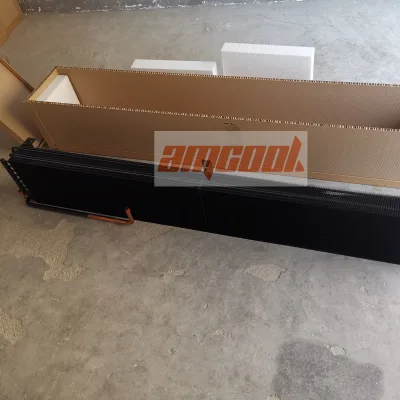
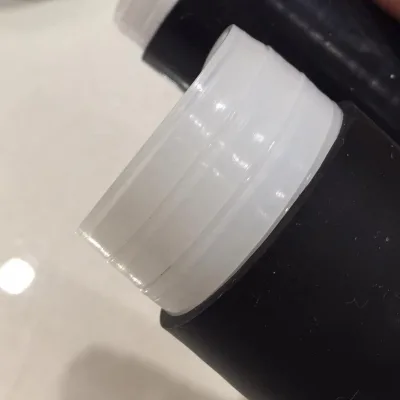
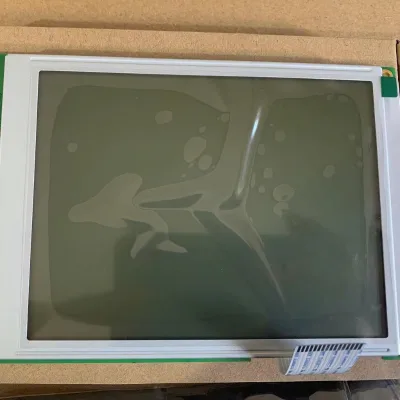
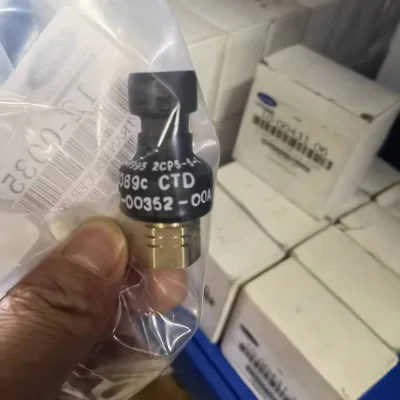
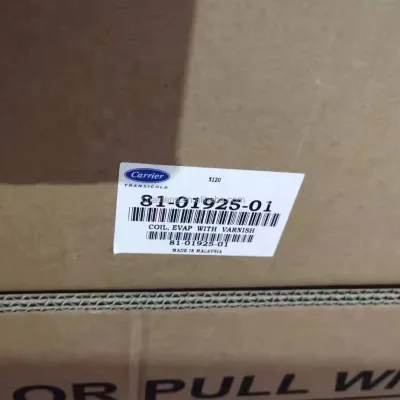
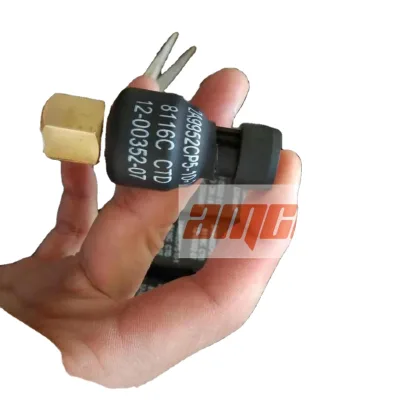
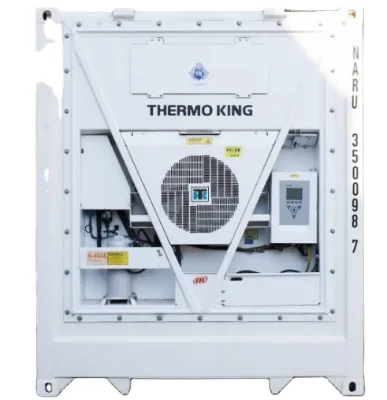
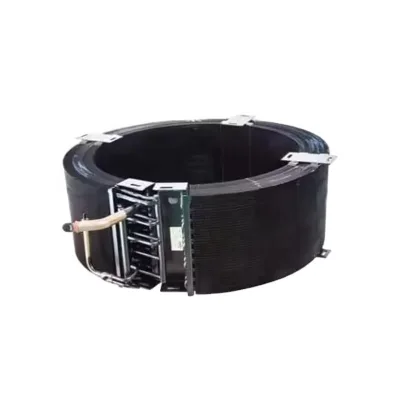
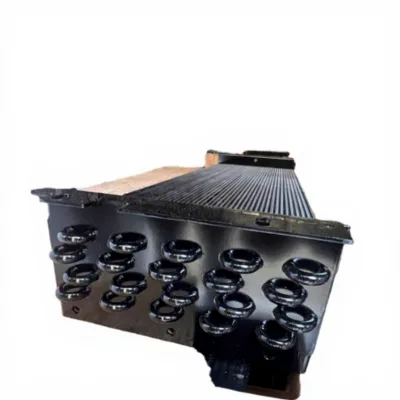
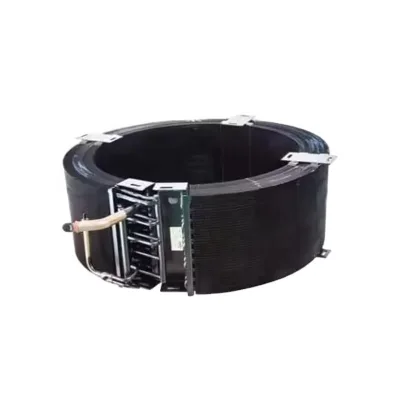
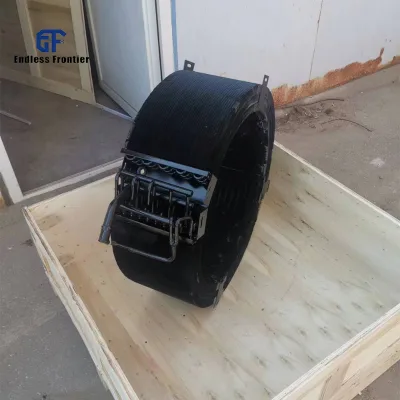
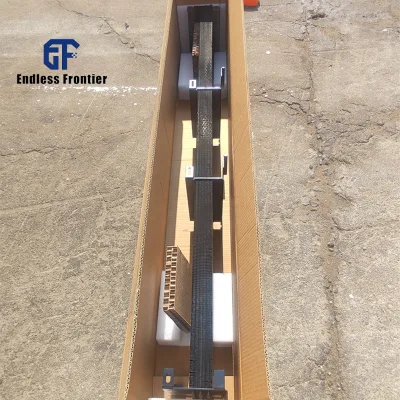


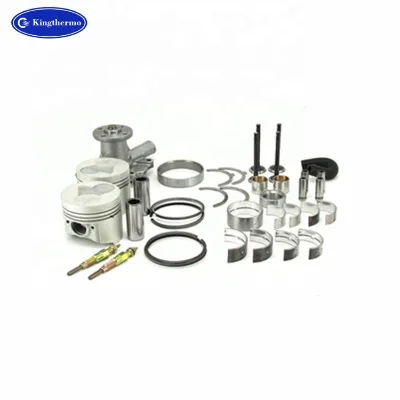
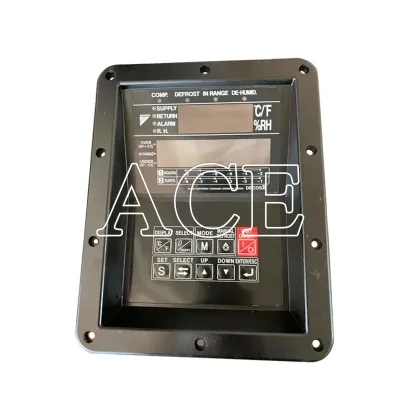
Controller Unit Condenser Compressor Parts Refrigerated Reefer Container Spare Parts
$666.9407 - $872.153
MOQ: 1 sets
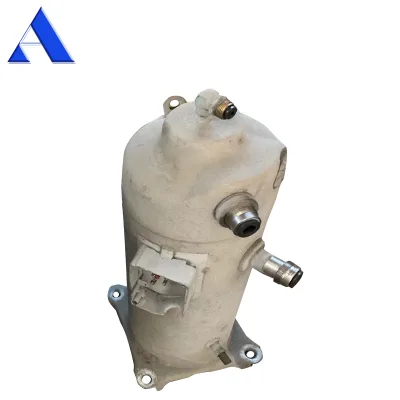
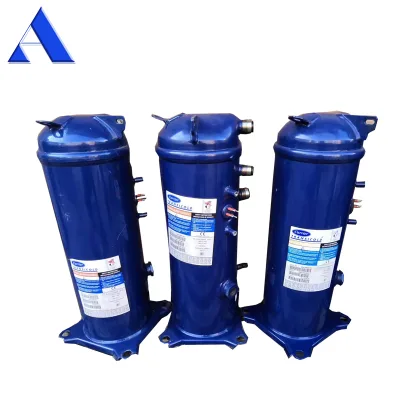
Used or NEW Reefer Container Spare Parts Refrigerator Scroll Compressor
$470.317 - $3759.4615
MOQ: 1 Minimum
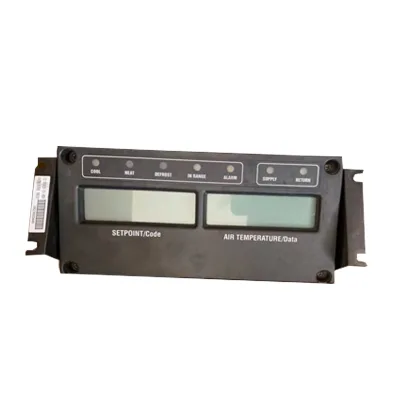
Brand NEW Reefer Carrier Refrigerator Display Spare Parts High Quality
$737.7524 - $799.232
MOQ: 1 pieces
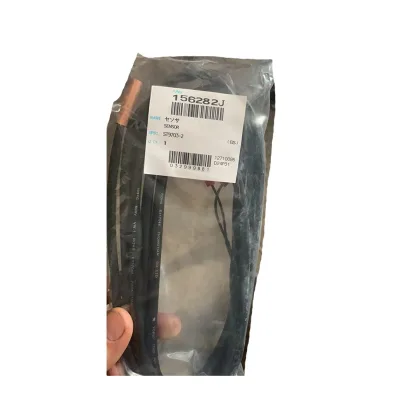
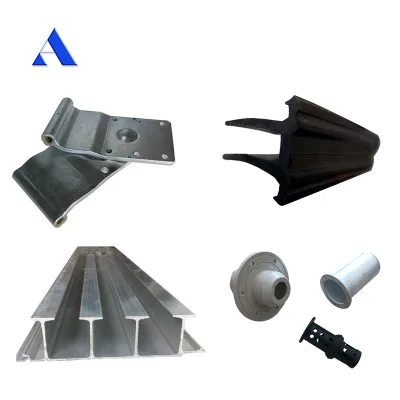


Comprehensive Sourcing Guide
R134a Reefer Container Spare Parts Sourcing Guide
Procurement professionals must first distinguish between major mechanical assemblies and auxiliary components when sourcing R134a Reefer Container Spare Parts. The available market data indicates a diverse inventory ranging from heavy-duty condensers and evaporators to specialized control panels and pressure sensors. Buyers should verify that the specific model numbers, such as 819526B or 22-50345-00, align precisely with their existing fleet requirements to ensure functional compatibility.
The supply landscape includes various product types like heat exchanger tubes and refrigeration compressors, often originating from manufacturing hubs in China. Sourcing strategies must account for the wide variance in product weight, which spans from lightweight electronic sensors to substantial units weighing up to 1000 kg. Understanding these physical distinctions is critical for calculating accurate freight costs and determining the necessary handling equipment for safe delivery to the port of dispatch.
Product Scope and Observed Listing Signals
Buyers should analyze the observed listing signals to identify the specific application context for each component, as the data highlights usage in both reefer condensers and reefer containers. The product attributes suggest that some items are designed specifically for refrigeration parts applications, while others serve as integral structural elements like T-shape aluminum floors. This distinction helps procurement teams filter listings that are merely generic refrigeration parts from those engineered for the rigorous demands of containerized transport.
The commercial listings reveal a broad spectrum of selling units, ranging from single items to bulk monthly supply capabilities of 100 pieces. It is essential to note that the observed price range is extensive, spanning from 0.4 to 20,000 USD, which reflects the difference between small consumables and major machinery. Procurement planners must align their budget constraints with the specific technical requirements of the unit, ensuring that the selected component meets the operational needs without overspending on unnecessary features.
Technical Specifications to Verify
Technical verification begins with confirming the model numbers and dimensional constraints, such as the opening door size of W2,290 x H 2,569 mm or the inner dimensions of 11,590 x 2,294 x 2,554 mm. These measurements are vital for ensuring that replacement parts fit within the physical envelope of the container without requiring structural modifications. Buyers must cross-reference these specifications against their fleet's current inventory to prevent mismatches that could lead to installation failures or operational downtime.
Electrical and thermal ratings also require strict validation, particularly for components like control panels with temperature ratings from -40 ℃ to 105 ℃ and voltage ratings of 600V. The compressor brand compatibility is another critical factor, with options including TECUMSEH, Copeland, and Bitzer, among others. Procurement teams must ensure that the selected spare parts support the specific refrigerant type, such as R-410A, and that the machinery test reports provided by the supplier confirm the unit's ability to withstand these extreme operating conditions.
Compliance and Safety Documentation
Safety and compliance documentation must be scrutinized to ensure that all supplied parts meet international manufacturing standards, specifically the ISO CSC standard observed in the product data. This certification is crucial for containerized goods, as it verifies that the structural integrity and safety features of the components adhere to global shipping regulations. Buyers should request explicit confirmation of this standard for any structural or load-bearing parts to avoid regulatory penalties during international transit.
In addition to structural standards, buyers must verify the availability of machinery test reports and certification marks like CE for electrical and mechanical components. These documents serve as proof that the product has undergone rigorous quality checks before leaving the manufacturing facility in China. Procurement officers should insist on receiving these reports prior to finalizing any purchase, as they provide the necessary evidence of performance and safety that is required for insurance and liability purposes in the logistics sector.
Cost Drivers and Commercial Terms
Cost drivers in this sector are heavily influenced by the weight of the items, which can range from 1 kg for sensors to 500 kg or more for major assemblies like condensers. The packaging details, often described as strong wooden cases, add significant volume and weight to the shipment, directly impacting freight charges. Buyers must calculate the total landed cost by factoring in these packaging requirements and the specific weight of the unit to avoid unexpected expenses that could erode the initial savings on the product price.
Commercial terms regarding supply ability and lead times are equally critical, with some suppliers offering a capacity of 100 pieces per month. The minimum order quantity (MOQ) can vary, with observed ranges starting from 1 unit, allowing for flexibility in small-scale repairs or large fleet overhauls. Procurement teams should negotiate clear delivery schedules and confirm the port of dispatch, typically Shanghai, to ensure that the supply chain remains resilient and that the parts arrive in time to minimize container downtime.
Supplier Qualification and Quality Control
Supplier qualification should focus on the availability of after-sales support mechanisms, such as video technical support and online assistance, which are listed as key service attributes. These support channels are essential for troubleshooting installation issues or diagnosing faults in complex systems like reefer control panels. Buyers should prioritize suppliers who offer robust remote support to reduce the time required to resolve technical problems and maintain the operational continuity of their refrigerated logistics network.
Quality control measures must include a review of the warranty terms, which are typically set at 1 Year for the observed products. The provision of spare parts for after-warranty service is another vital indicator of a supplier's commitment to long-term product reliability. Procurement professionals should verify that the supplier has a clear protocol for handling warranty claims and that the machinery test reports provided are current and valid, ensuring that the purchased parts meet the required performance standards.
Long-Term Procurement Checks
Long-term procurement strategies require regular checks on the availability of spare parts and the consistency of the supply chain. Buyers should monitor the supplier's ability to maintain a steady supply of critical components like compressors and heat exchanger tubes, especially given the specific model numbers and brand requirements. Establishing a relationship with suppliers who can consistently meet the monthly supply ability of 100 pieces ensures that the fleet remains operational without interruption.
Finally, buyers must assess the video outgoing-inspection availability, noting that some listings indicate this service is not available. This limitation necessitates a more rigorous pre-shipment verification process, potentially involving third-party inspection services to validate the condition of the goods before they leave the origin port. Implementing these checks helps mitigate the risk of receiving defective parts and ensures that the long-term procurement goals of reliability and cost-efficiency are met.
FAQs
What certifications are available for R134a Reefer Container Spare Parts?
CE certification is available for these spare parts. This ensures compliance with relevant safety and quality standards for refrigeration components. Buyers can verify this attribute when sourcing condenser or control panel units. The certification helps in meeting international regulatory requirements for shipping and installation.
Can I get video technical support for R134a Reefer Container Spare Parts?
Yes, video technical support is provided for these spare parts. This after-sales service helps buyers troubleshoot installation or operational issues remotely. It is particularly useful for complex components like control panels or compressors. Buyers can access this support to ensure proper maintenance and minimize downtime during usage.
What is the warranty period for R134a Reefer Container Spare Parts?
A one-year warranty is typically provided for these spare parts. This covers defects in materials and workmanship for components like condensers or evaporators. Buyers should retain proof of purchase to claim this warranty. The warranty period ensures confidence in the durability and performance of the refrigeration equipment during initial operation.
Which model numbers are available for R134a Reefer Container Spare Parts?
Available model numbers include 819526B, 22-50345-00, and 42-4184. These identifiers correspond to specific components like cold shrink tubes or pressure sensors. Buyers should match these numbers to their existing equipment for compatibility. Using the correct model number ensures proper fit and function within the reefer container system.
How are R134a Reefer Container Spare Parts packaged for shipping?
Parts are packaged in strong wooden cases to ensure safe transit. This packaging protects sensitive components like control panels or sensors from damage during international shipping. The robust design helps maintain product integrity from the origin port to the destination. Buyers can expect secure handling throughout the logistics process.
What is the supply ability for R134a Reefer Container Spare Parts?
The supply ability is 100 pieces per month for these spare parts. This capacity supports steady replenishment for maintenance needs. Buyers with larger volume requirements should plan orders accordingly. The monthly limit ensures consistent quality control and timely production of components like condensers or evaporators.