Source RC Cars for Toys, Gifts, and Collectibles
Compare 28 available RC cars from verified suppliers in China. Buyers can review specifications, prices, and customization options for electric remote control vehicles suitable for various age groups and indoor-outdoor use.
Key considerations
Products List


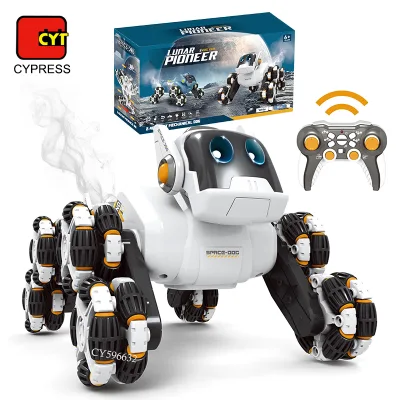


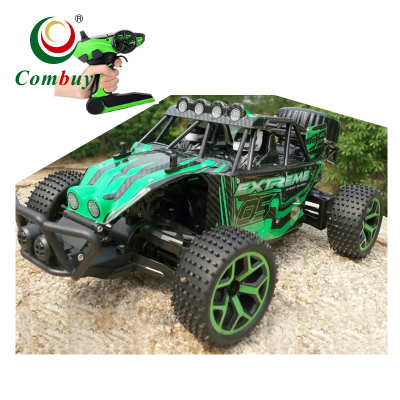


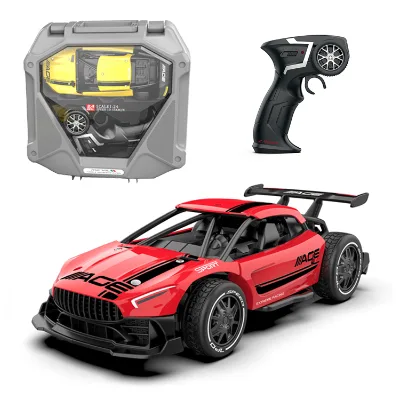
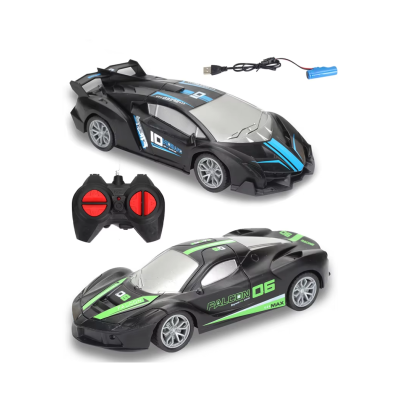
Remote Control Racing Car Featuring Gyroscope and Speedy Performance Remote Control Car
$12.99 - $14.79
MOQ: 72 Pieces


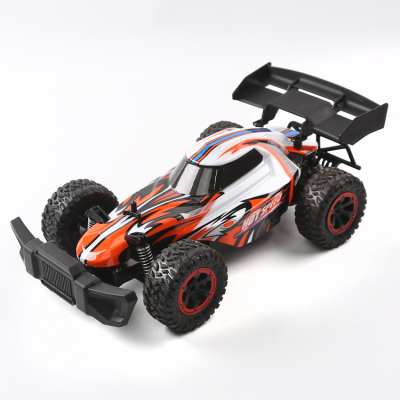

$1700.00 - $1800.00
MOQ: 1 Pieces


Comprehensive Sourcing Guide
Strategic Sourcing Guide for Remote Control Vehicles
Procuring remote control (RC) vehicles requires a disciplined approach that balances technical performance with regulatory compliance and supply chain reliability. The market for these electric-driven toys is diverse, ranging from simple models for toddlers to complex stunt cars for older enthusiasts. Buyers must navigate a landscape where product attributes vary significantly between listings. This guide outlines the critical factors for sourcing RC cars, focusing on verified specifications, material safety, and operational logistics derived from current market data.
Technical Specifications and Product Variability
When evaluating RC cars, the first step is to define the specific technical requirements based on the intended user demographic. The product data indicates a wide spectrum of age appropriateness, with models explicitly designated for children aged 3-8 years, those suitable for ages 2 to 4 years, and options extending to 14 years and up. This variation dictates the necessary complexity of the vehicle's control systems and durability.
A critical specification to verify is the power source. The observed market data confirms that the majority of these units are electric-driven, utilizing electric power sources. However, the specific power delivery mechanisms differ; some listings note the inclusion of a USB cable for charging, while others specify that the controller requires AA batteries. Buyers must ensure the power configuration aligns with the end-user's environment. For instance, a model requiring AA batteries for the controller may be more convenient for outdoor use where charging ports are unavailable, whereas USB-charged models offer a more integrated solution for indoor play.
The physical dimensions and packaging standards are equally vital for logistics planning. The observed product standards reveal a significant variance in packaging sizes. Some units are packed in cartons measuring approximately 44.51817cm, while others utilize larger cartons sized at 704961cm. Smaller, more compact models may have packing sizes as small as 13.513.56cm or 161940.5cm. These dimensions directly impact container loading efficiency and shipping costs. Additionally, the scale of the vehicle, such as a 1:24 scale model, influences the perceived size and playability. Buyers should cross-reference the model number, such as RFD308303 or RFD285243, with the specific packing dimensions to ensure accurate freight calculations.
Compliance and Certification Verification
Safety compliance is non-negotiable in the toy industry, particularly for products intended for children. The supplied data highlights specific certifications that serve as indicators of quality and safety adherence. Notably, several listings explicitly mention EN71 certification, a European standard for toy safety. Other entries reference ASTM standards, specifically ENASTM, which aligns with American safety requirements.
While general background knowledge often cites CE, RoHS, REACH, and specific ASTM F963 versions (such as F963-23 or F963), buyers must treat these as verification targets rather than guaranteed attributes unless explicitly stated in the supplier's documentation. The presence of EN71 and ENASTM in the provided facts suggests that compliant suppliers are available in the market, but the buyer's due diligence must confirm that the specific batch being ordered carries these valid certificates.
The material composition is another critical compliance factor. The data identifies Plastic and ABS (Acrylonitrile Butadiene Styrene) as the primary materials used. ABS is generally preferred for its durability and impact resistance, which is essential for RC cars that may undergo rough handling. Buyers should request material safety data sheets to ensure that the plastics used do not contain harmful substances, aligning with international chemical regulations. Furthermore, the "Almost Ready" state of assembly noted in some listings implies that the final product may require minimal user assembly, reducing the risk of injury during setup but necessitating clear instructions for the end consumer.
Cost Drivers and Pricing Dynamics
The pricing for RC cars in the current market spans a wide range, observed between 2.12 USD and 1800 USD. This disparity is not arbitrary but is driven by several distinct factors. The primary cost driver is the complexity of the remote control system. Models with advanced features, such as 5-channel control systems and remote distances of up to 25 meters, command higher prices than basic 2-channel models. The inclusion of specific features like "Stunt Car" capabilities or "Folding" styles also adds to the manufacturing cost and, consequently, the retail price.
Material quality significantly influences the price point. Units constructed with high-grade ABS plastic and robust electric motors will be priced higher than those using standard plastics. Additionally, the packaging type affects the final cost. Products shipped in "Window Box" or "Color Box" packaging often carry a premium compared to those in simple cartons, as the packaging serves as a marketing tool and provides better protection.
The Minimum Order Quantity (MOQ) is another critical variable affecting unit economics. The observed MOQ range spans from 1 to 360 units. For buyers seeking to test the market, suppliers offering an MOQ of 1 or low quantities are essential, though the unit price will likely be higher. Conversely, bulk buyers can leverage the lower end of the price spectrum by ordering larger quantities, potentially up to 360 units per order. Buyers must calculate the total landed cost, including shipping and duties, rather than focusing solely on the unit price, as the shipping cost per unit decreases with higher volume orders.
Typical Applications and Market Segmentation
Understanding the application of the Rc Car is crucial for matching the right product to the right market segment. The data indicates that these vehicles are designed for "Funny, Particular Toys, Souvenir" usage, suggesting a broad appeal that extends beyond standard play. The "Indoor-Outdoor" designation is a key selling point, allowing retailers to market these products for use in various environments. However, the specific suitability depends on the model's build quality and power source.
For younger children (ages 2-4), the focus should be on durability and safety. Models in this segment often feature simplified controls and robust construction to withstand drops and rough handling. For the 5-7 and 8-13 age groups, the demand shifts toward performance and features. These buyers are more likely to appreciate the "Remote Control Car" attributes, such as the 25-meter range and 5-channel control, which allow for more complex maneuvers. The "New Design Remote Control Car RC Stunt Car" style is particularly relevant for the older demographic (14 years and up), who seek high-performance vehicles capable of stunts and advanced driving.
The "Model Toy" style and "Folding" type suggest applications where portability is key. These models are ideal for travel or storage in limited spaces. The "Logo Print" and "Full Color" options indicate that these products are also suitable for promotional use or corporate souvenirs, where branding is a priority. Buyers should align the product style with the specific use case, ensuring that the "Style" attribute matches the intended market expectation.
Supplier Evaluation and Operational Logistics
Selecting the right supplier involves more than just price comparison; it requires a thorough evaluation of their operational capabilities. The product data identifies "Shantou" and "Guangdong, China" as key locations of origin. These regions are known for their concentration of toy manufacturing, offering a robust supply chain. However, buyers must verify the specific "Loading Port," which is listed as Shantou in the provided facts. This information is critical for freight forwarding and determining shipping routes.
The "Packing" attributes, such as "Carton," "Window Box," and "Color Box," must be confirmed with the supplier to ensure consistency. Inconsistent packaging can lead to damage during transit or issues with retail display. The "PCS/CTN" (Pieces per Carton) data, such as 18 PCS, is essential for optimizing container loading. Buyers should calculate the number of cartons required to fill a 20ft or 40ft container to maximize shipping efficiency.
Payment terms and shipment flexibility are also vital. The data mentions "Tt" (Telegraphic Transfer) as a payment term and "Partial Shipment: Allowed." This flexibility can be advantageous for buyers managing cash flow or dealing with urgent restocking needs. However, buyers must clarify the exact terms of the TT payment, including deposit percentages and balance due dates. Additionally, the "Customization" availability noted in the data suggests that suppliers may offer options for branding or design modifications. Buyers interested in private labeling should confirm the feasibility and cost implications of these customizations early in the negotiation process.
Quality Control and Long-Term Procurement
Implementing a robust quality control (QC) strategy is essential to mitigate risks associated with remote control vehicles. Given the electronic nature of the products, functional testing is paramount. Buyers should insist on pre-shipment inspections that verify the "Remote Distance," "Control Channels," and "Power Source" functionality. For example, confirming that the remote control operates effectively at the claimed 25-meter range is a critical QC checkpoint.
The "State of Assembly" being "Almost Ready" implies that some final assembly steps may be required. QC protocols should include a check to ensure that all necessary components, such as the "USB Cable" or "Controller Battery" (if applicable), are included in the package. The "Package Includes" list must be strictly adhered to, as missing components can lead to customer dissatisfaction and returns.
For long-term procurement, building a relationship with suppliers who offer "Customized" options can provide a competitive advantage. As the market evolves, the ability to adapt product features, such as changing the "Style" or "Color" to "As Picture Shown," allows buyers to respond quickly to trends. However, buyers must maintain a clear record of the "prod_model" numbers for each batch to ensure consistency in future orders. Regular audits of the supplier's production lines and certification status (e.g., EN71, ENASTM) will help maintain product integrity over time.
Summary of Key Procurement Considerations
The table below summarizes the critical attributes buyers should verify when sourcing RC cars, based on the observed market data.
| Attribute Category | Key Verification Points | Observed Data Range/Examples |
|---|---|---|
| Target Audience | Age appropriateness and safety features | 2-4 Years, 3-8 Years, 14+ Years |
| Technical Specs | Power source, control range, and channels | Electric-driven, 25m Range, 5 Channels |
| Materials | Durability and safety of construction | Plastic, ABS |
| Packaging | Dimensions and unit count per carton | 13.513.56cm to 704961cm; 18 PCS/CTN |
| Compliance | Valid safety certifications | EN71, ENASTM |
| Logistics | Origin, loading port, and shipment terms | Shantou, Guangdong; Partial Shipment Allowed |
| Customization | Branding and design flexibility | Logo Print, Full Color, Customized Available |
By systematically addressing these areas, buyers can navigate the complexities of the Rc Car market, ensuring they secure high-quality products that meet safety standards and operational requirements. The diversity of the market offers opportunities for various business models, from small-scale retail to large-scale distribution, provided that the sourcing strategy is grounded in verified facts and rigorous due diligence.
FAQs
What certifications are available for these Rc Car toys?
Some listings explicitly mention EN71 and ENASTM certifications for safety compliance. Buyers should verify that specific batches carry these valid certificates rather than assuming general standards like CE or RoHS apply to every unit.
Which materials are commonly used in Rc Car construction?
The primary materials identified are Plastic and ABS. ABS is preferred for its durability and impact resistance, which is essential for vehicles that may undergo rough handling during play by children.
How do packaging dimensions affect shipping costs?
Packaging sizes vary significantly, ranging from 13.5*13.5*6cm to 70*49*61cm. These dimensions directly impact container loading efficiency, so buyers must cross-reference model numbers with specific packing sizes for accurate freight calculations.
Can I customize the Rc Car with my own logo?
Customization is available, with options for full color logo prints and silk printing. Buyers interested in private labeling should confirm the feasibility and cost implications of these modifications early in the negotiation process.
What is the price range for sourcing rc cars?
The observed price range spans from 2.12 USD to 1800 USD. This disparity is driven by factors such as control system complexity, material quality, and packaging type, with bulk orders potentially lowering the unit price.
Which age groups are suitable for these Rc Car models?
Models are available for various age groups, including 2 to 4 years, 3 to 8 years, and 14 years and up. The complexity and safety features must align with the specific demographic to ensure appropriate playability.