Source RC Aircraft Engine for Drones, Model Planes, and UAVs
Compare 30 listings for RC Aircraft Engine options including 70cc and 130cc models. Evaluate specifications like air-cooled cylinders, four-stroke designs, and hybrid power sources to find suitable components for drones and model aircraft applications; compare the available evidence and request quotations based on your requirements.
Key considerations
Products List
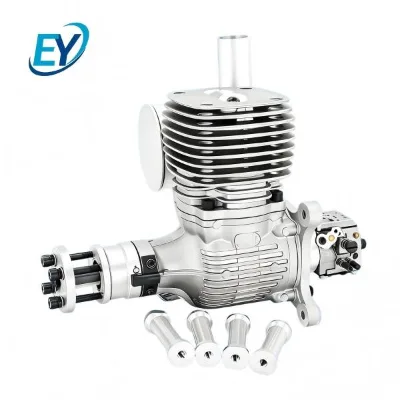
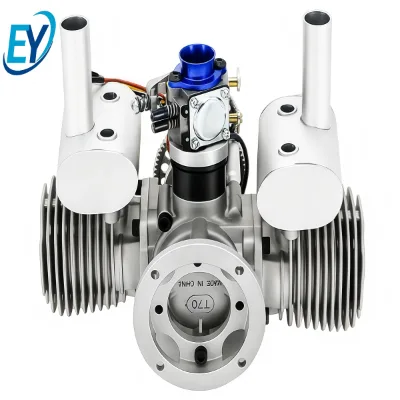
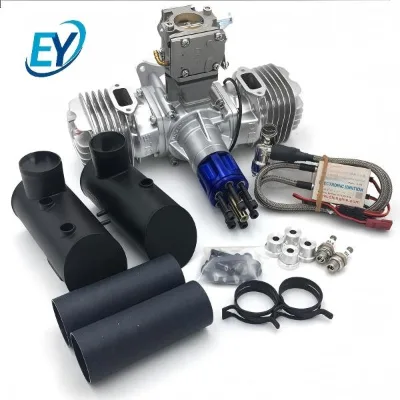


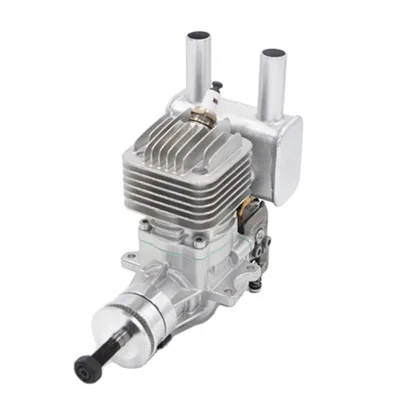
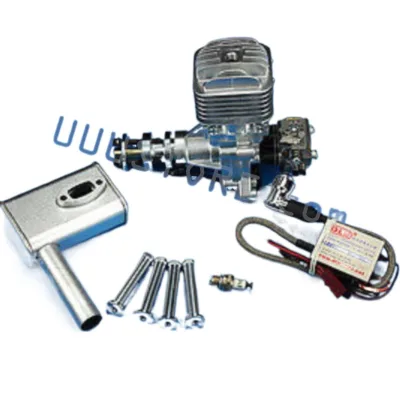
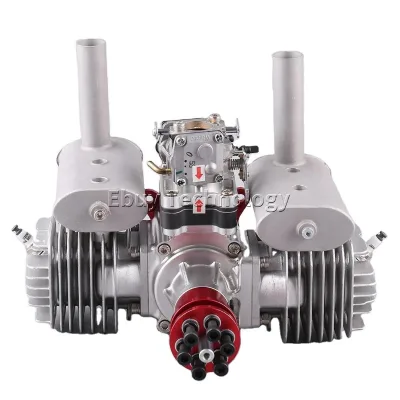

Advanced High-Altitude Turbine Engine for RC Model Aircraft Efficiency
$1400.00 - $1926.00
MOQ: 100 Sets

Precision Engine Design for High-Performance RC Model Aircraft Engines
$11704.09 - $14449.50
MOQ: 100 Sets

High-Altitude Turbine Engine for Enhanced RC Model Aircraft Performance
$38413.44 - $47424.00
MOQ: 100 Sets

Lightweight Jet Engine for High-Altitude RC Model Aircraft Enthusiasts
$1400.00 - $1926.00
MOQ: 100 Sets

High-Efficiency Jet Engine for RC Model Aircraft with Lightweight Design
$26409.24 - $32604.00
MOQ: 100 Sets


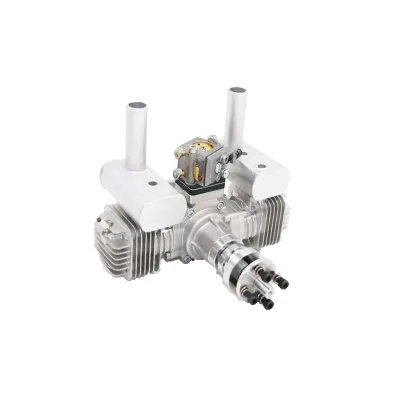
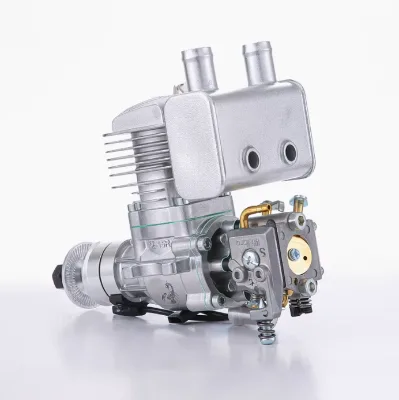
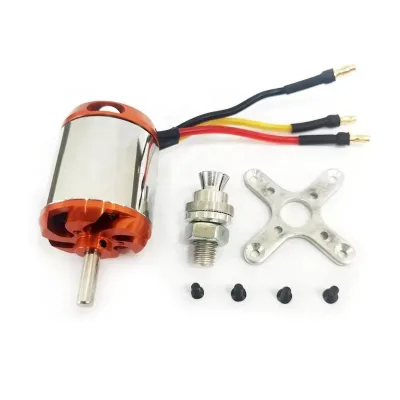
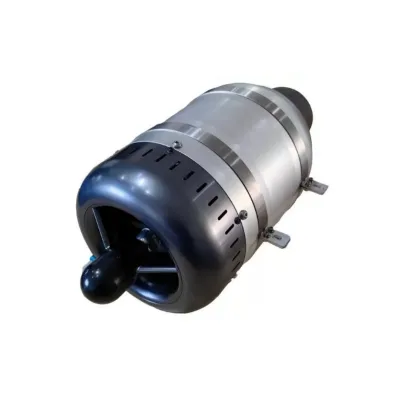
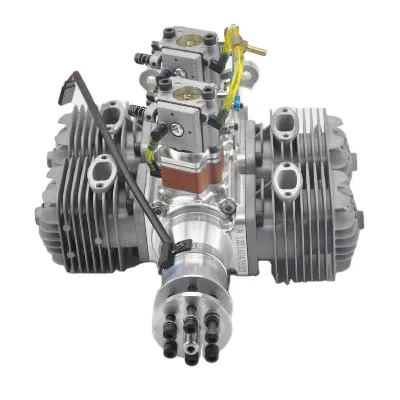
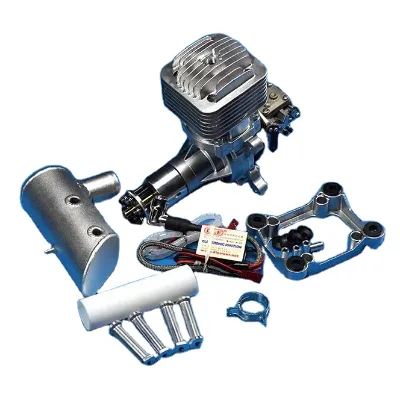
RC Jet Engine MT40A AMT Titan 40kg Turbojet Engine for RC Airplane Parts
$6006.98 - $6832.05
MOQ: 1 pieces


Comprehensive Sourcing Guide
RC Aircraft Engine Sourcing Guide
The global market for RC aircraft engines presents a diverse array of options ranging from small-scale electric-hybrid units to high-performance combustion models. Buyers must navigate a landscape where product attributes vary significantly, with observed listings indicating a primary focus on gasoline-powered engines designed for multi-purpose applications. The supply chain is heavily concentrated in China, where manufacturers offer customization options to meet specific client requirements for color, volume, and performance metrics.
Procurement decisions should prioritize the alignment of engine specifications with intended operational environments, as observed data suggests a wide variance in power output and cylinder configurations. While some listings highlight lightweight aluminum alloy construction suitable for drones, others emphasize high-speed combustion capabilities with double-cylinder arrangements. Buyers need to carefully distinguish between these distinct product categories to ensure the selected engine matches the specific aerodynamic and power demands of their aircraft projects.
Product Scope and Observed Listing Signals
Current market listings reveal a broad spectrum of engine types, including models explicitly labeled as safety equipment alongside those designated as multi-function tools. The observed product range includes engines with power sources described as hybrid, yet many listings focus heavily on gasoline combustion with specific cylinder counts ranging from single to double configurations. This inconsistency in categorization requires buyers to scrutinize the detailed technical attributes rather than relying solely on the primary product title or broad application tags.
Buyers should also note the significant variation in observed power ratings, which span from 120W to 2000W across different listings, indicating that a single search term may yield incompatible products. The presence of specific model numbers like SDZT-350 alongside generic descriptions suggests that some suppliers offer standardized units while others provide bespoke solutions. Understanding these listing signals is critical for filtering out irrelevant inventory and identifying suppliers who can deliver the precise engine architecture required for the intended RC application.
Technical Specifications to Verify
Verification of cylinder arrangement and stroke count is paramount, as the market contains both two-stroke and four-stroke engines with varying cylinder layouts such as H-arrangement or standard single-cylinder designs. Buyers must confirm the exact displacement, with observed data showing exhaust amounts ranging from 351cc to 500cc, and ensure the cooling method, typically air-cooled, matches the thermal management needs of the specific aircraft. The piston movement type, generally reciprocating, must be cross-referenced with the intake pressure impulse, which is often naturally aspirated, to guarantee efficient fuel-air mixture delivery.
Power output and ignition systems require equally rigorous validation, as observed listings cite idle speeds from 1500 to 2000 RPM and generated power figures that vary widely depending on the engine class. The ignition voltage range of 6V to 14.4V and the specific lubrication ratios, observed as 25:1 or 30:1, are critical parameters that affect engine longevity and operational stability. Buyers should also verify the recommended propeller sizes and operating temperature ranges, typically -20 to 50 degrees Celsius, to ensure the engine can withstand the environmental conditions of the intended flight operations.
Compliance and Safety Documentation
While specific certification statuses are not universally declared in the provided data, buyers must request documentation confirming that the engine meets relevant safety standards for combustion and electrical systems. The presence of electric ignition systems necessitates verification of voltage compatibility and insulation standards to prevent electrical failures during operation. Suppliers should provide clear safety data regarding fuel handling, particularly for gasoline engines, and demonstrate compliance with international shipping regulations for hazardous materials if applicable.
Documentation regarding the engine's operating temperature limits and exhaust emissions is essential for ensuring safe integration into the RC aircraft. Buyers should verify that the manufacturer provides clear instructions on oil consumption rates and maintenance schedules, as these factors directly impact the safety and reliability of the power unit. Additionally, any claims regarding the engine's suitability for specific applications, such as drones or multi-function tools, must be supported by technical evidence or performance test results to mitigate the risk of equipment failure.
Cost Drivers and Commercial Terms
The commercial landscape for RC aircraft engines is characterized by a wide price range, with observed listings spanning from $5 to over $47,000, reflecting the vast difference between small hobbyist units and high-performance industrial-grade engines. The minimum order quantity (MOQ) is frequently listed as low as one unit, offering flexibility for small-scale buyers, though bulk orders may unlock different pricing tiers. Buyers must analyze the total cost of ownership, including the price of the engine, shipping costs, and the potential need for specialized packaging like wooden boxes, which can significantly impact the final landed cost.
Customization options, such as specific color requirements or tailored power outputs, often introduce additional costs and may affect the lead time for delivery. The observed single gross weight of 0.0 kg in some listings suggests that weight data may be inconsistent or that specific components are excluded from the base weight calculation. Buyers should clarify whether the quoted price includes all necessary accessories, such as ignition systems or propellers, and negotiate terms that account for the variability in power ratings and cylinder configurations to avoid unexpected expenses.
Supplier Qualification and Quality Control
Supplier qualification should focus on verifying the consistency of product attributes, as observed data shows conflicting information regarding cylinder counts and power ratings for similar product names. Buyers must assess the supplier's ability to maintain quality control across different engine types, ensuring that the aluminum alloy construction and cooling systems meet the specified performance standards. The availability of customization services indicates a level of manufacturing flexibility, but buyers should request samples or detailed quality assurance reports to validate the consistency of these custom features.
Quality control processes should include rigorous testing of the engine's performance under various operating conditions, including the specified idle speeds and power outputs. Buyers should verify that the supplier has established protocols for checking the lubrication ratios and ignition voltage stability, as these are critical factors in engine reliability. Additionally, the supplier's track record in handling complex specifications, such as the H-cylinder arrangement or specific exhaust amounts, should be evaluated to ensure they can deliver products that meet the precise technical requirements of the buyer.
Long-Term Procurement Checks
Establishing a long-term procurement strategy requires ongoing monitoring of supplier performance and product consistency over time. Buyers should implement a system to track the reliability of engines delivered, paying close attention to any recurring issues with ignition systems, fuel consumption, or cooling efficiency. Regular audits of the supplier's manufacturing processes and quality control measures will help ensure that the engines continue to meet the specified standards and performance expectations throughout the procurement lifecycle.
Future procurement decisions should be informed by the evolving market trends and technological advancements in RC aircraft engines. Buyers must remain vigilant regarding changes in fuel efficiency standards, emission regulations, and the introduction of new power sources such as hybrid systems. By maintaining a proactive approach to supplier management and continuously updating technical requirements, buyers can ensure a steady supply of high-quality engines that support the long-term success of their RC aircraft projects.
FAQs
What fuel does the RC Aircraft Engine use and how is it lubricated?
The listed rc aircraft engines run on gasoline with a mixed lubrication ratio of either 25:1 or 30:1 depending on the model. Mix two-stroke oil into the gasoline at the stated ratio before filling the tank, and confirm the ratio specified for your exact model to protect pistons and bearings.
Which cooling method do these rc aircraft engines use?
These engines use an air-cooled cylinder design, so cooling depends on airflow generated during flight or testing. Ensure the cylinder head and fins are never covered, mount the engine so air can flow freely over the cooling fins, and avoid prolonged static runs at full throttle without proper airflow.
Can the RC Aircraft Engine be customized for specific requirements?
Yes, customization is available for these engines. Buyers can request adjustments such as color, which is offered per customer requirements, and other specifications subject to the manufacturer's confirmation. Contact the supplier with your technical requirements, expected order quantity, and application details before placing an order to confirm feasibility and terms.
What ignition setup does the RC Aircraft Engine require?
The engines use electric ignition with an ignition voltage range of 6V to 14.4V. You will need a suitable onboard battery or ignition power supply within that range, correctly wired to the ignition module. Verify voltage polarity and secure connections before starting, and follow the supplier's wiring guidance for your specific model.
What operating conditions can the RC Aircraft Engine handle?
The stated operating temperature range is -20 to 50 degrees Celsius, which covers most typical flying conditions. In cold weather, allow the engine to warm up at idle before applying full throttle, and in high temperatures ensure adequate airflow over the air-cooled cylinder to prevent overheating during extended operation.
How much does the RC Aircraft Engine weigh and what propeller is recommended?
The listed model weighs 9850 grams, and the recommended propeller sizes are 30X12 or 32X10. Propeller choice affects thrust and engine loading, so match the propeller to your aircraft's weight and flight style. Always balance propellers before use and inspect them for damage prior to each flight session.
What is the minimum order quantity for the RC Aircraft Engine?
The minimum order quantity is 1 unit, so buyers can order a single engine for evaluation or replacement before committing to volume purchases. Selling units are single items, and larger quantities may be negotiable with the supplier. Confirm unit pricing, packaging, and shipping costs for your intended order size before purchasing.
Can these rc aircraft engines be used in drones and other applications?
Yes, the stated usage includes drones, and the product is described as a multi-purpose model aircraft gasoline engine. Suitability depends on matching engine power, weight, and mounting requirements to your airframe. Verify thrust requirements, vibration isolation, and fuel system placement with your aircraft design before installation and first flight.