Source Real-Time Translation Smart Anti-Blue Glasses for Travel, Work, and Study
Find 30 real-time translation smart anti-blue glasses with features like Bluetooth, WiFi, and OLED displays. Buyers can compare models with varying battery capacities, frame materials, and usage scenarios for detection or communication needs.
Key considerations
Products List


Ai Smart Glasses with Language Translator Real Time Language Translation Glasses with Camera 1080P
$39.00 - $41.00
MOQ: 100 Pieces


Bluetooth Smart Glasses Wireless Audio 800W Camera Ai Translation Smart Glasses
$40.00 - $48.00
MOQ: 20 Pieces


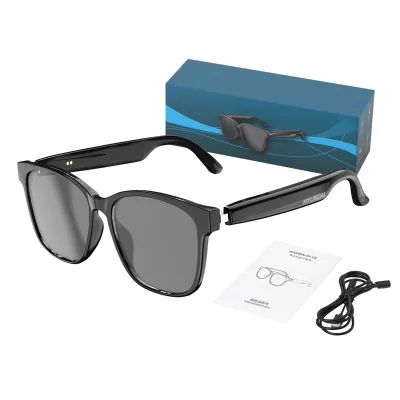


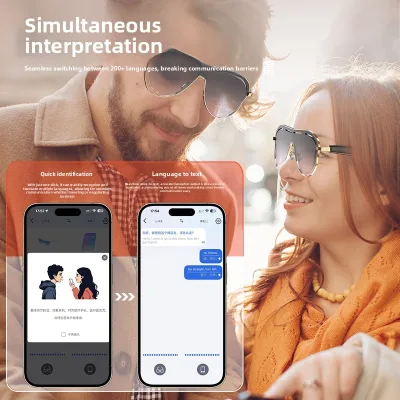
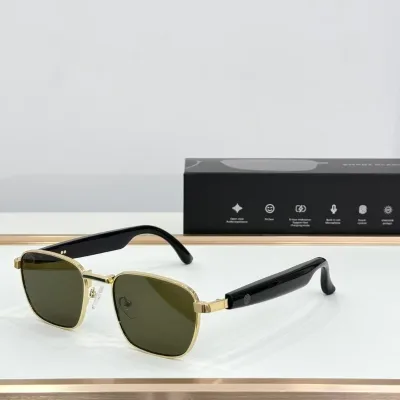
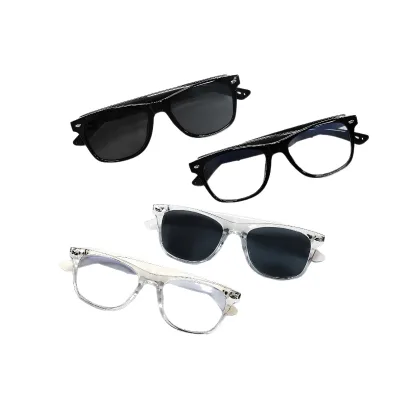
Comprehensive Sourcing Guide
Strategic Sourcing Guide for Real-Time Translation Smart Anti-Blue Glasses
The global market for wearable technology has expanded rapidly, with real-time translation smart anti-blue glasses emerging as a critical segment for professionals, travelers, and students. These devices combine optical health protection with advanced connectivity, offering a unique value proposition in the B2B procurement landscape. For buyers navigating this space, the primary challenge lies in distinguishing between generic smart eyewear and devices capable of genuine real-time translation while maintaining optical safety. This guide provides a structured approach to sourcing these products, grounded in observed market data and technical realities.
Technical Architecture and Display Specifications
The core functionality of real-time translation smart glasses relies heavily on the integration of high-fidelity displays and robust connectivity modules. When evaluating potential suppliers, buyers must scrutinize the display technology first. The market currently features a divergence between OLED and AMOLED technologies, both of which offer superior contrast ratios compared to traditional LCDs. Observed product attributes indicate that successful units in this category often utilize OLED or AMOLED panels to ensure readability in various lighting conditions without compromising battery life.
Connectivity is the second pillar of technical performance. For real-time translation to function effectively, the device must maintain a stable link with external processing units or smartphones. The observed feature set for high-performing models includes Bluetooth, WiFi, and 3G capabilities. This multi-modal connectivity ensures that translation data can be transmitted with minimal latency, a critical factor for conversational applications. Furthermore, the inclusion of 3G support suggests that some units may operate independently of a paired smartphone, offering greater flexibility in remote or travel scenarios.
Battery performance is another technical constraint that procurement teams must address. The observed data highlights a wide variance in operational endurance. Some units report an audio work time of up to 7 hours, which is sufficient for a full workday of meetings. However, video work time is significantly shorter, often limited to 1 hour, likely due to the high power consumption of the display and processing units required for visual translation overlays. Buyers should verify the specific charge time, with 60 minutes being a common benchmark for a full recharge cycle. Additionally, the battery capacity typically falls within the 200-500mAh range, necessitating a careful balance between device weight and operational duration.
Optical Health and Frame Engineering
The "anti-blue" designation in this product category refers to the glasses' ability to filter harmful blue light, a feature essential for users who spend extended periods looking at digital screens or wearing the glasses for long durations. While the specific filtration percentages are not universally standardized in the provided data, the frame construction plays a vital role in user comfort and optical alignment.
Material selection is a primary determinant of the final product's weight and durability. The observed market includes frames constructed from silicone, plastic, and acetate. Acetate frames are often preferred for their premium feel and ability to be molded into complex shapes, such as the rectangular or full-frame styles observed in the data. Conversely, silicone and plastic options may offer enhanced durability and flexibility, which is beneficial for sport-oriented applications. The metallic materials used in some frames are noted as precious metals, suggesting a high-end segment where aesthetics and weight distribution are paramount.
Ergonomics are critical for wearability. The frame width is observed at 151mm, and temple lengths are around 139mm, dimensions that must align with the target demographic's facial structure. The nose support is frequently non-integrated, requiring careful adjustment to ensure the display aligns correctly with the user's line of sight. For users with square faces, specific frame shapes and styles are recommended to ensure a comfortable fit. The "Glasses Style" is often categorized as "Fashion" or "General," indicating that the design must appeal to a broad audience while maintaining a professional appearance.
Compliance, Certification, and Safety Standards
Navigating the regulatory landscape is a non-negotiable aspect of sourcing smart glasses. The market data indicates that compliant products must adhere to specific international standards. One observed standard is the FDA, CE, and ISO EN 14889: 2003 Standards. The ISO EN 14889: 2003 standard is particularly relevant as it pertains to the safety of optical instruments, ensuring that the lenses and frames meet rigorous safety requirements for impact resistance and optical clarity.
Water resistance is another critical compliance factor. The observed waterproof standard is IPX-4, which protects against water splashes from any direction. This rating is essential for devices intended for general use or sport applications, where exposure to sweat or light rain is possible. Buyers must verify that the supplier provides test reports confirming this IP rating, as marketing claims alone are insufficient for B2B procurement.
Additionally, the product standard mentions a weight of 80g, which serves as a benchmark for comfort. Exceeding this weight significantly can lead to user fatigue, rendering the translation features useless due to discomfort. The packaging standards also play a role in compliance, with options ranging from colored boxes to paper boxes and safe shipping packages. These packaging choices must protect the delicate electronics and optical components during transit, ensuring the product arrives in pristine condition.
Cost Drivers and Pricing Dynamics
The pricing of real-time translation smart glasses is influenced by a complex interplay of factors, including display technology, connectivity modules, and battery capacity. The observed price range in the market spans from $8.5 to $349, a significant variance that reflects differences in feature sets and build quality. The lower end of the spectrum likely represents basic smart glasses with limited connectivity or simplified translation capabilities, while the higher end includes models with advanced features like 3G, AMOLED displays, and premium materials.
Minimum Order Quantity (MOQ) is another critical cost driver. The observed MOQ range is 1 to 100 units, offering flexibility for both small startups and large enterprises. Suppliers that accept small orders may charge a premium per unit, whereas bulk purchases often unlock significant cost reductions. The availability of customization, such as branding and specific frame colors, can also impact the final price. Buyers should negotiate based on volume and the extent of customization required.
Battery capacity and charging time are additional cost factors. Models with larger batteries and faster charging times, such as the 60-minute charge time observed, may command a higher price due to the advanced power management systems required. Similarly, the inclusion of features like anti-shake support and touch screens adds to the manufacturing complexity and cost.
Typical Applications and Usage Scenarios
The versatility of real-time translation smart glasses allows them to serve a wide range of applications. The observed usage categories include detection, communication, and sports. In a corporate setting, these glasses can facilitate real-time communication and translation during international meetings, breaking down language barriers without the need for handheld devices. The "Communication" usage tag highlights their suitability for conference calls and remote collaboration.
For the sports and fitness market, the "For Sport" usage tag indicates that these devices are designed to withstand physical activity. The water-resistant and anti-shake features are particularly valuable here, ensuring that the device remains functional during intense workouts. The "Detection" usage suggests potential applications in safety monitoring or environmental sensing, where the glasses can alert the user to hazards in real-time.
The "General" suitability tag implies that these devices are also appropriate for everyday use, such as navigation, information retrieval, and entertainment. The "Square Face" suitability and "Fashion" style indicate that the design is intended to be inclusive and aesthetically pleasing, making them suitable for a broad consumer base.
Supplier Evaluation and Quality Control
Selecting the right supplier requires a rigorous evaluation process. Buyers should prioritize suppliers who can demonstrate compliance with the observed standards, such as ISO EN 14889: 2003 and IPX-4. It is essential to request documentation verifying these claims, as marketing materials alone are not sufficient. The origin of the products, often listed as China or Shenzhen, should be considered in the context of the supplier's track record and quality control processes.
Quality control should focus on the consistency of the display, battery life, and connectivity. Buyers should test samples to ensure that the OLED or AMOLED displays are free from dead pixels and that the Bluetooth and WiFi connections are stable. The battery work time should be verified under real-world conditions, as manufacturer claims can sometimes be optimistic. Additionally, the build quality of the frame, including the acetate or silicone materials, should be inspected for durability and comfort.
The "Customization" attribute is a key differentiator for suppliers. Buyers should evaluate the supplier's ability to provide tailored solutions, such as specific branding, frame colors, or functional modifications. The "Small Orders: Accepted" tag suggests that some suppliers are flexible, which can be beneficial for testing the market before committing to large volumes.
Long-Term Procurement Considerations
Sourcing real-time translation smart glasses is not just a one-time transaction but a long-term partnership. Buyers should consider the supplier's ability to provide ongoing support, including firmware updates and technical assistance. The rapid evolution of translation technology means that devices may require software updates to remain relevant. Suppliers who offer a roadmap for future updates can add significant value to the procurement strategy.
Supply chain resilience is another critical factor. With the observed origin in China and Shenzhen, buyers should assess the supplier's ability to manage logistics and mitigate risks associated with geopolitical tensions or supply chain disruptions. The "Safe Shipping Package" attribute indicates a commitment to product protection, but buyers should also inquire about the supplier's contingency plans for delays.
Finally, the environmental impact of the product should be considered. The use of materials like silicone, plastic, and acetate, along with the battery capacity, has implications for sustainability. Buyers should look for suppliers who are committed to responsible manufacturing practices and who can provide information on the recyclability of the components. By focusing on these long-term considerations, buyers can ensure a sustainable and successful procurement strategy for real-time translation smart anti-blue glasses.
FAQs
What display technologies are available for these glasses?
Available display technologies include OLED and AMOLED panels. These options provide superior contrast and readability in various lighting conditions compared to traditional LCDs, ensuring clear visual overlays for translation tasks.
How long does the battery last during audio and video use?
Audio work time can reach up to 7 hours on a single charge. However, video work time is significantly shorter, typically limited to 1 hour due to the high power consumption of the display and processing units.
Which connectivity options support real-time translation functionality?
High-performing models feature Bluetooth, WiFi, and 3G capabilities. This multi-modal connectivity ensures stable data transmission with minimal latency, allowing the device to operate independently or link with smartphones for translation services.
What certifications and safety standards do compliant products meet?
Compliant products adhere to FDA, CE, and ISO EN 14889: 2003 standards. These certifications ensure the optical instruments meet rigorous safety requirements for impact resistance and optical clarity while protecting user vision.
Can buyers customize the product with their own branding?
Customization is available for branding and specific frame attributes. Buyers can request tailored solutions such as specific frame colors or logo placement, though this may influence the minimum order quantity and unit pricing.
What is the typical weight and frame material composition?
The product standard indicates a weight of approximately 80 grams. Frames are constructed from materials like silicone, plastic, acetate, or precious metals, balancing durability with comfort for extended wear during daily activities.