Source Real Touch Artificial Palm Tree for Home, Garden, and Hotel
Find and compare 30 Real Touch Artificial Palm Tree options from China. Evaluate specifications like height, weight, and packaging to select the best fit for indoor or outdoor decoration projects.
Key considerations
Products List


Artificial Palm Tree Factories Wholesale Artificial Coconut Palm Trees
$105.00 - $429.00
MOQ: 2 Meters


Artificial Plant Fake Palm Trees Simulation Coconut Tree Large Artificial Tree
$90.00 - $200.00
MOQ: 2 Meters


Artificial Palm Tree High Simulation Outdoor Decoration Artificial Plants
$90.00 - $120.00
MOQ: 2 Meters
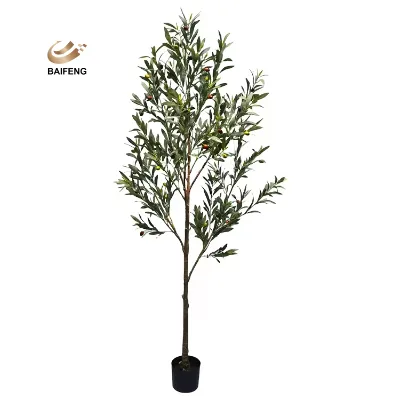


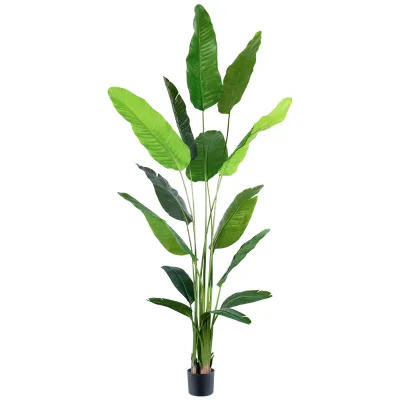
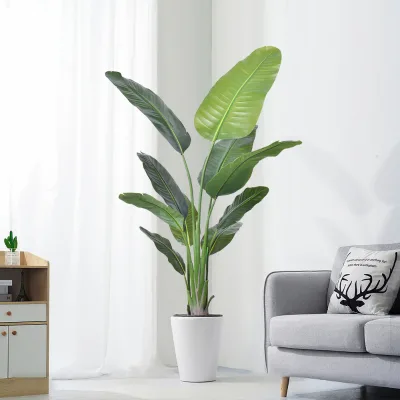


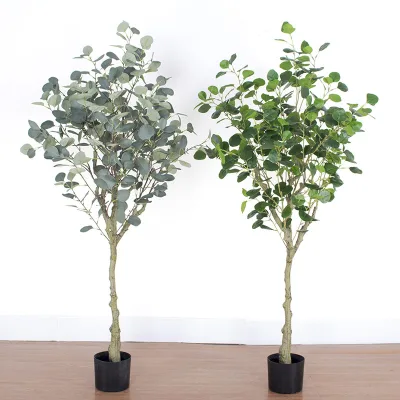


$835.16 - $1442.30
MOQ: 3 Meters
Comprehensive Sourcing Guide
Real Touch Artificial Palm Tree Sourcing Guide
Procuring real touch artificial palm trees requires a nuanced understanding of material science, manufacturing processes, and commercial terms that differ significantly from standard plastic foliage. These products are designed to mimic the tactile and visual properties of live plants, offering a premium aesthetic for interior and exterior design projects. Buyers must navigate a landscape where "real touch" is a marketing term that varies in execution, necessitating rigorous verification of material composition and finish quality. The following guide provides evidence-based procurement strategies to ensure that the selected artificial palms meet specific project requirements for durability, appearance, and safety.
The core of this sourcing challenge lies in distinguishing between high-fidelity silicone or latex-coated leaves and lower-grade polyethylene alternatives. While the latter may offer cost savings, they often lack the soft, flexible texture that defines the "real touch" category. Buyers should prioritize suppliers who disclose their leaf construction methods, such as advanced silk-screen cloth combined with polyethylene layers, as this indicates a more sophisticated approach to replicating natural leaf veins and flexibility. Understanding these material distinctions is critical for making informed decisions that align with the intended environment, whether it be a high-traffic hotel lobby or a private residential garden.
Product Scope and Observed Listing Signals
The current market for artificial palm trees exhibits a wide range of product specifications, with observed prices spanning from approximately $4.80 to over $1,400 USD. This variance reflects differences in height, leaf density, base construction, and the complexity of the "real touch" finish. Listings frequently highlight customization options, allowing buyers to tailor the height, leaf spread, and trunk texture to specific design needs. However, the presence of customization does not guarantee uniform quality; buyers must verify that the customization process does not compromise the structural integrity or the tactile consistency of the foliage.
Observed minimum order quantities (MOQs) range from single pieces to two meters, indicating flexibility for both sample procurement and bulk orders. Packaging methods vary, with some suppliers using bubble bags with iron frames for smaller units and bubble wrap with wood frames or cartons for larger, more fragile installations. The origin of these products is predominantly China, with Guangdong province being a notable manufacturing hub. Buyers should note that lead times can vary significantly, ranging from five to twenty days, depending on the complexity of the order and the supplier’s current production capacity.
Technical Specifications to Verify
When evaluating technical specifications, the material composition of the leaves is the most critical factor. High-quality real touch palms often utilize advanced silk-screen cloth combined with polyethylene to create a realistic leaf structure. Buyers should request detailed material breakdowns to ensure that the leaves are not merely coated with a thin layer of plastic but are constructed with materials that provide genuine flexibility and durability. The weight of the product is also an important indicator of quality, with observed weights ranging from 15 kg per meter to 25 kg per tree, suggesting a substantial use of materials that contribute to a realistic drape and stability.
Height and model specifications are another area requiring careful verification. Products are available in standard heights such as 2 meters, 5 meters, and customizable ranges between 3 to 6 meters. Model numbers like APTT-7, APTT-12, and ACT-10 are commonly used, but these identifiers do not guarantee specific quality levels. Buyers should cross-reference these model numbers with detailed product images and specifications to ensure that the leaf density, trunk texture, and overall proportions meet their design requirements. Additionally, the style of the palm, whether it is a Washington palm or a generic palm variety, should be confirmed to ensure it aligns with the intended aesthetic.
Compliance and Safety Documentation
Safety documentation is paramount, especially for indoor installations in public spaces such as hotels, supermarkets, and airports. Buyers must verify the fire resistance properties of the artificial palms, as some products are explicitly labeled as non-fire retardant. This distinction is critical for compliance with local building codes and safety regulations. Suppliers should provide test reports or certifications confirming that the materials meet specific flammability standards, such as ASTM E84 or EN 13501-1, depending on the target market. Without this documentation, the risk of non-compliance and potential safety hazards increases significantly.
In addition to fire safety, buyers should inquire about the environmental impact of the materials used. Some suppliers offer sustainable material packaging, which is a positive indicator of environmental responsibility. However, the core material of the leaves and trunk should also be evaluated for toxicity and durability. Buyers should ensure that the products do not off-gas harmful chemicals, particularly for indoor use. Requesting material safety data sheets (MSDS) can provide valuable insights into the chemical composition and potential health risks associated with the artificial palms.
Cost Drivers and Commercial Terms
The cost of real touch artificial palm trees is influenced by several factors, including the complexity of the leaf construction, the height of the tree, and the customization level. Products with advanced silk-screen cloth and polyethylene layers tend to be more expensive due to the higher manufacturing costs associated with achieving a realistic texture. Customization options, such as specific heights or leaf arrangements, can also increase the price. Buyers should be aware that lower-priced options may compromise on material quality or tactile realism, so it is essential to balance cost with the desired aesthetic and functional outcomes.
Payment terms and lead times are also significant commercial considerations. While some suppliers accept payments via PayPal, others may require more traditional methods such as wire transfers or letters of credit. Lead times can vary from five to twenty days, depending on the order size and complexity. Buyers should negotiate clear delivery schedules and penalty clauses for delays to mitigate the risk of project disruptions. Additionally, understanding the warranty period, which can be up to ten years for some products, is crucial for assessing the long-term value and reliability of the investment.
Supplier Qualification and Quality Control
Supplier qualification is a critical step in ensuring the quality of real touch artificial palm trees. Buyers should verify the supplier’s manufacturing capabilities, including their experience with silk-screen cloth and polyethylene leaf construction. Handmade processing is often cited as a quality indicator, as it allows for greater attention to detail in leaf placement and trunk shaping. However, buyers should also assess the supplier’s quality control processes to ensure consistency across large orders. Requesting samples before placing bulk orders is essential to evaluate the tactile quality, color accuracy, and overall craftsmanship.
Quality control should extend to the packaging and shipping process, as artificial palms are fragile and susceptible to damage during transit. Suppliers should use robust packaging methods, such as bubble wrap with wood frames or cartons, to protect the trees during shipping. Buyers should also inquire about the supplier’s return and replacement policies in case of damage or defects. Establishing a clear communication channel with the supplier can help address any issues promptly and ensure that the final product meets the agreed-upon specifications.
Long-Term Procurement Checks
Long-term procurement success depends on the ability to maintain consistent quality and supply chain reliability. Buyers should establish regular check-ins with suppliers to monitor production progress and address any emerging issues. Building a strong relationship with the supplier can lead to better pricing, priority production, and improved customer service. Additionally, buyers should stay informed about industry trends and technological advancements in artificial plant manufacturing to ensure that their procurement strategies remain competitive and effective.
Finally, buyers should conduct periodic audits of the products in use to assess their durability and aesthetic appeal over time. Real touch artificial palms should retain their texture and color for many years, but exposure to sunlight and environmental factors can affect their longevity. Buyers should develop maintenance guidelines for the end-users to ensure that the products are cared for properly. By focusing on long-term performance and supplier collaboration, buyers can maximize the value of their investment in real touch artificial palm trees.
FAQs
What materials are used for the leaves?
The leaves are constructed from Advanced Silk-Screen Cloth combined with PE material. This composition ensures a realistic appearance while maintaining durability for long-term indoor or outdoor display applications.
Can I request a customized logo on the tree?
Customization is available for the product, but the specific listing indicates the current option is without logo printing. Buyers should verify if logo printing services can be arranged separately with the supplier.
How long is the expected lead time for orders?
Lead times vary between 5 to 20 days depending on the specific model and customization requirements. Some standard items may ship within 5 to 10 days, while others require up to 15 to 20 days.
What is the minimum order quantity for these trees?
The minimum order quantity can be as low as 1 piece for certain models, while other listings specify a minimum of 2 meters. Buyers should confirm the specific MOQ for their desired product model.
Where are these artificial palm trees manufactured?
These products originate from Guangdong, China. The manufacturing location ensures access to established supply chains for artificial plants and allows for efficient shipping to international destinations.
What is the weight of a standard artificial palm tree?
Weight specifications vary by model, with some trees weighing 15kg per meter and others weighing 25kg per tree. The specific weight depends on the height and structural frame used in the design.
Are these trees suitable for outdoor garden use?
Yes, these artificial trees are suitable for home, garden, supermarket, hotel, and airport environments. They are designed for decoration in various settings including indoor offices and outdoor public spaces.