Source Rechargeable Portable LED Table Lamp for Bedroom, Hotel, and Learning
Find and compare 30 Rechargeable Portable LED Table Lamp options from verified suppliers. These units feature dimmable LED lights, flexible designs, and built-in batteries suitable for bedroom, hotel, and learning environments.
Key considerations
Products List

Portable Cordless Restaurant Rechargeable Battery Touch Portable LED Table Lamps
$10.00 - $80.00
MOQ: 10 Pieces


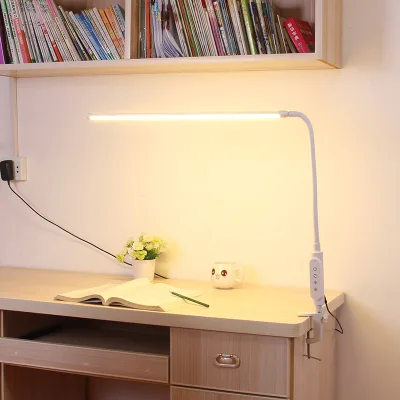

Rechargeable Portable Desk Lamp Indoor Decor Lamp for Living Room Dining Room
$141.00 - $169.00
MOQ: 1 Pieces


Comprehensive Sourcing Guide
Strategic Sourcing Guide for Rechargeable Portable LED Table Lamps
The global demand for rechargeable portable LED table lamps has surged as businesses and consumers prioritize energy efficiency, mobility, and versatile lighting solutions. For procurement professionals, sourcing these units requires a nuanced understanding of technical specifications, material composition, and regulatory compliance. The market offers a diverse array of options, ranging from simple bedside reading lights to complex, multi-functional fixtures suitable for hotels and modern living spaces. This guide provides a disciplined approach to evaluating suppliers and products, ensuring that procurement decisions are grounded in verified data and industry standards rather than marketing assertions.
Technical Specifications and Material Composition
When evaluating rechargeable portable LED table lamps, the first step is to analyze the core technical specifications that define performance and durability. The primary light source for these devices is almost universally LED, offering high energy efficiency and a long operational lifespan. However, the power source varies significantly across product lines. Some units rely on AC power with a built-in rechargeable lithium battery, while others function primarily as cordless devices with integrated battery capacities. For instance, observed market data indicates battery capacities such as 1000mAh, which is a critical metric for determining runtime and portability.
Material selection is equally vital for structural integrity and aesthetic appeal. High-quality lamps often utilize a combination of metals and plastics. Specifically, aluminum alloy and ABS plastic are frequently cited as primary materials, providing a balance between lightweight portability and robust construction. Metal components are often used for the base or arm structure to ensure stability, while ABS plastic is common for housing and adjustable joints. The presence of specific materials like aluminum alloy suggests a higher tolerance for heat dissipation, which is essential for LED longevity. Buyers should verify the exact material mix, as some listings may specify "Metal" broadly, while others detail "Aluminum alloy" or "Plastic" separately.
The design features of these lamps also dictate their utility. Common attributes include dimmability, height adjustment, and foldability. These features allow the lamp to adapt to various user needs, from reading in bed to working at a desk. The "Flexible" and "Cordless" attributes are particularly relevant for portable models, enabling users to position the light source precisely without being tethered to a wall outlet. Additionally, the power consumption is a key specification; observed data suggests that many units operate at ≤5W, which aligns with energy-saving goals. Buyers must ensure that the power source matches the intended application, as some models are designed for AC charging with battery backup, while others are purely battery-operated.
Compliance, Certification, and Regulatory Standards
Navigating the regulatory landscape is a non-negotiable aspect of B2B procurement. Rechargeable LED lamps must adhere to strict safety and environmental standards to be sold in major markets. The most frequently observed certifications in the current market include RoHS (Restriction of Hazardous Substances) and CE (Conformité Européenne). These certifications indicate that the product meets European safety, health, and environmental protection requirements. For markets in China, the CCC (China Compulsory Certification) is also a critical standard to verify.
In more stringent markets, additional certifications such as GS (Geprüfte Sicherheit) and VDE (Verband der Elektrotechnik) may be required. These standards go beyond basic safety to include rigorous testing for electrical insulation and fire resistance. Procurement teams must not assume that a product is compliant simply because it is listed as "rechargeable." Instead, they must request valid certification documents from the supplier. The presence of multiple certifications, such as a combination of RoHS, CE, GS, and VDE, often indicates a higher level of manufacturing quality and adherence to international standards.
Furthermore, the environmental impact of the product is increasingly important. Attributes such as "Eco-Friendly" should be backed by tangible evidence, such as the use of recyclable materials or energy-efficient LED technology. The "Energy Saving" classification for the light source is a standard feature, but buyers should verify the specific lumens per watt ratio to ensure genuine efficiency. Compliance is not just a legal requirement but a market access barrier; products lacking the necessary certifications for the target region cannot be legally imported or sold.
Cost Drivers and Pricing Dynamics
Understanding the cost structure of rechargeable LED table lamps is essential for budgeting and negotiation. The observed price range in the market spans from approximately $1.80 to $169.00 USD. This wide disparity is driven by several factors, including material quality, brand positioning, and the complexity of the design. Lower-priced units typically utilize standard plastic components and basic LED drivers, while higher-priced models may incorporate aluminum alloy, advanced dimming circuits, and premium finishes.
The Minimum Order Quantity (MOQ) is another significant cost driver. Market data shows an MOQ range from 1 to 3000 units. Suppliers offering an MOQ of 1 are often targeting small businesses or drop-shippers, but they may charge a premium per unit. Conversely, suppliers with an MOQ of 100 or 3000 units typically offer lower per-unit costs, making them suitable for bulk procurement. Buyers must balance the need for inventory flexibility with the desire for cost efficiency.
Customization is a major factor influencing price. Many suppliers offer "Customizable specifications," including branding, color, and size. While customization adds value, it often increases the unit cost and extends the lead time. The "Standard Export Packing" is a baseline, but specialized packaging or custom branding will incur additional charges. Additionally, the origin of the product, such as Jiangsu, China, can influence logistics costs and tariffs. Buyers should request detailed breakdowns of costs to understand the value proposition of each supplier, ensuring that the price reflects the actual material and labor inputs.
Typical Applications and Use Cases
Rechargeable portable LED table lamps are designed for a wide range of applications, making them versatile assets for various sectors. The primary use cases identified in the market include bedrooms, bedside tables, hotels, and living rooms. In residential settings, these lamps serve as reading lights, night lights, or decorative accents. The "Decoration" and "Reading lamp" functions are explicitly listed as special features, highlighting their dual role in utility and aesthetics.
The "Modern" and "European" styles observed in the product listings suggest that these lamps are designed to complement contemporary interior designs. The "Flexible" and "Foldable" attributes make them ideal for users who need to adjust the lighting angle frequently, such as students or professionals working from home. For the hospitality industry, these lamps are suitable for hotel rooms where guests may need a portable light source for reading or working without disturbing others.
A specific niche application involves children. Products marked as "Suitable for Children" often feature safer materials, softer lighting, and durable designs to withstand rough handling. The "Learning" application further emphasizes the utility of these lamps in educational settings, providing focused illumination for study. The "Lantern" lighting mode adds another layer of versatility, allowing the lamp to function as a general ambient light source in addition to a task light. Buyers should match the product's specific features, such as battery capacity and light modes, to the intended application to ensure optimal performance.
Supplier Evaluation and Quality Control
Evaluating suppliers requires a rigorous approach to ensure reliability and product consistency. The first step is to verify the supplier's ability to meet the required MOQ and lead times. Observed delivery times range from 15 to 30 days, which is a standard window for manufacturing and shipping. Buyers should confirm that the supplier can consistently meet these timelines, especially during peak seasons.
Quality control is paramount. Suppliers should have a robust QC process that includes testing for electrical safety, battery performance, and material durability. The "Condition: New" attribute is a basic requirement, but buyers should also inquire about the defect rate and the supplier's policy for handling defective units. The "Small Orders: Accepted" attribute indicates flexibility, but it does not guarantee quality. Buyers should request samples to verify the build quality, finish, and functionality before placing a large order.
The "Customization: Available" attribute suggests that the supplier has the capacity to tailor products to specific needs. However, this capability must be backed by a proven track record. Buyers should ask for case studies or references from previous customization projects. Additionally, the "Standard Export Packing" ensures that products are protected during transit, but buyers should verify if the packaging meets the specific requirements of their target market.
Long-Term Procurement Considerations
Sourcing rechargeable LED table lamps is not just a one-time transaction but a long-term partnership. Buyers should consider the lifecycle of the product, including battery replacement and maintenance. The "Rechargeable Battery" attribute implies that the battery will degrade over time, and buyers should inquire about the expected lifespan and replacement policies. Suppliers that offer warranties or support for battery replacement add significant value to the procurement process.
Sustainability is another long-term consideration. As environmental regulations tighten, suppliers that prioritize eco-friendly materials and energy-efficient designs will be better positioned for future compliance. The "Eco-Friendly" attribute should be a key criterion in supplier selection, as it aligns with corporate social responsibility goals. Furthermore, the "Can Be Customized" standard allows for future product iterations, ensuring that the supply chain can adapt to changing market trends.
Finally, buyers should monitor the market for emerging standards and technologies. The "prod_standard: Customizable specifications" indicates that the industry is dynamic, and suppliers who can quickly adapt to new requirements will be more valuable partners. By focusing on these long-term factors, buyers can build a resilient supply chain that delivers high-quality products while mitigating risks associated with regulatory changes and market volatility.
Comparative Analysis of Key Product Attributes
To facilitate decision-making, the following table summarizes the key attributes observed in the market for rechargeable portable LED table lamps. This comparison helps buyers quickly identify products that align with their specific requirements.
| Attribute Category | Key Observations | Verification Requirement |
|---|---|---|
| Material | Metal, ABS, Aluminum alloy, Plastic | Request material composition reports |
| Power Source | AC, Built-in Lithium Battery, Rechargeable | Verify battery capacity (e.g., 1000mAh) |
| Certifications | RoHS, CE, CCC, GS, VDE | Request valid certification certificates |
| Features | Dimmable, Foldable, Flexible, Cordless | Test functionality on samples |
| Applications | Bedroom, Hotel, Living room, Learning | Match features to end-user needs |
| MOQ | 1 to 3000 units | Negotiate based on order volume |
| Lead Time | 15-30 days | Confirm production schedule |
| Style | Modern, European | Review design catalogs |
This structured approach ensures that procurement teams can make informed decisions based on verified data, minimizing risks and maximizing the value of their investments in rechargeable portable LED table lamps. By adhering to these guidelines, buyers can navigate the complex B2B landscape with confidence and precision.
FAQs
What materials are used for rechargeable portable led table lamps?
These lamps typically combine metal and ABS plastic for durability. Some models specifically use aluminum alloy for better heat dissipation while maintaining a lightweight structure suitable for portable use.
Can these lamps be customized for specific branding needs?
Yes, customization is available for specifications, branding, and colors. Buyers can request tailored designs, though this may affect the unit cost and extend the standard delivery timeline.
What certifications do these lamps usually carry for safety?
Common certifications include RoHS, CE, and CCC for regulatory compliance. Some higher-grade models also feature GS and VDE certifications to meet stricter international safety and insulation standards.
How long does delivery take for these portable lamps?
Standard delivery times range from 15 to 30 days. This window accounts for manufacturing and shipping, though custom orders may require additional time to complete specific production requirements.
What is the typical battery capacity for these rechargeable units?
A common battery capacity observed is 1000mAh for portable operation. This capacity supports cordless usage, allowing the lamp to function as a flexible reading light without being tethered to a wall outlet.
Which applications are suitable for these LED table lamps?
They are designed for bedrooms, hotels, living rooms, and learning spaces. The flexible design also makes them suitable for children and as decorative accents in modern or European style interiors.