Source Rechargeable Portable Nail UV Lamp for Salon, Home, Travel
Compare 30 Rechargeable Portable Nail UV Lamp options from verified suppliers. These devices feature USB or battery power, varying wattages, and timer settings for gel curing in salons, home use, and travel; compare the available evidence and request quotations based on your requirements.
Key considerations
Products List


Fast Drying UV LED Nail Lamp Rechargeable Portable Design for Home Salon
$17.20 - $19.68
MOQ: 24 Pieces


O Nail Professional Smart Portable LED Nail Lamp Mini UV Nail Curing Lamp
$19.00 - $25.00
MOQ: 2 Pieces





Comprehensive Sourcing Guide
Rechargeable Portable Nail UV Lamp Sourcing Guide
Procuring rechargeable portable nail UV lamps requires a nuanced understanding of the divergent product landscape, which ranges from low-power handheld curing sticks to high-wattage desktop units. Buyers must first distinguish between devices designed for precise, on-the-go touch-ups and those intended for full-nail curing in a salon setting. The observed market signals indicate a wide spectrum of power outputs, with some units operating at a mere 3W while others reach up to 108W, significantly impacting curing efficiency and device heat management.
Understanding the power supply mechanism is critical for operational flexibility. While many portable models rely on internal batteries with capacities such as 180mAh or 800mAh, others may utilize electric power or hybrid systems. Buyers should evaluate whether the intended use case prioritizes cordless mobility or consistent high-intensity output. The distinction between USB-powered portable sticks and larger rechargeable desktop lamps dictates the necessary infrastructure and charging logistics for both retail customers and professional nail technicians.
Product Scope and Observed Listing Signals
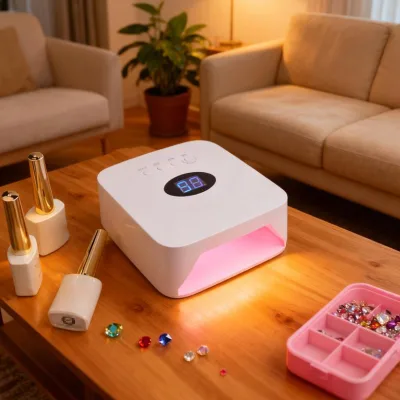
The current market offers a diverse array of form factors, including handheld sticks, compact desktop units, and specialized curing tools. Observed listings reveal models like the G1 and SN14, which are typically smaller, lighter devices weighing around 13.7g, designed for portability and ease of use. In contrast, larger models such as the SUN S10 and SK-L16 feature substantial dimensions and higher power ratings, catering to users who require faster curing times and broader light coverage for multiple nails simultaneously.
Packaging and branding options vary significantly across suppliers, reflecting different target markets and volume requirements. Some products are shipped in simple box packages or cartons, suitable for bulk distribution, while others come in premium color boxes, enhancing retail appeal. Buyers should note that customization is widely available, allowing for logo placement and tailored packaging solutions. This flexibility is crucial for businesses aiming to establish a distinct brand identity in the competitive beauty equipment sector.
Technical Specifications to Verify
Wavelength accuracy is paramount for effective gel curing, with most devices utilizing dual-light sources combining 365nm and 405nm LEDs. Buyers must verify that the specified wavelength range, typically 365-405nm, aligns with the photoinitiators used in their chosen gel polish brands. Incorrect wavelengths can lead to under-cured nails, peeling, or allergic reactions, making this a non-negotiable technical parameter. Additionally, the number of LED bulbs, such as the 36PCS found in some high-power units, directly influences curing uniformity and speed.
Timer functionality and power settings are essential for user convenience and nail health. Common timer options include 30s, 60s, 90s, and 120s intervals, allowing users to select the appropriate curing duration based on gel thickness and brand recommendations. Power ratings, ranging from 9W to 108W, should be matched to the intended curing volume. Buyers should also check battery capacity for portable models, ensuring sufficient runtime for professional use without frequent recharging interruptions.
Compliance and Safety Documentation
Certification requirements are a primary concern for international trade, with CE and RoHS marks being the most commonly observed standards. These certifications indicate compliance with European health, safety, and environmental protection standards, which are often mandatory for importing electronic beauty devices into many global markets. Buyers must request valid certification documents from suppliers to ensure that the products meet regulatory requirements in their destination countries, avoiding potential customs delays or legal liabilities.
Safety features related to electrical components and battery management are equally important. Devices with higher power outputs, such as 108W units, require robust thermal management systems to prevent overheating during extended use. Buyers should inquire about built-in safety mechanisms, such as automatic shut-off features or temperature control sensors. Verifying that the rated input voltage, typically 5V/1A for USB devices, matches local electrical standards is also essential to prevent damage to the device or user injury.
Cost Drivers and Commercial Terms
Pricing in this category exhibits a broad range, influenced by power output, build quality, and included features. Observed prices span from approximately $0.60 for basic components to $57 for fully featured, high-power units. The cost is heavily driven by the number of LEDs, battery capacity, and the complexity of the electronic circuitry. Buyers should align their budget with the desired product tier, recognizing that higher-priced units often offer superior curing performance and durability.
Minimum Order Quantities (MOQ) and lead times are key commercial factors affecting procurement strategy. MOQs typically range from 1 to 1000 units, offering flexibility for both small businesses and large distributors. Lead times, often cited as 7-15 days, can vary based on production volume and customization requirements. Buyers should negotiate clear terms regarding shipping costs, payment methods, and return policies to mitigate financial risks associated with bulk orders.
Supplier Qualification and Quality Control
Supplier verification is critical to ensuring product reliability and consistent quality. Buyers should prioritize suppliers with a proven track record in manufacturing electronic beauty devices, checking for relevant business licenses and export experience. Requesting product samples before placing bulk orders allows for hands-on evaluation of build quality, curing efficiency, and user interface responsiveness. This step is essential for identifying potential defects or performance issues that may not be apparent from product descriptions alone.
Quality control processes should be clearly defined and agreed upon prior to production. Buyers should inquire about incoming material inspections, in-process quality checks, and final random inspections. Establishing clear acceptance criteria for defects, such as LED failure, battery issues, or cosmetic imperfections, helps maintain product standards. Additionally, verifying the supplier’s ability to provide after-sales support, including warranty terms and technical assistance, is vital for long-term business success.
Long-Term Procurement Checks
Market trends and technological advancements in nail curing devices require ongoing monitoring to stay competitive. Buyers should regularly review product updates, such as new LED configurations or improved battery technologies, to ensure their offerings remain relevant. Engaging with suppliers for feedback on user experience and common issues can provide valuable insights for future procurement decisions. Staying informed about regulatory changes in key markets is also essential to maintain compliance and avoid disruptions.
Building a resilient supply chain involves diversifying suppliers and maintaining strong relationships with key partners. Regular performance reviews of existing suppliers, based on delivery times, product quality, and communication effectiveness, help identify areas for improvement. Buyers should also consider the sustainability of their sourcing practices, evaluating suppliers’ environmental policies and waste management procedures. This holistic approach ensures long-term stability and growth in the dynamic nail care equipment market.
FAQs
What power options are available for rechargeable portable nail uv lamps?
These lamps support both USB electric power and internal battery operation. Models feature capacities like 180mAh or 800mAh for portability. The rated input is typically 5V/1A for USB charging. This dual-power design ensures reliable curing during travel or in locations without immediate electrical outlets, providing flexibility for nail technicians on the go.
Which certifications do these UV lamps typically hold?
Manufacturers commonly provide CE and RoHS certifications for these devices. These standards ensure compliance with European safety and environmental regulations. Buyers should verify specific documentation for each model, such as the G1 or SUN S10, to confirm regulatory adherence. Certified products offer greater assurance for international shipping and retail distribution in regulated markets.
Can I customize the logo on these portable nail lamps?
Yes, logo customization is generally acceptable for bulk orders. Suppliers often allow branding on the device body or packaging. This service supports private labeling for retailers and salons. Buyers should confirm minimum order quantities and design file requirements with the manufacturer to ensure the branding process aligns with their specific marketing and packaging needs.
What is the typical lead time for these products?
The standard delivery time ranges from 7 to 15 days. This timeframe covers production and shipping preparation for most models. Actual lead times may vary based on order volume and specific customization requests. Buyers should confirm exact schedules with suppliers to align with their inventory planning and ensure timely delivery for retail or salon use.
How are these lamps packaged for shipping?
Products are packed in individual boxes, color boxes, or cartons. Standard carton dimensions are often around 47x47x59cm, holding approximately 20 pieces per carton. This packaging protects the devices during transit. Buyers should verify packing details to calculate shipping costs and storage requirements accurately based on their order volume and destination.
What wavelength range do these UV lamps emit?
These lamps typically emit a dual light source of 365nm and 405nm. This range is optimized for curing UV gel polish effectively. The specific wavelength ensures proper hardening of gel products without excessive heat. Buyers should confirm the exact spectral output for their specific gel brand to ensure compatibility and optimal curing results for their nail services.