Source Rechargeable Waterproof Bike Light for Road, Mountain, and Kids Bikes
Explore 30 verified options for a Rechargeable Waterproof Bike Light suitable for daily commuting, night riding, and camping. Compare models with CREE LEDs, lithium-ion batteries, and shock-resistant designs from Chinese manufacturers offering customization and CE certification; compare the available evidence and request quotations based on your requirements.
Key considerations
Products List


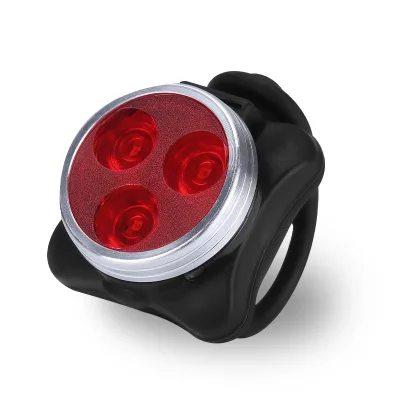

Comprehensive Sourcing Guide
Rechargeable Waterproof Bike Light Sourcing Guide
Buyers must first distinguish between front illumination and rear signaling units, as the supplied data indicates distinct models for each position. Front lights often feature higher irradiation distances ranging from 100 to 200 meters, suitable for night riding and caving, while rear units typically cover shorter ranges up to 50 meters. This functional split dictates the specific technical requirements for your inventory, ensuring that the selected product matches the intended riding environment, whether for mountain biking or daily commuting.
The product scope also encompasses various bike types, including ordinary bicycles, mountain bikes, road bikes, and kids' bikes. Sourcing teams should verify that the selected unit supports the specific application needs of their target market, such as hunting or hiking, which may require extended lighting times. Understanding these application nuances helps in filtering the available list of rechargeable lights to ensure the final selection offers the necessary durability and versatility for the end-user.
Product Scope and Observed Listing Signals
Market listings reveal a wide price variance, with observed ranges spanning from 0.20 to 45.00 USD, reflecting differences in component quality and customization levels. Buyers should analyze this spread carefully, as lower price points may correlate with basic plastic housings, whereas higher tiers often include premium LED chips like CREE and advanced waterproofing features. This financial data serves as a baseline for budgeting but requires validation against specific model specifications to avoid purchasing underperforming units.
Customization availability is a critical signal in the current market, with many suppliers offering make-to-order services to meet specific branding or design needs. The observed data confirms that products can be tailored, allowing buyers to request specific packaging types, such as color boxes or neutral OPP bags, to align with their retail strategy. Procurement teams should leverage this flexibility to differentiate their offerings, ensuring that the final product aligns with their brand identity and customer expectations.
Technical Specifications to Verify
Verification of the power supply system is essential, as the majority of listed units rely on lithium-ion batteries for rechargeable functionality. Buyers must confirm the battery capacity and expected lighting hours, noting that some models specify usage times for activities like mining or hiking, which implies robust performance under demanding conditions. Ensuring the battery type matches the intended usage profile prevents premature failure and guarantees reliable operation during extended rides or emergency situations.
The physical construction and optical performance require strict scrutiny, particularly regarding the irradiation distance and housing material. Specifications indicate distances ranging from 50 to 200 meters, with housing materials often specified as ABS plastic for durability. Buyers should cross-reference these claims with the actual product samples to confirm that the shock-resistant and anti-fog features are genuine, ensuring the light can withstand the vibrations and environmental exposure typical of cycling applications.
Compliance and Safety Documentation
Certification status is a primary compliance indicator, with observed listings frequently citing CE, RoHS, and ISO standards. Buyers must request valid documentation for these certifications to ensure the product meets international safety and environmental requirements, particularly for markets in Europe and North America. The presence of multiple certifications, such as ISOEEC and BSCI, suggests a supplier's commitment to quality management and ethical manufacturing practices, which reduces regulatory risks for the importer.
Safety standards also extend to the electrical components and battery safety, which are critical for rechargeable devices. While specific test results are not universally listed, the presence of CE and RoHS marks implies adherence to restricted substance and electrical safety directives. Procurement teams should verify that the supplier maintains up-to-date test reports for each batch, ensuring that the lithium-ion batteries and LED drivers do not pose fire or chemical hazards during transport and use.
Cost Drivers and Commercial Terms
The minimum order quantity (MOQ) varies significantly across the market, with observed ranges from 1 to 3000 units, influencing the total cost of ownership. Buyers with smaller budgets may find suppliers offering low MOQs, but these often come with higher per-unit costs or limited customization options. Conversely, larger orders typically unlock better pricing tiers and more favorable terms, allowing for greater investment in premium features like CREE LED chips and enhanced waterproofing.
Supply type is another major cost driver, with many suppliers operating on a make-to-order basis rather than holding extensive stock. This model allows for greater flexibility in product specifications but may impact lead times and initial inventory costs. Buyers should negotiate clear timelines and pricing structures that account for the customization process, ensuring that the commercial terms align with their sales cycle and inventory management strategies.
Supplier Qualification and Quality Control
Supplier location and origin are key factors in assessing logistics and quality control capabilities, with Ningbo, Zhejiang, China, being a prominent origin point. Buyers should evaluate the supplier's proximity to major shipping ports and their experience in exporting similar electronic goods to ensure reliable logistics and communication. A supplier with a strong track record in this region is more likely to understand international shipping requirements and maintain consistent quality standards.
Quality control processes must be verified through on-site audits or third-party inspections, focusing on the consistency of the shock-resistant and waterproof claims. Buyers should request evidence of the manufacturing process, including how the ABS housing and LED components are assembled to meet the stated standards. Establishing a robust quality control protocol ensures that the final products meet the expected durability and performance levels, minimizing the risk of returns and customer dissatisfaction.
Long-Term Procurement Checks
Warranty terms provide a critical safety net for long-term procurement, with observed listings offering a standard one-year warranty. Buyers should clarify the scope of this warranty, including coverage for battery degradation and LED failure, to ensure adequate protection against manufacturing defects. A clear warranty policy demonstrates the supplier's confidence in their product quality and provides a mechanism for resolving issues that may arise after the initial sale.
Continuous performance monitoring is necessary to maintain product reliability over time, especially given the varying usage conditions like night riding and caving. Buyers should establish a feedback loop with end-users to track real-world performance and identify any recurring issues with the lighting time or irradiation distance. This proactive approach allows for timely adjustments to the product specification or supplier selection, ensuring the long-term success of the procurement strategy.
FAQs
How long can a rechargeable bike light run on a single charge?
Lighting time varies by model, brightness level, and battery capacity, with many rechargeable bike lights running for a full night ride or camping trip. Models using lithium ion batteries typically offer several hours of steady output on a single charge. Check each listing's lighting time specification before ordering, and confirm whether runtime is measured at maximum brightness.
Can rechargeable bike lights be used for activities beyond cycling?
Yes, many rechargeable bike lights are versatile enough for camping, hunting, hiking, caving, and night rides. Listings commonly list these usage scenarios alongside cycling applications for ordinary, mountain, road, and kids bikes. If you plan to use a light for another activity, confirm its irradiation distance and waterproof rating to ensure it fits that purpose.
What certifications should a Rechargeable Waterproof Bike Light have?
Look for CE certification at minimum, and some listings also show CE RoHS or ISO/IEC references. Certification indicates the product has met applicable safety and electromagnetic requirements for consumer electronics. Ask each supplier to confirm which certifications apply to the specific model you intend to order, since certification can vary between models in one catalog.
How far do rechargeable bike lights typically illuminate?
Irradiation distance depends on the model and LED configuration. Some listed models reach 100 to 200 meters using CREE LED chips, while smaller front or rear lights may reach 50 meters or less. Front lights for night riding or trail use generally need the longer range, so verify the stated distance before choosing a model.
Can I customize rechargeable bike lights for my own brand?
Yes, customization is available from many suppliers, and some products are made to order. Options can include branding, packaging such as color boxes or cartons, and specification changes. Minimum order quantities and customization lead times vary by supplier, so discuss your requirements early and confirm what can be adjusted for your target market.
What should I check about waterproofing before ordering bike lights?
Review the product features listed, since many models describe themselves as waterproof, shock-resistant, and anti-fog. Waterproofing matters most for front lights used in rainy conditions or night rides. Ask the supplier how the rating is tested for the exact model you plan to purchase, because feature descriptions can differ between models within the same product range.