Source Recyclable Mascara Eyebrow Glue Bottle for cosmetics, toothpaste, food
Find 30 options for a Recyclable Mascara Eyebrow Glue Bottle suitable for cosmetics, toothpaste, and food packaging. Buyers can compare specifications like volume, material, and surface treatment from verified suppliers in China.
Key considerations
Products List
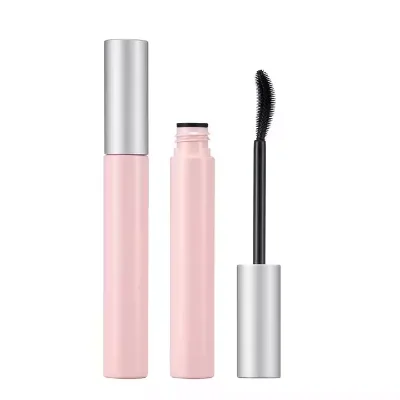


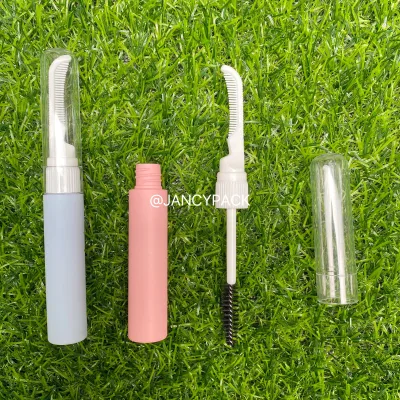


Empty Lip Gloss & Eyelash Glue Tubes Custom Mini Cosmetic Packaging Bottles
$0.15 - $0.18
MOQ: 5000 Pieces

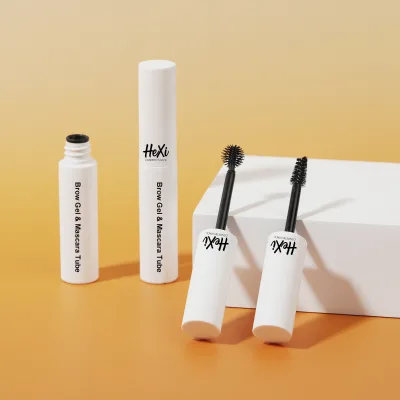
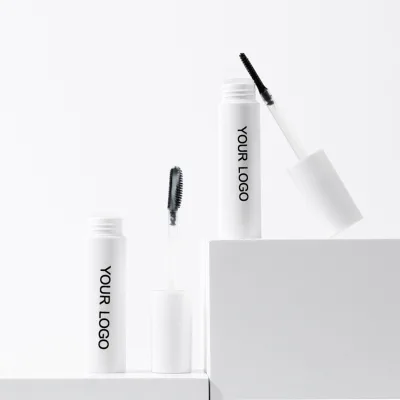
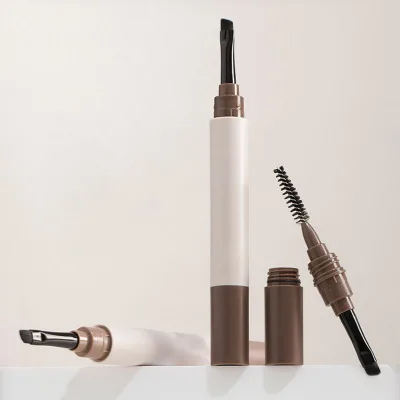
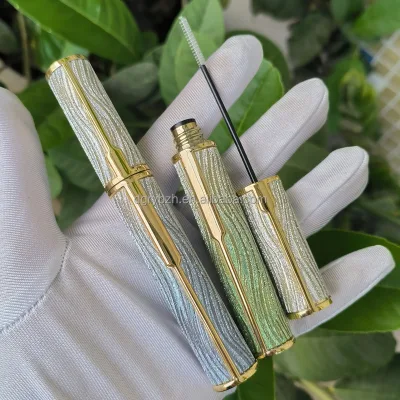
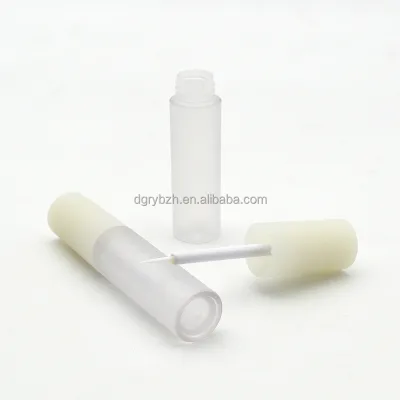


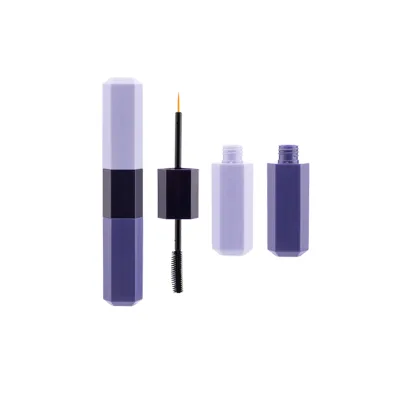
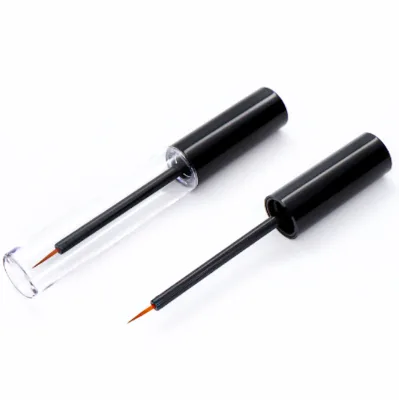


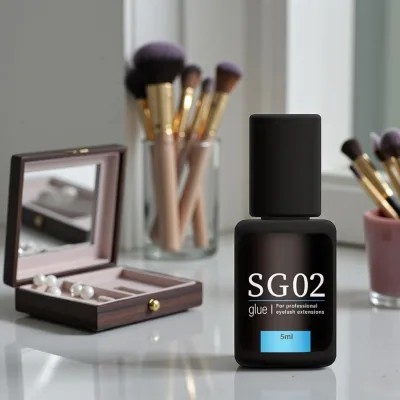


6ml Waterproof Plastic Custom Empty Double Sided New Mascara Bottle with Brush
$0.30 - $0.40
MOQ: 12000 Pieces


Comprehensive Sourcing Guide
Strategic Sourcing Guide for Recyclable Mascara and Eyebrow Glue Containers
Sourcing packaging for cosmetic products like mascara and eyebrow glue requires a rigorous approach that balances aesthetic appeal, functional integrity, and environmental responsibility. The core keyword "Recyclable Mascara Eyebrow Glue Bottle" points to a specific segment of the beauty industry where sustainability is becoming a primary procurement criterion. Buyers must navigate a complex landscape of materials, manufacturing processes, and regulatory standards to ensure that the selected packaging not only protects the product but also aligns with global circular economy goals. This guide provides a structured framework for evaluating suppliers and specifications based on verified industry data and observable product attributes.
Material Selection and Environmental Attributes
The foundation of any sustainable packaging strategy lies in the material composition. For mascara and eyebrow glue, the market primarily utilizes aluminum and plastic, each offering distinct advantages regarding recyclability and product protection. Aluminum is frequently cited as a premium choice due to its high recyclability rate and ability to preserve product integrity through light and oxygen barrier properties. Specific product data indicates that aluminum materials with a purity greater than 99.7% are available, ensuring that the base metal meets high-quality standards for cosmetic applications. The internal lacquer, often golden in specific models, plays a critical role in preventing chemical interaction between the metal and the cosmetic formulation, particularly for products containing oils or waxes.
Plastic remains a dominant material due to its versatility and cost-effectiveness. However, the recyclability of plastic varies significantly based on the resin type and the presence of mixed materials. When evaluating plastic options, buyers should verify if the product is designed as a single-material unit to facilitate recycling streams. Some product listings explicitly highlight features such as "recyclable" and "disposable," though the latter term can sometimes conflict with sustainability goals if the item is not designed for multiple uses or efficient end-of-life processing. The thickness of the material, observed in the range of 0.3 mm, is a critical specification that influences both the durability of the tube and the amount of raw material required, directly impacting the carbon footprint of the packaging.
Technical Specifications and Functional Design
Functional performance is paramount for mascara and eyebrow glue containers, as these products are often viscous and require precise application. The technical specifications of the packaging must accommodate the unique dispensing mechanisms of these cosmetics. Common model numbers in the market, such as HM1390, SNYH-QT-022, and SNYH-QT-002, represent different design iterations tailored to specific volume requirements. The volume capacity for these tubes typically ranges from 8 ml to 160 ml, with specific models designed for 30 ml to 160 ml applications. The diameter of the tube, observed at 25 mm in certain configurations, dictates the ergonomic handling and the size of the applicator brush or wand that fits inside.
Thread specifications are another critical technical parameter. The M11 thread standard is a common configuration for screw-on caps, ensuring a secure seal that prevents leakage during transport and storage. The surface treatment of the container, which includes processes like oxidation, spray-painting, and plating, affects both the aesthetic finish and the structural integrity of the aluminum or plastic. For plastic tubes, surface treatments often involve screen printing or the application of aluminum paper stickers. The single package size of 22x15x13 cm and a gross weight of 0.300 kg per unit are essential data points for logistics planning and shipping cost calculations. Buyers must ensure that the internal lacquer and surface treatments are compatible with the specific chemical composition of their mascara or eyebrow glue to prevent degradation or contamination.
Compliance, Certification, and Regulatory Standards
Navigating the regulatory landscape is a non-negotiable aspect of B2B procurement in the cosmetics sector. While specific certification status varies by supplier, the industry standard often includes ISO certification, which indicates adherence to quality management systems. Buyers should explicitly verify if a supplier holds ISO certification before proceeding with an order, as this serves as a baseline for operational reliability. Additionally, the product must comply with the safety standards of the destination market, whether it is the European Union, North America, or Asia.
The claim of "recyclable" is a powerful marketing attribute but requires verification against local recycling infrastructure. Buyers should not assume that a product labeled as recyclable is accepted in all municipal waste streams. It is essential to request documentation regarding the recyclability of the specific material grade used. For aluminum tubes, the high purity (>99.7%) is a strong indicator of quality, but the presence of mixed materials, such as plastic caps or internal liners, can complicate the recycling process. The standard "18g" mentioned in some product contexts likely refers to a weight standard or a specific product line designation rather than a universal regulatory standard, so buyers must clarify the exact meaning with the supplier.
Cost Drivers and Economic Considerations
The cost of sourcing recyclable mascara and eyebrow glue bottles is influenced by several dynamic factors, including material prices, order volume, and manufacturing complexity. The observed price range in the market spans from $0.03 to $6.15 USD, reflecting the vast difference between basic plastic tubes and premium aluminum options with complex surface treatments. The Minimum Order Quantity (MOQ) is a significant cost driver, with observed ranges extending from 100 pieces to 50,000 pieces. High MOQs, such as 10,000 pieces for certain custom logo options, can lower the unit cost but increase the initial capital outlay and inventory risk for the buyer.
Customization is a major factor in pricing. Options such as silk screen printing, hot stamping, heat transfer, and 3D printing add value but also increase the per-unit cost. The availability of OEM and ODM services allows brands to create unique packaging, but this requires a higher level of coordination and potentially higher setup fees. The sample time, typically ranging from 1 to 2 weeks, and the sample lead time of 7 to 10 working days, should be factored into the overall project timeline. Bulk lead times of 12 to 15 working days are standard, but buyers should account for potential delays due to raw material shortages or logistical bottlenecks.
Supplier Evaluation and Operational Capabilities
Evaluating a supplier requires a deep dive into their operational capabilities and track record. The place of origin for many of these products is Zhejiang, China, a hub for cosmetic packaging manufacturing. Buyers should verify the supplier's capacity to handle the specific production processes required, such as oxidation, spray-painting, and plating. The availability of customization services, including logo printing and color matching, is a key differentiator. Some suppliers offer free samples, which is a valuable opportunity to assess the quality of the product firsthand before committing to a large order.
The brand name "HUIHO" and "JANCY PACK" appear in the market, indicating established players in the sector. However, buyers should not rely solely on brand reputation but should conduct due diligence on the specific factory's quality control processes. The ability to provide ISO certification and other relevant documentation is a strong indicator of a reputable supplier. Buyers should also assess the supplier's flexibility in handling different order sizes, from small batches of 100 pieces to large-scale production runs of 50,000 pieces. The "Industrial Use" classification as "Cosmetic" confirms that the products are designed for the beauty industry, but buyers must ensure the specific product line matches their intended application, whether for mascara, eyebrow glue, or other cosmetic formulations.
Quality Control and Long-Term Procurement Strategy
Implementing a robust quality control (QC) protocol is essential to ensure that the packaging meets the required standards. Buyers should establish clear acceptance criteria based on the observed specifications, such as the 0.3 mm thickness, M11 thread compatibility, and the integrity of the internal lacquer. Regular inspections during the production process can help identify defects early, reducing the risk of receiving non-compliant goods. The "Feature" of being recyclable should be validated through third-party testing or supplier-provided data to ensure the claim is accurate and verifiable.
Long-term procurement considerations involve building a sustainable supply chain that can adapt to changing market demands and regulatory requirements. Buyers should prioritize suppliers who demonstrate a commitment to sustainability, such as those offering aluminum tubes with high purity or plastic options designed for easy recycling. The ability to scale production up or down based on market fluctuations is crucial for maintaining inventory efficiency. Additionally, buyers should consider the environmental impact of the packaging throughout its lifecycle, from raw material extraction to end-of-life disposal. By focusing on high-quality, recyclable materials and working with reputable suppliers, brands can enhance their market position while contributing to global sustainability goals.
Comparative Analysis of Packaging Options
To assist in decision-making, the following table compares key attributes of the primary packaging options available in the market based on the provided data.
| Attribute | Aluminum Tube | Plastic Tube |
|---|---|---|
| Material Purity | >99.7% Aluminum | Standard Plastic |
| Recyclability | High (Metal) | Variable (Resin Dependent) |
| Surface Treatment | Oxidation, Plating, Spray | Screen Printing, Labeling |
| Typical Volume | 30ml - 160ml | 8ml - 160ml |
| Thread Standard | M11 | Varies |
| Internal Lacquer | Golden | Varies |
| MOQ Range | 100 - 10,000 pcs | 100 - 50,000 pcs |
| Cost Range | Higher ($0.03-$6.15) | Lower ($0.03-$6.15) |
This comparison highlights the trade-offs between material types. Aluminum offers superior barrier properties and a strong recycling narrative, while plastic provides cost flexibility and design versatility. The choice ultimately depends on the brand's specific sustainability targets, budget constraints, and product formulation requirements. By carefully analyzing these factors, buyers can make informed decisions that align with both commercial objectives and environmental responsibilities.
FAQs
What materials are used for recyclable mascara tubes?
The tubes are primarily made from aluminum with purity greater than 99.7% or standard plastic. Aluminum offers high recyclability and barrier properties, while plastic provides cost flexibility. Some models feature internal golden lacquer to prevent chemical interaction with the cosmetic formulation.
Can I get custom logos on these cosmetic containers?
Yes, customization is available for logos and branding on both aluminum and plastic tubes. Suppliers offer various printing methods including silk screen, hot stamping, heat transfer, and 3D printing. The minimum order quantity for custom logo options typically starts at 10,000 pieces.
What is the typical lead time for bulk orders?
Bulk lead times generally range from 12 to 15 working days after sample approval. Sample lead times are shorter, typically taking 7 to 10 working days. Buyers should account for these durations when planning production schedules to ensure timely delivery of their cosmetic packaging.
Which certifications do the manufacturers hold?
Manufacturers often hold ISO certification to indicate adherence to quality management systems. This certification serves as a baseline for operational reliability and product safety. Buyers should verify specific certification status with the supplier before proceeding with large orders to ensure compliance.
How much does a single unit cost?
The observed price range for these units spans from 0.03 to 6.15 USD per piece. Pricing varies significantly based on material type, surface treatment complexity, and order volume. Higher customization levels and premium aluminum materials generally command prices at the upper end of this range.
What volume capacities are available for these tubes?
Available volumes range from 8 ml to 160 ml depending on the specific model selected. Common configurations include 30 ml to 160 ml for larger applications and 8 ml for smaller cosmetic needs. The tube diameter is often 25 mm to accommodate standard applicator wands.
Where are these cosmetic packaging products manufactured?
The primary place of origin for these products is Zhejiang, China, a major manufacturing hub. This location hosts numerous factories capable of handling oxidation, spray-painting, and plating processes. Buyers can expect a concentration of suppliers in this region offering diverse customization options.