Source Recyclable Mascara Tube for Cosmetics, Beauty, and Packaging
Find 30 Recyclable Mascara Tube options for cosmetics and beauty packaging. Compare plastic materials, custom printing, and ISO certifications to select the right sustainable solution for your brand. Explore various diameters, heights, and volume capacities to match your specific product requirements and branding needs effectively.
Key considerations
Products List


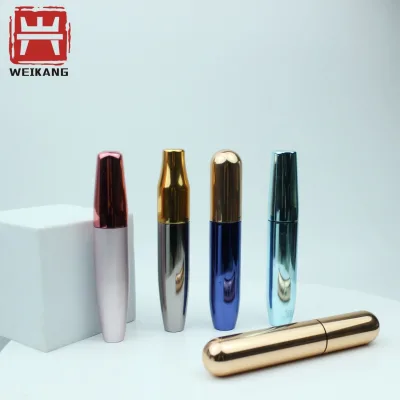


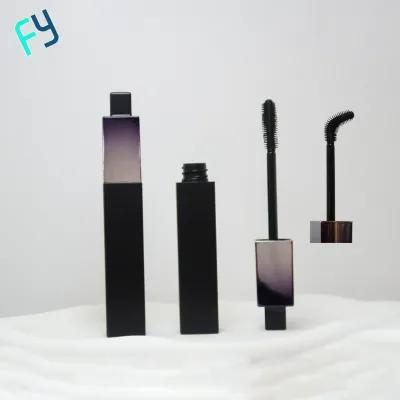


5ml Refillable Mascara Tube Purple Recyclable Empty Eyeliner Containers
$0.30 - $1.50
MOQ: 12000 Pieces


6ml Frosted Clear Cosmetic Mascara Tube Custom Package Empty Slim Mascara Tube
$0.50 - $0.55
MOQ: 12000 Pieces

Comprehensive Sourcing Guide
Recyclable Mascara Tube Sourcing Guide
Procuring recyclable mascara tubes requires a strategic focus on material composition and end-of-life processing capabilities. Buyers must prioritize suppliers who explicitly confirm the use of plastic materials designed for circular economy pathways, ensuring the product aligns with modern sustainability mandates. The observed market data indicates that while many tubes are labeled as recyclable, the specific polymer type and compatibility with local recycling streams vary significantly. This distinction is critical for brands aiming to meet strict environmental reporting standards without compromising on the structural integrity required for cosmetic packaging.
The sourcing landscape reveals a diverse range of customization options, including screen printing, hot stamping, and labeling, which can impact the recyclability of the final assembly. Suppliers often offer standard export cartons or inner PE bag packaging, but the integration of these secondary materials must be carefully evaluated to prevent contamination during the recycling process. Buyers should verify that the customization services provided do not introduce non-recyclable inks or adhesives that would render the entire unit unsuitable for standard recycling facilities.
Product Scope and Observed Listing Signals
The current market listings for recyclable mascara tubes display a wide variance in physical dimensions, with observed diameters ranging from 15mm to 16.5mm and heights between 133mm and 138mm. These specifications suggest that the product scope covers various volume capacities, typically falling within the 8ml to 15ml range, which is standard for cosmetic applications. Buyers must carefully cross-reference these physical attributes with their specific formulation requirements, as the internal volume and tube diameter directly influence the dispensing mechanism and user experience.
Listing signals also highlight significant flexibility in color and finish, with options ranging from clear and white to black, gold, and pink, alongside fully customized color requests. The availability of sealed or open tail ends further expands the scope, allowing procurement teams to select configurations that best suit their filling lines and branding strategies. However, the presence of these diverse options necessitates a rigorous verification process to ensure that the chosen aesthetic finishes do not compromise the core recyclable attribute of the plastic substrate.
Technical Specifications to Verify
Verification of technical specifications must begin with the confirmation of the base material, which is predominantly plastic in the observed listings. Buyers should demand detailed material data sheets that specify the exact polymer grade and confirm its recyclability status under relevant industry standards. The thickness of the tube wall, observed at approximately 1mm in some listings, is a critical parameter that affects both the durability of the packaging and the amount of material required for recycling. Ensuring that the wall thickness is consistent across the batch is essential for maintaining quality control and minimizing material waste.
Surface treatment processes, such as screen printing and labeling, must be scrutinized for their impact on the recyclability of the tube. While customization is available, the application of inks and adhesives must be compatible with the recycling stream to avoid contamination. Buyers should verify that the printing methods used, including hot stamping and engraving, utilize materials that can be easily separated or are themselves recyclable. Additionally, the standard export carton and inner PE bag packaging must be evaluated to ensure they do not introduce non-recyclable elements that could complicate the end-of-life management of the product.
Compliance and Safety Documentation
Compliance documentation for recyclable mascara tubes should include certifications such as ISO, CE, and FSC, which indicate adherence to quality and environmental management systems. These certifications serve as foundational evidence that the supplier operates under recognized standards, though buyers must verify the specific scope of each certification to ensure it covers the recyclability claims. The presence of multiple certifications suggests a robust quality management framework, but it is imperative to confirm that the specific product models, such as UW-C012-1072 or 20230401, are covered under these valid certificates.
Safety documentation must also address the suitability of the plastic material for direct contact with cosmetic products, particularly those applied near the eyes. Buyers should request test reports or declarations of conformity that confirm the material meets relevant safety standards for cosmetics packaging. While the observed listings mention certifications, they do not explicitly detail specific chemical migration tests or safety assessments. Therefore, procurement teams must ensure that the supplier provides comprehensive safety data sheets that validate the product's compliance with international cosmetic regulations and safety requirements.
Cost Drivers and Commercial Terms
Cost drivers for recyclable mascara tubes are heavily influenced by the level of customization required, including specific colors, printing methods, and unique dimensions. The observed minimum order quantities (MOQ) range from 100 to 12,000 units, with some listings indicating an MOQ of 10,000 pieces for customized orders. This variance suggests that higher customization levels and larger order volumes may offer better unit economics, but buyers must balance these factors against their inventory management capabilities and cash flow constraints. Understanding the relationship between order size and unit price is essential for optimizing the total cost of ownership.
Commercial terms also encompass packaging and logistics, with suppliers offering standard export cartons, inner PE bags, or boxed packaging. The origin of the products, primarily from China and Guangzhou, impacts lead times and shipping costs, which are critical components of the overall procurement budget. Buyers should negotiate clear terms regarding lead times and shipping responsibilities, as these factors can significantly affect the total landed cost. Additionally, the availability of customized services like screen printing and hot stamping may incur additional fees that need to be factored into the final cost analysis.
Supplier Qualification and Quality Control
Supplier qualification for recyclable mascara tubes requires a thorough assessment of their manufacturing capabilities and quality control systems. Buyers should verify that the supplier has a proven track record of producing plastic tubes that meet specific recyclability standards and can consistently deliver products with the required dimensions and finishes. The presence of certifications like ISO and CE is a positive indicator, but it is essential to conduct on-site audits or request detailed quality assurance reports to ensure that the supplier's processes align with the buyer's sustainability goals.
Quality control measures must extend beyond the initial production run to include ongoing monitoring of material consistency and printing quality. Buyers should establish clear acceptance criteria for color accuracy, print adhesion, and structural integrity to ensure that the final product meets brand standards. The ability to provide customized solutions, such as specific tail end configurations or unique color combinations, should be balanced with the supplier's capacity to maintain high quality across large production batches. Regular quality audits and sample testing are recommended to mitigate the risk of defects and ensure consistent product performance.
Long-Term Procurement Checks
Long-term procurement checks for recyclable mascara tubes should focus on the supplier's ability to maintain sustainability commitments over time. Buyers must regularly review the supplier's certification status and ensure that their recycling claims remain valid as regulations and industry standards evolve. The dynamic nature of environmental compliance requires ongoing dialogue with suppliers to confirm that their materials and processes continue to meet the latest sustainability benchmarks. This proactive approach helps mitigate the risk of non-compliance and ensures that the brand's environmental promises are upheld throughout the product lifecycle.
Additionally, buyers should monitor the supplier's capacity to scale production and adapt to changing market demands without compromising quality or sustainability. The ability to adjust order volumes and customization levels while maintaining cost efficiency is crucial for long-term success. Regular performance reviews and feedback loops with the supplier can help identify areas for improvement and foster a collaborative relationship that supports continuous innovation. By maintaining a strategic focus on these long-term factors, buyers can secure a reliable supply chain that aligns with their brand values and business objectives.
FAQs
What materials are used for recyclable mascara tubes?
These tubes are primarily manufactured from plastic, offering a durable and lightweight structure for cosmetic packaging. The material choice supports the recyclable feature, allowing for sustainable disposal after use. Buyers can select from various color options, including white, clear, black, gold, and pink, to match brand aesthetics while maintaining environmental responsibility.
Can I customize the printing on these mascara tubes?
Yes, customization is available with options for screen printing, labeling, hot stamping, and engraving. The surface treatment allows for detailed branding on the round tube design. Buyers can choose from standard export carton or inner PE bag packing, ensuring the printed designs remain protected during shipping and storage for global cosmetic clients.
What are the standard dimensions for these plastic tubes?
Standard diameters include 15mm and 16.5mm, with heights ranging from 133.0mm to 138.0mm depending on the specific model. The wall thickness is typically 1mm, providing structural integrity for 8ml to 15ml volumes. Custom lengths are also available to meet unique packaging requirements for various cosmetic product lines and branding needs.
What certifications do these recyclable tubes hold?
The products hold ISO, CE, and FSC certifications, ensuring compliance with international quality and safety standards. These credentials verify the manufacturing processes and material sourcing, providing confidence for global buyers. The ISO certification indicates adherence to quality management systems, while FSC supports responsible forestry practices for any paper-based components in the packaging.
What is the minimum order quantity for these tubes?
The minimum order quantity varies, with observed ranges starting from 100 units up to 12,000 units depending on the supplier and customization level. Some listings indicate an MOQ of 10,000 pieces for specific models. Buyers should verify the exact MOQ with manufacturers, as it impacts pricing tiers and production scheduling for bulk cosmetic packaging orders.
Where are these mascara tubes manufactured?
These tubes are manufactured in China, with specific production hubs located in Guangzhou. The origin ensures access to established supply chains and manufacturing expertise for plastic cosmetic packaging. Buyers can leverage this location for efficient logistics and sourcing, benefiting from the region's concentration of specialized factories and standardized export packaging solutions for global distribution.