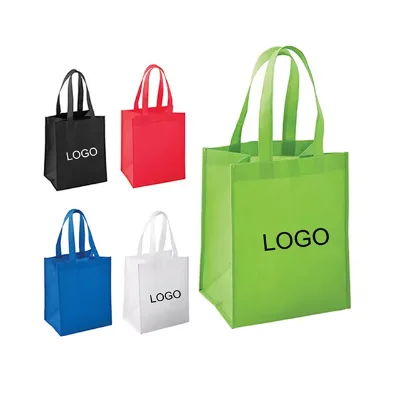
Source Recyclable Nonwoven Laminated Tote Bag for Shopping, Packing, Promotion
Compare 30 listings for the Recyclable Nonwoven Laminated Tote Bag with options for custom printing, various sizes, and handle styles. Buyers can evaluate specifications like weight limits and material composition from suppliers in China; compare the available evidence and request quotations based on your requirements.
Updated
Key considerations
Products List
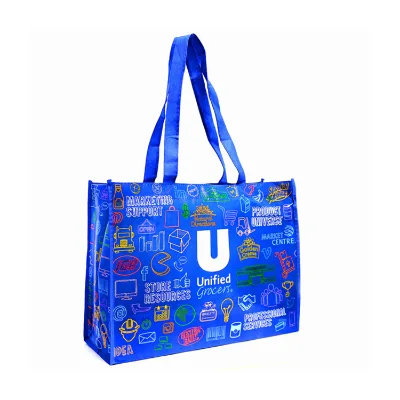
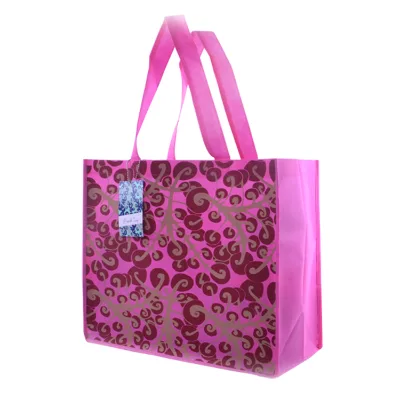
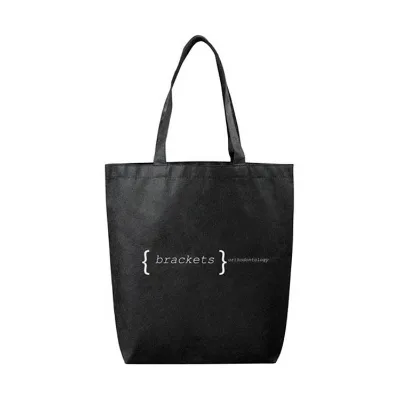
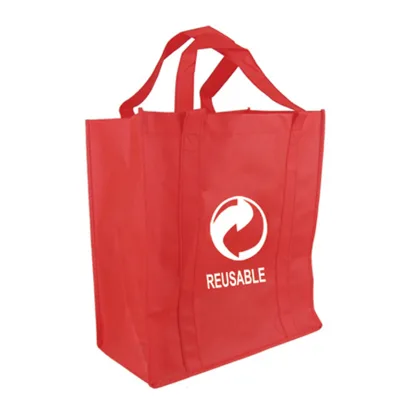
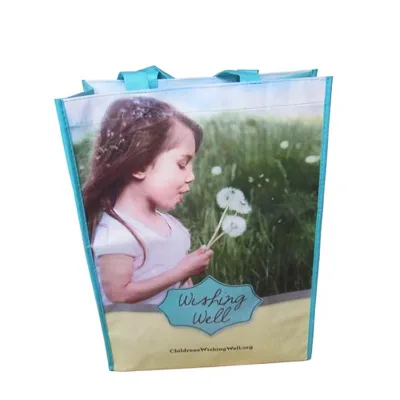
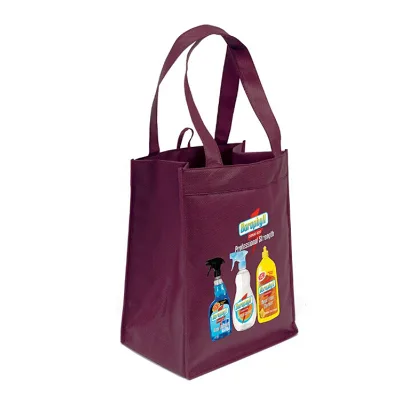

Custom Nonwoven Reusable Shopping Bag Laminated Eco Non-Woven Tote Bag
$0.289 - $0.366
MOQ: 10000 Pieces


Wholesale Tote Bag Laminated Nonwoven Fabric Bag with Logo Printing Bag
$0.02 - $0.07
MOQ: 10000 Pieces


Promotional Reusable Cloth Shopping Tote Bags PP Laminated Non Woven Tote Bag
$0.05 - $0.25
MOQ: 10000 Pieces


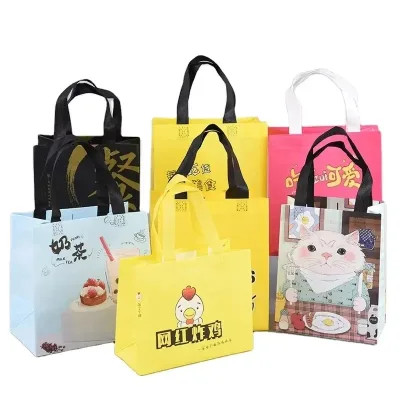


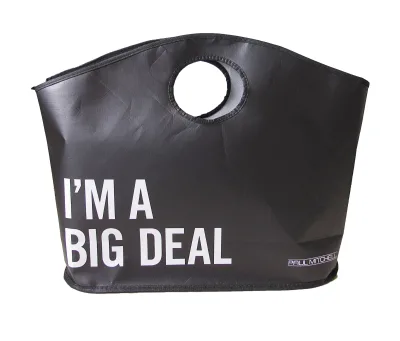
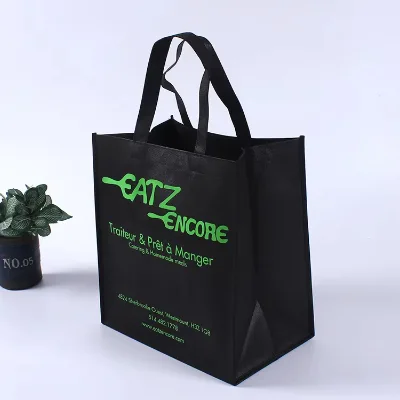
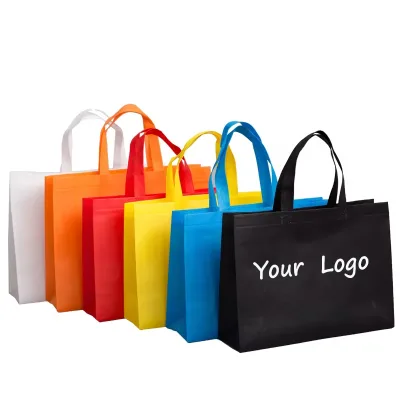

Promotional Custom PP Woven Non Woven Laminated Reusable Shopping Tote Bags
$0.30 - $0.60
MOQ: 1000 Pieces
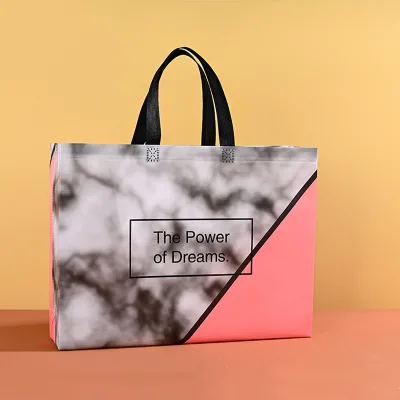

Promotional Custom PP Woven Non Woven Laminated Reusable Shopping Tote Bags
$0.05 - $0.065
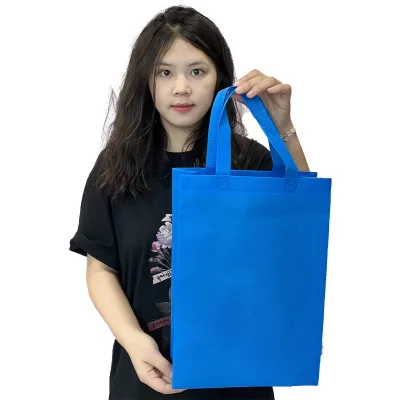
MOQ: 5000 Pieces

Comprehensive Sourcing Guide
Recyclable Nonwoven Laminated Tote Bag Sourcing Guide
Sourcing recyclable nonwoven laminated tote bags requires careful alignment of material specifications with intended usage scenarios. The observed market data indicates a strong presence of products labeled as non-woven, with some listings specifying 100% PP material composition. Buyers must distinguish between standard non-woven fabrics and laminated variants, as the latter often provide enhanced durability and water resistance, although some observed attributes explicitly state "Not Waterproof." This distinction is critical for applications ranging from general shopping to promotional giveaways, where the tactile feel and structural integrity of the bag directly impact brand perception.
The functional scope of these bags is broad, covering shopping, packing, and promotional activities. Observed listings highlight features such as handled designs, simplicity in style, and various printing techniques including heat transfer, offset printing, and watermark effects. These attributes suggest that the product category is highly customizable, allowing buyers to tailor the final output to specific marketing campaigns. However, the presence of conflicting material claims, such as both non-woven and 100% PP, necessitates rigorous verification to ensure the selected supplier can deliver the exact performance characteristics required for the end-use environment.
Product Scope and Observed Listing Signals
The current market landscape for these tote bags reveals a diverse range of product models and structural designs. Listings reference specific model identifiers such as Lara, Flora, Emma, and GRY-013, indicating that manufacturers offer distinct product lines rather than a single generic item. These models vary in handle type, with observations noting "Handled," "Hand-Held," and "Laminated bag" configurations. The presence of pattern types, including printing and watermark designs, suggests that visual customization is a primary driver for procurement. Buyers should expect a wide variety of aesthetic options, but must verify that the specific model selected meets the weight and durability requirements for their intended load.
Size and capacity are significant variables in this product category, with observed specifications ranging from Medium sizes of 30-50cm to fully customized dimensions. Some listings accept customized sizes, while others adhere to standard dimensions like 50/40/30CM. The weight limit for these bags is generally observed to be greater than 10 kg, which is a crucial factor for buyers planning to use them for heavy retail goods. Additionally, the gross weight of the individual bags varies, with some listed between 0.1-0.2 kg and others exceeding 0.3 kg. These variations in physical attributes directly influence shipping costs and the overall value proposition of the procurement order.
Technical Specifications to Verify
Material composition is the most critical technical specification to verify, given the conflicting data in the market. While the core keyword suggests nonwoven laminated bags, some observed listings explicitly state the material as 100% PP, which may refer to woven polypropylene rather than non-woven fabric. Buyers must clarify whether the product is truly non-woven, as this affects recyclability, texture, and cost. Furthermore, the lamination process, if present, should be confirmed to ensure it enhances durability without compromising the bag's ability to be recycled or disposed of according to local regulations. Misidentification of the material can lead to significant discrepancies in product performance and sustainability claims.
Printing and customization capabilities are another area requiring detailed verification. The observed data indicates multiple printing processes, including heat transfer, offset printing, and thermal transfer, as well as watermark effects. Buyers need to confirm which printing method is used for their specific order, as this impacts color fastness, detail resolution, and environmental impact. Additionally, the availability of logo printing and customization options should be explicitly confirmed with the supplier. It is essential to request physical samples to assess the quality of the print, the strength of the handles, and the overall finish of the bag before committing to a large-scale production run.
Compliance and Safety Documentation
Recyclability claims must be substantiated with appropriate documentation, as the term "recyclable" is often used loosely in marketing materials. Buyers should request evidence of compliance with recognized recycling standards, such as EN13432, although the confidence level for this specific standard in the provided context is low. It is crucial to verify whether the non-woven material and any laminated layers are compatible with local recycling infrastructure. Suppliers should provide clear information on the end-of-life options for the product, including whether it is biodegradable, compostable, or suitable for mechanical recycling. Without proper documentation, buyers risk making unsubstantiated environmental claims that could lead to regulatory scrutiny or reputational damage.
Safety and chemical compliance are equally important, particularly for bags used in food-related or consumer-facing applications. Buyers should inquire about the safety of the inks and adhesives used in the printing and lamination processes. While specific test results are not provided in the observed data, suppliers should be able to provide certificates of analysis or compliance statements regarding the absence of harmful substances. This is especially relevant for bags intended for promotional use in public spaces, where direct contact with consumers is likely. Ensuring that the product meets relevant safety standards helps mitigate liability and ensures that the bags are suitable for their intended use without posing health risks.
Cost Drivers and Commercial Terms
The cost of these tote bags is influenced by several key factors, including material type, printing complexity, and order volume. Observed minimum order quantities (MOQ) range from 100 to 10,000 pieces, with some listings specifying an MOQ of 10,000 PCS. Higher volumes typically result in lower unit prices, but buyers must balance this with their storage capacity and demand forecast. The choice of printing process also affects cost, with offset printing and heat transfer potentially having different price points depending on the number of colors and design complexity. Additionally, customization options such as unique sizes or special handle designs may incur additional setup fees or higher per-unit costs.
Commercial terms and delivery timelines are critical components of the procurement strategy. Observed delivery times are listed as 7-10 days after receiving the deposit, which is relatively fast but subject to change based on order size and supplier capacity. Buyers should confirm the payment terms, including the percentage of the deposit required and the balance payment schedule. The packing method, observed as bag/carton or carton-only, also impacts shipping costs and efficiency. Understanding these commercial terms allows buyers to accurately calculate the total landed cost and plan their inventory management accordingly, ensuring that the supply chain remains efficient and cost-effective.
Supplier Qualification and Quality Control
Supplier qualification is essential to ensure consistent quality and reliable delivery. Buyers should verify the supplier's manufacturing capabilities, including their production capacity and quality control processes. The observed data indicates that suppliers are located in regions such as Jiangsu, Fujian, and Quanzhou in China, which are known for their textile and bag manufacturing industries. However, buyers should conduct due diligence to confirm the supplier's reputation, financial stability, and ability to meet specific quality standards. Requesting references or case studies from previous clients can provide valuable insights into the supplier's reliability and performance.
Quality control measures should be clearly defined and agreed upon before production begins. Buyers should specify the acceptable tolerance for dimensions, weight, and print quality. It is advisable to request pre-production samples and conduct thorough inspections before approving the bulk order. Additionally, buyers should establish a clear process for handling defects or non-conforming products, including return policies and compensation terms. Regular communication with the supplier throughout the production process can help identify and resolve potential issues early, ensuring that the final product meets the buyer's expectations and requirements.
Long-Term Procurement Checks
Long-term procurement success depends on establishing a robust relationship with suppliers and continuously monitoring performance. Buyers should implement a system for tracking supplier performance metrics, such as on-time delivery rates, product quality, and responsiveness to issues. Regular audits and reviews can help identify areas for improvement and ensure that the supplier remains aligned with the buyer's evolving needs. Additionally, buyers should stay informed about changes in material regulations, recycling standards, and market trends that may impact the sourcing strategy. This proactive approach helps mitigate risks and ensures that the supply chain remains resilient and competitive.
Sustainability and ethical sourcing are increasingly important considerations for long-term procurement. Buyers should regularly assess the environmental impact of their sourcing decisions and seek opportunities to improve sustainability. This may involve working with suppliers to reduce waste, improve energy efficiency, or source more sustainable materials. Additionally, buyers should ensure that their suppliers adhere to ethical labor practices and provide safe working conditions for their employees. By prioritizing sustainability and ethics, buyers can enhance their brand reputation and contribute to a more responsible and sustainable supply chain.
FAQs
What materials are used for these laminated tote bags?
The bags are constructed from non-woven materials or 100% PP. Some models feature a laminated finish for added durability. The material choice ensures the bags are suitable for shopping and packing while maintaining a medium soft hardness. This composition supports the weight limit of over 10 kg for general use.
Can I customize the logo and printing on the bags?
Yes, customization is available for logos and printing. The bags accept printed logos using heat transfer or offset printing processes. Watermark designs are also an option. You can request specific patterns or simplicity styles. The factory offers free samples to verify the print quality before bulk production begins.
What is the minimum order quantity for these bags?
The minimum order quantity is typically 10,000 pieces. This MOQ applies to standard production runs for shopping and promotional use. Buyers should note that this quantity is required to secure the factory price advantage. Customized sizes and models may also adhere to this baseline requirement for efficient manufacturing.
How long does delivery take after placing an order?
Delivery time is generally 7 to 10 days after receiving the deposit. This lead time applies to standard production cycles. The bags are packed in cartons or bags for shipment. Buyers should confirm the exact timeline with the supplier, as production schedules may vary based on order volume and customization complexity.
Where are these tote bags manufactured?
These bags are manufactured in China, specifically in Jiangsu and Fujian provinces. Origins include Quanzhou and other industrial hubs. The location supports efficient logistics for global shipping. Buyers can verify the specific factory location during the sourcing process to ensure alignment with their supply chain requirements.
Are these bags waterproof for outdoor use?
No, these bags are not waterproof. They are designed for shopping, packing, and garment use. The non-woven or PP material provides durability but lacks full water resistance. Buyers should avoid using them in heavy rain. They are suitable for indoor or dry outdoor promotional events.