Source Recycled Art Paper Chocolate Box for Gifts, Food, and Retail
Find 30 options for Recycled Art Paper Chocolate Box packaging. Compare customization, printing, and material specs from verified suppliers to find the right fit for your brand needs. Evaluate weight limits, surface handling, and logo printing capabilities to ensure your product meets quality standards and aesthetic requirements for effective marketing and distribution.
Key considerations
Products List


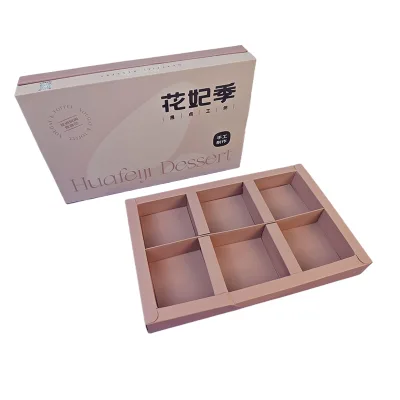


New Design Chocolate Packaging Empty Box Christmas Gift Packaging Paper Box
$0.29 - $0.69
MOQ: 500 Pieces


Custom Color-Printed Chocolate Paper Packaging Boxes & Candy Paper Boxes
$0.15 - $0.30
MOQ: 3000 Pieces

Comprehensive Sourcing Guide
Recycled Art Paper Chocolate Box Sourcing Guide
Sourcing recycled art paper chocolate boxes requires balancing aesthetic appeal with sustainable material claims. Buyers must verify that the "recycled" designation refers to post-consumer waste content rather than generic paperboard. The visual finish of art paper allows for high-quality offset printing, which is critical for brand presentation. However, the structural integrity of recycled fibers can vary, necessitating rigorous testing for crush resistance. Procurement teams should prioritize suppliers who provide transparent material composition data to ensure the packaging meets both luxury branding standards and environmental commitments.
The market offers a wide range of customization options, including logo printing and color matching. Common color palettes include gold, silver, white, and black, often achieved through foil stamping or specialized inks. Buyers should note that while many listings claim customization, the minimum order quantities can be substantial, often starting at two thousand pieces. This threshold impacts inventory management and cash flow. Understanding the trade-off between design flexibility and production volume is essential for small-batch luxury brands versus large-scale distributors seeking consistent supply chains for seasonal promotions.
Product Scope and Observed Listing Signals
Market listings for recycled art paper chocolate boxes reveal a diverse product landscape with varying specifications. Observed price points range from low-cost options to premium custom designs, reflecting differences in material quality and printing complexity. Minimum order quantities typically span from ten to three thousand units, indicating that suppliers cater to both trial orders and bulk production runs. The gross weight per batch often hovers around thirteen kilograms, suggesting dense packaging configurations. Buyers should analyze these signals to determine if a supplier’s operational scale aligns with their procurement volume and budget constraints.
Product models such as HB20250311AL-CB12 and Vin11052034 indicate standardized yet customizable frameworks. Some listings specify middle sizes with weights under half a kilogram, while others accommodate heavier loads up to five kilograms. The shape varies between rectangular and square formats, with some designs featuring handles for enhanced portability. These structural differences directly influence shipping costs and shelf display efficiency. Procurement specialists must cross-reference these observed attributes with their specific product dimensions to ensure the packaging provides adequate protection without excessive material usage or wasted shelf space.
Technical Specifications to Verify
Material composition is the primary technical variable, with options including kraft paper, art paper, and corrugated paper. Recycled material claims must be validated against actual fiber content and strength properties. Art paper offers a smooth surface ideal for detailed offset printing, whereas kraft paper provides a rustic, eco-friendly aesthetic. Buyers should verify the board thickness and burst strength to ensure the box can withstand stacking and handling during logistics. The hardness is generally soft to medium, allowing for easy assembly but requiring careful handling to prevent deformation. Confirming these physical properties prevents product damage and ensures a premium unboxing experience.
Printing specifications significantly impact the final appearance and cost. Two-sided printing is common, allowing for comprehensive branding on both interior and exterior surfaces. Surface handling techniques like offset printing enable high-resolution graphics and consistent color reproduction. Color options range from standard black, white, and blue to customized metallic finishes like gold and silver. Buyers must confirm the ink type, ensuring it is food-safe if direct contact with chocolate is possible. Additionally, verify the packing standards, which may include individual wrapping or carton configurations, to align with warehouse storage and retail display requirements.
Compliance and Safety Documentation
Food safety is paramount when sourcing packaging for chocolate products. Buyers must ensure that all materials comply with relevant food contact regulations, such as FDA or EU standards, depending on the target market. Documentation should confirm that inks, adhesives, and coatings do not migrate harmful substances into the food. While some listings mention ISO and HACCP certifications, these typically apply to the manufacturing process rather than the material itself. Procurement teams should request specific migration test reports to verify that the recycled art paper meets strict safety thresholds for direct or indirect food contact.
Environmental certifications add value but require careful verification. The FSC certification is often cited, indicating responsible forest management, but buyers should distinguish between FSC Mix and FSC 100% claims. Recycled content certifications, such as GRAS or specific recycled percentage labels, provide clearer evidence of sustainability. Buyers should ask for third-party audit reports to substantiate these claims. Additionally, verify that the supplier adheres to local waste management and recycling guidelines. Ensuring comprehensive compliance documentation protects the brand from regulatory risks and supports marketing claims to environmentally conscious consumers.
Cost Drivers and Commercial Terms
Several factors influence the total cost of recycled art paper chocolate boxes. Material quality is a primary driver, with higher recycled content or premium art paper increasing base costs. Printing complexity, including the number of colors and special finishes like foil stamping, adds significant expense. Minimum order quantities of two thousand pieces often yield better unit prices, but buyers must balance this with inventory holding costs. Sample costs are frequently free, allowing for quality assessment before committing to large orders. Understanding these cost components helps in negotiating favorable terms and forecasting accurate project budgets.
Commercial terms vary widely among suppliers. Lead times can be affected by customization levels and production schedules. Buyers should clarify payment terms, such as deposits and balance payments upon shipment. Shipping methods and packaging configurations impact logistics costs, with carton packing being standard for bulk shipments. Some suppliers offer complete certification packages, which may reduce administrative overhead. It is crucial to confirm whether the quoted price includes tooling fees for custom dies or printing plates. Transparent commercial terms prevent unexpected expenses and ensure a smooth procurement process from order placement to delivery.
Supplier Qualification and Quality Control
Evaluating supplier capabilities is essential for consistent quality. Buyers should assess the supplier’s production capacity and experience with recycled materials. Factories with specialized equipment for offset printing and die-cutting are better suited for high-quality art paper boxes. Quality control processes should include incoming material inspection, in-process checks, and final random sampling. Suppliers claiming complete certification should provide evidence of their quality management systems. Verifying their ability to handle custom designs and maintain color consistency across batches is critical for brand integrity.
Communication and responsiveness are key indicators of supplier reliability. A qualified supplier will provide clear technical support and timely updates on production status. Buyers should request references or case studies from previous clients in the food or gift industry. Assessing the supplier’s flexibility in handling rush orders or design changes can be valuable for dynamic market needs. Additionally, verify their after-sales service policies for defective goods. Establishing a strong relationship with a qualified supplier ensures long-term stability and reduces the risk of supply chain disruptions.
Long-Term Procurement Checks
Sustainability goals require ongoing monitoring of supplier practices. Buyers should periodically review the supplier’s environmental performance and updates to their material sourcing. Regular audits can verify continued compliance with safety and quality standards. As market trends evolve, suppliers may introduce new eco-friendly materials or printing techniques. Procurement teams should stay informed about these innovations to maintain competitive advantage. Building a long-term partnership allows for collaborative improvements in packaging design and cost efficiency over time.
Market dynamics and regulatory changes can impact sourcing strategies. Buyers should regularly reassess their packaging requirements in light of new legislation or consumer preferences. Maintaining a diversified supplier base can mitigate risks associated with single-source dependencies. Continuous feedback loops with internal teams and end-users help refine packaging specifications. By staying proactive, buyers can ensure that their recycled art paper chocolate boxes remain relevant, compliant, and cost-effective. This strategic approach supports brand loyalty and operational resilience in a competitive marketplace.
FAQs
What material is used for the Recycled Art Paper Chocolate Box?
The box is made from recycled cardboard paperboard with an art paper surface that supports offset printing. This combination gives a smooth printable finish on a recycled base, which suits confectionery and gift packaging. Buyers can confirm the exact board thickness and art paper weight before sampling, since specifications may vary by order configuration.
What is the minimum order quantity for a Recycled Art Paper Chocolate Box?
The listed MOQ is 2000 pieces for this chocolate box. Orders are sold in multiples of 100, so quantities are adjusted in increments after the minimum is met. Buyers needing different counts should confirm the current MOQ before ordering, because requirements can differ depending on size, printing, and packaging choices.
Can I customize the color and logo on the chocolate box?
Yes, customization is available. The box comes with logo printing, and color options include gold, silver, white, black, blue, colorful, or fully customized printing. Two-sided offset printing is offered, so artwork can appear on both surfaces. Supply print-ready artwork during sampling so the supplier can confirm color accuracy before production begins.
How is the Recycled Art Paper Chocolate Box packed for shipping?
The boxes are individually packed first, then packed into an outer carton for transport. Some configurations note kraft packing and carton packing, and gross weight per batch is listed at 13kg. Individually wrapped units help protect printed surfaces during handling, while the outer carton supports bulk shipment and warehouse storage.
What sizes and counts are available for the chocolate box?
The box is a middle-size rectangle, and available counts include 6 pieces, 12 pieces, and 24 pieces, with other configurations listed as 12, 24, and 48 counts. Custom sizes can be made according to customer requirements. Confirm the count configuration and internal tray layout when requesting samples for your confectionery products.
Which certifications or standards apply to this chocolate box?
The supplier lists complete certification as an advantage, and product standards noted include ISO and HACCP. Certification relevance depends on the destination and use, especially for food contact packaging. Buyers should request copies of the specific certificates and confirm which standards apply to their exact product configuration before placing a production order.
Is a sample available before placing a bulk order?
Yes, the sample cost is listed as free, which lets buyers evaluate material, printing quality, and construction before committing. While samples are free, buyers typically arrange shipping and should confirm any sample-related conditions with the supplier. Review artwork placement, color matching, and box strength on the sample before approving mass production.
Can the Recycled Art Paper Chocolate Box be used for products other than chocolate?
Yes. The listed usage covers food and gifts, and related applications include cosmetics, jewelry, electronic products, health care products, garments, and greeting cards. Weight capacity is under 5kg with a soft hardness rating. Buyers should verify structural strength and food-contact suitability for their specific product before switching applications.