Source Recycled Aluminum Reclosable Ziplock Bag for Stationery, Medical, and Food
Compare 30 listings for Recycled Aluminum Reclosable Ziplock Bag options featuring waterproof performance and custom designs. Buyers can evaluate manufacturers in Dongguan for applications in stationery, medical, and food packaging with various sealing methods.
Key considerations
Products List


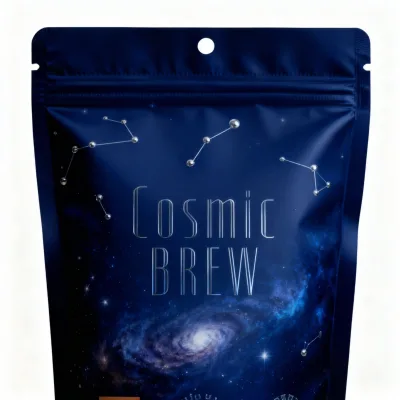
Top Zip Lock Resealable Laminated Aluminum Foil Stand up Drink Ziplock Bag for Snack
$0.03 - $0.12
MOQ: 10000 Pieces




Comprehensive Sourcing Guide
Strategic Sourcing Guide for Recycled Aluminum Reclosable Ziplock Bags
The global shift toward sustainable packaging has elevated the demand for recycled aluminum reclosable ziplock bags, yet the specific product data available for this exact material composition presents a unique challenge for procurement teams. While the core keyword suggests a composite material utilizing recycled aluminum foil for barrier properties combined with a reclosable mechanism, the supplied product facts indicate a primary focus on polypropylene and high-pressure polyethylene plastics. This guide addresses the discrepancy between the idealized keyword and the available market data, providing a disciplined framework for buyers to navigate the sector, verify material claims, and ensure that any supplier offering "recycled aluminum" solutions meets rigorous technical and compliance standards.
Material Composition and Technical Verification
The fundamental distinction in sourcing this category lies in the raw material verification. The supplied product facts explicitly list "Polypropylene Plastic Bag" and "High Pressure Polyethylene Plastic Bag" as the primary raw materials for models such as MS-LP140 and MS-ms008. These materials are standard for general-purpose packaging but do not inherently possess the metallic barrier properties associated with aluminum. A true recycled aluminum reclosable bag typically consists of a multi-layer laminate where an aluminum foil layer provides an impermeable barrier against moisture, oxygen, and light, often combined with a polyethylene sealant layer.
Buyers must rigorously verify the "Raw Materials" attribute against the specific product model. If a supplier claims a product is a "recycled aluminum" bag, the technical specification must explicitly state the inclusion of aluminum foil, not just polypropylene or polyethylene. The supplied data notes a "Composite Packaging Bag" making process, which is a necessary condition for aluminum laminates, but the specific material layer composition must be confirmed. Without explicit confirmation of an aluminum layer, the product is likely a standard plastic ziplock bag, which lacks the high-barrier protection required for sensitive food or pharmaceutical applications. The transparency attribute in the supplied data is listed as both "Transparent" and "Non-transparent," suggesting that aluminum variants would typically be opaque to fulfill their light-blocking function, a critical feature for light-sensitive products.
Compliance and Certification Standards
In the packaging industry, certification serves as the primary proxy for quality assurance and regulatory compliance. The supplied product facts highlight several critical certifications, including "QS Certificate," "ISO9001:2008," and "ISO14001:2004." For a buyer seeking recycled aluminum bags, the presence of an ISO9001 certification is a baseline requirement, indicating that the manufacturer maintains a quality management system. However, the specific standard listed is ISO9001:2008, which is an older version. Procurement teams should verify if the supplier has upgraded to the current ISO9001:2015 standard, as this reflects more recent quality control methodologies.
Furthermore, the "ISO14001:2004" certification is particularly relevant for recycled content claims. This standard focuses on environmental management systems, which is essential when sourcing products marketed as "recycled." It provides assurance that the manufacturer has a system in place to manage the environmental impact of their production, including the sourcing of recycled materials. The supplied data also mentions "SGS, RoHS, CE" standards for certain models. RoHS compliance is vital for ensuring the absence of hazardous substances, which is a mandatory requirement for packaging used in food and medical applications. Buyers must ensure that the specific bag model they select carries these certifications, as they are not universally applied to all product lines within a single manufacturer. The "CATONS" standard mentioned for model CB0007H requires specific verification to understand its applicability to aluminum recycling processes.
Cost Drivers and Pricing Structures
The cost of recycled aluminum reclosable ziplock bags is driven by several volatile factors, primarily the price of aluminum scrap and the complexity of the lamination process. The observed price range in the supplied data spans from 0 to 3800 USD, which likely reflects a wide variety of product types, from simple plastic pouches to complex industrial packaging orders. For a true aluminum laminate bag, the cost will be significantly higher than standard polyethylene bags due to the raw material cost of aluminum and the energy-intensive recycling process.
The Minimum Order Quantity (MOQ) is another critical cost driver. The observed MOQ range is extensive, from 1 to 1,000,000 units. For buyers testing the market with recycled aluminum bags, an MOQ of 1 unit is unlikely to be feasible for custom aluminum laminates due to the setup costs of the extrusion and lamination lines. Conversely, an MOQ of 1,000,000 suggests a high-volume industrial operation. Buyers should expect a tiered pricing structure where the unit cost decreases as the order volume increases. The "Custom Design up to 10 Colors" feature adds to the cost, as each additional color requires a separate printing plate and setup time. The "Size&Thickness: Per Your Request" specification indicates that non-standard dimensions will incur additional tooling costs, further influencing the final price.
Typical Applications and Functional Requirements
The versatility of the supplied product attributes points to a broad range of applications, including "Stationery Packaging," "Medical Packaging," "Gift Packaging," "Food Packaging," "Cosmetic Packaging," and "Clothing Packaging." However, the specific barrier properties of recycled aluminum make it particularly suited for applications requiring high protection against moisture and oxygen. The "Moisture Proof" feature listed in the data is a key indicator of the bag's utility in food preservation and medical storage.
The "Sealing Method: Heat-sealing" and "Style: Stand up Bag/Stand up Zipper Bag/Zipper Bag" suggest that these bags are designed for retail display and consumer convenience. The "Zip Lock" feature is essential for reclosability, allowing consumers to reseal the package after opening. For food packaging, the "Disposable" nature of the bags is a standard requirement, but the "Bio-Degradable" and "Recyclable" features listed in the data are increasingly important for eco-conscious brands. If a supplier claims their aluminum bags are recyclable, the buyer must verify the recycling infrastructure in the target market, as aluminum-plastic composites can be difficult to recycle in standard municipal systems. The "Shock Resistance" feature is critical for medical and cosmetic packaging, ensuring the integrity of the contents during transit.
Supplier Evaluation and Origin Verification
Evaluating a supplier for recycled aluminum bags requires a deep dive into their manufacturing capabilities and origin. The supplied data identifies the location as "Dongguan, Guangdong Province, China," a major hub for packaging manufacturing. The "Business Type: Manufacturer" attribute confirms that the supplier is not a trading company, which generally offers better control over quality and pricing. However, buyers must verify the specific production line capabilities. Does the manufacturer have the equipment to laminate aluminum foil with plastic layers? Can they source certified recycled aluminum?
The "OEM: Accept" attribute indicates that the supplier is willing to produce custom designs, which is essential for branded packaging. Buyers should request samples to verify the "Color: Mixed Color or Custmized" capability and the print quality, which is specified as "Custom Design up to 10 Colors." The "Bag Variety: Your Bag" and "Bag Variety: Standing up Doypack" suggest flexibility in design, but the buyer must ensure the structural integrity of the "Quad Sealed Flat Bottom" or "Square Bottom Bag" designs. The "Product Type: Quad Sealed Flat Bottom" is a specific configuration that offers superior stability for shelf display, a feature that should be prioritized for retail applications.
Quality Control and Testing Protocols
Quality control is paramount when dealing with composite materials like recycled aluminum. The supplied data lists "Feature: Disposable, Antistatic, Shock Resistance, Bio-Degradable, Recyclable, Moisture Proof." Each of these attributes requires specific testing protocols. For instance, "Antistatic" properties are crucial for electronic components or pharmaceuticals, while "Moisture Proof" is essential for food. The "Sealing Method: Heat-sealing" must be tested for seal strength to prevent leakage.
Buyers should demand test results for the "Standard: SGS, RoHS, CE" certifications mentioned. SGS testing often includes seal strength, burst strength, and barrier property tests. The "RoHS" compliance ensures that the recycled aluminum and any inks used do not contain restricted hazardous substances. The "QS Certificate" is a specific quality standard often required for food packaging in certain regions, ensuring that the production environment meets hygiene standards. The "Product Packing: Carton Box Outer Packing" and "PE Bag+ Carton + Pallet" specifications indicate that the supplier has established packaging protocols to protect the bags during shipping, which is a key aspect of logistics quality control.
Long-Term Procurement Considerations
Sourcing recycled aluminum reclosable ziplock bags is not just a transactional decision but a strategic move toward sustainability. The "Standard: customized" attribute implies that specifications can be tailored, but buyers must consider the long-term availability of recycled aluminum feedstock. Supply chain stability is a major concern, as the availability of high-quality recycled aluminum can fluctuate based on global market conditions.
The "Season: Spring, Summer, Autumn, Winter" attribute suggests that the product is suitable for year-round use, but buyers should consider seasonal demand spikes, particularly for "Gift Packaging" and "Food Packaging" during holidays. The "Occasion: Home, Outdoor, Traveling" indicates a broad consumer base, but the durability of the "Zip Lock" mechanism over time is a critical factor for customer satisfaction. Buyers should also evaluate the "Lead Time" and "MOQ" flexibility, as these factors impact inventory management and cash flow. Finally, the "Certificate 1: QS Certificate" and "Certificate 2: ISO9001:2008" should be reviewed for their renewal status to ensure ongoing compliance. By focusing on these long-term factors, buyers can secure a reliable supply chain that supports their sustainability goals and operational needs.
FAQs
What raw materials are used for these bags?
The primary raw materials are Polypropylene Plastic Bag and High Pressure Polyethylene Plastic Bag. While the guide discusses recycled aluminum, the supplied facts explicitly list these plastics for models like MS-LP140 and MS-ms008, indicating standard plastic construction rather than aluminum foil.
Which certifications do the manufacturers hold?
Manufacturers hold QS Certificate, ISO9001:2008, and ISO14001:2004 certifications. Some models also meet SGS, RoHS, and CE standards. Buyers should verify if the ISO9001 certification has been updated to the 2015 version for current quality assurance.
How many colors can be printed on the bags?
Custom design printing is available up to 10 colors. The specific color options can be mixed or customized, allowing for flexible branding. This printing capability applies to the various styles including stand-up and zipper bags.
What are the available bag styles and shapes?
Styles include Three Sides Sealed Bag, Stand up Bag, and Zipper Bag. Shapes vary from Plastic Bags to Square Bottom Bag and Quad Sealed Flat Bottom. The variety allows for different packaging needs like Doypack or standard pouches.
Where are these bags manufactured?
The products originate from Dongguan, Guangdong Province, China. The business type is listed as Manufacturer, indicating direct production capabilities. This location is a known hub for packaging manufacturing in the region.
Can the bags be customized for specific sizes?
Yes, size and thickness are available per your request. The standard is customized, allowing buyers to specify exact dimensions. This flexibility supports various applications from food to medical packaging.