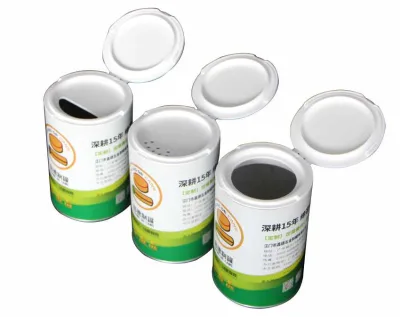
Source Recycled Craft Paper Seasoning Can for tea, food, and spice storage
Compare 30 listings for Recycled Craft Paper Seasoning Can options featuring eco-friendly materials and customizable shapes. Buyers can evaluate suppliers offering paper, tin, and metal variations for chemical, tea, and food packaging needs.
Key considerations
Products List



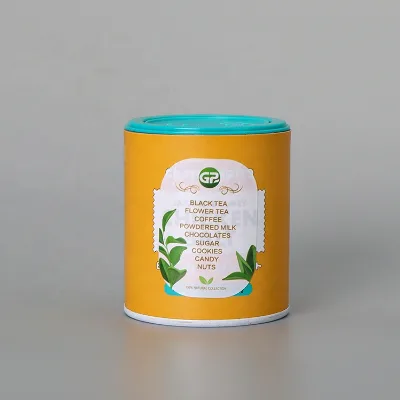
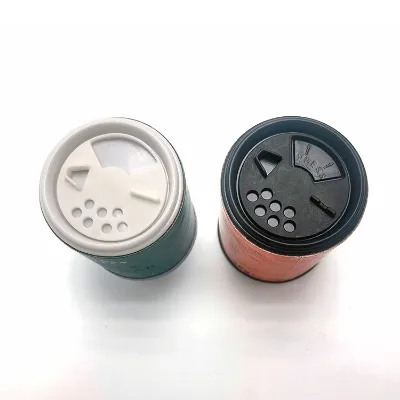
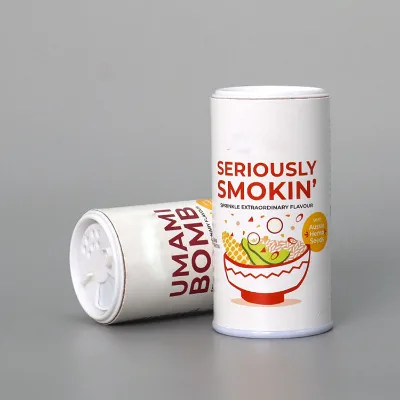


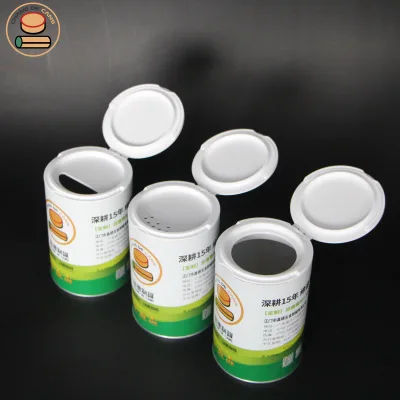

Custom Paint Can Style Tin Can with Handle and Cover for Gift Packaging
$0.62 - $0.68
MOQ: 3000 Pieces





Comprehensive Sourcing Guide
Strategic Sourcing Guide for Recycled Craft Paper Seasoning Can
The global demand for sustainable packaging solutions has elevated the profile of recycled craft paper seasoning cans, positioning them as a critical component in modern supply chains for food and chemical industries. For procurement professionals, navigating the market for these specific containers requires a granular understanding of material composition, manufacturing capabilities, and compliance frameworks. This guide synthesizes available product attributes and industry standards to provide a structured approach for sourcing high-quality, eco-friendly seasoning packaging. The focus remains on verified observations regarding material types, customization options, and operational parameters to ensure decision-making is grounded in factual data rather than speculative marketing claims.
Material Composition and Structural Integrity
The foundation of any sourcing strategy for seasoning containers lies in the verification of material composition. The market offers a diverse array of options, ranging from pure paper constructions to composite structures designed for enhanced barrier properties. In the context of recycled craft paper seasoning cans, the primary material is often identified as paper, specifically utilizing craft paper types known for their durability and sustainability. However, procurement teams must recognize that many products in this category utilize a hybrid approach, combining paper with plastic or other polymers to ensure moisture resistance and structural rigidity.
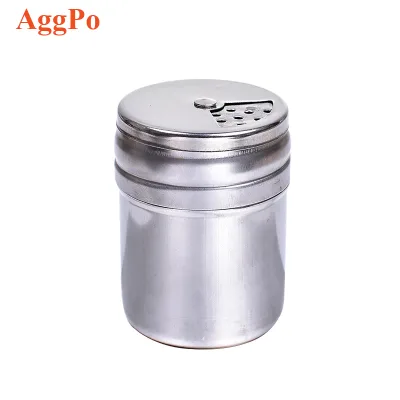
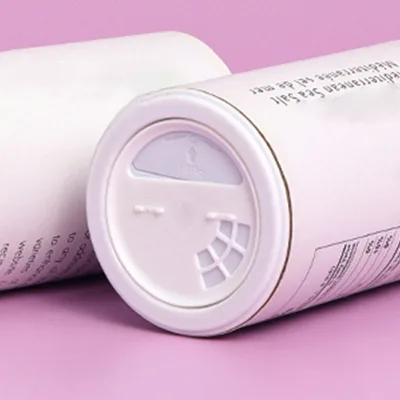
Specific product data indicates that materials can include Paper, Paper+Plastic, and various composite structures involving Tin, PVC, PET, and OPP for lids. This variation is critical because the primary container body may be crafted from recycled paper to meet eco-friendly goals, while the lid material is selected based on the specific chemical or physical properties required for the contents. For instance, a stainless steel or tin lid might be paired with a paper body to create a robust seal for spices, whereas a PVC or PET lid might be used for different chemical applications. Buyers must explicitly verify the ratio of recycled content within the paper structure, as "recycled" is a broad term that can encompass post-consumer waste, pre-consumer waste, or a blend of both. The structural integrity of these cans is further influenced by the shape, which is observed to be available in square, round, and oval configurations. The choice of shape impacts not only the aesthetic appeal but also the stacking efficiency and shelf presence of the final product.
Technical Specifications and Customization Parameters
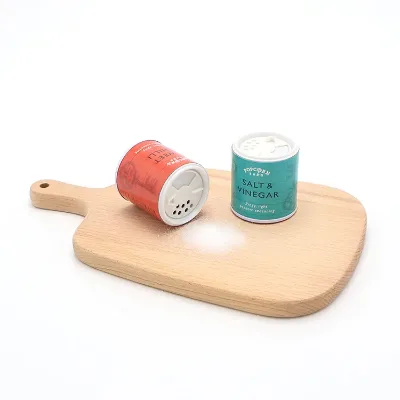
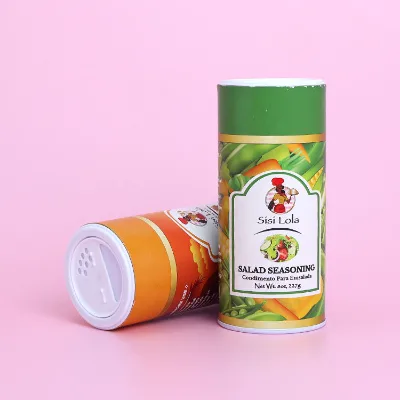
When evaluating potential suppliers, technical specifications serve as the primary filter for product suitability. The core keyword "Recycled Craft Paper Seasoning Can" implies a need for containers that can hold dry goods like salt, pepper, sugar, and various spices, as well as potential chemical or aerosol applications. The observed product attributes highlight a significant emphasis on customization. Suppliers frequently offer "Customized" options, allowing buyers to specify dimensions, shapes, and colors to align with brand identity. The color palette for these containers is diverse, including yellow, red, blue, and green, enabling distinct visual differentiation on retail shelves.
Customization extends beyond aesthetics to functional specifications. The "Standard" packaging often refers to the internal arrangement, such as PE bags and pallet packing, but the external dimensions are frequently adjustable. One observed specification lists a "Custom size" standard, while another notes a specific volume of 3 liters, indicating that capacity can be tailored to the product's density and volume requirements. The model numbers associated with these products, such as can20201012 or A7-230907005, suggest that manufacturers maintain a catalog of base designs that can be modified. For buyers, this means that while a standard round or square shape is common, the exact diameter, height, and wall thickness must be defined in the purchase order to ensure compatibility with filling machinery. Furthermore, the printing handling capabilities are extensive, offering options like embossing, UV coating, varnishing, glossy lamination, stamping, matt lamination, and gold foil. These finishing techniques are essential for creating high-quality branding on the paper surface, but they also add layers to the cost structure that must be accounted for in the budget.
Compliance, Certification, and Safety Standards
Ensuring that seasoning cans meet safety and environmental standards is paramount, particularly for food-grade applications. The product data explicitly mentions "Eco-Friendly" as a key attribute, suggesting that the manufacturing process and material sourcing adhere to sustainability principles. A critical verification point for buyers is the certification status of the supplier. While one specific certification mentioned is ISO, buyers must not assume this applies universally to all listed products without verification. The presence of FSC (Forest Stewardship Council) certification is often a relevant benchmark for paper products, indicating that the wood pulp used in the paper comes from responsibly managed forests. However, this should be treated as a verification target rather than a guaranteed attribute for every supplier.
For food safety, the claim of "100% Food Safe" is a significant observation that requires validation through third-party testing reports. Procurement teams should request documentation proving that the recycled paper and any adhesives or coatings used do not leach harmful substances into the food product. The usage categories listed include Tea, Food, Aerosol, and Chemical, which implies that the barrier properties of the paper must be sufficient to prevent contamination or degradation. If the can is intended for chemical use, the material compatibility with the specific chemical agent must be confirmed. The "Quality" attribute of being food-safe is a strong selling point, but it must be backed by current test results and compliance certificates relevant to the destination market. Buyers should also verify if the supplier adheres to local regulations regarding recycled materials in food contact applications, as these regulations vary significantly by region.
Cost Drivers and Economic Considerations
The economics of sourcing recycled craft paper seasoning cans are influenced by several variables, including material costs, customization complexity, and order volume. The observed price range in the market spans from $0.02 to $50 per unit, a wide disparity that reflects differences in size, material complexity, and finishing options. A basic paper tube with a simple paper lid will likely fall at the lower end of this spectrum, while a complex, multi-layered container with a metal lid and premium printing will command a higher price. The Minimum Order Quantity (MOQ) is another critical cost driver, with observed ranges extending from 90 to 10,000 units.
Buyers must understand that lower MOQs, such as 100 pieces, often come with a higher per-unit cost due to the setup costs for custom molds and printing plates. Conversely, larger orders, such as 10,000 units, typically benefit from economies of scale, reducing the unit price significantly. The "Selling Units" attribute of "Single item" suggests that some suppliers may offer sample or trial orders, which is useful for quality testing before committing to a large volume. The lead time for samples is noted as 3-7 days, which is a crucial factor for project timelines. However, production lead times for bulk orders are not explicitly defined in the provided data and must be negotiated directly with the supplier. Other cost factors include the choice of lid material; tin and stainless steel lids are generally more expensive than paper or plastic alternatives. Additionally, the complexity of the printing process, such as gold foil stamping or UV coating, will add to the overall cost. Buyers should request a detailed breakdown of costs to understand how much of the price is attributed to the base material versus the value-added services like printing and customization.
Supplier Evaluation and Operational Capabilities
Selecting the right supplier requires a thorough evaluation of their operational capabilities and geographic location. The product data indicates origins in Guangzhou, Zhejiang, and Fujian, all of which are major manufacturing hubs in China known for their packaging industries. These regions offer a mature supply chain ecosystem, but buyers should verify the specific factory's capacity and quality control systems. The "Brand Name" and "Product Name" attributes, such as "AGGPO" or "Greenmart," indicate that some suppliers operate under their own brands, while others may offer OEM services. For buyers seeking private label solutions, it is essential to confirm the supplier's willingness to accept custom orders and their experience in handling brand-specific requirements.
The "Custom Order" attribute being "Accept" is a positive indicator of flexibility, but buyers should assess the supplier's responsiveness and communication channels. The ability to provide samples within 3-7 days is a strong operational metric, suggesting an efficient production line for prototyping. However, the transition from sample to mass production must be seamless. Buyers should inquire about the supplier's quality control processes, including in-line inspections and final random sampling. The "Standard Packaging" of PE bags and pallet packing is a baseline, but buyers may require specific packaging to prevent damage during transit, especially for paper-based products which can be susceptible to moisture. It is also important to verify the supplier's ability to handle the specific "Type" of product, whether it is a "Medium-Sized Packaging Pot," "Herb & Spice Tools," or a "Tank Container," as these terms may indicate different manufacturing lines or expertise levels.
Quality Control and Long-Term Procurement Strategy
Implementing a robust quality control (QC) strategy is essential for maintaining product consistency and brand reputation. The "Quality" attribute of "100% Food Safe" must be continuously verified through regular testing, especially when dealing with recycled materials where batch-to-batch consistency can vary. Buyers should establish a QC protocol that includes incoming material inspection, in-process checks, and final product testing. This is particularly important for paper-based containers where the integrity of the recycled fiber and the adhesion of any coatings are critical. The "Feature" of being "Stocked" suggests that some suppliers maintain inventory, which can reduce lead times but may limit customization options. For long-term procurement, buyers should consider building a strategic partnership with a supplier who can offer both stocked items for immediate needs and custom manufacturing for specific branding requirements.
Long-term considerations also include the scalability of the supply chain. As the buyer's demand grows, the supplier must be able to ramp up production without compromising quality. The "MOQ" of 10,000 units for some products indicates that large-scale production is feasible, but the buyer must ensure that the supplier has the capacity to handle this volume consistently. Environmental sustainability is another long-term factor; as regulations on packaging waste tighten, the ability to source truly recycled and biodegradable materials will become a competitive advantage. Buyers should monitor the supplier's progress in improving their eco-friendly credentials and ensure that their "Eco-Friendly" claims are substantiated by verifiable data. Finally, the "Usage" of the cans in diverse sectors like tea, food, and chemicals means that the packaging must be versatile and durable. Regular reviews of the product performance in real-world conditions will help identify any areas for improvement and ensure that the packaging continues to meet the evolving needs of the market.
FAQs
Can I get recycled craft paper seasoning cans in custom sizes?
Yes, suppliers offer customized sizes for these containers to match specific product requirements. You can request dimensions that differ from standard models like can20201012 or the 3-liter specification, provided you meet the minimum order quantity.
What materials are used for the body and lid of these cans?
The body is typically made of paper or paper plus plastic, while lids vary between paper, tin, PVC, PET, and OPP. This combination ensures structural integrity and appropriate sealing for food, chemical, or aerosol contents.
Which certifications do these packaging solutions typically hold?
Many products in this category carry ISO certification to ensure quality management standards. Buyers should verify specific food safety claims like 100% food safe status with third-party test reports before finalizing bulk orders.
How long does it take to receive samples for these cans?
Sample preparation typically takes between 3 to 7 days from the time of order placement. This allows buyers to verify material quality, printing details, and structural strength before committing to larger production runs.
What is the minimum order quantity for custom printed cans?
Minimum order quantities range from 100 pieces to 10,000 units depending on the supplier and customization level. Lower MOQs like 100 pieces are available for single items, while larger volumes often secure better pricing tiers.
Can these cans be used for storing chemical or aerosol products?
Yes, the product attributes list usage for tea, food, aerosol, and chemical applications. However, you must confirm material compatibility with specific chemicals to ensure the paper and plastic layers provide adequate barrier protection.
What printing options are available for branding on these paper cans?
Extensive printing handling options include embossing, UV coating, varnishing, glossy lamination, stamping, and gold foil. These finishing techniques allow for high-quality branding on the craft paper surface to enhance shelf appeal.