Source Recycled LDPE Granules for Film, Injection, and Molding
Find 30 listings for Recycled LDPE Granules suitable for film blowing, injection molding, and general plastic applications. Buyers can compare specifications like grade, color, and processing methods from verified suppliers offering various packing options.
Key considerations
Products List


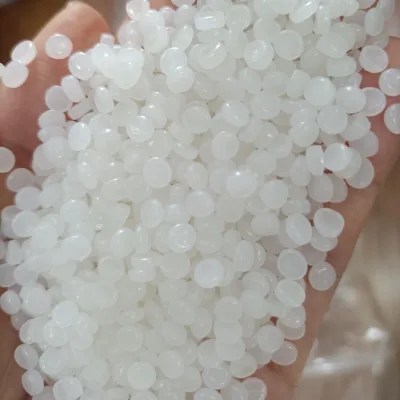


High Quality Virgin LLDPE Granules/LLDPE Recycled Plastic Pellets Price
$900.00 - $1200.00
MOQ: 25 Tons

Comprehensive Sourcing Guide
Strategic Sourcing Guide for Recycled LDPE Granules
Understanding Material Specifications and Variants
When sourcing recycled Low Density Polyethylene (LDPE) granules, buyers must first navigate a complex landscape of material grades, processing methods, and physical forms. The core product, often identified as recycled LDPE, is distinct from virgin material due to its post-consumer or post-industrial origin, yet it retains the fundamental chemical structure of polyethylene. Based on observed market data, the material is frequently categorized under the CAS number 9002-89-5, which confirms its identity as a carbon chain polymer. However, the specific properties of the granules can vary significantly depending on the source material and the reprocessing technology employed.
Buyers should expect to encounter various physical appearances, including granules, masterbatch, powder, and flakes. The color of the material is a critical specification; while white is a common standard for recycled grades to ensure versatility in downstream applications, the presence of other colors or contaminants must be verified through visual inspection and laboratory testing. The molecular structure is defined as an organic polymer, but the integrity of the polymer chain can be compromised by thermal history or mechanical stress during the recycling process.
The processing methods for these granules are diverse, ranging from extrusion film and blowing film applications to injection molding and blow molding. This versatility suggests that Recycled LDPE Granules are not limited to a single application but can serve as a feedstock for multiple manufacturing lines. The "First Grade" designation often seen in listings implies a higher level of purity and consistency, though buyers must verify if this refers to the mechanical properties or the visual cleanliness of the granules. Furthermore, the material is sometimes described as having photodegradable or biodegradable features, which requires careful scrutiny to ensure these claims align with the specific recycling stream and intended end-use environment.
Compliance, Certification, and Regulatory Verification
Navigating the regulatory landscape for recycled plastics is essential for maintaining supply chain integrity and meeting international trade requirements. While specific certification statuses like ISO 9001, REACH, or RoHS are often cited in general market knowledge, buyers must treat these as variables to be verified rather than guaranteed attributes of every supplier. The provided data indicates that some suppliers adhere to international standards, while others provide specific documentation such as a Certificate of Analysis (COA) or SGS reports. These documents are critical for validating the chemical composition and safety of the recycled granules.
When evaluating compliance, the buyer should request the COA to confirm the absence of prohibited substances and to verify the molecular weight distribution. The presence of an SGS report suggests third-party verification of quality, but the scope of the testing must be clear. For applications in food contact or medical devices, additional regulatory checks beyond standard industrial grades are mandatory. The "International Standard" reference in product listings is a broad term; buyers should ask for the specific standard number (e.g., ASTM, ISO, or EN) that the material meets to ensure it aligns with local regulations in the destination market.
Furthermore, the distinction between virgin and recycled material is a key compliance factor. Some listings describe the product as "Virgin & Recycle," indicating a blend. This blending ratio must be disclosed, as it affects the material's performance and regulatory classification. The "Type" attribute often lists "Recycled LDPE" or "Recycled/Reprocess/Regrind," and buyers must ensure the terminology matches the legal definition of recycled content in their jurisdiction. Without clear certification data, relying on general claims of compliance can lead to significant risks in product liability and market rejection.
Cost Drivers and Pricing Dynamics
The pricing of Recycled LDPE Granules is influenced by a multitude of factors, creating a wide range of observed costs from $0.56 to $1650 per unit. This extensive variance is not merely a reflection of market volatility but is driven by specific product attributes, order volumes, and logistical requirements. The primary cost driver is the grade of the material; "First Grade" granules, which exhibit higher purity and better mechanical properties, command a premium over lower-grade regrind or mixed-content pellets. The physical form also impacts price; granules are generally more expensive than flakes or powder due to the additional processing required to achieve a uniform shape and size.
Order volume plays a pivotal role in determining the final unit cost. The observed Minimum Order Quantity (MOQ) ranges from 1 to 2000 units, indicating that suppliers are flexible but often offer better pricing tiers for larger bulk purchases. Buyers seeking small orders may face higher per-unit costs, while those capable of committing to larger volumes can negotiate more favorable rates. Additionally, the packaging method, typically 25kg bags, adds to the overall cost structure, especially if custom packaging is requested.
Payment terms and delivery logistics are secondary but significant cost factors. Standard payment methods like T/T (Telegraphic Transfer) or L/C (Letter of Credit) are common, and the choice of payment instrument can affect the negotiated price. Lead times, which can range from immediate availability to within 10 days after receiving a deposit, also influence the total cost of ownership. Suppliers with higher production capacities, such as those listing 500mt/month, may offer more competitive pricing due to economies of scale, whereas smaller suppliers might charge a premium for flexibility. Buyers must analyze the total landed cost, including freight and insurance, rather than focusing solely on the base price of the granules.
Typical Applications and Performance Expectations
Recycled LDPE Granules are versatile materials suitable for a broad spectrum of industrial applications, primarily driven by their thermoplastic properties. Once heated, these materials exhibit the characteristic behavior of thermoplastics, allowing them to be melted, reshaped, and cooled repeatedly without significant degradation of their chemical structure. This makes them ideal for applications in film production, where they are used in extrusion and blowing processes to create flexible packaging, agricultural films, and protective coverings.
The application scope extends beyond simple film production to include injection molding and blow molding. In injection molding, recycled LDPE is used to create items such as caps, closures, and containers, where dimensional stability and surface finish are important. For blow molding, the material is utilized to produce hollow parts like bottles and tanks, although the recycled content must be carefully managed to ensure the structural integrity of the final product. The "General Plastics" and "Engineering Plastics" classifications suggest that these granules can be used in both low-stress and moderate-stress environments, depending on the specific grade and any additives incorporated during the recycling process.
However, performance expectations must be tempered with the reality of recycling. While the material retains the basic properties of LDPE, the mechanical strength, tensile elongation, and impact resistance may be lower than virgin material. Buyers should verify the specific performance data for the grade they intend to purchase, particularly if the application requires high durability. The "Photodegradable" and "Biodegradable" features mentioned in some listings indicate specialized formulations, but these claims must be validated against the actual recycling stream and the intended disposal environment. For general applications, the focus should be on consistency and the ability to process smoothly without clogging machinery or causing defects in the final product.
Supplier Evaluation and Capacity Assessment
Selecting a reliable supplier for Recycled LDPE Granules requires a thorough evaluation of their operational capacity, quality control systems, and market reputation. The supply chain for recycled plastics is fragmented, and the quality of the input material can vary widely. Buyers should prioritize suppliers who demonstrate transparency regarding their sourcing and processing methods. The "Wanwei" and "Wanwei Sinopec" brand names appearing in product data suggest established players in the market, but buyers should not rely on brand recognition alone without verifying current production capabilities.
Capacity is a critical metric for ensuring supply stability. Suppliers with a monthly capacity of 500mt or more are generally better equipped to handle large orders and maintain consistent quality over time. However, capacity alone is not sufficient; buyers must assess the supplier's ability to meet specific delivery timelines. The observed delivery window of "Within 10 Days After Receiving Deposit" indicates a responsive supply chain, but this should be confirmed for each specific order, as lead times can fluctuate based on raw material availability and production scheduling.
Quality control is another essential factor in supplier evaluation. Buyers should inquire about the supplier's internal testing protocols and whether they conduct third-party inspections. The presence of a COA or SGS report is a positive indicator, but the frequency and scope of these tests are equally important. A supplier that consistently provides detailed quality documentation is more likely to deliver consistent product performance. Additionally, the flexibility of the supplier to accommodate small orders or custom packaging requirements can be a significant advantage for buyers with variable demand patterns.
Quality Control and Long-Term Procurement Strategy
Establishing a robust quality control framework is paramount when procuring Recycled LDPE Granules. Given the inherent variability in recycled materials, buyers must implement a multi-layered approach to quality assurance. This includes pre-shipment inspections, random sampling upon receipt, and rigorous laboratory testing to verify physical and chemical properties. Key parameters to test include melt flow index (MFI), density, tensile strength, and the presence of contaminants such as metals, inorganic fillers, or other polymer types.
Long-term procurement strategies should focus on building strong relationships with suppliers who demonstrate a commitment to continuous improvement and quality consistency. Buyers should negotiate contracts that include clear quality specifications, acceptance criteria, and remedies for non-conforming goods. Regular audits of the supplier's facilities can provide insight into their processing capabilities and adherence to quality standards. Furthermore, maintaining a buffer stock of high-quality recycled granules can help mitigate supply chain disruptions and ensure production continuity.
As the market for recycled plastics evolves, buyers should stay informed about emerging technologies and standards that may impact the quality and performance of recycled LDPE. The integration of advanced sorting and purification technologies can enhance the quality of recycled granules, making them more competitive with virgin materials. By adopting a proactive approach to quality control and supplier management, buyers can secure a reliable supply of high-quality Recycled LDPE Granules that meet their specific application requirements while contributing to sustainability goals.
FAQs
What forms does Recycled LDPE Granules appear in?
Recycled LDPE Granules appear as granules, masterbatch, powder, or flakes. Buyers should verify the specific physical form required for their processing line, as appearance varies by supplier and reprocessing method.
Can suppliers offer customization for recycled LDPE orders?
Yes, customization is available for recycled LDPE orders. Buyers can request specific packaging like 25kg bags or other requirements, though standard options typically include 25kg bags per bag.
What is the typical lead time for delivery?
Delivery occurs within 10 days after receiving the deposit. This timeline applies to standard orders, but actual lead times may vary based on current production capacity and order volume.
Which certifications are provided for Recycled LDPE Granules?
Suppliers provide Certificates of Analysis (COA) and SGS reports for quality verification. These documents confirm chemical composition and safety, serving as critical compliance evidence for international trade requirements.
How does the minimum order quantity affect pricing?
Minimum order quantities range from 1 to 2000 units, influencing unit costs significantly. Larger bulk purchases often secure better pricing tiers compared to small orders which may carry higher per-unit rates.
What payment terms are accepted for these granules?
Accepted payment terms include T/T and L/C for transaction security. Buyers should confirm specific payment schedules with suppliers to ensure alignment with deposit requirements and delivery timelines.