Source Recycled Kraft Paper Gift Box with Handle for Jewelry, Cosmetics, and Food
Find and compare 30 listings for Recycled Kraft Paper Gift Box with Handle options suitable for jewelry, cosmetics, and food packaging. These customizable boxes feature offset printing, embossing, and various paper types like corrugated or cardboard, with production times around 10-15 days.
Key considerations
Products List


Factory Custom Printing Cardboard Kraft Paper Boxes Corrugated Gift Box with Lid
$0.20 - $0.35
MOQ: 2000 Pieces


$0.54 - $0.68
MOQ: 1000 Pieces


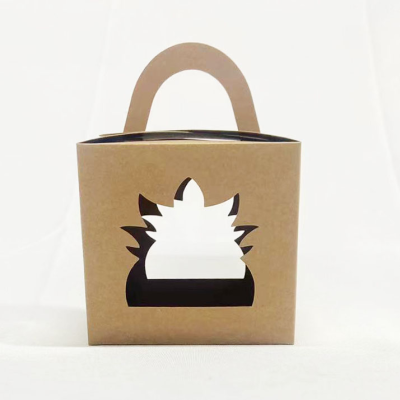


Comprehensive Sourcing Guide
Recycled Kraft Paper Gift Box with Handle Sourcing Guide
Sourcing recycled kraft paper gift boxes with handles requires a nuanced understanding of material sustainability, structural integrity, and aesthetic customization. These packaging solutions are increasingly favored by brands seeking to balance eco-conscious messaging with premium unboxing experiences. The core appeal lies in the combination of recycled content, which appeals to environmentally aware consumers, and the functional addition of handles, which enhances portability and perceived value. Buyers must navigate a market where "recycled" claims vary in specificity, and handle construction ranges from simple paper twists to robust die-cut or rope attachments. This guide provides a structured approach to evaluating suppliers, verifying technical specifications, and ensuring that the final product aligns with both brand identity and regulatory requirements.
The procurement process for these items is characterized by high degrees of customization. Suppliers typically offer flexible options for paper weight, board composition, printing techniques, and handle materials. This flexibility allows for precise alignment with product dimensions and brand aesthetics but introduces complexity in quality control and cost estimation. Buyers should approach sourcing as a collaborative engineering challenge rather than a simple commodity purchase. Establishing clear communication regarding material sourcing, print finishes, and structural testing early in the engagement phase is critical to avoiding discrepancies between the pre-production sample and the final bulk order.
Product Scope and Observed Listing Signals
The market for recycled kraft paper gift boxes with handles encompasses a wide variety of structural designs, from rigid boxes with attached paper handles to folding cartons with integrated die-cut grips. Observed listing signals indicate that suppliers often highlight customization capabilities, including logo printing, embossing, and offset printing techniques. The use of kraft paper is frequently paired with greyboard or corrugated layers to provide rigidity, ensuring the box maintains its shape even when loaded with heavy items. Buyers should note that while "kraft" implies a natural, brown appearance, many suppliers offer bleached or coated variants to accommodate specific branding needs, though the recycled core remains a key selling point.
Price and minimum order quantity (MOQ) ranges observed in the market suggest a tiered pricing structure based on complexity and volume. Lower MOQs, often starting around 200 units, are available for simpler designs or standard sizes, while higher volumes can drive down unit costs significantly. However, buyers must be cautious of extremely low price points, which may indicate the use of lower-grade recycled fibers or insufficient structural reinforcement. The presence of handles adds a layer of manufacturing complexity, often involving additional die-cutting and gluing steps, which can impact both lead times and final costs. Understanding these signals helps buyers set realistic expectations for budgeting and inventory planning.
Technical Specifications to Verify
Verifying the material composition is the first critical step in technical evaluation. Buyers should confirm the percentage of recycled content and the specific grade of kraft paper used, such as 300gsm brown kraft paper combined with 1200gsm greyboard for added strength. The weight of the finished box is also a key indicator of quality; heavier boxes often suggest better material density and durability. Additionally, the type of handle must be scrutinized. Whether it is a twisted paper handle, a die-cut handle, or an attached rope, the attachment method must be robust enough to support the intended load without tearing or detaching. Suppliers should provide detailed specifications on board thickness, paper tensile strength, and handle load-bearing capacity.
Printing and finishing options significantly influence the final aesthetic and functional quality. Offset printing and embossing are common techniques used to apply logos and decorative elements. Buyers should verify the print resolution and color accuracy, especially when working with custom designs. The choice between single-sided and two-sided printing can affect the overall look and cost. Furthermore, the surface handling process, such as matte or glossy lamination, can impact the box's resistance to moisture and wear. It is essential to request physical samples to assess the tactile quality of the paper, the precision of the embossing, and the durability of the handle attachment under real-world conditions.
Compliance and Safety Documentation
Compliance with environmental standards is paramount for brands marketing recycled packaging. Buyers should request documentation that verifies the recycled content claim, such as FSC (Forest Stewardship Council) certification or other recognized chain-of-custody certificates. While specific certification status may vary by supplier, the presence of such documentation is a strong indicator of responsible sourcing practices. Additionally, buyers should ensure that the inks and adhesives used in the production process are non-toxic and compliant with relevant safety regulations, particularly if the packaging is intended for food or cosmetic products. This includes verifying that the materials do not contain harmful heavy metals or volatile organic compounds (VOCs).
Safety documentation also extends to the structural integrity of the box. Buyers should inquire about drop tests and compression tests that the supplier conducts to ensure the box can withstand shipping and handling stresses. For boxes with handles, specific tests should be performed to verify that the handle can support the weight of the product without failure. These test results should be available upon request and provide confidence that the packaging will protect the product throughout the supply chain. Clear communication regarding compliance requirements early in the sourcing process helps avoid potential legal and reputational risks associated with non-compliant materials.
Cost Drivers and Commercial Terms
Several factors drive the cost of recycled kraft paper gift boxes with handles. The primary cost drivers include the price of raw materials, the complexity of the design, and the volume of the order. Higher grades of recycled paper and specialized board combinations will increase material costs. Similarly, intricate designs with multiple printing colors, embossing, or custom handle attachments will require more labor and tooling, leading to higher unit prices. Buyers should also consider the cost of customization, such as the setup fees for custom dies and printing plates, which can be significant for small orders but amortized over larger volumes.
Commercial terms, including payment terms, lead times, and shipping arrangements, also impact the total cost of ownership. Typical lead times for customized orders range from 10 to 15 days, plus additional time for sample production and shipping. Buyers should negotiate clear payment terms, such as a deposit followed by balance payment before shipment, to mitigate financial risk. Shipping costs can vary significantly based on the weight and dimensions of the boxes, so optimizing packaging density and choosing efficient shipping methods can help reduce logistics expenses. Understanding these cost drivers allows buyers to make informed decisions about design choices and order quantities to optimize their budget.
Supplier Qualification and Quality Control
Selecting a qualified supplier involves assessing their manufacturing capabilities, quality control processes, and track record. Buyers should verify the supplier's production capacity and experience with similar products, particularly those involving handles and recycled materials. Requesting references or case studies from previous clients can provide insights into the supplier's reliability and consistency. Additionally, buyers should inquire about the supplier's quality control procedures, including in-process inspections and final random inspections. A robust quality control system ensures that defects are identified and corrected early in the production process, reducing the risk of receiving substandard products.
Sample approval is a critical step in the qualification process. Buyers should request pre-production samples to evaluate the material quality, print accuracy, and handle durability. These samples should be tested under realistic conditions to ensure they meet the required standards. Any discrepancies between the sample and the final product should be addressed before mass production begins. Establishing a clear communication channel with the supplier for ongoing quality feedback is also essential. Regular updates and inspections during production can help identify and resolve issues promptly, ensuring that the final shipment meets the buyer's expectations.
Long-Term Procurement Checks
Long-term procurement success depends on continuous monitoring of supplier performance and market trends. Buyers should establish key performance indicators (KPIs) to track supplier reliability, including on-time delivery rates, defect rates, and responsiveness to issues. Regular audits and performance reviews can help identify areas for improvement and ensure that the supplier remains aligned with the buyer's quality and sustainability standards. Additionally, buyers should stay informed about changes in material costs, regulatory requirements, and consumer preferences to adapt their sourcing strategies accordingly.
Building a strong relationship with the supplier can lead to better pricing, priority production, and collaborative innovation. Buyers should engage in open dialogue about future needs, potential design improvements, and sustainability initiatives. This collaborative approach can help both parties stay competitive and responsive to market changes. Furthermore, diversifying the supplier base can mitigate risks associated with single-source dependencies. By maintaining a network of qualified suppliers, buyers can ensure continuity of supply and leverage competition to achieve better terms and quality.
FAQs
Can I get a customized Recycled Kraft Paper Gift Box with Handle?
Yes, customization is available for this product. The standard allows for custom sizes and designs, with options for offset printing and embossing to meet specific branding needs.
What is the typical production time for these boxes?
The production time is about 10 to 15 days for standard orders. Sample production can be completed in 3 to 5 working days if you need to verify the design before full manufacturing.
Which paper types are used for these gift boxes?
These boxes are made from materials like 300Gsm brown kraft paper combined with 1200Gsm greyboard. Some variants also utilize recycled material or corrugated paper for added durability.
How are the boxes packed for shipping?
The boxes are packed in carton boxes or export cartons, often placed on pallets for stability. Some options include kraft paper and pallet packing to ensure safe transport.
What is the minimum order quantity for these boxes?
The minimum order quantity ranges from 200 to 10,000 units depending on the specific model and customization level. You should check the specific product model for exact MOQ requirements.
Can these boxes be used for food and cosmetics?
Yes, the usage includes food, cosmetics, health care products, and jewelry. The material is suitable for various applications including electronics, garments, and arts and crafts.