Source Recycled Material Boba Cups with Cover for Tea Shops
Find 30 options for Recycled Material Boba Cups with Cover, featuring PLA and PET variants with or without lids. Compare single-wall designs, custom printing, and eco-friendly features for beverage packaging needs.
Key considerations
Products List


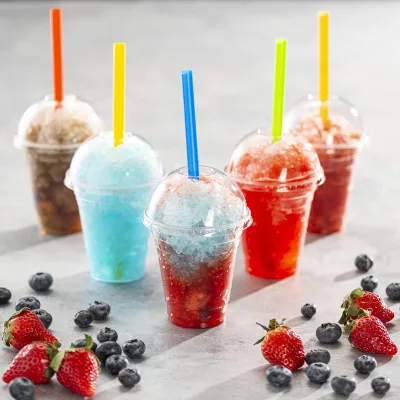


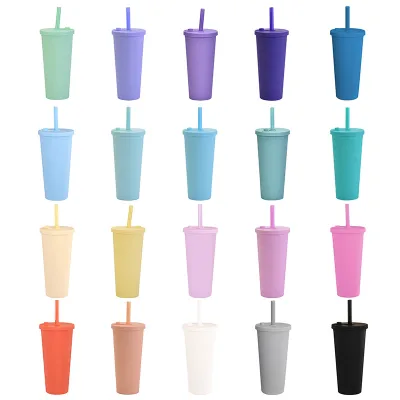


Disposable PP Plastic Cup with Lid Custom Logo Boba Milktea Cups Bubble Tea Cup
$0.03 - $0.03
MOQ: 30000 Pieces


Custom Logo Smoothie Disposable Plastic Boba Milktea Cups Bubble Tea Cup with Lid
$0.03 - $0.03
MOQ: 30000 Pieces

Comprehensive Sourcing Guide
Recycled Material Boba Cups with Cover Sourcing Guide
Sourcing Recycled Material Boba Cups with Cover requires a nuanced understanding of the intersection between sustainable packaging trends and functional beverage service requirements. The modern beverage industry increasingly demands packaging that aligns with environmental goals without compromising the structural integrity needed for cold drinks, ice-heavy beverages, and straw compatibility. Buyers must navigate a market where "recycled" claims vary significantly in meaning, ranging from post-consumer waste content to biodegradable alternatives like PLA. This guide provides a structured approach to evaluating suppliers, verifying technical specifications, and ensuring that the selected cups meet both operational needs and regulatory standards for food contact.
The procurement process for these specialized cups involves balancing aesthetic preferences, such as transparency or custom branding, with rigorous performance criteria. Suppliers often offer a wide range of sizes, from 8oz to 24oz, catering to various serving styles from standard teas to large bubble tea servings. The choice between materials like PET, PLA, and PP is critical, as each offers different thermal properties, clarity, and end-of-life disposal options. This guide aims to equip procurement professionals with the necessary knowledge to make informed decisions, mitigate supply chain risks, and ensure compliance with international safety standards while achieving sustainability targets.
Product Scope and Observed Listing Signals
The current market for boba cups with covers exhibits a diverse range of material compositions and design features, reflecting varying sustainability claims and functional requirements. Observed listings indicate a strong presence of products made from PET, PLA, and PP, with some suppliers explicitly highlighting eco-friendly or disposable attributes. The price range for these items is notably broad, spanning from $0.01 to $3.95 per unit, which suggests significant variation in material quality, thickness, and customization levels. Buyers should be aware that lower price points may correlate with standard PET materials, while higher prices might reflect PLA biodegradable options or complex custom printing services.
Minimum Order Quantities (MOQs) also vary widely, ranging from as low as 1 piece to 50,000 pieces, indicating flexibility for both small-scale startups and large-volume distributors. Some suppliers offer customization options for logos, colors, and sizes, with specific models like Xr039 or 010204 available for tailored orders. The presence of lids, such as PP or PET lids, is a common feature, ensuring a secure seal for beverages. However, buyers must carefully distinguish between products that are truly made from recycled content and those that are merely biodegradable or compostable, as the terminology is often used interchangeably in marketing materials.
Technical Specifications to Verify
Verifying the material composition is the most critical technical step in sourcing recycled material boba cups. Buyers must confirm whether the cups are made from 100% recycled PET, virgin PET with recycled content, or alternative bioplastics like PLA. The transparency and clarity of the cup are often key selling points for boba beverages, allowing customers to see the drink's layers and ingredients. Suppliers may offer sizes ranging from 8oz to 24oz, and it is essential to ensure that the chosen size is compatible with standard straw diameters and lid designs. Additionally, the thickness of the cup wall, often referred to as single-wall or double-wall construction, impacts insulation and durability, with single-wall being more common for cold drinks.
The lid design and material must also be scrutinized to ensure a leak-proof seal and ease of use. Lids are typically made from PP or PET, and some suppliers offer options with or without lids, depending on the specific use case. For boba drinks, the lid must accommodate a wide straw, and the seal must be robust enough to prevent spills during transport. Buyers should also verify the printing capabilities, such as offset printing with up to six colors, to ensure that branding requirements can be met without compromising the cup's structural integrity. The sample time, often ranging from 7 to 10 days, and delivery time, typically 15 to 30 working days, are important logistical factors to consider for inventory planning.
Compliance and Safety Documentation
Ensuring that boba cups meet food safety standards is non-negotiable for any responsible procurement process. Buyers must request and verify certifications such as FDA and QS, which indicate that the materials are safe for food contact. These certifications ensure that the cups do not leach harmful chemicals into the beverages, especially when in contact with acidic or oily ingredients common in bubble tea. It is crucial to obtain copies of these certificates from the supplier and verify their validity with the issuing authorities. Additionally, buyers should inquire about any additional regional certifications required for their specific market, such as EU food contact regulations or local health department approvals.
Beyond basic food safety, buyers should assess the supplier's commitment to environmental compliance and sustainability reporting. While certifications like FDA and QS are mandatory, they do not necessarily validate the "recycled" or "eco-friendly" claims. Buyers should request documentation that supports these claims, such as third-party audits or material safety data sheets (MSDS). This documentation should detail the source of the recycled material, the manufacturing process, and the end-of-life disposal options. By demanding transparent and verifiable compliance documentation, buyers can mitigate reputational risks and ensure that their sustainability claims are substantiated.
Cost Drivers and Commercial Terms
The cost of recycled material boba cups is influenced by several factors, including material type, customization level, and order volume. PET cups are generally more cost-effective than PLA cups, which are biodegradable but often more expensive to produce. Customization, such as logo printing and custom colors, adds to the unit cost, with suppliers charging based on the number of colors and the complexity of the design. Buyers should negotiate pricing based on volume tiers, as larger orders typically result in lower unit costs. It is also important to consider the packaging method, with options like paper box packing or carton packing affecting shipping costs and storage requirements.
Commercial terms, including payment methods, shipping terms, and return policies, should be clearly defined in the purchase agreement. Buyers should clarify the sample costs and whether they are refundable upon placing a bulk order. Lead times, which can range from 15 to 30 working days, should be factored into the procurement schedule to avoid stockouts. Additionally, buyers should inquire about the supplier's policy on defective products and whether they offer replacements or credits. Understanding these commercial terms helps in budgeting accurately and managing supply chain risks effectively.
Supplier Qualification and Quality Control
Evaluating supplier qualifications is essential to ensure a reliable and consistent supply of high-quality boba cups. Buyers should conduct due diligence on the supplier's manufacturing capabilities, including their production capacity, quality control processes, and experience in the beverage packaging industry. Requesting references from other clients, particularly those in the food and beverage sector, can provide insights into the supplier's reliability and product quality. It is also advisable to visit the manufacturing facility or hire a third-party inspection service to verify the supplier's claims about their production processes and quality standards.
Quality control measures should be established before placing the first order, including clear specifications for material thickness, lid fit, and printing quality. Buyers should request pre-production samples and conduct rigorous testing to ensure that the cups meet their requirements. This may include drop tests, leak tests, and thermal stability tests to assess the cup's performance under various conditions. Establishing a robust quality control protocol helps in maintaining consistency across orders and minimizes the risk of receiving defective products. Regular communication with the supplier and periodic audits can further ensure that quality standards are maintained over time.
Long-Term Procurement Checks
Long-term procurement success depends on continuous monitoring and evaluation of supplier performance and market trends. Buyers should regularly review supplier performance metrics, such as on-time delivery rates, product quality, and responsiveness to issues. Establishing a scorecard system can help in objectively assessing suppliers and identifying areas for improvement. Additionally, buyers should stay informed about emerging trends in sustainable packaging, such as new biodegradable materials or recycling technologies, to ensure that their sourcing strategy remains competitive and aligned with sustainability goals.
Building a diversified supplier base can mitigate risks associated with supply chain disruptions and price volatility. Buyers should consider sourcing from multiple suppliers to ensure continuity of supply and to leverage competitive pricing. Regularly engaging with suppliers to discuss future needs and potential innovations can foster stronger partnerships and lead to better service levels. By maintaining a proactive approach to supplier management and staying abreast of industry developments, buyers can secure a reliable supply of high-quality Recycled Material Boba Cups with Cover, supporting both their operational needs and sustainability objectives.
FAQs
Can Recycled Material Boba Cups with Cover be customized with a logo?
Yes, customized logos are available for these cups. The product page indicates that logo customization is supported, allowing buyers to brand their packaging. This feature is particularly useful for businesses looking to enhance brand visibility through their beverage containers. Buyers should confirm specific design requirements with the supplier to ensure the final output meets their marketing needs.
What materials are used for Recycled Material Boba Cups with Cover?
These cups are typically made from PLA, PET, or PP materials. The supply data shows options for PLA/PET and PP, with some listings specifying paper-based construction for the outer packaging. PLA and PET are common for eco-friendly transparent cups, while PP offers durability for both hot and cold beverages. Buyers should select the material that best fits their sustainability goals and usage requirements.
What is the typical lead time for Recycled Material Boba Cups with Cover?
The delivery time generally ranges from 15 to 30 working days. Sample preparation may take an additional 7 to 10 days before bulk production begins. This timeline allows for quality checks and manufacturing processes. Buyers planning large orders should account for this lead time in their supply chain schedule to avoid delays in receiving their customized or standard cup inventory.
Are Recycled Material Boba Cups with Cover suitable for hot and cold drinks?
Yes, many options are designed to hold both hot and cold drinks. Specifically, PP material cups can withstand temperatures from -20 to 120 degrees Celsius. This versatility makes them ideal for various beverage types, including tea, coffee, and cold jellies. Buyers should verify the specific temperature limits of the chosen material to ensure safety and performance for their intended use cases.
What is the minimum order quantity for Recycled Material Boba Cups with Cover?
The minimum order quantity varies, with observed ranges from 1 to 50,000 pieces. Some suppliers list an MOQ of 200 pieces, while others may require 10,000 pieces for certain customizations. This flexibility allows businesses of different sizes to source these cups. Buyers should check the specific MOQ requirements of their chosen supplier to align with their inventory and budget constraints.
What certifications are available for Recycled Material Boba Cups with Cover?
Available certifications include QS and FDA, ensuring compliance with safety standards. These certifications indicate that the materials used are safe for food contact. Buyers requiring specific regulatory compliance for their market should request documentation of these certifications from the supplier. This step is crucial for ensuring that the cups meet local food safety regulations and quality expectations.