Source Recycled Material Tin Box for Gifts, Cosmetics, and Toys
Find 30 Recycled Material Tin Box options for gifts, cosmetics, and toys. Compare models like SG0402-4 and WM64-493, featuring ISO and BSCI certifications, custom printing, and eco-friendly tinplate construction from China suppliers; compare the available evidence and request quotations based on your requirements.
Updated
Key considerations
Products List

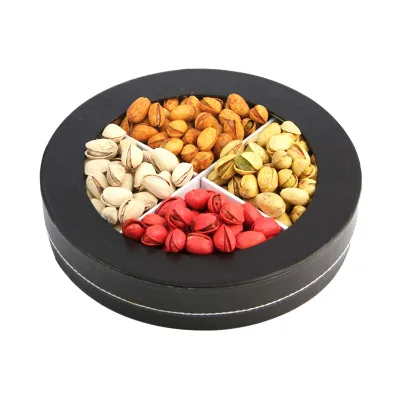
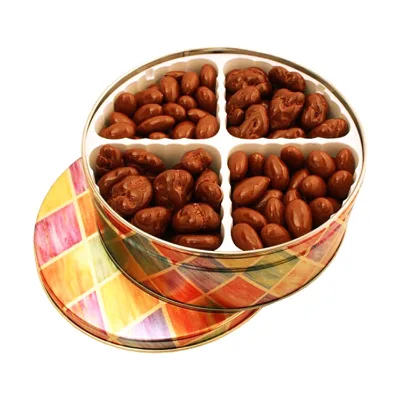
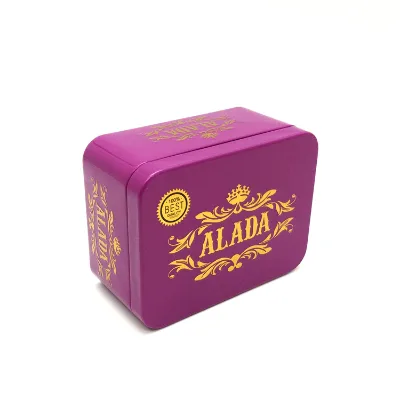


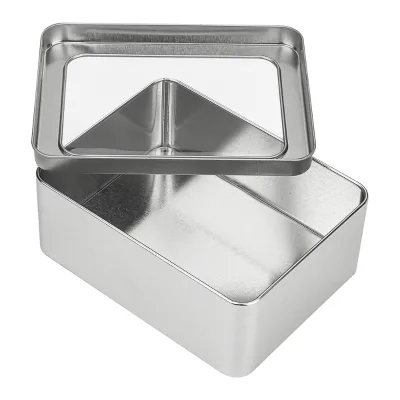


Comprehensive Sourcing Guide
Recycled Material Tin Box Sourcing Guide
Procuring tin boxes constructed from recycled materials requires a nuanced understanding of supply chain transparency and material integrity. Buyers must distinguish between marketing claims of "eco-friendly" packaging and verifiable data regarding post-consumer recycled content. The sourcing landscape for these containers is dominated by manufacturers in China, particularly in regions like Guangdong, where specialized metalworking facilities produce both standard and customized tinplate solutions. These facilities often leverage advanced offset printing and surface handling techniques to meet diverse branding needs while maintaining structural durability.
The decision to source recycled tin boxes is frequently driven by corporate sustainability goals and regulatory pressures in key export markets. However, the term "recycled" can be ambiguous without specific documentation. Buyers should prioritize suppliers who provide clear evidence of their material sourcing practices, such as ISO certifications or third-party audits. This guide outlines the critical verification steps, technical specifications, and commercial terms necessary to ensure that the purchased packaging aligns with both functional requirements and environmental commitments.
Product Scope and Observed Listing Signals
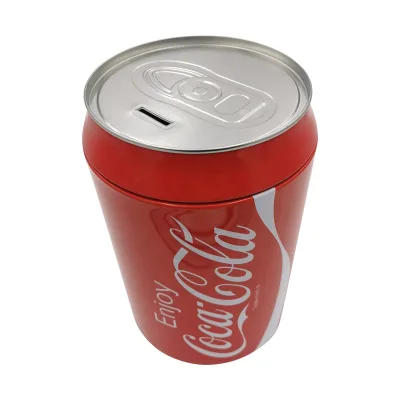
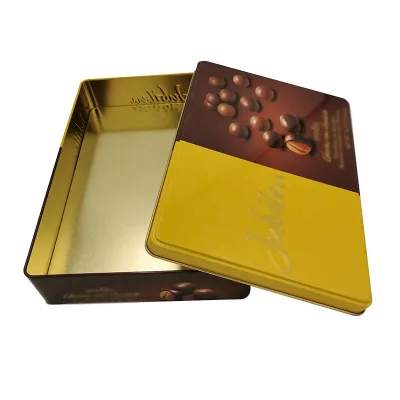
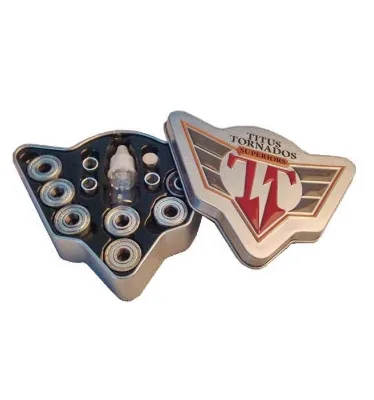
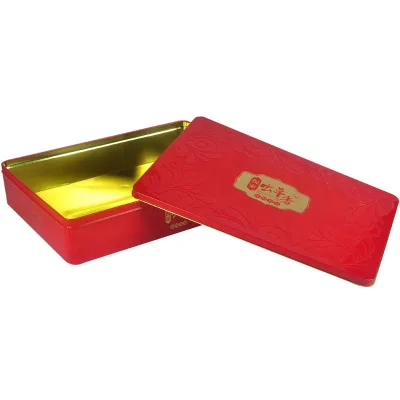
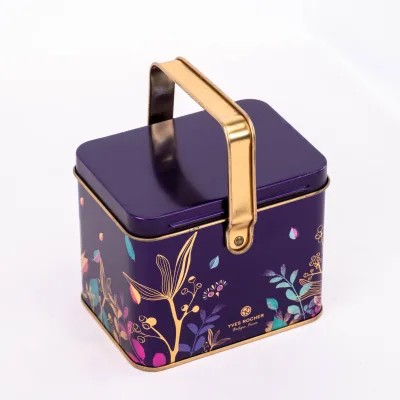
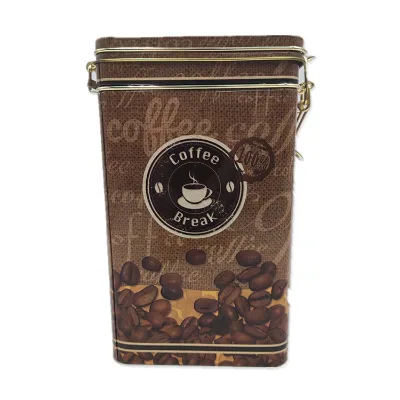
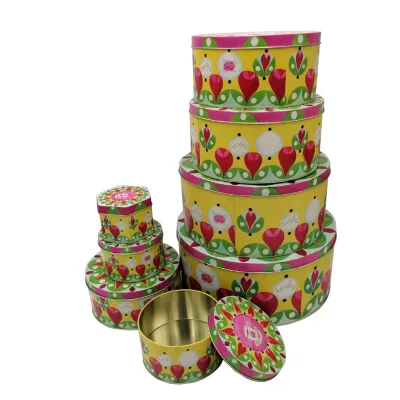
The current market for tin boxes exhibits a wide range of customization options, with many suppliers offering OEM and ODM services to accommodate specific brand identities. Observed listings indicate that customization is widely available, allowing buyers to tailor dimensions, shapes, and surface finishes to their exact needs. Common styles include simplicity and functional designs, with surface handling techniques such as offset printing and varnishing being standard offerings. This flexibility enables brands to create unique unboxing experiences while utilizing durable metal materials that protect contents during transit.
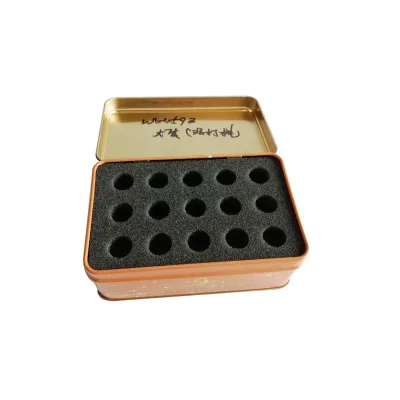
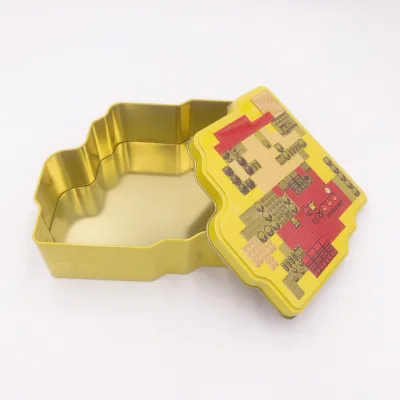
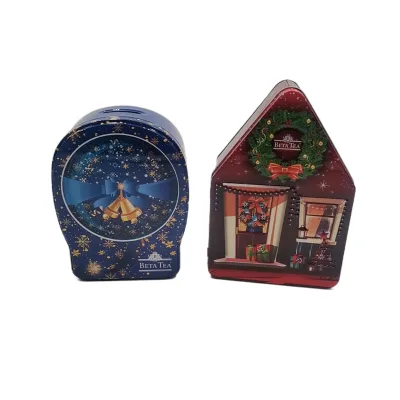
Observed product attributes reveal a strong emphasis on versatility, with tin boxes designed for diverse applications including cosmetics, toys, health care products, and food items. Shapes range from rectangles to ovals and rounds, with options for hinges, sponge inserts, and flush air-tight lids. The presence of features like embossing and logo printing highlights the importance of aesthetic appeal in these packaging solutions. Buyers should note that while many products are marketed as eco-friendly, the specific recycled content percentage is rarely disclosed in standard listing attributes, necessitating direct supplier inquiry.
Technical Specifications to Verify
When evaluating tin boxes, verifying the material composition and structural integrity is paramount for ensuring product protection and shelf life. Buyers should confirm whether the tinplate meets specific thickness and coating standards, as these factors directly influence durability and resistance to corrosion. The observed data indicates that materials are primarily metal-based, often tinplate, which provides a robust barrier against moisture and light. It is essential to request detailed material test reports to verify that the metal does not leach harmful substances, especially for food-grade applications.
Dimensional accuracy and packaging efficiency are also critical technical considerations that impact logistics costs and storage optimization. Suppliers often offer custom sizes, but buyers must validate that the internal dimensions accommodate their products with appropriate clearance. Features such as foam inserts or sponge linings should be inspected for quality and compatibility with the container’s shape. Additionally, the folding status of the packaging, whether unfolded or pre-assembled, affects shipping volume and assembly labor on the receiving end, making these specifications vital for total cost of ownership calculations.
Compliance and Safety Documentation
Compliance with international safety and quality standards is non-negotiable for tin boxes intended for sensitive applications like food and cosmetics. Buyers must verify that suppliers hold relevant certifications such as ISO, BSCI, Sedex, and BRC, which indicate adherence to rigorous management and social responsibility practices. These certifications serve as a baseline for assessing the supplier’s operational maturity and commitment to ethical manufacturing. Without these credentials, the risk of supply chain disruptions or reputational damage due to non-compliance increases significantly.
Specific testing standards must also be confirmed to ensure the packaging does not contaminate its contents. Documentation should demonstrate compliance with FDA, LFGB, EN71-3, and BPA-free requirements, particularly for products involving direct food contact or children’s toys. Buyers should request recent test reports from accredited laboratories to validate these claims, as marketing terms like "eco-friendly" do not automatically imply safety compliance. Ensuring that the tin boxes meet these stringent regulatory thresholds is crucial for maintaining market access in regions with strict consumer protection laws.
Cost Drivers and Commercial Terms
The cost of recycled tin boxes is influenced by several variables, including material prices, customization complexity, and order volume. Observed minimum order quantities (MOQs) typically range from 1,500 to 10,000 units, reflecting the economies of scale required for efficient metal stamping and printing processes. Buyers with lower volume requirements may face higher per-unit costs or limited customization options. Understanding these MOQ thresholds is essential for aligning procurement plans with production schedules and inventory management strategies.
Lead times and payment terms are other critical commercial factors that impact cash flow and supply chain reliability. Standard lead times for customized orders are often around 30 days, allowing for material procurement, manufacturing, and quality control. Buyers should negotiate clear delivery schedules and penalty clauses for delays to mitigate supply chain risks. Additionally, the choice between standard and custom packaging standards can affect pricing, with bespoke designs incurring additional tooling and setup fees that should be factored into the total budget.
Supplier Qualification and Quality Control
Selecting a qualified supplier involves rigorous due diligence beyond basic certification checks. Buyers should assess the supplier’s manufacturing capabilities, including their in-house printing and assembly facilities, to ensure consistent quality control. Suppliers located in established industrial hubs like Dong Guan often have access to better infrastructure and skilled labor, which can enhance production reliability. It is advisable to conduct virtual or on-site audits to verify the supplier’s actual operational capacity and quality management systems.
Quality control protocols should be explicitly defined in the purchase agreement to prevent defects such as misalignment, poor printing, or structural weaknesses. Buyers should request pre-shipment samples and define acceptable quality limits (AQL) for inspections. Given the potential for variations in recycled material sourcing, establishing clear specifications for surface finish and dimensional tolerance is crucial. Implementing a robust quality assurance process helps minimize the risk of receiving non-conforming goods and ensures that the packaging meets the brand’s standards for durability and appearance.
Long-Term Procurement Checks
Sustainable sourcing is an ongoing process that requires regular review and verification of supplier practices. Buyers should periodically audit their suppliers’ environmental claims to ensure that "recycled" content remains consistent and verifiable over time. This includes checking for updates in certifications and requesting new test reports as regulations evolve. Maintaining open communication with suppliers about sustainability goals can foster collaboration and drive continuous improvement in packaging materials and processes.
Building a resilient supply chain also involves diversifying suppliers and monitoring market trends for new packaging technologies. Buyers should stay informed about advancements in tinplate recycling and alternative eco-friendly materials that may offer better performance or cost efficiency. Regularly reviewing supplier performance metrics, such as on-time delivery rates and defect frequencies, helps identify potential issues before they impact production. By maintaining a proactive approach to supplier management, buyers can ensure long-term compliance and sustainability in their packaging procurement strategies.
FAQs
Can I get custom logo printing on recycled material tin boxes?
Yes, custom logo printing is available for these tin boxes. The surface handling includes offset printing and varnishing to ensure high-quality results. You can choose between designs with or without logos depending on your specific packaging needs for gifts or cosmetics.
What certifications do the recycled material tin boxes hold?
The products hold ISO, BSCI, Sedex, and BRC certifications. Additional testing standards include FDA, LFGB, En71-3, and BPA compliance. These certifications ensure the metal tin boxes meet international safety and quality requirements for food and cosmetic packaging applications.
How long is the lead time for custom orders?
The standard lead time for custom orders is 30 days. This duration applies to producing customized tin boxes with specific shapes like oval or rectangular designs. Buyers should plan their procurement schedule accordingly to ensure timely delivery for their product launches.
What is the minimum order quantity for these tin boxes?
The minimum order quantity ranges from 1500 to 10000 units depending on the specific model. This MOQ applies to various sizes including 300mL options and custom dimensions. Buyers must meet these thresholds to qualify for production of eco-friendly and durable metal packaging solutions.
Which shapes are available for the recycled material tin boxes?
Available shapes include rectangle, oval, and round designs. Specific models feature flush air-tight lids or sponge inserts for glass bottles. These versatile forms support usage in food, gifts, toys, and health care products while maintaining an eco-friendly and durable structure.
Can I order custom sizes for the recycled material tin boxes?
Yes, custom sizes are available for these metal tin boxes. The product line supports OEM and ODM services with flexible packaging options. Buyers can request specific dimensions to fit unique product requirements while maintaining the standard of medium-sized packaging or export carton standards.
Where are the recycled material tin boxes manufactured?
The tin boxes are manufactured in Dong Guan, Guangdong, China. The production origin ensures access to established metalworking facilities with ISO9001 and Sedex certifications. This location supports efficient logistics for exporting customized metal packaging solutions to international markets.